This guide explains how suitability is assessed, including diagnosis, age, hair loss stability, donor area strength, expectations, medical history, emotional readiness, consultation questions, risks and recovery.
Introduction
Deciding whether to have a hair transplant is not just about wanting thicker hair. It is a medical, practical and personal decision that needs careful thought.
For many people, hair loss affects more than appearance. It can influence confidence, identity, social comfort and the way someone feels in photographs, at work or in everyday life. It is completely understandable that a hair transplant can feel like a hopeful solution, especially when hair loss has been bothering someone for months or years.
However, wanting a hair transplant and being ready for one are not always the same thing.
Hair transplant suitability is about understanding whether surgery is appropriate, safe and likely to produce a natural, worthwhile result for the individual. That means looking at the cause of the hair loss, how stable it is, whether there is enough donor hair, whether the patient’s expectations are realistic and whether their general health supports surgery.
This guide is designed to help people considering hair transplant surgery in Leicester, or elsewhere in the United Kingdom, understand what usually matters before making a decision. It does not diagnose the reader or promise results. Suitability can only be assessed properly through a consultation with an appropriately qualified clinician.
The aim is to make the decision feel clearer, calmer and more informed.
Contents
- What hair transplant suitability really means
- Why diagnosis should come before treatment
- Age, timing and whether you may be too young
- Hair loss stability and long term planning
- Donor area strength and why supply matters
- Planning the recipient area naturally
- Medical history, medication and general health
- Scalp health and underlying conditions
- Expectations and what surgery can realistically achieve
- Emotional readiness and pressure to act quickly
- Benefits, risks and recovery considerations
- When someone may not be suitable yet
- Patient decision making section
- Where IK Clinics fits
- Conclusion
- Related reading
- References
- Disclaimer
What Hair Transplant Suitability Really Means
Hair transplant suitability is the process of deciding whether surgery is the right option for a particular person at a particular time.
It is not based on one simple factor. Someone may have visible hair loss but still not be ready for surgery. Another person may have less dramatic hair loss but be a more suitable candidate because their condition is stable, their donor area is strong and their expectations are realistic.
A hair transplant works by moving hair follicles from one area of the scalp, usually the back and sides, into an area where hair has thinned or been lost.
The NHS describes a hair transplant as a procedure that moves hair to an area that is thin or bald, and also notes that it is a significant decision which patients should research carefully before proceeding.
This is important because surgery does not create new hair. It redistributes hair from one part of the scalp to another. That makes donor hair a limited resource. If grafts are used poorly, placed in the wrong area or taken too aggressively, the patient may have fewer options in the future.
Suitability usually depends on several connected areas. These include the diagnosis, the pattern of hair loss, the pace of progression, the strength of the donor area, the patient’s health, the condition of the scalp and the patient’s goals.
A good candidate is not simply someone who wants more hair. A good candidate is someone whose hair loss, donor supply and long term plan make surgery a responsible choice.
There is also an emotional side to suitability. Hair loss can make people feel impatient, embarrassed or anxious. This can lead to quick decisions, especially when clinics advertise dramatic before and after images or limited time offers. A responsible decision should not be based on panic. It should be based on careful assessment and clear information.
Why Diagnosis Should Come Before Treatment
Before someone can know whether they are suitable for a hair transplant, they need to understand why they are losing hair.
Hair loss can happen for many different reasons. It may be linked to male or female pattern hair loss, temporary shedding, illness, medication, nutritional deficiencies, hormonal changes, traction, scalp inflammation, autoimmune conditions or scarring alopecia.
These causes are not all treated in the same way.
Pattern hair loss, also known as androgenetic alopecia, is one of the most common reasons people consider hair transplant surgery. In men, it often affects the temples, hairline, crown or mid scalp. In women, it may appear as more diffuse thinning across the top of the scalp, although patterns vary from person to person.
However, not every type of hair loss is suitable for transplantation. If hair loss is temporary, surgery may be unnecessary. If hair loss is caused by an untreated scalp condition, surgery may need to be delayed. If the donor area is also thinning, transplant surgery may not produce the expected long term benefit.
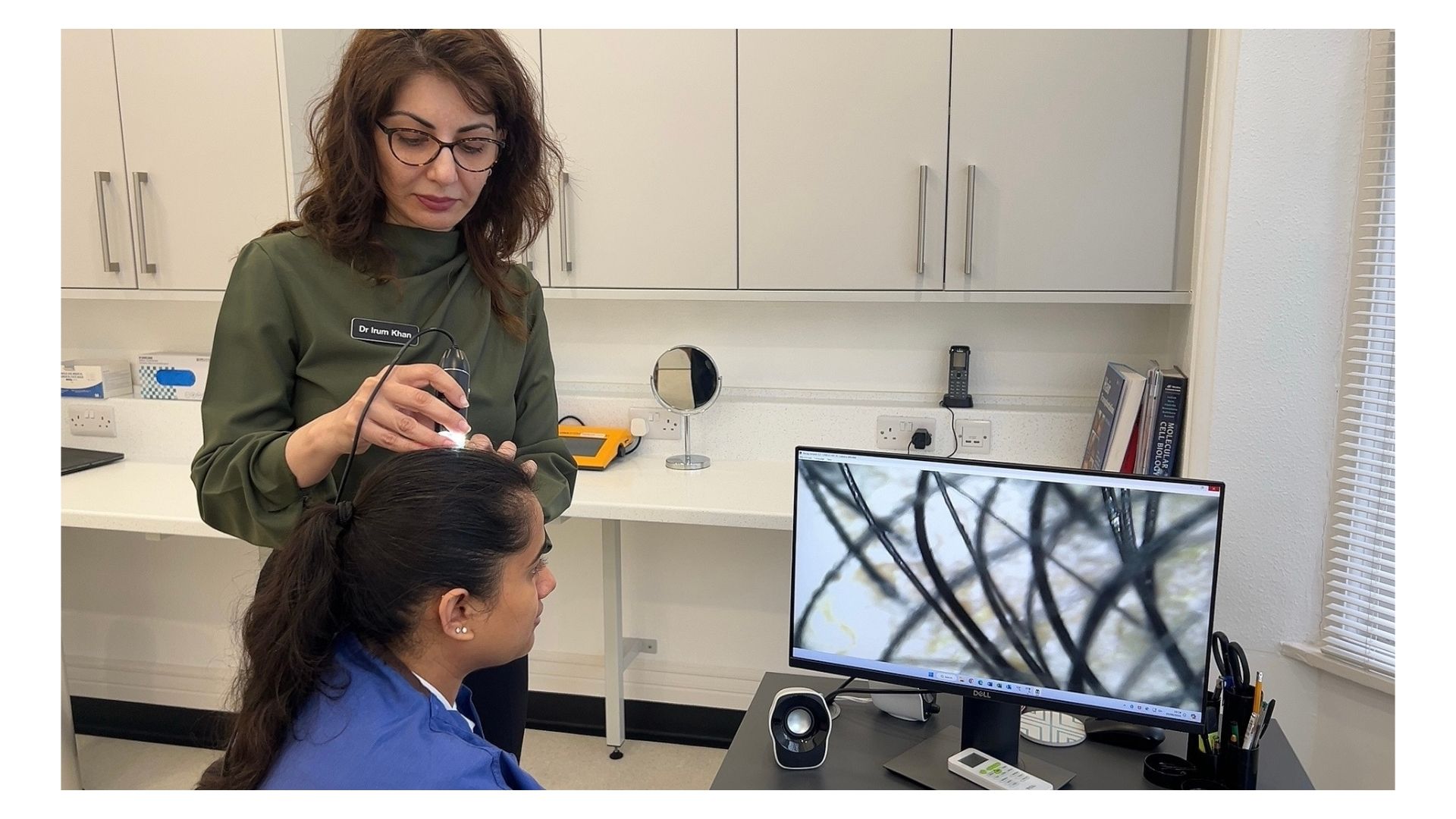
This is why diagnosis comes before treatment planning. A consultation should look at the pattern of loss, the scalp, medical history, family history, previous treatments and how the hair has changed over time. In some cases, further medical assessment may be needed before any surgical decision is made.
Self diagnosis can be risky. It is easy to look at photographs online and assume that your hair loss matches someone else’s. But photographs cannot assess miniaturisation, donor quality, scalp inflammation, future risk or medical factors. A proper consultation gives a much clearer picture.
The British Association of Hair Restoration Surgery, known as BAHRS, provides patient advice to help people understand how to approach hair transplant decisions and clinic choice. Its guidance encourages patients to think carefully about who is performing the procedure, what is being promised and whether the clinic is acting responsibly.
Age, Timing and Whether You May Be Too Young
Age is one of the most important parts of hair transplant suitability, especially for people in their late teens, twenties or early thirties.
Being young does not automatically mean someone can never have a hair transplant. However, younger patients often need extra caution because their future hair loss pattern may not yet be clear.
A person may only have early temple recession now, but they may go on to lose hair across the mid scalp or crown over the next ten or twenty years.
This matters because a hair transplant should be planned for the future, not just the present. A hairline that looks attractive at 22 may not look natural at 35 if the surrounding hair continues to thin. If too many grafts are used too early, the patient may have limited donor hair left for later procedures.
This is one of the main reasons clinics should be careful with very low, dense or aggressive hairlines in younger patients. The aim should be a result that looks natural as the patient ages.
A conservative plan can still make a meaningful visual difference, but it protects future options more carefully.
Younger patients may also feel greater emotional pressure to act quickly. Hair loss in your twenties can feel especially unfair. It can affect dating confidence, social life, work confidence and self image. This emotional impact is real and should be taken seriously. However, it should not be exploited.
The best advice for a younger patient may sometimes be to wait, monitor the hair loss, consider non surgical management where appropriate and review again later. Waiting does not mean ignoring the problem. It means giving the clinician and patient a better chance to understand the pattern before using a limited donor supply.
Hair Loss Stability and Long Term Planning
Hair transplant surgery does not stop ongoing hair loss. It moves hair into thinning or bald areas, but the patient’s native hair may continue to change over time.
This is why hair loss stability is such an important part of suitability.
Stable hair loss does not necessarily mean that no further hair will ever be lost. In many cases, pattern hair loss is a long term condition. Stability means the clinician has enough understanding of the current pattern, pace and likely progression to make a responsible plan.
A patient whose hair loss has changed slowly over several years may be easier to plan for than someone whose hair has rapidly thinned in just a few months. Rapid shedding or sudden changes may suggest that more investigation is needed before surgery.
Long term planning also helps avoid unnatural results. For example, if a patient restores the front hairline but later loses hair behind it, the transplanted area may still grow, but the overall look may become unbalanced. This does not mean frontal surgery is wrong, but it must be planned with future loss in mind.
A good plan should consider where grafts will create the most natural improvement. For many patients, this means prioritising the frontal hairline and face framing area. For others, it may involve crown work, mid scalp coverage or a more staged approach. The right plan depends on the individual.
It is also important to understand that some patients may need ongoing hair loss management after surgery. This may include monitoring, further consultations or discussing medical treatment options with an appropriate clinician. The exact approach should be personalised and clinically appropriate.
A hair transplant should not be seen as a quick fix that removes the need for future thinking. It should be part of a longer term plan.
Donor Area Strength and Why Supply Matters
The donor area is usually the back and sides of the scalp. These areas are often more resistant to pattern hair loss, which is why they are commonly used for transplantation.
However, not everyone has the same donor strength. Some people have dense, strong donor hair. Others have fine hair, lower density, diffuse thinning or previous over harvesting from earlier surgery. This can make a major difference to suitability.
Donor hair is limited. Once grafts are removed and used, they cannot simply be replaced. A responsible surgeon must think about how many grafts can be safely taken without making the donor area look thin or patchy.
This is why a consultation should assess both quantity and quality. Quantity refers to how much donor hair may be available. Quality includes factors such as hair thickness, texture, curl, colour contrast and overall scalp coverage. These details affect how much visual density can be created.
A person with coarser or wavier hair may achieve a stronger appearance of coverage with fewer grafts than someone with very fine, straight hair. Similarly, the contrast between hair colour and scalp colour can affect how visible thinning appears.
Peer reviewed discussion on hair transplant candidacy highlights that patients with poor quality or limited donor hair may be relatively poor candidates, particularly when balding is advanced. This supports one of the most important messages for patients: the donor area must be protected.
Patients should be cautious about clinics that focus only on large graft numbers. A high graft number is not automatically better. In some cases, it can increase the risk of over harvesting. The right graft number depends on the patient’s hair loss pattern, donor capacity, goals and long term plan.
A good consultation should explain why a certain graft range is being suggested, what it is expected to achieve and how it protects future options.

Planning the Recipient Area Naturally
The recipient area is the part of the scalp where transplanted hair is placed. This could include the hairline, temples, crown, mid scalp or another area affected by thinning.
Suitability is not only about whether grafts can be taken. It is also about whether they can be placed in a way that looks natural, balanced and appropriate for the patient.
Hairline design is one of the most visible parts of hair transplant surgery. A good hairline should suit the patient’s age, face shape, hair characteristics and likely future hair loss. It should not look too low, too straight or too artificial.
Many patients understandably want the strongest possible transformation. But the strongest result is not always the most aggressive one. A hairline that is slightly more conservative can often look more natural and age better over time.
Density planning also matters. A transplant may not be able to recreate teenage density across a large area, especially in patients with more advanced loss. The goal is often to create the appearance of improved coverage through careful placement.
Crown work needs particular thought because the crown can use a large number of grafts. For some patients, treating the crown may be worthwhile. For others, it may be better to prioritise the front and mid scalp first. This decision depends on donor supply, pattern of loss and what will create the most meaningful improvement.
Patients who have had previous hair transplant surgery may need repair planning. These cases can be more complex because of scarring, previous graft placement, limited donor supply or unnatural density. A repair case should be approached carefully and realistically.
The most natural results usually come from good design, careful graft use and honest planning. Surgery should not only answer the question, “Can we place hair here?” It should also answer, “Will this still look natural in the future?”
Medical History, Medication and General Health
A hair transplant may be carried out under local anaesthetic, but it is still surgery. That means general health is part of suitability.
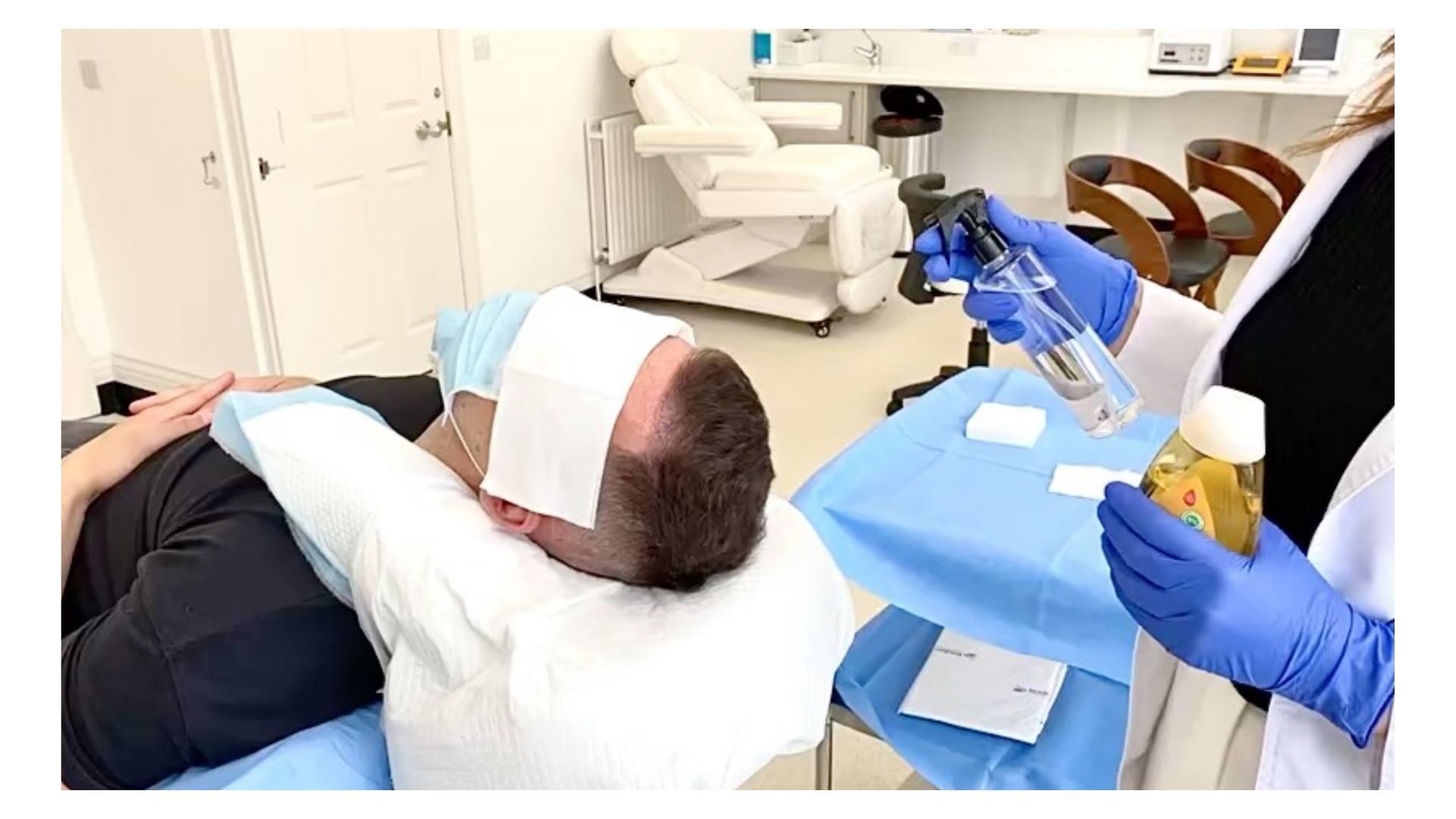
Before surgery, a clinic should ask about medical history, medication, allergies, previous operations, bleeding issues, healing problems, skin conditions and relevant lifestyle factors. This is not just paperwork. It helps the clinical team understand risk.
Some health conditions may not automatically prevent surgery, but they may require extra care. These can include diabetes, high blood pressure, heart conditions, autoimmune conditions, bleeding disorders or conditions that affect healing.
The patient may need medical clearance or additional advice before proceeding.
Medication is also important. Some medicines and supplements may affect bleeding, bruising or healing. Patients should tell the clinic about prescription medication, over the counter medicines and supplements. They should not stop medication without professional medical advice.
Smoking can also affect healing and circulation. Clinics may advise patients to stop or reduce smoking around the time of surgery, depending on their protocol and the patient’s health.
Previous surgery, trauma, burns or scarring may also influence planning. Scarring can affect extraction, placement and expected growth. This does not always rule out surgery, but it does mean the case needs careful assessment.
The key point is honesty. Patients should not hide medical information because they fear it will stop them having surgery. A safe decision depends on the clinic having the full picture.
Scalp Health and Underlying Conditions
A healthy scalp is important for surgery, healing and comfort.
Some patients have scalp conditions such as eczema, psoriasis, dermatitis, folliculitis, infection or inflammation. These may need to be treated or controlled before surgery is considered.
Active inflammation can make surgery less suitable at that moment. It may affect healing, increase discomfort or signal an underlying condition that needs investigation. If the scalp is irritated, painful, flaky, inflamed or unusually sensitive, this should be discussed during consultation.
Certain types of hair loss involve scarring or inflammatory disease. These cases need particular care because active disease can damage hair follicles, including transplanted follicles.
Surgery may only be considered if the condition has been properly diagnosed, treated and stable for a suitable period.
This is another reason why diagnosis matters. If hair loss is caused by an active scalp disorder, the priority may be medical assessment rather than immediate transplantation.
Patients should mention any itching, burning, soreness, scaling, spots, scabs, previous scalp treatments or sudden changes. Even if something seems minor, it may help the clinician understand what is happening.
Expectations and What Surgery Can Realistically Achieve
Expectation management is one of the most important parts of hair transplant suitability.
A person may be physically suitable for surgery, but if their expectations are unrealistic, it may not be the right time to proceed. Good surgery should be based on what is achievable, not what looks most dramatic in advertising.
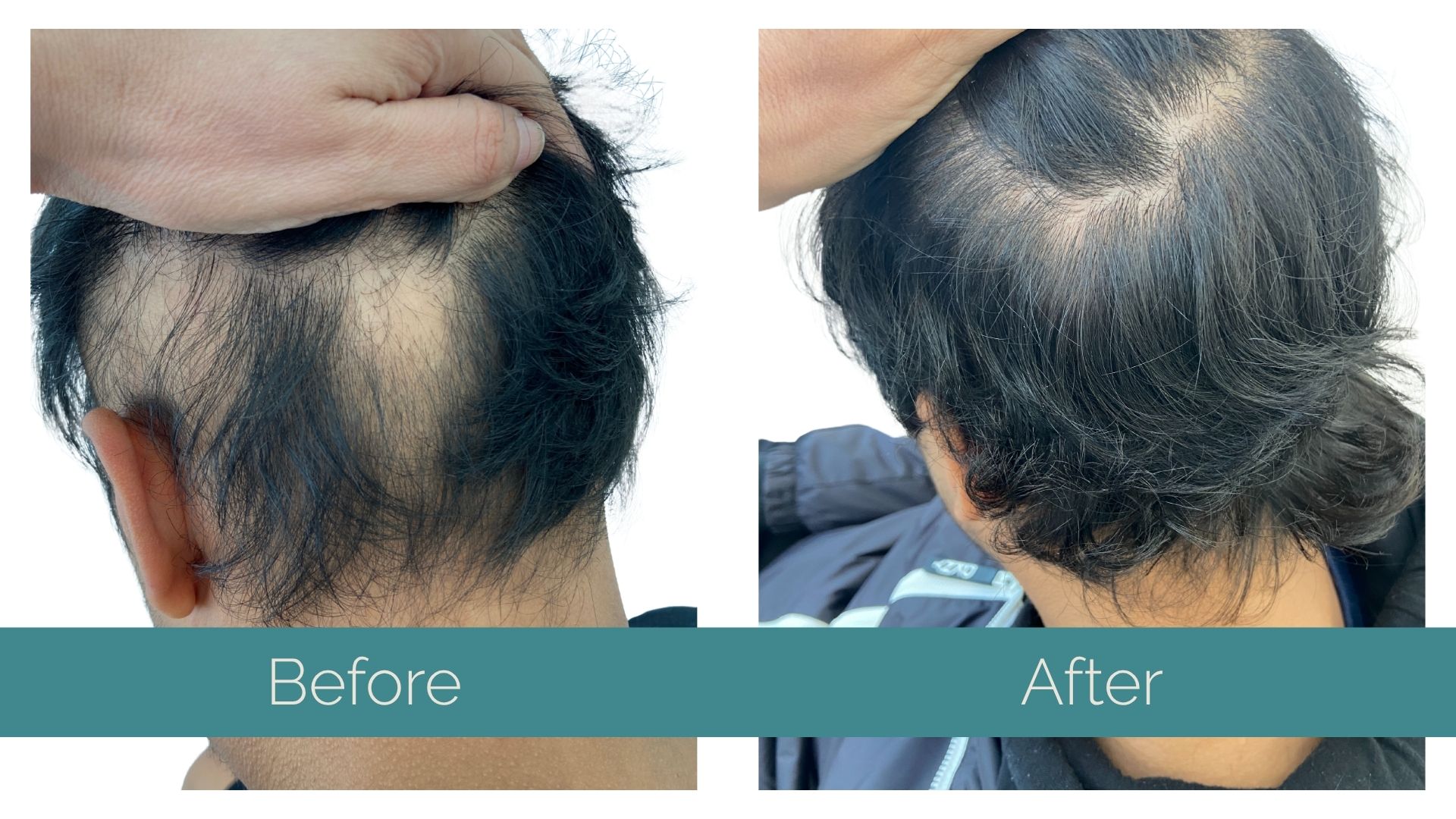
A hair transplant can improve the appearance of a hairline, add coverage to selected thinning areas and create a fuller visual impression. For suitable patients, this can make a meaningful difference to confidence and self image.
However, surgery cannot create unlimited hair. It cannot guarantee the density someone had as a teenager. It cannot stop all future hair loss. It cannot promise identical results for every patient.
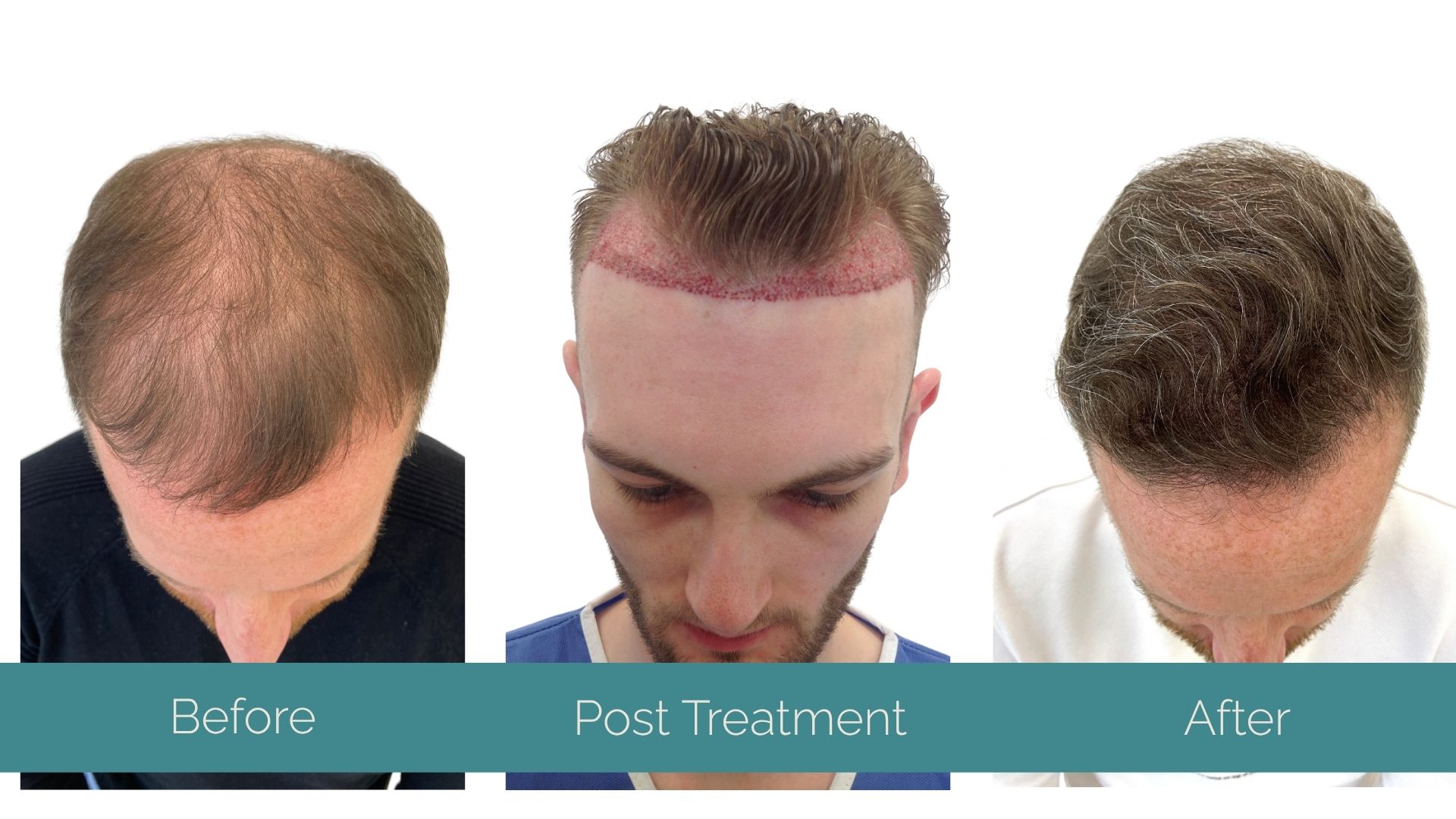
Growth also takes time. Patients should not expect a finished result within weeks. After surgery, there may be shedding, scabbing, redness and a period where the result looks incomplete before new growth develops.
The NHS notes that recovery and growth after a hair transplant take time, and patients should contact their clinic if they experience concerning symptoms after surgery.
Before and after photographs can be useful, but they should not be treated as guarantees. Results vary because people have different hair characteristics, donor areas, loss patterns, skin contrast, healing responses and long term progression.
A responsible clinic should explain what level of improvement is realistic for the individual. This may include discussing density limitations, future hair loss and whether more than one procedure could be needed over time.
The most successful patients often understand that the goal is natural improvement, not perfection.

Emotional Readiness and Pressure to Act Quickly
Hair loss can feel urgent. Many people start researching hair transplant surgery when they are frustrated, anxious or tired of trying to hide thinning areas.
Those feelings are valid. Hair loss can affect confidence deeply. However, surgery should still be approached with patience.
Emotional readiness means the patient understands the procedure, the limitations, the risks, the recovery process and the fact that results take time. It also means the decision is being made calmly, rather than through panic, pressure or comparison with others.
There are some warning signs that a patient may need more time before deciding. These include feeling rushed by a limited time offer, expecting perfection, wanting surgery to solve all confidence issues instantly, or feeling unable to accept uncertainty.
The GMC guidance for doctors who offer cosmetic interventions emphasises the importance of clear discussion around outcomes, benefits and risks, as well as giving patients time to make an informed decision.
This matters because cosmetic decisions should be voluntary and well considered. Patients should not feel pushed into booking quickly. They should feel able to ask questions, reflect and seek further advice if needed.
A responsible consultation should feel educational, not pressurised. The patient should leave with a clearer understanding of their options, even if the best advice is to wait.
Benefits, Risks and Recovery Considerations
Suitability should always include a balanced discussion of benefits, risks and recovery.
For suitable patients, a hair transplant can improve the appearance of thinning or bald areas using the patient’s own hair. It may help restore a more defined hairline, improve coverage and reduce the need to style around hair loss.
However, benefits should be discussed carefully. Results vary and no clinic should guarantee a specific outcome. BAHRS warns patients to be cautious of clinics that offer guarantees, describe surgery as scarless or painless, or use misleading before and after photographs.
Like any surgical procedure, hair transplantation carries risks. These may include bleeding, infection, swelling, discomfort, numbness, visible scarring, poor growth, shock loss, over harvesting, unnatural appearance or dissatisfaction with density.
Some effects are temporary, while others may need further treatment or review.
Recovery also needs planning. Patients should ask when they can return to work, exercise, wash their hair, wear hats, travel, sleep normally and resume everyday routines. They should also understand who to contact if they have concerns after surgery.
The NHS advises patients considering cosmetic procedures to ask what could go wrong, what side effects to expect and what aftercare is available.
This is particularly important for hair transplant surgery because the procedure is not just about the day itself. It includes preparation, the procedure, early healing, shedding, gradual growth and follow up.
Good aftercare helps patients understand what is normal, what needs attention and how to look after the scalp during recovery.
When Someone May Not Be Suitable Yet
Not being suitable for surgery right now does not always mean someone will never be suitable. Sometimes it means the timing is not right, more assessment is needed or expectations need to be adjusted.
Someone may not be suitable yet if their hair loss is changing quickly or the cause is unclear. In that situation, it may be better to investigate, monitor and stabilise the condition before surgery.
A very young patient with early hair loss may also be advised to wait. This is especially true if their future pattern is uncertain or if they want a very low hairline that may not age naturally.
A weak donor area can also limit suitability. If there is not enough safe donor hair to achieve the patient’s goals, surgery may not be recommended. A responsible clinic should say this clearly rather than over promising.
Untreated scalp conditions can also delay surgery. If there is active inflammation, infection or suspected scarring alopecia, treatment or specialist assessment may be needed first.
Medical history may raise concerns too. Some patients may need GP or specialist input before surgery can be considered safely.
Expectations can also make someone unsuitable at that moment. If a patient expects guaranteed density, instant results or complete reversal of all hair loss, they may need more education before making a decision.
Finally, pressure is a red flag. If someone feels rushed, emotionally overwhelmed or pushed by a sales process, it is sensible to pause.
Good suitability assessment should protect the patient, not just approve the procedure.
Patient Decision Making Section
A good hair transplant consultation should help the patient make a clearer decision. It should not leave them feeling confused, rushed or embarrassed to ask questions.
Before deciding on surgery, patients may find it helpful to think through several areas.
First, ask about diagnosis. What type of hair loss appears to be present? Is it likely to be pattern hair loss, temporary shedding or something that needs further medical assessment? Is the scalp healthy enough for surgery?
Second, ask about timing. Is the hair loss stable enough? Is surgery sensible now, or would it be better to wait and monitor? How might the hair loss progress in future?
Third, ask about the donor area. Is there enough donor hair? How many grafts can be taken safely? How will the clinic avoid over harvesting? Will the donor area still look natural after extraction?
Fourth, ask about the design. What hairline is realistic? Which area should be prioritised? How will the plan look as the patient gets older? Is the crown worth treating now, or should grafts be preserved for other areas?
Fifth, ask about who will do the procedure. Who will perform the consultation? Who will carry out the surgical steps? What qualifications and experience do they have? What parts of the procedure are performed by a doctor?
BAAPS states that in the UK, only a GMC licensed doctor should perform the surgical steps of a hair transplant procedure, including making incisions in the donor and recipient areas.
Sixth, ask about risks and aftercare. What are the most relevant risks in this individual case? What side effects are expected? What aftercare is included? Who should the patient contact if they are worried after surgery?
Finally, the patient should ask themselves whether they feel ready. Do they understand the limitations? Are they making the decision calmly? Would they still be happy if the result is an improvement rather than perfection? Have they chosen the clinic based on safety, planning and trust rather than price alone?
These questions can make the consultation more useful and help the patient feel more in control.
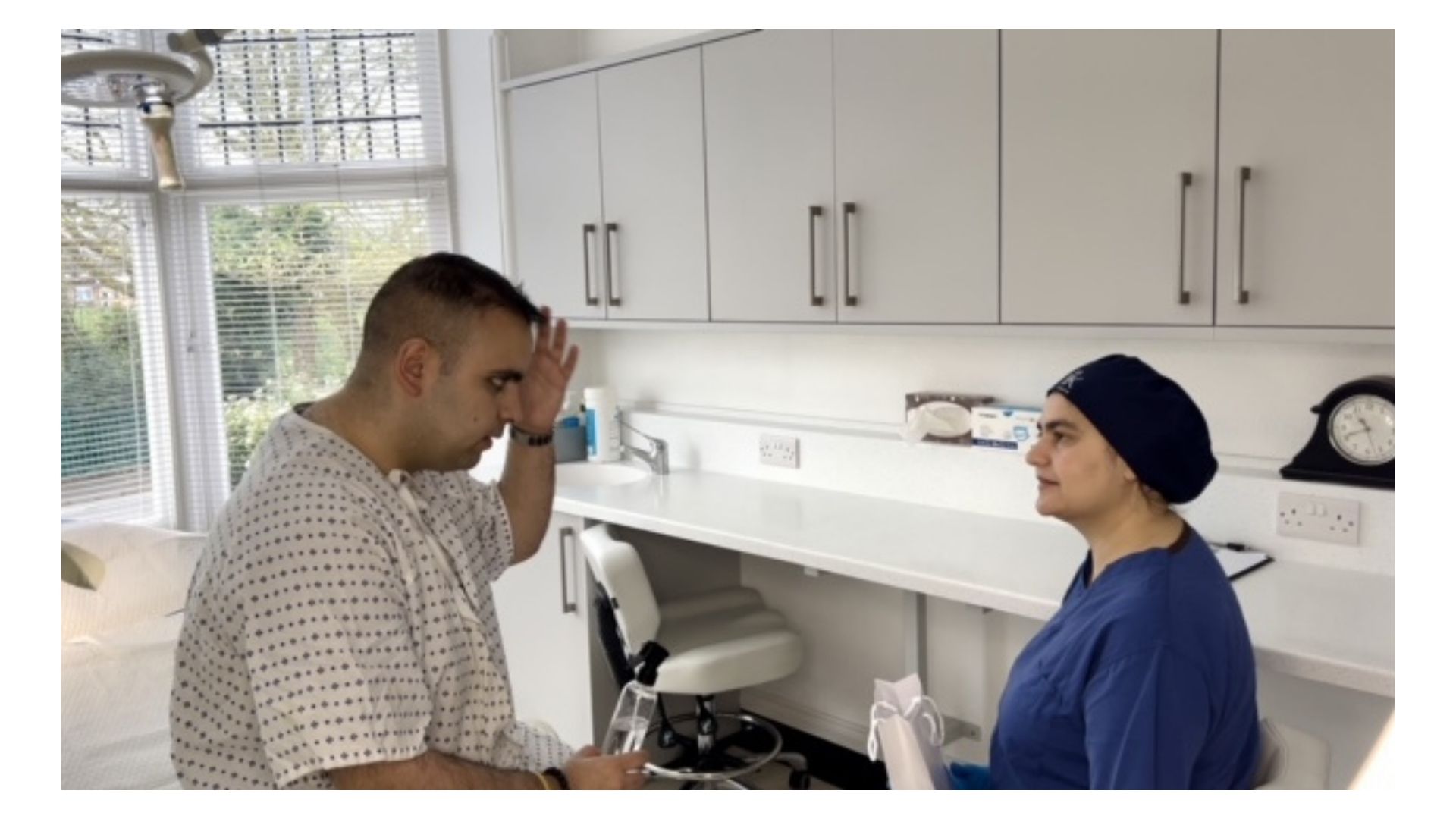
Where A Consultation Could Help
For anyone considering hair transplant surgery, the first step should be a proper suitability discussion, not a quick decision about booking a procedure.
The consultation process is designed to help patients understand whether hair transplant surgery may be appropriate for their individual circumstances. This includes looking at the pattern of hair loss, age, medical history, donor area, scalp condition, expectations, recovery considerations, potential risks and longer term planning.
This type of assessment is important because not every person experiencing hair loss will be suitable for surgery straight away. Some patients may benefit from further investigation, a period of monitoring, non surgical management or simply more time before deciding.
Others may be suitable for surgery, but still need a careful plan that protects the donor area and keeps future hair loss in mind.
A consultation should also give patients space to ask questions. This may include questions about what result is realistic, how the procedure is planned, what recovery involves, what risks should be considered and whether further treatment may be needed in the future.
For suitable patients, clinicians can discuss how hair transplant surgery may fit into a wider hair restoration plan. For patients who are not suitable at that stage, clear guidance can help avoid rushed decisions, protect long term options and support a safer approach to treatment.
Conclusion
Hair transplant suitability is about more than visible hair loss. It involves diagnosis, timing, hair loss stability, donor area strength, scalp health, general health, expectations, emotional readiness and long term planning.
For some people, surgery may be a suitable and positive option. For others, it may be better to wait, investigate the cause of hair loss, manage the condition first or adjust expectations before making a decision.
The right approach is careful, honest and individual. A good hair transplant should not be planned only for how the hair looks today. It should consider how the result may look years into the future.
Patients should take time to ask questions, understand the risks, check who will be responsible for their care and avoid making decisions based on pressure or promises.
The best starting point is a proper consultation with an appropriately qualified clinician who can assess the individual case and explain the options clearly.
Where IK Clinics Fits
IK Clinics is a Leicester-based clinic offering consultation-led hair restoration and aesthetic treatment planning. For people considering hair transplant surgery, the first step is understanding whether treatment is appropriate, realistic and safe for their individual circumstances.
A consultation can help assess the pattern of hair loss, donor area strength, scalp health, medical history, expectations and long-term planning. Where treatment may be suitable, IK Clinics can discuss options such as FUE, U-FUE, PRP or other approaches in the context of the patient’s individual needs.
Where surgery is not suitable yet, honest advice can help protect future options and reduce the risk of rushed decisions.
Related Reading
FUE vs U-FUE: Inside the Technique That Aims to Leave No Trace
How to Diagnose Alopecia Areata and How PRP Can Help?
Unlocking the Secrets to a Successful Hair Transplant: What Really Makes the Difference?
What Should You Look For in a Clinic When Considering Hair Restoration Treatment?
References
- NHS, Hair Transplant: Useful for general information on what a hair transplant involves, recovery, side effects and what patients should consider before surgery.
- GMC, Guidance for Doctors Who Offer Cosmetic Interventions: Useful for consent, responsible practice, realistic expectations and patient safety.
- BAHRS, Patient Advice: Useful for patient guidance on choosing a hair transplant clinic and understanding what to check before surgery.
- BAHRS, Factors to Beware of When Choosing a Hair Transplant Clinic or Surgeon: Useful for avoiding misleading claims, unrealistic guarantees and poor clinic practice.
- CQC, Choosing Cosmetic Surgery: Useful for checking clinic safety, regulation and whether a provider is registered.
- Peer-reviewed article, Is Every Patient of Hair Loss a Candidate for Hair Transplant?: Useful for supporting clinical points about suitability, donor hair, patient selection and why not everyone is a good candidate.
Disclaimer
This article is for general educational information only and should not be used as personal medical advice, diagnosis or treatment guidance. Hair loss can have many causes, and suitability for hair transplant surgery can only be assessed through an individual consultation with an appropriately qualified clinician. Results vary between patients and no outcome can be guaranteed. Always seek professional medical advice before starting, stopping or changing any treatment, medication or surgical plan.