Genetic miniaturisation, autoimmune activity, disruption to the hair-growth cycle, repeated tension and scarring disease can all produce visible loss, but they require very different responses.
This guide explains the main alopecia types, how they are assessed and why diagnosis should come before medicine, PRP or hair transplantation.
Introduction
A widening parting, receding hairline, smooth bald patch or sudden increase in shedding can all lead to the same question: what is happening to my hair?
Appearance alone does not always provide a reliable answer. Two people may both describe themselves as having alopecia, yet one may have a progressive genetic condition, another an autoimmune disorder and a third temporary shedding after illness, childbirth, surgery, nutritional restriction or severe stress.
That distinction affects what may improve, what requires investigation and which treatments may be unsuitable.
A treatment for pattern hair loss cannot treat a fungal infection. Hair transplantation cannot switch off active autoimmune inflammation, and PRP cannot replace follicles destroyed by scarring.
Choosing treatment before understanding the cause can waste time, increase expense and delay appropriate care. This is particularly important in inflammatory and scarring forms of alopecia, where early assessment may help preserve follicles that are still viable.
The NHS advises people concerned about hair loss to speak to a GP, particularly before approaching a commercial clinic. This does not make restoration treatment inappropriate. It means the likely cause should be considered first.
This guide cannot diagnose an individual case. It explains why medical history, scalp examination, trichoscopy and selective investigation are more dependable than guessing from photographs or online symptom lists.
Contents
- What alopecia actually means
- Normal shedding and when to seek advice
- How professionals classify hair loss
- Androgenetic alopecia
- Alopecia areata
- Telogen effluvium
- Traction alopecia
- Scarring alopecia
- Other conditions that resemble alopecia
- Why self-diagnosis can be unreliable
- What a professional assessment may involve
- When to see a GP or dermatologist
- Why treatment suitability depends on diagnosis
- What to discuss during a consultation
- Emotional support and practical coping
- Where IK Clinics fits
- Conclusion
What Does Alopecia Actually Mean?
Alopecia is the medical term for hair loss. It can affect the scalp, beard, eyebrows, eyelashes or other body areas. It may be localised or widespread, sudden or gradual, temporary or permanent.
In some forms, follicles remain alive and capable of producing hair. In others, inflammation damages the follicles and replaces them with scar tissue. Once a follicle has been permanently destroyed, it cannot produce a new hair.
Saying that someone has alopecia is therefore only the beginning of the conversation. The term describes hair loss broadly but does not identify its cause.
Scarring and Non-Scarring Alopecia
In non-scarring alopecia, follicular openings are usually preserved. The follicles may be miniaturised, temporarily inactive or affected by inflammation, but they have not necessarily been destroyed.
Androgenetic alopecia, alopecia areata, telogen effluvium and early traction alopecia generally belong to this group.
In scarring alopecia, also called cicatricial alopecia, inflammation damages the follicle and replaces it with scar tissue. Treatment focuses mainly on controlling disease and protecting the follicles that remain.
Hair loss may also be patchy, diffuse, patterned or concentrated around the hairline. These categories can overlap. Telogen effluvium may reveal underlying pattern loss, traction can become scarring and more than one condition may occur together.
Normal Hair Shedding Versus Alopecia
Each follicle moves through a cycle that includes active growth, transition and a resting or shedding phase. Because follicles are at different stages, losing some hairs every day is normal.
The amount seen can vary with wash frequency, hair length, curl pattern, brushing and styling. Someone who washes every few days may see a larger collection in the shower without shedding more overall.
It is therefore more useful to look for a clear change from the person’s normal baseline than to count every strand.
Changes That Deserve Attention
Persistent increased shedding, a widening parting, recession, crown thinning or a bald patch may justify assessment. Eyebrow, eyelash or body-hair changes can also provide clues.
Scalp symptoms matter. Burning, pain, persistent itching, redness, crusting or pustules are not typical of ordinary shedding. Smooth or shiny areas where follicular openings appear absent may suggest scarring.
Shedding should also be distinguished from breakage. A full-length hair released through the growth cycle differs from a strand snapped by heat, chemicals, friction or tension. Both reduce visible volume but point towards different causes.
The useful questions are whether shedding has changed, whether density is reducing, whether the scalp looks or feels different and whether a possible trigger occurred several weeks or months earlier.
How Professionals Classify Hair Loss
A professional assessment considers whether the change was sudden or gradual, patchy, patterned or diffuse, and whether the scalp appears healthy, inflamed or scarred. It also distinguishes true shedding from progressive thinning and breakage.
Gradual temple, crown or parting loss may suggest androgenetic alopecia. Sudden diffuse shedding may fit telogen effluvium, particularly after illness, surgery, childbirth or major stress. Smooth patches may suggest alopecia areata, while scale, broken hairs and inflammation raise other possibilities, including fungal infection.
Redness, tenderness, pustules, burning and loss of visible follicular openings increase concern for inflammatory or scarring disease.
Age, family history, medicines, hormonal symptoms, recent illness, nutrition, weight change and styling practices help refine the possible causes before examination or investigation narrows them further.
Androgenetic Alopecia: Male and Female Pattern Hair Loss
Androgenetic alopecia is the most common progressive hair-loss condition in men and women. It is influenced by genetic susceptibility and hormonal signalling.
Affected follicles gradually miniaturise. The hairs they produce become shorter, finer and less pigmented until some follicles no longer create a visibly useful terminal hair.
Male Pattern Hair Loss
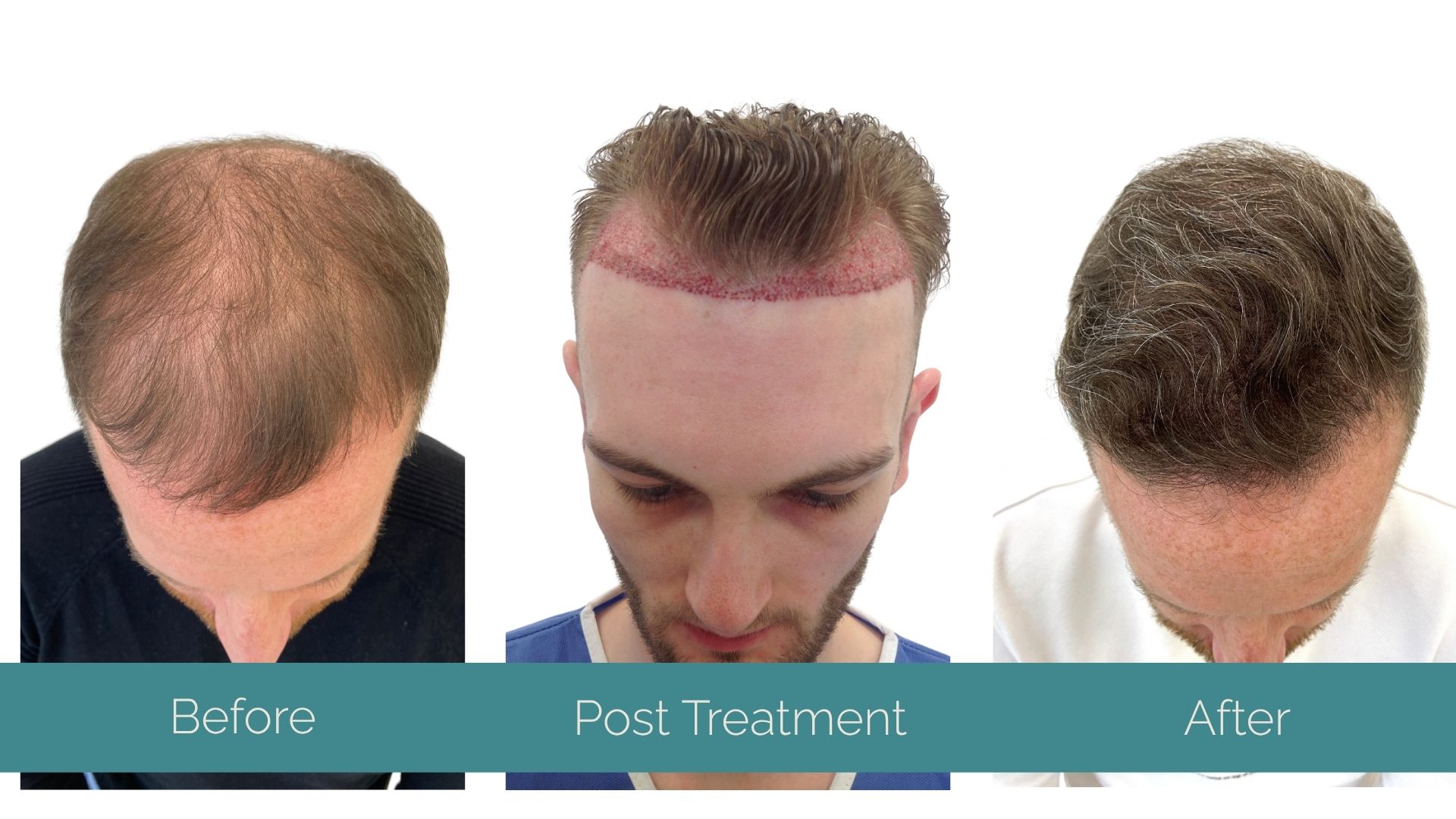
In men, the condition often begins with recession at the temples, thinning at the crown or both. The hairline may move backwards while the crown becomes more visible. In advanced cases, the areas can meet, leaving stronger hair mainly around the sides and back.
Progression varies. Some men develop a mature but stable hairline, while others lose density over many years. Family history can support the diagnosis, but inheritance is complex and an absence of obvious loss among close relatives does not rule it out.
Female Pattern Hair Loss
In women, androgenetic alopecia usually causes diffuse thinning over the top and crown, a wider central parting and reduced volume. The frontal hairline often remains relatively preserved.
It can begin earlier in adulthood but commonly becomes more noticeable around and after menopause. When thinning occurs with irregular periods, acne, increased facial hair or fertility difficulties, investigation for hormonal imbalance or polycystic ovary syndrome may be appropriate.
Because it often appears as reduced fullness rather than a defined patch, female pattern loss can be difficult to recognise in its early stages.
How Pattern Hair Loss Is Diagnosed
The distribution and history may support a working diagnosis. Trichoscopy can show variation in shaft diameter and miniaturised hairs. Blood tests may be considered when iron deficiency, thyroid dysfunction or hormonal disturbance is possible.
A biopsy is not usually required for straightforward pattern loss, but it can help when the presentation is unusual or scarring must be excluded.
Pattern loss should also be separated from telogen effluvium. The former is a miniaturisation process, while the latter mainly increases shedding. Both may occur together.
Why Treatment Must Be Tailored
Suitable patients may consider topical minoxidil and, in some men, prescribed finasteride. Other medicines may be used selectively. Side effects, contraindications, pregnancy considerations and the need for continued use should be discussed.
PRP may improve density or thickness in some people with functioning follicles, but protocols vary and results are not guaranteed.
Hair transplantation may be considered when the pattern is established and the donor area is suitable. It redistributes existing follicles but does not stop untreated native hair from continuing to miniaturise, making long-term planning essential.
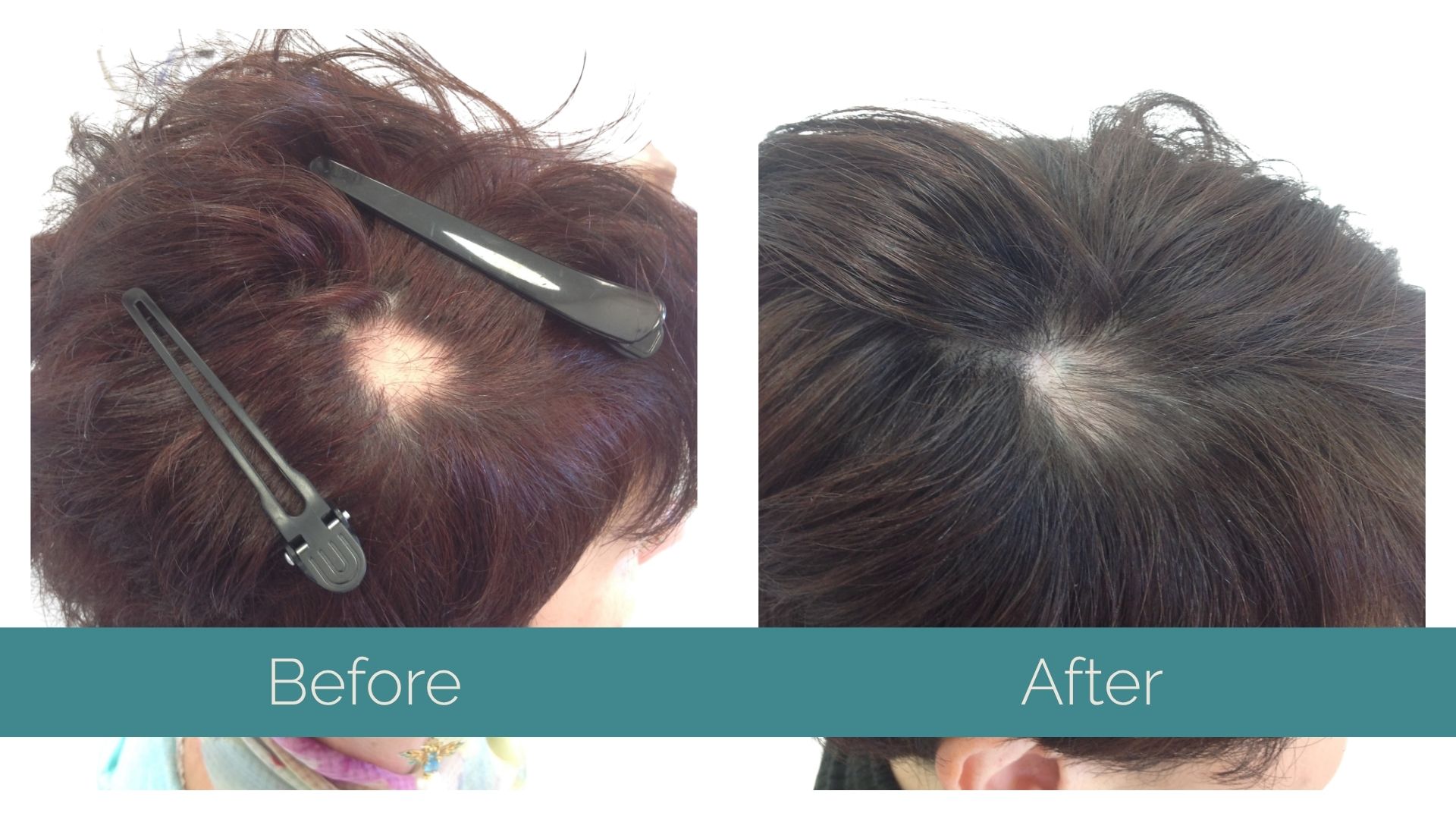
Alopecia Areata: Autoimmune, Patchy and Unpredictable
Alopecia areata is an autoimmune condition in which immune activity disrupts normal follicle function.
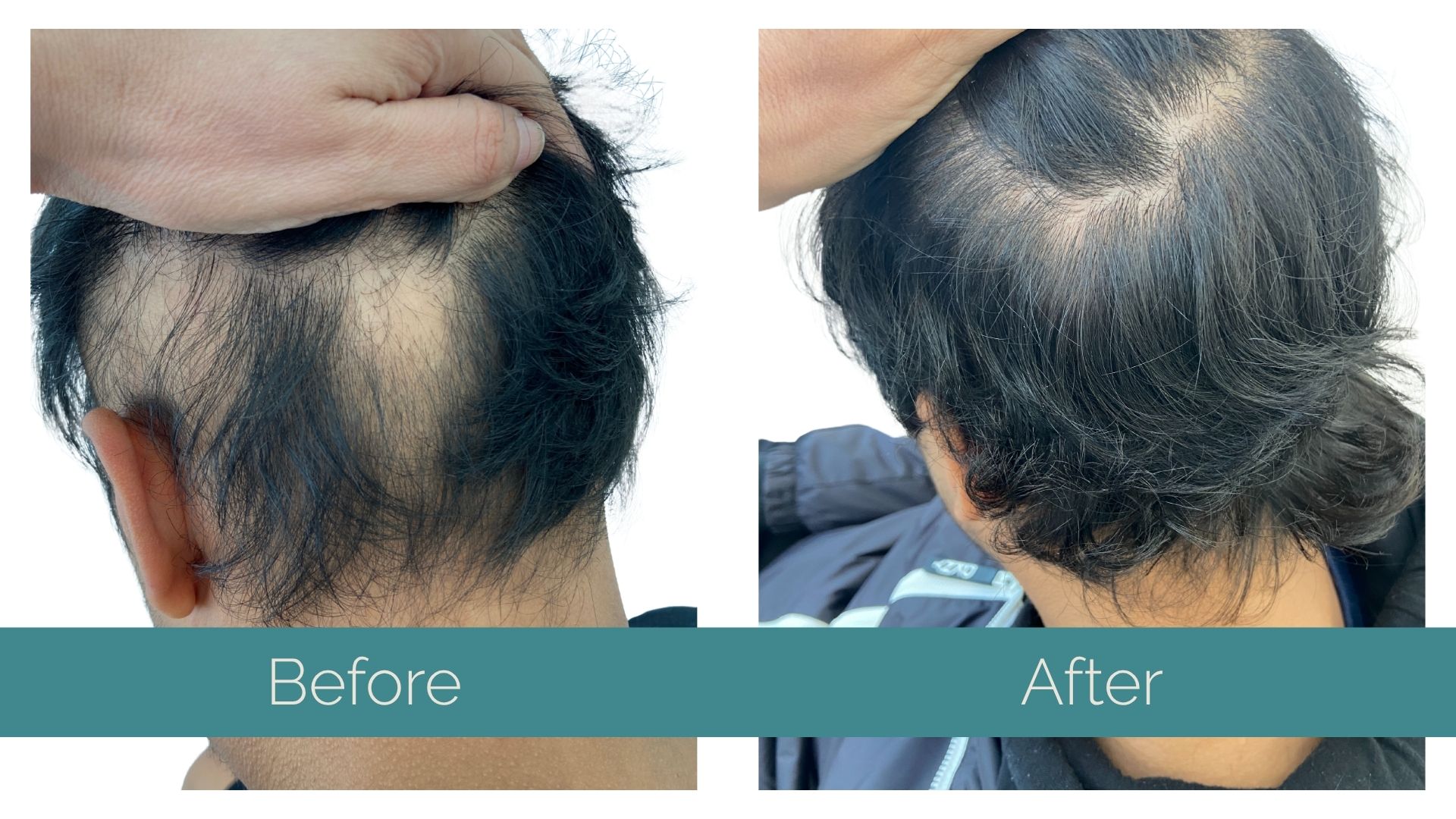
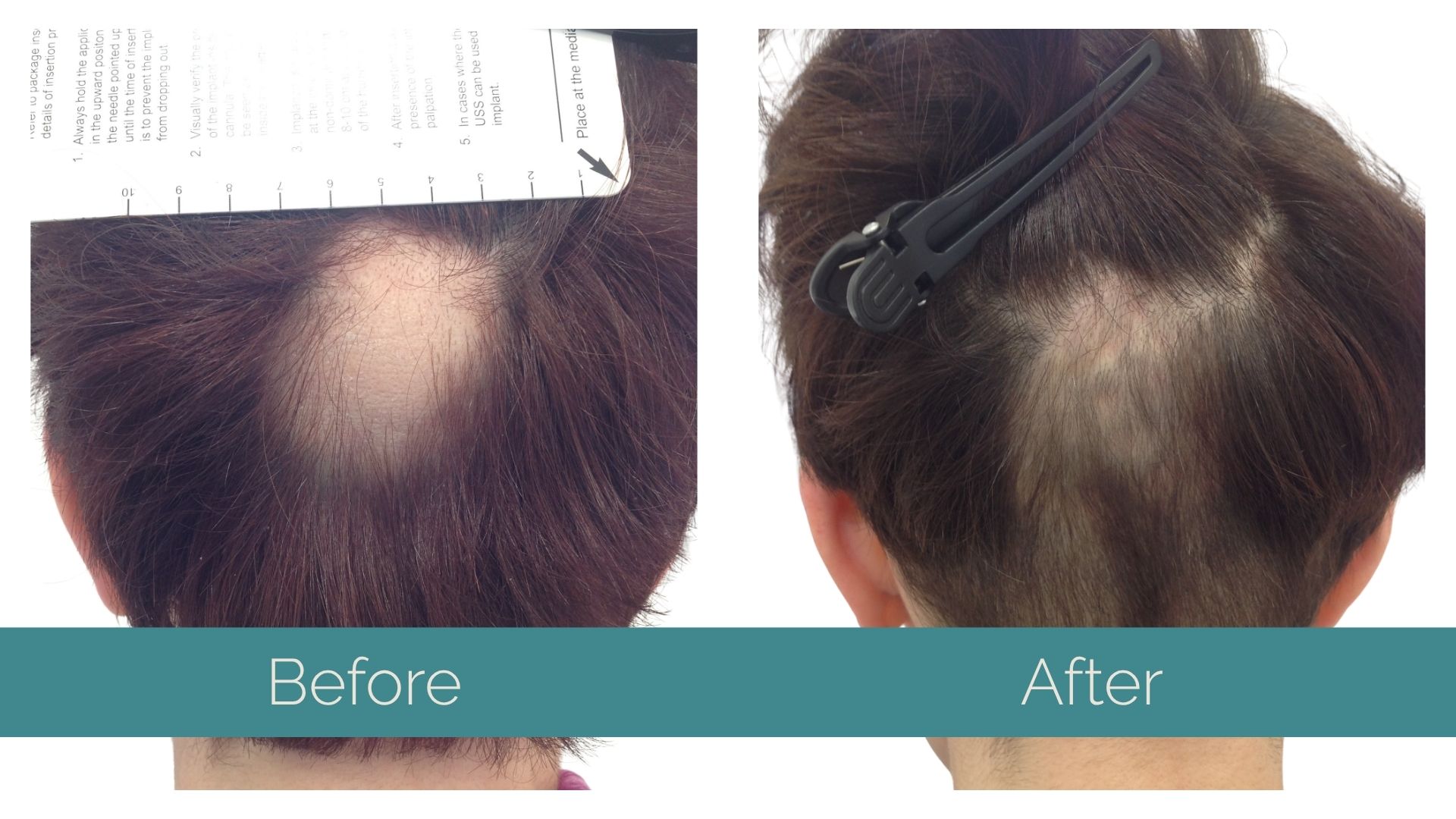
It most often causes smooth, round or oval patches and may affect the scalp, beard, eyebrows or eyelashes. It occurs in children and adults, and some people develop nail pitting or ridging.
More extensive forms include alopecia totalis, affecting all or nearly all scalp hair, and alopecia universalis, affecting scalp, facial and body hair.
Why the Course Is Difficult to Predict
Hair may regrow without treatment, remain absent, return after regrowth or appear in new areas. A small patch does not automatically mean the condition will spread, but appearance alone cannot predict its future course.
Alopecia areata is not caused by poor hair care and should not be reduced to stress. It is immune-mediated and may occur alongside other autoimmune disorders. Some people report stress around onset or recurrence, but many have no identifiable trigger.
How Alopecia Areata Is Assessed
Assessment considers the smooth patch pattern, broken or tapering hairs, nail changes and the presence of scale or inflammation. Trichoscopy may support the diagnosis and help assess activity.
Blood tests are selected when symptoms suggest an associated thyroid, nutritional or autoimmune issue. A biopsy may be needed if the diagnosis is uncertain or scarring is possible.
In children, fungal infection must be considered when patches include scale, broken hairs or inflammation because tinea capitis requires antifungal treatment.
Treatment Depends on Severity and Impact
Limited alopecia areata may regrow spontaneously. Depending on age and severity, treatment may include topical or injected corticosteroids, contact immunotherapy or other specialist options.
NICE recommends ritlecitinib within its marketing authorisation for severe alopecia areata in people aged 12 and over. It requires specialist screening and monitoring and is not a general treatment for other alopecia types.
Small studies have explored PRP, but current British Association of Dermatologists guidance finds insufficient evidence to recommend it as an established treatment for alopecia areata.
Hair transplantation is not a first response to active disease. Any later consideration requires specialist confirmation of long-term stability and discussion of recurrence risk.
Telogen Effluvium: A Disrupted Hair-Growth Cycle
Telogen effluvium is a common form of diffuse, non-scarring shedding. It occurs when more follicles than usual move into the resting phase of the growth cycle.
Shedding often becomes noticeable two to three months after a trigger, making the connection easy to miss. Possible triggers include childbirth, fever, illness, surgery, rapid weight loss, restrictive dieting, severe emotional stress, nutritional deficiency, medication changes and endocrine disorders.
What Telogen Effluvium Looks Like
The loss is usually spread across the scalp rather than forming one defined patch. People may notice more hair during washing or brushing and a reduction in overall volume. The scalp generally appears normal and follicular openings remain visible.
Acute cases often improve once the trigger resolves, but density takes time to recover because follicles must restart growth and produce sufficient length.
Persistent or repeated shedding needs reassessment, especially when the trigger remains active or pattern hair loss may be present as well.
Why Investigation Should Be Selective
When no clear trigger is found, a GP or dermatologist may consider a full blood count, iron studies or thyroid testing based on the history. Testing every nutrient without clinical reasoning is not always useful, and high-dose supplements can cause side effects when no deficiency exists.
Management usually focuses on correcting the trigger where possible, supporting adequate nutrition and allowing the cycle to recover. PRP, minoxidil or surgery should not replace investigation, and transplantation is not a treatment for an acute diffuse shed.
Traction Alopecia: Hair Loss From Repeated Pulling
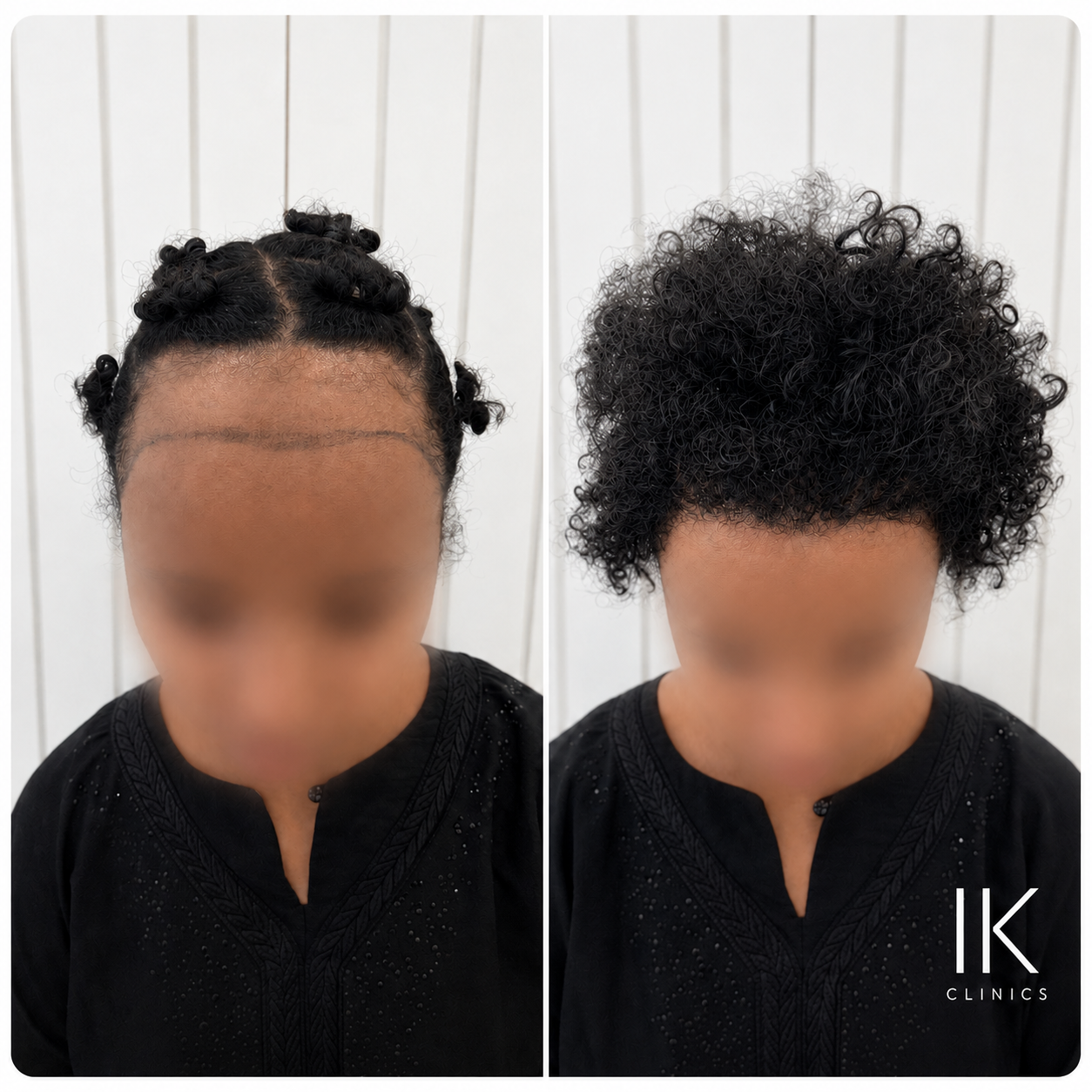
Traction alopecia develops when repeated or prolonged tension is placed on the hair. Tight braids, cornrows, ponytails, buns, weaves, extensions, locks, clips and tightly secured head coverings can contribute when the same follicles are repeatedly loaded.
The pattern reflects where force is greatest, commonly around the temples, frontal hairline, sides or nape.
The condition can affect any hair type. Discussing it is not about criticising cultural or protective styles, but about recognising tension, weight, discomfort and duration as risk factors.
Early Traction May Be Reversible
Early signs include tenderness after styling, small bumps, redness, broken hairs and thinning in high-tension areas. When tension is reduced early, follicles may recover.
Looser styling, lighter extensions, less frequent high-tension styles and recovery time between installations may help. A hairstyle causing ongoing soreness, headaches or strong pulling is placing excessive stress on the scalp.
Long-Standing Traction Can Become Scarring
Continued pulling can permanently damage follicles. The area may become smoother and follicular openings may disappear.
Changing the style can prevent further damage but may not restore destroyed follicles. PRP cannot recreate follicles replaced by scar tissue. Transplantation may be possible in selected stable cases after the cause has stopped, but surgery cannot replace prevention.
Scarring Alopecia: Why Early Recognition Matters
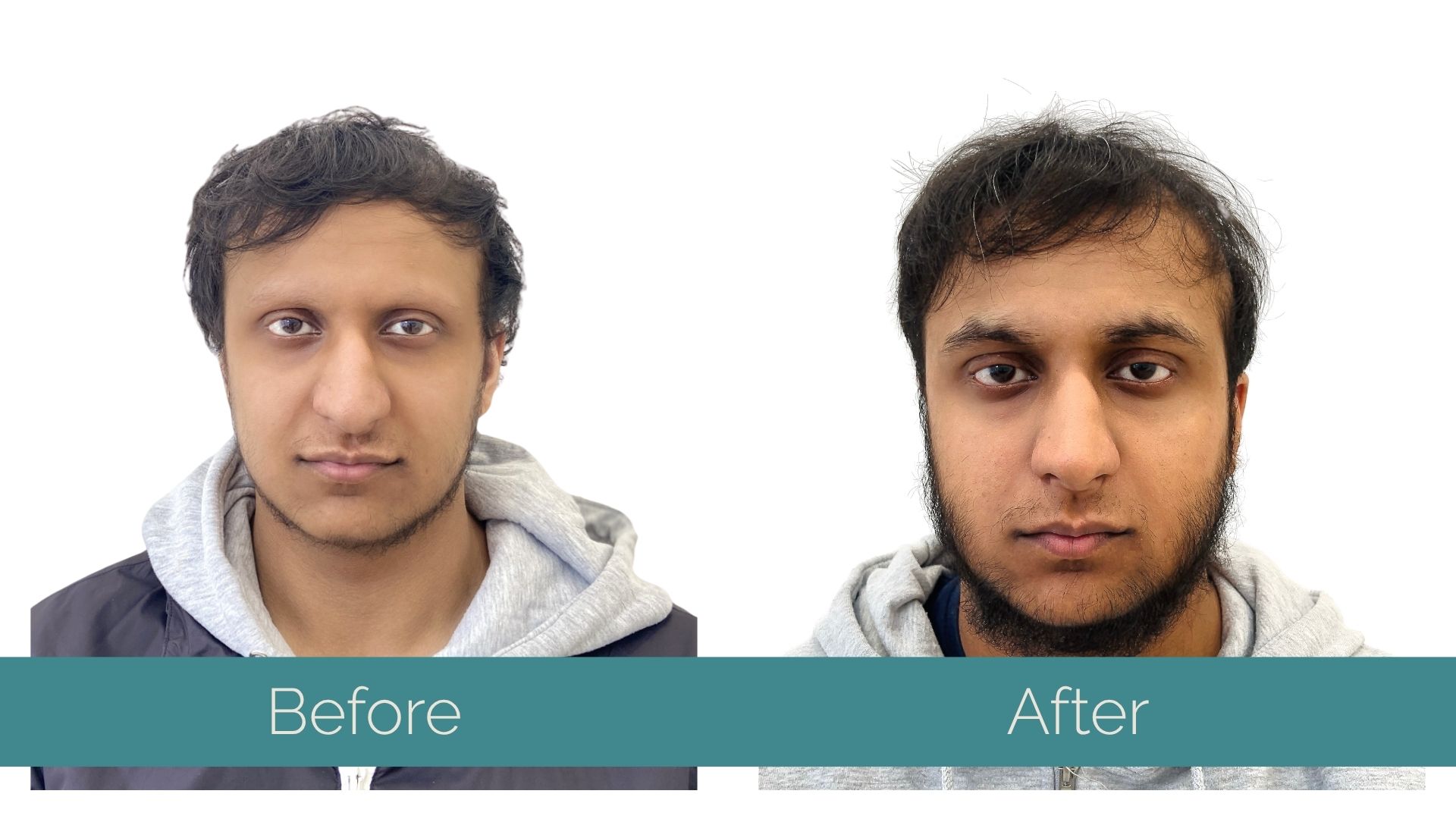
Scarring alopecia is a group of conditions in which inflammation destroys follicles and replaces them with scar tissue. Examples include lichen planopilaris, frontal fibrosing alopecia, central centrifugal cicatricial alopecia and folliculitis decalvans. Scarring can also follow burns, injury, radiotherapy or severe infection.
Destroyed follicles cannot regrow. Treatment therefore focuses on identifying the condition, suppressing inflammation and preserving remaining hair.
Warning Signs of Possible Scarring
Possible features include burning, pain, tenderness, redness, scale around follicles, pustules, crusting and smooth or shiny areas where follicular openings are absent. Eyebrow loss with frontal recession or central thinning that spreads outwards can also be relevant.
Symptoms may be mild or absent, so a lack of pain does not prove that the condition is harmless.
Central Centrifugal Cicatricial Alopecia
CCCA usually begins around the crown or central scalp and spreads outwards. It is seen most often in Black women, although it is not restricted to one group.
Itching, tenderness, burning and breakage may occur, but some people notice only gradual thinning. CCCA can resemble female pattern loss, traction or ordinary breakage, and a biopsy may be needed.
Medical control and stability should come before cosmetic restoration.
Lichen Planopilaris and Frontal Fibrosing Alopecia
Lichen planopilaris can cause irregular scarring areas with redness or scale around follicles. Frontal fibrosing alopecia often produces a band-like recession of the frontal or temporal hairline, sometimes with eyebrow loss.
Both require dermatological management, and biopsy is often used when confirmation is needed.
Why Cosmetic Treatment Must Wait
Injecting or transplanting into an actively inflamed scalp does not treat the disease. Surgery may fail, trigger activity or be overtaken by continuing progression.
Transplantation may sometimes be considered after a long period of stability, but expectations must remain cautious. Early diagnosis is more important because it may preserve follicles that are still viable.
Other Conditions That Can Resemble Alopecia
Several conditions can imitate common alopecia patterns or occur alongside them.
Infection and Hair-Pulling Disorders
Tinea capitis can cause scale, broken hairs, black dots and patchy loss, particularly in children. It usually requires prescribed oral antifungal medicine.
Trichotillomania is a hair-pulling disorder that may produce irregular patches containing hairs of different lengths. It differs from traction alopecia, which is caused by an external hairstyle or repeated mechanical force.
A compassionate approach is essential, and psychological or behavioural support may be appropriate.
Treatment-Related and Medical Causes
Anagen effluvium is rapid loss of actively growing hairs, classically associated with some chemotherapy medicines or toxic exposures.
Iron deficiency, thyroid disease, major nutritional restriction and systemic illness can contribute to diffuse shedding. Postpartum loss is common and often temporary, but severe or persistent shedding should not automatically be attributed to childbirth.
Some medicines can affect the growth cycle or hair shaft. The timing between a medication change and the onset of loss may provide a clue, but prescribed medicine should not be stopped without speaking to the prescriber.
Breakage and Scalp Conditions
Chemical processing, heat, friction and weathering can snap hair shafts without causing true follicular alopecia. Psoriasis, seborrhoeic dermatitis and other scalp disorders may also increase shedding or breakage.
These possibilities show why photographs alone are unreliable. An image cannot reveal the history, timing, symptoms, styling practices or microscopic findings needed to explain the change.
Why Self-Diagnosis Can Lead to the Wrong Treatment
People often self-diagnose for understandable reasons. Hair loss is visible and distressing, appointments may take time and online content offers immediate explanations.
The problem is that many forms of alopecia share similar surface features. Diffuse thinning could reflect female pattern hair loss, telogen effluvium, diffuse alopecia areata, nutritional deficiency or early scarring disease.
A receding hairline could represent androgenetic alopecia, traction alopecia, frontal fibrosing alopecia or a combination. A patch could be alopecia areata, fungal infection, trichotillomania, traction or scarring.
Self-diagnosis can delay treatment for infection or active inflammation. It can also result in anaemia, thyroid disease or hormonal problems being missed. People may spend heavily on products, supplements or procedures that do not address the cause, then become more anxious when those treatments fail.
A diagnosis also provides a more realistic understanding of the likely course.
Temporary shedding may need time rather than surgery. Alopecia areata may return after regrowth. Scarring disease changes the priority from adding density to protecting the follicles that remain.
What a Professional Hair-Loss Assessment May Involve
There is no single investigation called an alopecia test. Assessment usually combines medical history, scalp examination and selected investigations that are likely to influence the plan.
A Detailed History
The clinician may ask when the change began, whether it was sudden or gradual and whether shedding, thinning, breakage or patches appeared first.
Previous episodes, family history, illness, fever, surgery, childbirth, weight loss, restrictive dieting and major stress may be relevant. Hormonal symptoms, medicines, supplements, styling practices and chemical treatments also matter.
Scalp pain, burning, itching, scale or pustules can help distinguish uncomplicated pattern loss from inflammatory or infectious conditions. Eyebrow, eyelash, nail and body-hair changes may provide further clues.
Examination and Trichoscopy
The clinician may compare the frontal, crown, temporal and donor areas while looking for miniaturisation, breakage, inflammation, pustules, scarring and preserved follicular openings.
Trichoscopy magnifies the hair and scalp. It can support recognition of pattern miniaturisation, alopecia areata activity, traction-related changes and scarring inflammation. It supports rather than replaces clinical judgement.
Tests, Biopsy and Monitoring
A hair-pull test may help assess active shedding, although washing and technique affect the result. Blood tests may assess a full blood count, iron status, thyroid function or hormones when the history supports them.
A scalp biopsy may be recommended when scarring is suspected or diagnoses are difficult to separate. The sample is usually taken from an active area.
Standardised photographs and repeat trichoscopy can distinguish genuine progression from differences caused by lighting, styling or wash cycle. Monitoring is useful when immediate treatment is unnecessary or response will take several months to assess.
When to Speak to a GP or Dermatologist
Medical assessment should take priority over cosmetic treatment when hair loss is sudden, rapid, extensive or affecting a child.
A GP or dermatologist should also be consulted when there is scalp pain, burning, marked inflammation, heavy scale, crusting, pustules or discharge. Smooth or shiny areas where follicular openings appear to be missing may suggest scarring and should not be ignored.
Eyebrow, eyelash or body-hair loss can be relevant, especially when it appears alongside scalp changes. Medical advice is also appropriate when bald patches are spreading, several patches are appearing or the change follows a new medicine.
Associated symptoms suggesting anaemia, thyroid disturbance, hormonal imbalance or systemic illness should be discussed with a healthcare professional. Referral may be needed when the diagnosis remains uncertain or treatment does not behave as expected.
The emotional effect matters too. Severe distress, social withdrawal, depression or thoughts of self-harm require proper support and should never be dismissed as a cosmetic concern.
Why Treatment Suitability Depends on Diagnosis
Hair-loss treatments are not interchangeable. Each targets a particular mechanism and has its own limitations, risks and suitable patient group.
Treating the Cause First
Telogen effluvium may require correction of a trigger or confirmed deficiency. Traction alopecia requires tension to stop. Fungal infection needs antifungal medicine. Active scarring alopecia requires medical control of inflammation.
Growth-focused treatment cannot work properly while the underlying cause continues unchecked.
Medicines for Pattern Hair Loss and Alopecia Areata
Minoxidil may support some cases of male and female pattern loss, while finasteride is a prescription option for suitable men. Side effects, pregnancy considerations and the likely need for continued use should be discussed.
Alopecia areata treatment targets autoimmune activity and depends on age, extent, duration and health. NICE’s recommendation for ritlecitinib applies to severe alopecia areata in people aged 12 and over, not to other alopecia types.
Where PRP May Fit
PRP uses platelets prepared from the patient’s blood and injected into the scalp. Research is most supportive, although still variable, for androgenetic alopecia where functioning follicles remain.
Protocols differ, outcomes cannot be guaranteed and PRP cannot create follicles in scar tissue. Current British Association of Dermatologists guidance also finds insufficient evidence to recommend it as an established alopecia areata treatment.
Where Hair Transplantation May Fit
A transplant moves a finite number of suitable follicles from a donor area to a recipient area. It may suit selected people with established pattern loss, stable traction-related loss, some scars and other carefully assessed stable conditions.
It does not stop untreated native hair from progressing and cannot provide unlimited density. Unexplained, rapidly changing or inflamed loss is generally unsuitable for immediate surgery. Autoimmune and scarring conditions require particular caution and may need prolonged stability first.
Cosmetic and Supportive Choices
Wigs, toppers, fibres, scalp camouflage and styling changes can provide immediate support and are not lesser choices.
A realistic plan may combine medical care, restoration treatment, cosmetic support and emotional support, or involve watchful waiting when immediate intervention is unnecessary.
Patient Decision-Making: What to Discuss During a Consultation
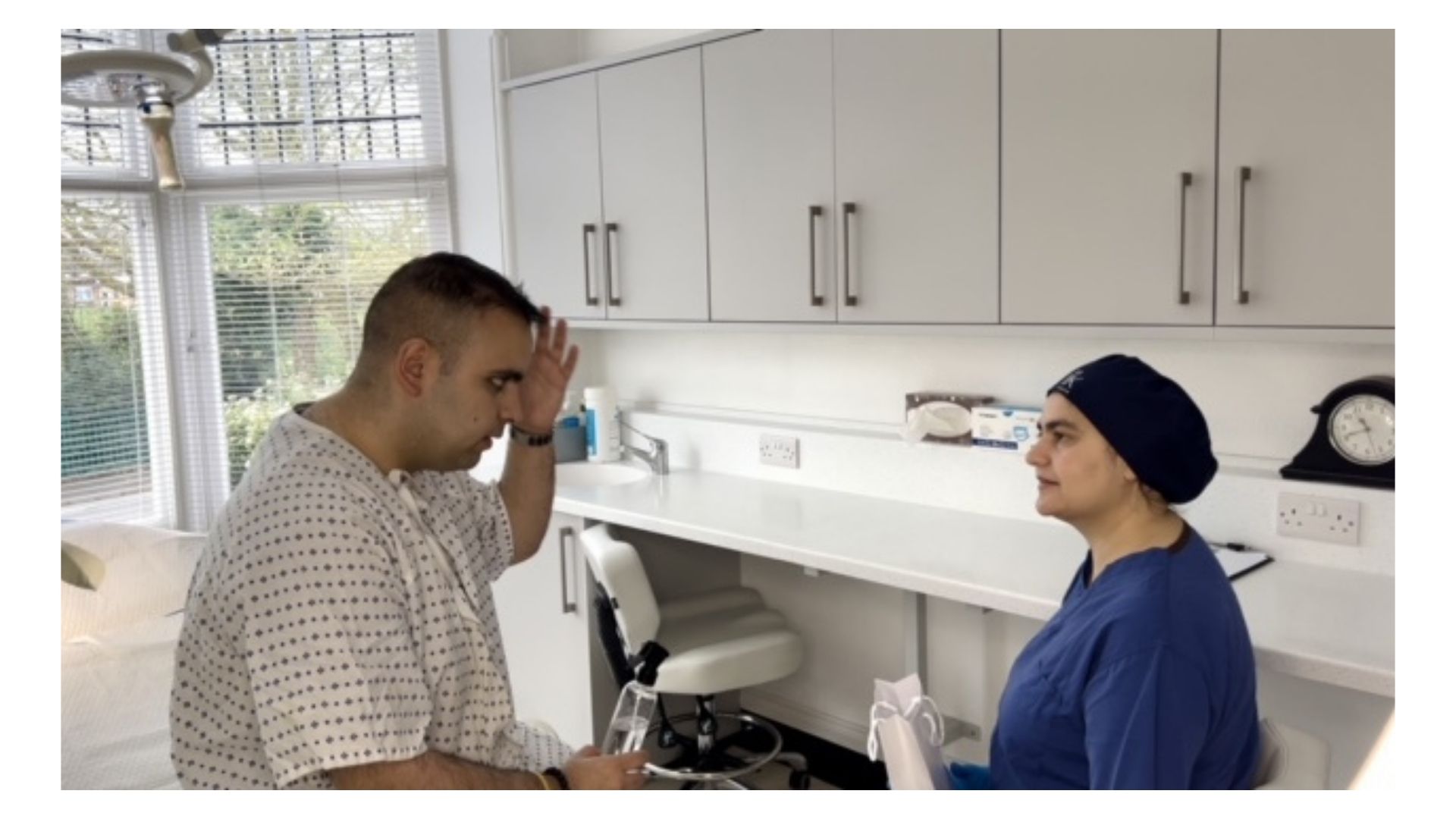
A useful consultation should provide a clearer understanding of the condition, not simply a treatment quotation.
Understanding the Diagnosis and Likely Course
Patients should be able to ask what diagnosis best explains the pattern, which findings support it and whether the loss is scarring or non-scarring. They should understand whether follicles remain viable, whether more than one condition may be present and whether GP or dermatology input is needed.
The likely course should also be discussed. Is the condition expected to be temporary, recurrent or progressive? What can realistically be stabilised or restored, and how long will meaningful change take to assess?
Understanding the Treatment
The mechanism and evidence behind any proposed treatment should be explained. Patients should know whether it is licensed, off-label, guideline-supported or experimental, alongside its side effects, contraindications, alternatives and maintenance requirements.
When PRP or surgery is considered, the clinician should explain why it suits the diagnosis and how response will be measured. For transplantation, stability, donor quality and future loss must be addressed, along with who performs treatment and what follow-up is included.
A trustworthy answer may be that treatment should not happen yet, more information is needed or dermatology is more appropriate. In diagnosis-led care, caution often protects the patient from an unsuitable intervention.
The Emotional Impact of Alopecia
Hair loss can affect identity, confidence, relationships, work and participation in everyday situations. Some people avoid photographs, swimming, hairdressers or social events, while others repeatedly inspect their scalp or count shed hairs.
Being told that the issue is only cosmetic can intensify distress. Alopecia UK highlights the value of peer support, support groups and talking therapy. Some people want practical coping strategies, while others need counselling or help adjusting to changes in appearance.
Wigs, hairpieces, scarves and cosmetic camouflage may help, while some people prefer not to conceal their loss. Both choices are valid. Reducing repeated checking and photographing may also help when those behaviours increase anxiety.
Support should not depend on regrowth. A person can pursue treatment while also developing confidence and practical coping strategies.
Anyone experiencing severe depression, feeling unable to cope or having thoughts of self-harm should seek urgent support through their GP, NHS 111, an urgent mental-health service or emergency services.
Where IK Clinics Fits
IK Clinics in Leicester provides doctor-led hair-restoration consultations and treatments including PRP and hair transplantation.
Its role should begin with understanding what the patient is seeing, examining the scalp and pattern, discussing goals and deciding whether restoration treatment may be suitable.
Trichoscopy and standardised photography can document density, miniaturisation, donor quality and change over time. They do not replace GP or dermatology investigation when autoimmune, infectious, systemic or scarring disease is suspected.
For likely androgenetic alopecia with viable follicles, consultation may include non-surgical support, PRP, maintenance and whether transplantation is appropriate now or later. For traction-related loss, reducing tension and assessing for scarring come first. Sudden patches, widespread shedding, inflammation or uncertainty may require medical referral rather than an immediate procedure.
IK Clinics should therefore be presented as part of a wider diagnosis-led pathway, not as the answer to every form of alopecia.
A responsible consultation may confirm suitability, recommend monitoring, suggest GP blood tests, advise dermatology assessment or explain why a requested treatment is unlikely to address the cause.
PRP cannot guarantee regrowth, and a transplant redistributes a finite donor supply without stopping ongoing disease.
Conclusion
Alopecia is not one disease, and no single treatment suits every person experiencing hair loss.
Androgenetic alopecia miniaturises follicles in recognisable patterns. Alopecia areata is autoimmune and may cause patchy or extensive loss. Telogen effluvium produces diffuse shedding after disruption to the growth cycle.
Traction alopecia follows repeated pulling and may become permanent. Scarring alopecias can destroy follicles, making early recognition particularly important.
The practical lesson is to identify the condition before choosing treatment. That may require medical history, scalp examination, trichoscopy, selected blood tests, monitoring or biopsy, sometimes involving a GP, dermatologist and hair-restoration clinician.
Diagnosis cannot remove every uncertainty, but it replaces guesswork with a safer plan. It clarifies whether the priority is controlling inflammation, correcting a trigger, supporting viable follicles, protecting remaining hair, considering restoration or allowing time for recovery.
Before starting medicine, supplements, PRP or surgery, the most important question remains: what type of alopecia are we actually treating?
Related Reading
- Alopecia Patients Given Hope
- What Are Some of the Different Types of Alopecia?
- How Much Hair Loss Is Normal?
- How to Diagnose Alopecia Areata and How PRP Can Help
- Understanding Donor Area Limits Before a Hair Transplant
References
- NHS. Hair loss. An overview of common causes of hair loss, available treatments and when to speak to a GP.
- British Association of Dermatologists. Male pattern hair loss, also known as androgenetic alopecia. Patient information leaflet, June 2024.
- British Association of Dermatologists. Female pattern hair loss, also known as androgenetic alopecia. Patient information leaflet, October 2024.
- British Association of Dermatologists. Alopecia areata. Patient information leaflet, April 2024.
- Harries, M.J. et al. British Association of Dermatologists living guideline for managing people with alopecia areata. British Journal of Dermatology, 2024.
- National Institute for Health and Care Excellence. Ritlecitinib for treating severe alopecia areata in people aged 12 years and over. Technology appraisal guidance TA958, published 27 March 2024.
- British Association of Dermatologists. Telogen effluvium. Patient information leaflet, October 2025.
- British Association of Dermatologists. Traction alopecia. Patient information leaflet.
- British Association of Dermatologists. Central centrifugal cicatricial alopecia. Patient information leaflet, May 2024.
- British Association of Dermatologists. Lichen planopilaris and Frontal fibrosing alopecia. Patient information on inflammatory and scarring forms of hair loss.
- Devjani, S. et al. Androgenetic Alopecia: Therapy Update. Review of established and emerging treatments for androgenetic alopecia, published in 2023.
- Zhang, X-X. et al. Platelet-Rich Plasma for Androgenetic Alopecia: A Systematic Review and Meta-Analysis. Published in 2023.
- Alopecia UK. Recommendations for psychological support for people with alopecia areata. Guidance on emotional wellbeing, professional support and support from people with lived experience.
- Alopecia UK. Talking therapy and counselling. Information on how talking therapies may help people manage the emotional impact of alopecia.
Disclaimer
This article is for general information and education only. It is not a diagnosis and does not replace an individual assessment by a GP, dermatologist or appropriately qualified healthcare professional.
Hair loss can have many causes, and treatment suitability, risks and likely outcomes vary between patients. Do not start, stop or change prescribed medicine or supplements solely on the basis of this article.
Seek medical advice for sudden, extensive, painful, inflamed or scarring hair loss, hair loss affecting a child, associated illness or symptoms, or significant emotional distress.
In an emergency or mental-health crisis, use the appropriate urgent NHS or emergency service.