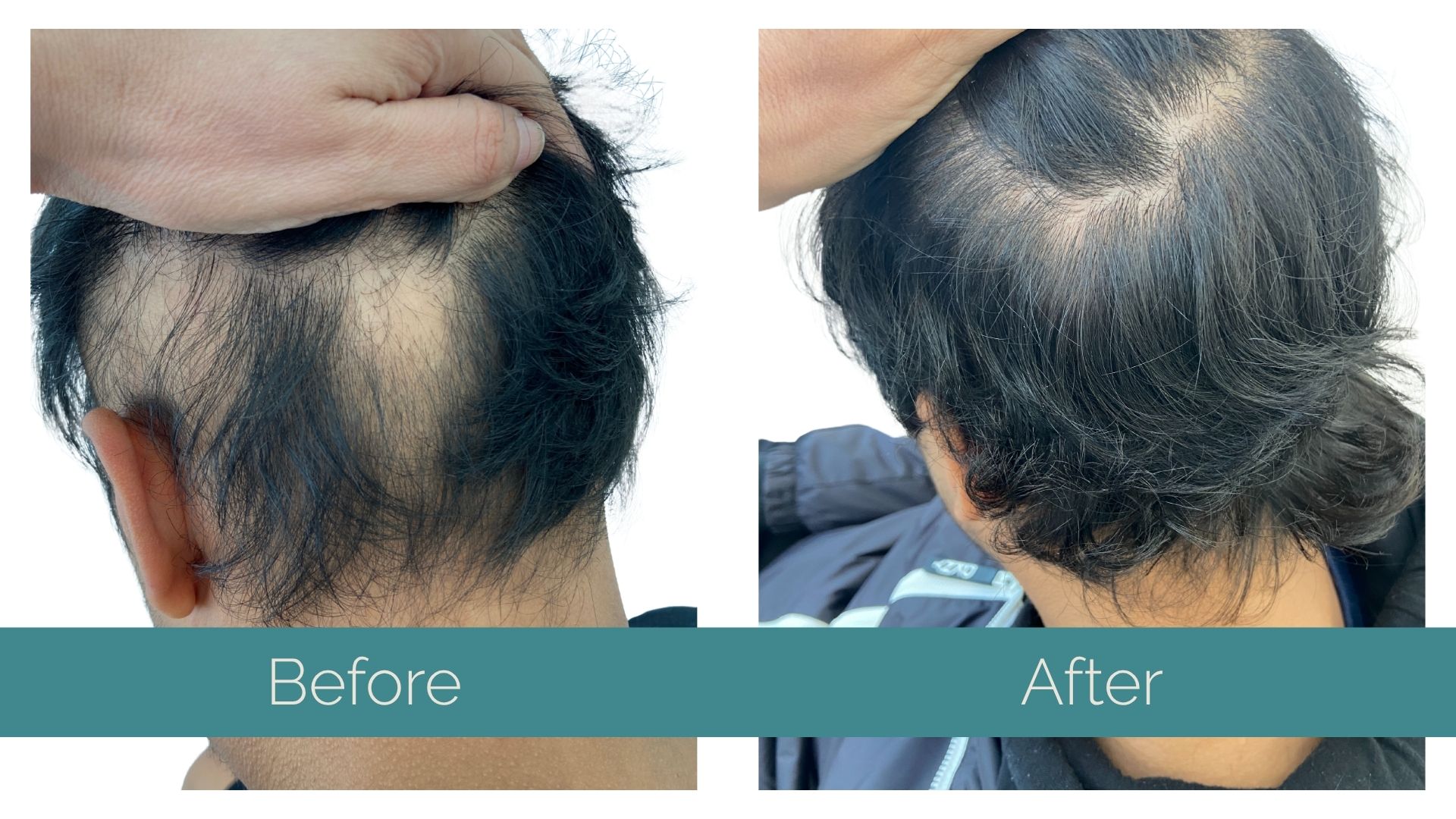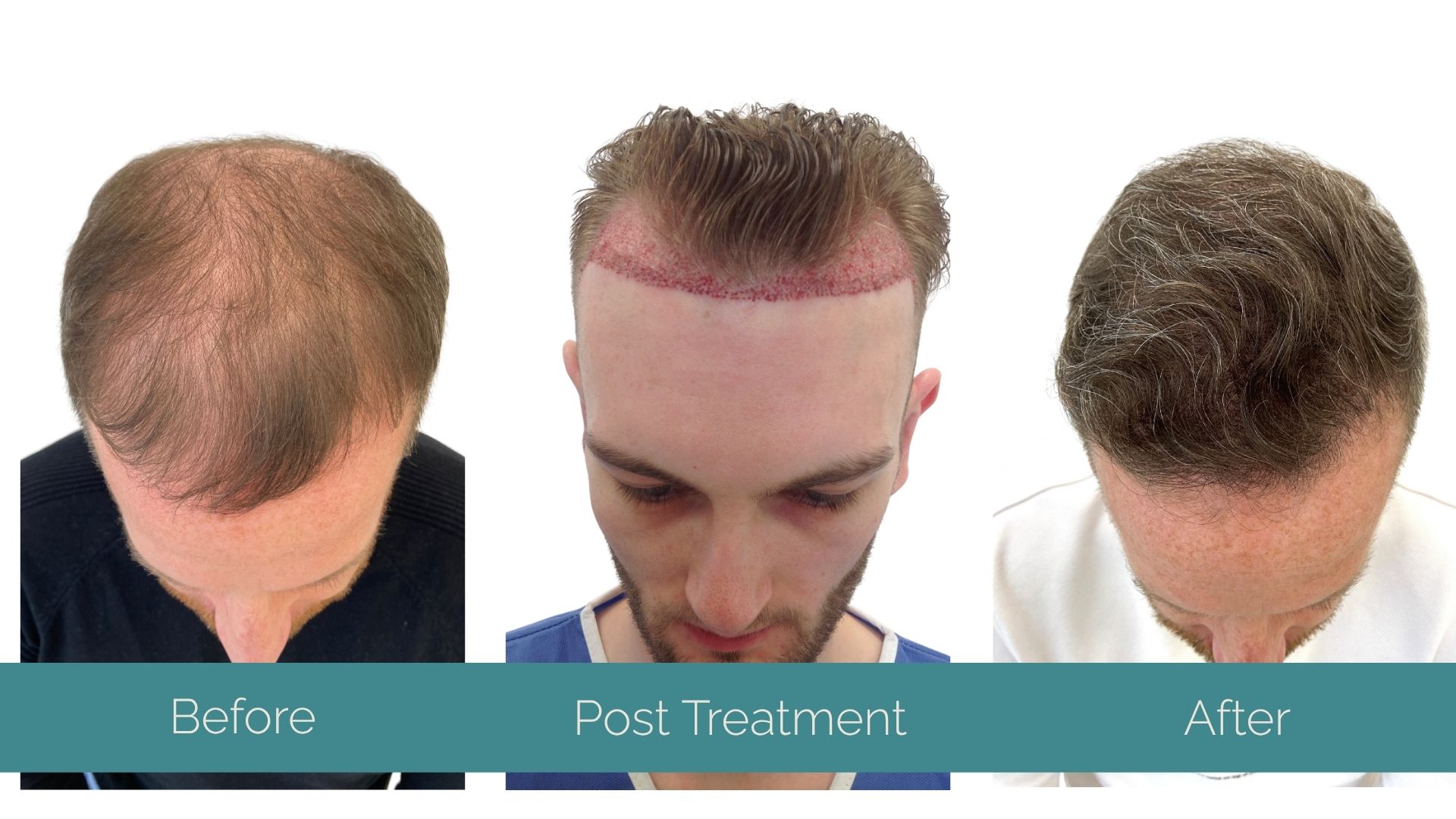
Two acronyms dominate conversations in clinics and on forums alike – FUE (Follicular Unit Extraction) and its ultra-refined evolution, Undetectable FUE (U-FUE). Both move hair one follicular unit at a time; both can look impressively natural. But U-FUE sets a more exacting brief: results so seamless that even a trained eye should struggle to spot the work.
This feature goes behind the jargon to explain where the methods overlap, where they diverge, and why U-FUE is offered by a relatively small cadre of surgeons worldwide – among them Dr Irum Khan of IK Clinics.
If you’re weighing up your options, consider this your field guide.
The Short Version
FUE is today’s standard bearer: minimally invasive, scar-sparing, and capable of highly natural outcomes.
U-FUE takes the same fundamentals and turns the dial towards maximal discretion – smaller instrumentation, more controlled extractions, meticulous graft placement, and hairline design that prioritises texture, direction and density patterns unique to you.
Think of U-FUE as haute couture to FUE’s ready-to-wear: the core garment is similar, but the tailoring is obsessive.
How FUE Works – And Why It’s Popular
Traditional FUE removes follicular units (tiny groupings of one to four hairs) from a “donor” zone, usually the back and sides, where hair is genetically more resilient. Surgeons use a circular punch to score around each unit, lift it from the scalp, and then implant the grafts into tiny recipient sites in thinning or balding areas.
Because the punches are small, they leave dot-like marks rather than a long linear scar; once healed and with reasonable hair coverage, those dots are difficult to see.
It’s easy to understand FUE’s appeal. It’s versatile for different hair types, avoids a strip scar, and offers a faster, more comfortable recovery than older methods. Keep the hair a touch longer at the back, and most people will never clock that you’ve had anything done.
What “Undetectable” Adds
U-FUE builds on that framework with the explicit goal of disappearing into your existing hair. The differences are not just about tools; they’re about philosophy.
U-FUE leans into micro-precision – often using smaller punch diameters and tighter quality control – so extraction points blend more readily as they heal. On the placement side, U-FUE treats the recipient area like a canvas: angles, curl orientation, micro-irregularities at the hairline, and gradient densities are all choreographed to mimic how native hair actually grows.
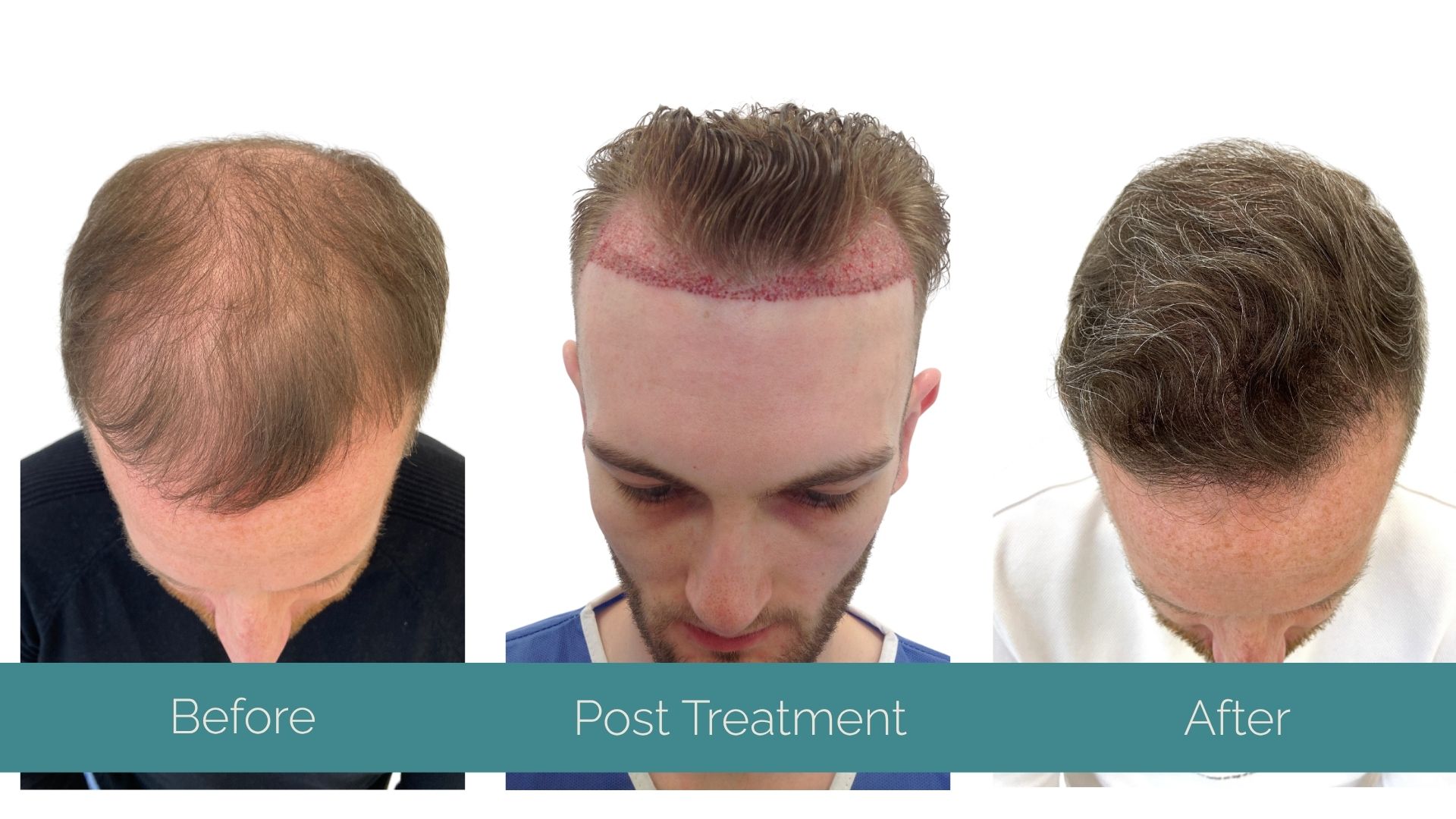
The net effect? Shorter hairstyles become more viable post-op, and close scrutiny – wet hair, harsh light, a barber’s mirror – should reveal little to nothing.
Tools, Tolerances and Trauma
If FUE is micro-surgery, U-FUE is micro-surgery with finer tolerances. Many U-FUE surgeons employ smaller punches (commonly in the ~0.6–0.8 mm range, compared with larger calibres often used in standard FUE).
Smaller is not automatically better; it needs the right patient, hair calibre and surgeon control. But in experienced hands, it can mean cleaner extractions, less disruption to surrounding tissue, and extraction sites that contract neatly as they heal.
Why does that matter? Less tissue trauma generally translates to less swelling, less scalp tenderness and a tidier donor “finish”. It can also help protect neighbouring follicles, preserving the donor zone for any future work.
The Art of an Honest Hairline
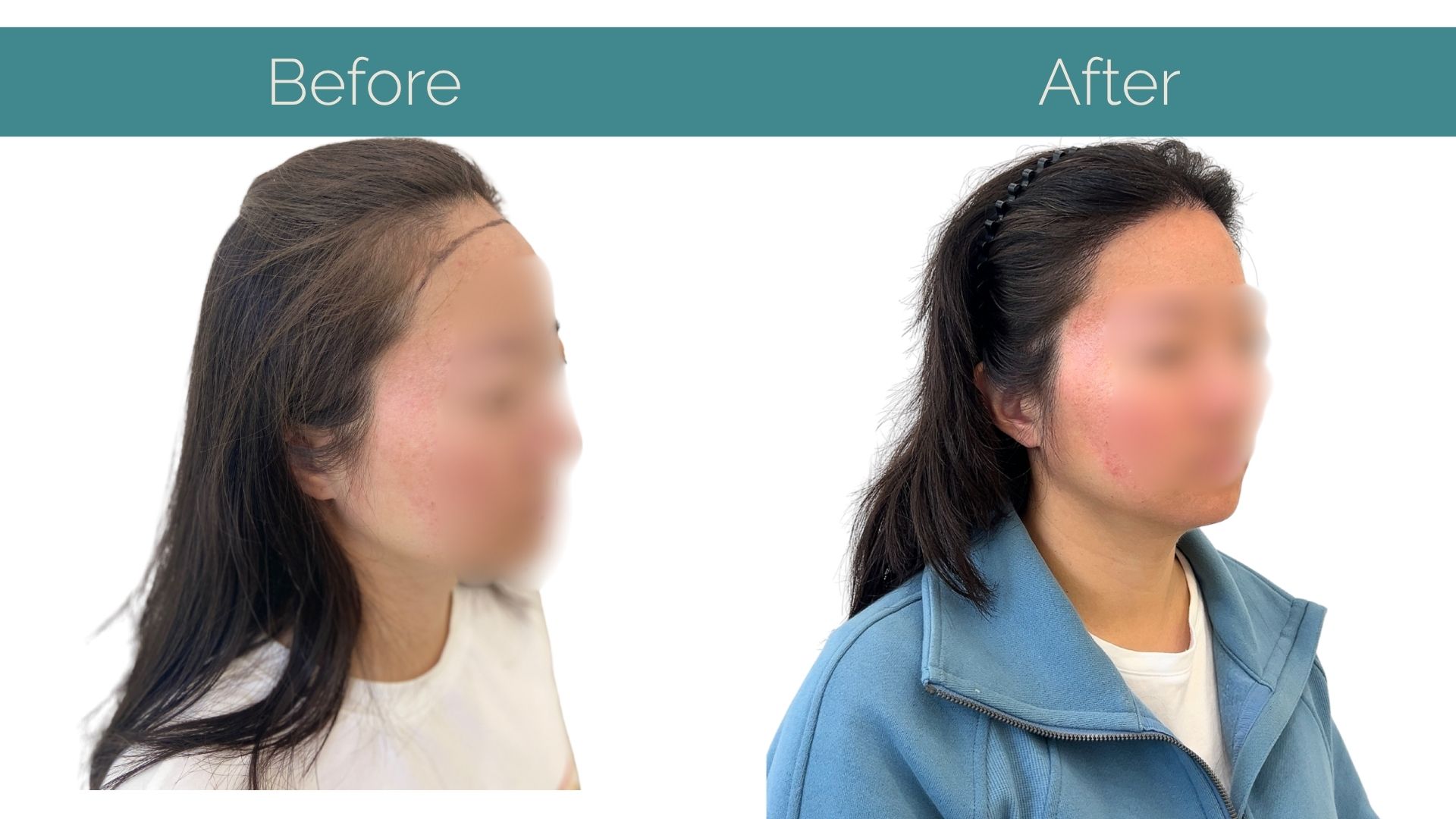
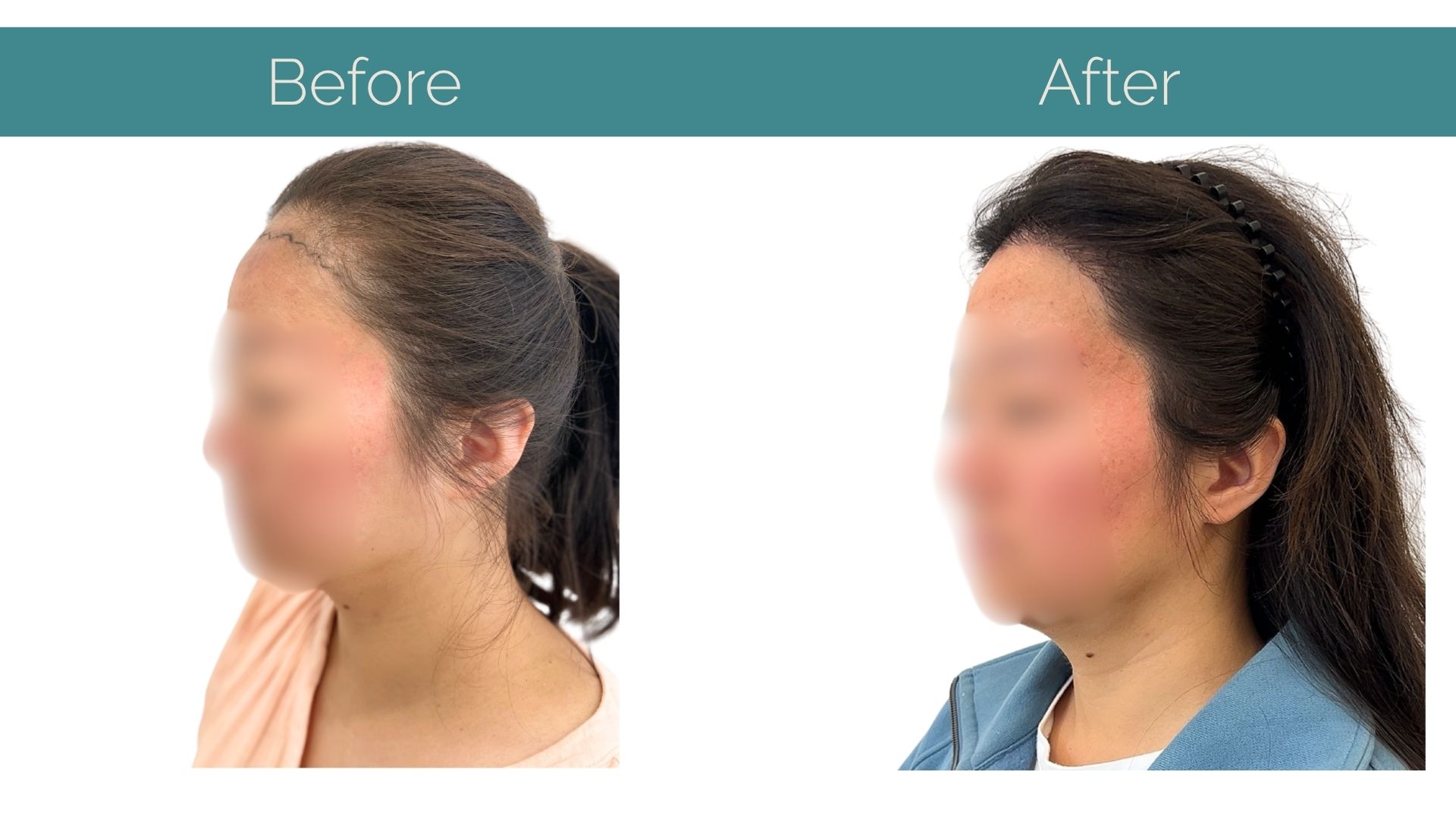
Great transplants aren’t just full; they’re believable. U-FUE pays particular attention to the hairline’s first few millimetres – the “transition zone” where density should feather in, single-hair grafts should predominate, and direction changes should feel organic.
Micro-irregularities (tiny, natural-looking notches and curves) are introduced so the outline never reads as ruler-straight. The crown whorl, with its spiral of changing directions, gets the same treatment: angles and spacing follow your natural geometry rather than a generic pattern.
Standard FUE can absolutely achieve natural results, but U-FUE enshrines this artistry as the central mission, not a nice-to-have.
Scarring and Hairstyle Freedom
Both techniques leave small dot scars in the donor region; that’s simply how skin heals. The difference with U-FUE is how inconspicuous those dots can be when smaller-calibre punches and careful spacing are used.
If you favour very short back-and-sides, that incremental improvement becomes meaningful. Many patients choose U-FUE specifically to protect their freedom to buzz down later without telegraphing a procedure.
Recovery, Downtime and Aftercare
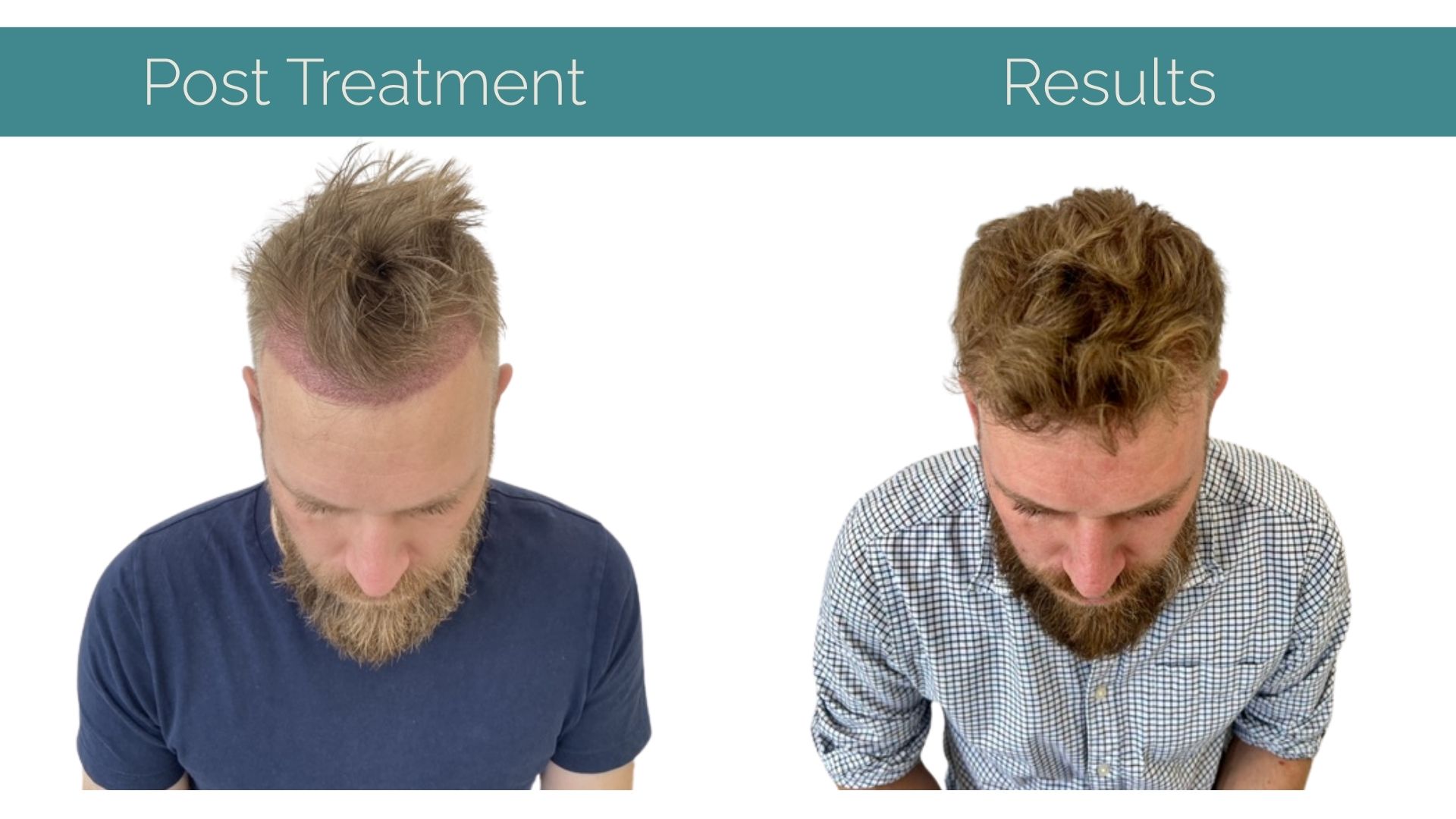
Expect broadly similar timelines: tiny scabs for around a week, recipient-area redness that settles over days to weeks depending on skin tone, and transplanted hairs that shed before re-growing from the fourth month onwards.
Where U-FUE can feel different is comfort and cosmesis during the early healing window – smaller, tidier extractions may mean fewer red pinpoints and less post-op fuss, particularly for patients with sensitive skin.
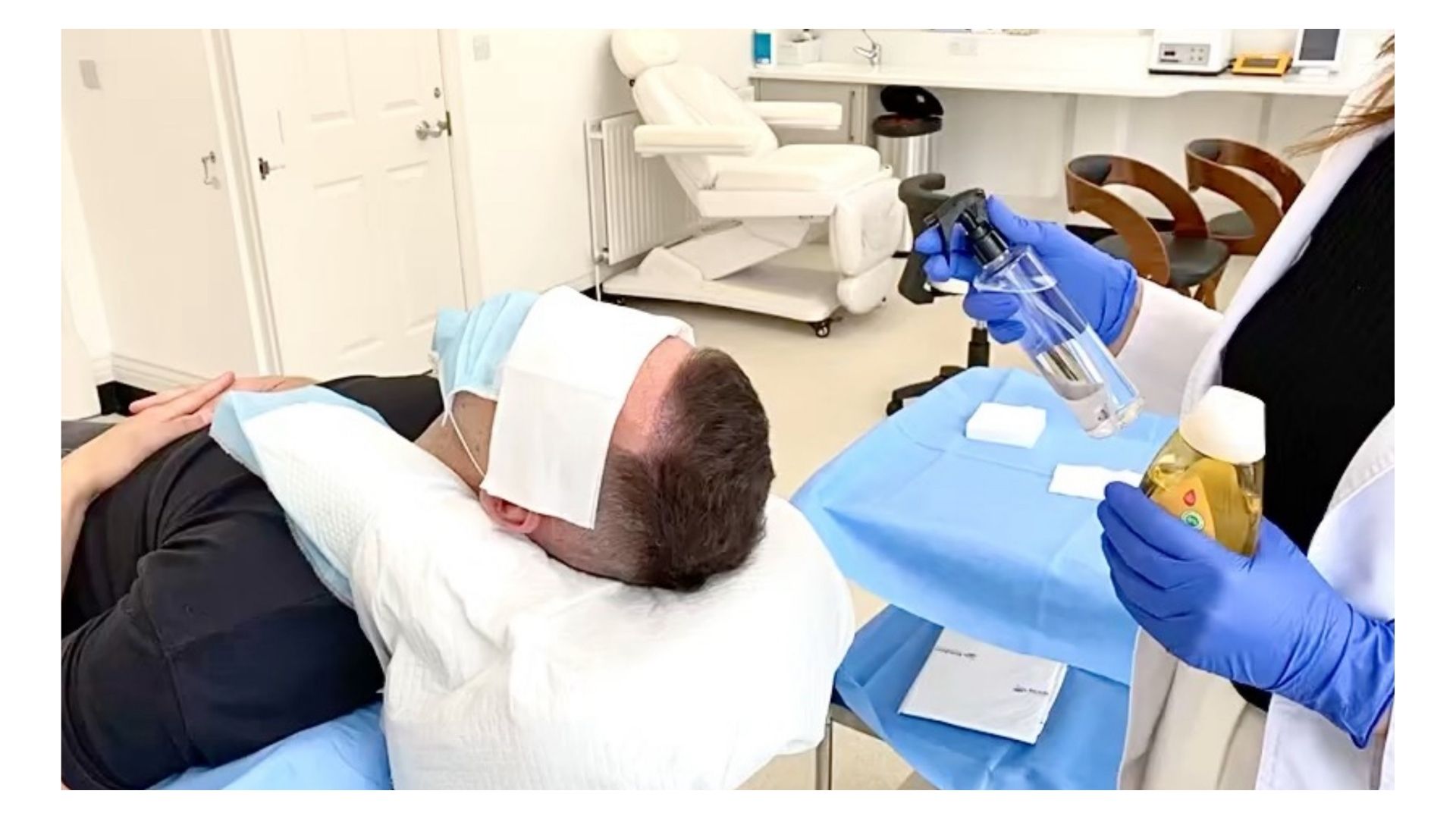
Aftercare is straightforward for both: keep the area clean and protected, avoid heavy sweating and direct sun initially, and follow the wash protocol your clinic provides. U-FUE’s lighter “footprint” simply makes that phase a touch more forgiving.
Donor Management: Playing the Long Game
Every transplant is a budgeting exercise: you’re moving a finite resource from one place to another.
U-FUE’s precision encourages conservative harvesting strategies – spreading extractions across the safest donor zones, avoiding over-harvesting of any one patch, and matching graft calibre to the job (singles up front, multi-hair units for density behind).
That restraint helps protect your options for the future should hair loss progress.
Who Is a Good Candidate for U-FUE?
If discretion is paramount – perhaps you wear your hair short, your work is public-facing, or you simply want the lowest visual footprint – U-FUE is designed with you in mind. It also suits patients with high aesthetic expectations around the hairline, crown patterning and temple points, where small errors are the most obvious.
That said, U-FUE isn’t a magic wand. The fundamentals still matter: realistic goals, adequate donor supply, stable or managed hair loss, and a plan that considers how you’ll look not just next year, but in ten years’ time.
Many patients do brilliantly with standard FUE; U-FUE is the premium option for those who want the last few percentage points of refinement.
Why Only a Few Surgeons Offer It
U-FUE demands more than a steady hand. Smaller punches offer less margin for error. Recipient-site design at high density requires stamina and an artist’s eye. The entire team – surgeon, assistants, graft handlers – must work in lockstep to protect graft quality from extraction bowl to recipient slit.
The approach is also time-intensive; doing it properly means limiting daily graft counts so attention never slips.
That combination of technical challenge, time pressure and aesthetic responsibility explains why U-FUE remains the domain of a relatively small, highly trained group. Among them is Dr Irum Khan of IK Clinics, known for a detail-first approach that blends surgical precision with hairline artistry.
Patients who prioritise subtlety travel for that level of finish.
The Cost Question
U-FUE typically carries a premium. You’re paying for longer theatre time, smaller-calibre instrumentation that wears faster, and a surgeon’s close involvement in the most delicate parts of the case.
If your requirement is moderate coverage at everyday hairstyle lengths, standard FUE may be the smarter value. If you want the cleanest donor aesthetic and the most natural hairline your anatomy allows – particularly for short styles – the additional spend can feel justified every time you step under bright lights.
Choosing Between FUE and U-FUE
A good consultation will clear the fog quickly. You should leave with a map of your donor capacity, a plan for priority zones, a realistic graft estimate, and an explanation of why a particular technique suits your hair calibre, skin characteristics and hairstyle preferences.
If undetectability with very short hair is a must-have, say so. If you’re open to keeping length and focusing on coverage, that may steer you towards standard FUE and a broader area treated.
It’s also worth discussing adjuncts: medical therapy (such as DHT-blocking and growth-supporting options) to protect native hair, non-surgical thickening strategies, and how future-proofing will be baked into the design.
Technique is important, but planning is decisive.
A Note on Expectations
No technique can halt the biology of male or female pattern hair loss.
Transplanted hair is more resilient, not invincible. The most satisfied patients pair surgery – FUE or U-FUE – with a long-term maintenance plan and a candid understanding of what their donor supply can (and cannot) support over time.
“Undetectable” is an ambition earned by the right patient, the right surgeon and the right aftercare – not a guarantee pasted on every case.
The Bottom Line
FUE changed the game by making hair transplantation gentler, subtler and more adaptable. U-FUE refines that game for patients who want the result to vanish into their look – short hair, harsh light, close inspection and all.
The differences lie in the tolerances: smaller tools where appropriate, donor discipline, and a hairline built with an artist’s patience.
If you’re drawn to that tier of finish, seek a surgeon whose portfolio shows it consistently. For many, that includes specialists like Dr Irum Khan at IK Clinics, where technical mastery and aesthetic judgement are treated as inseparable.
Whichever route you choose, remember that the real aim is not just more hair, but more confidence – and with contemporary techniques, that goal is squarely within reach.
About IK Clinics
At IK Clinics, we’re not afraid to say that we’re proud to lead the way. Our expert team, advanced technology, and commitment to patient care ensure you get the best experience from start to finish.
What’s more, we offer a range of services in hair restoration, like FUE, Stem-cell and Plasma Therapy, along with various anti-aging treatments. Get in touch to find out more or book a consultation.