What’s interesting is that “looking younger” often isn’t about chasing a teenage face or pretending time hasn’t moved on. It’s about closing the gap between how you feel on the inside and what the mirror seems to report back on the outside.
For many people, that gap starts to widen for two very specific reasons: hair changes and skin changes.
Hair becomes thinner, the hairline shifts, the crown starts showing through in harsh lighting. Skin gets a little less bouncy, lines settle in, and tiredness seems to linger on the face even after a decent night’s sleep. The good news is that modern hair restoration and anti-ageing treatments can work brilliantly together, not as separate “fixes”, but as a joined-up strategy that restores balance.
This guide takes a look at how these two worlds meet, what to consider before you book anything, and how to build a plan that looks natural, cohesive and genuinely refreshing.
Why Hair and Skin Ageing Hit Harder Than We Expect
Hair and skin are not just features; they’re signals. Hair frames the face and draws the eye upwards. Skin is the surface that catches light, reveals texture, and holds the expressions that make you recognisable.
When either changes noticeably, it can subtly change the way your whole face reads in photos, in meetings, or even in everyday conversations.
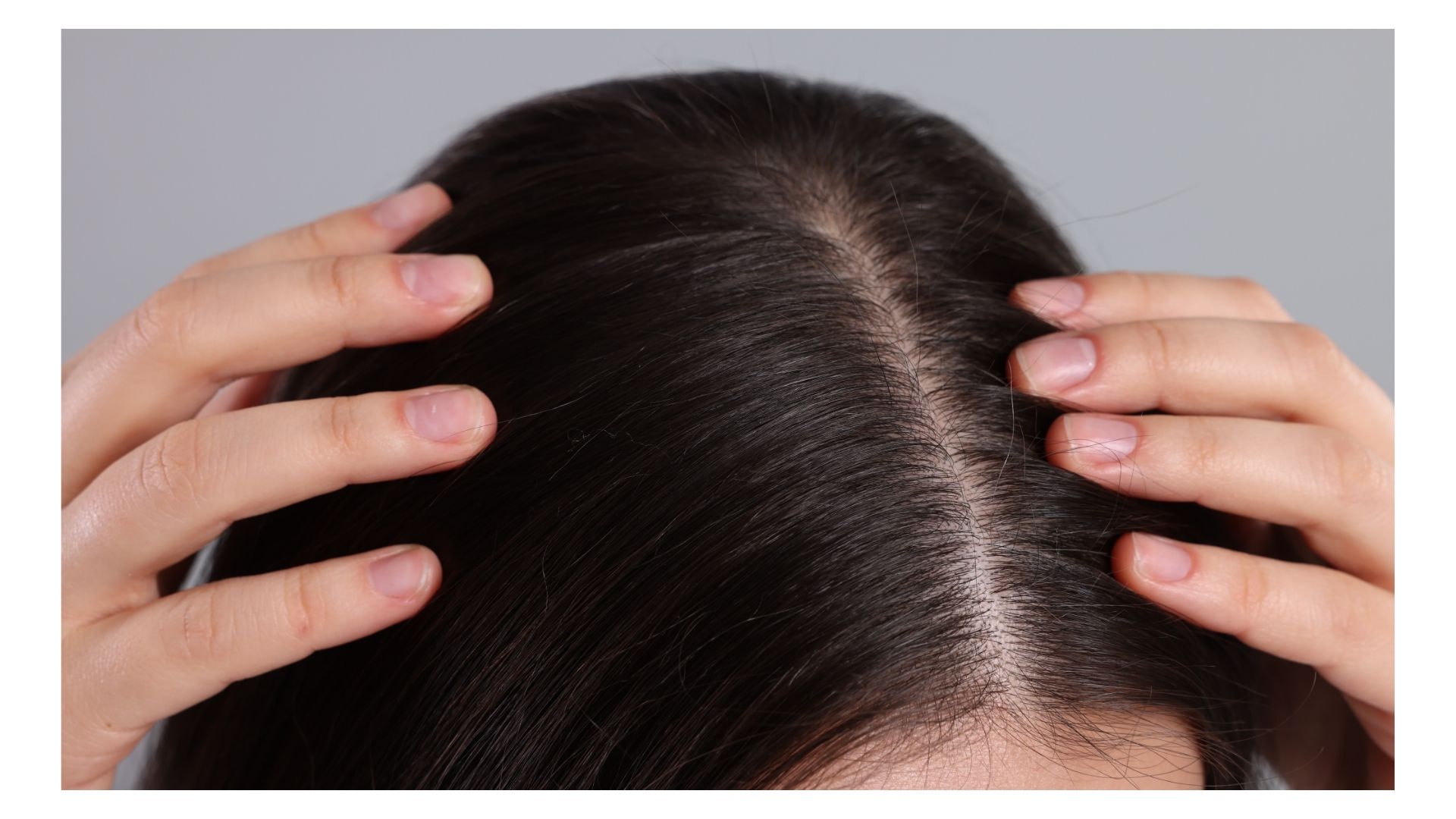
Hair ageing often shows up as reduced density rather than sudden baldness. Some men see recession at the temples or thinning at the crown. Many women notice overall thinning, a widening parting, or less volume around the front.
Genetics can play a major role, but hormones, stress, nutritional factors, scalp inflammation and general ageing can all contribute. Even when you still “have hair”, the fibres can become finer and drier over time, which makes the hair look less full.
Skin ageing is often a mix of internal biology and external wear-and-tear. Collagen and elastin production slows, which reduces firmness and elasticity. The face can lose volume in certain areas, creating hollows under the eyes or softening around the cheeks and jawline.
Meanwhile, sun exposure and lifestyle factors can add pigmentation, uneven tone and rougher texture. The result is not just wrinkles; it’s a shift in the overall freshness of the face.
The “Balanced Face” Concept: Why Combining Treatments Makes Sense
Treating hair loss or skin ageing in isolation can absolutely help, but combining them often creates a more believable, harmonious result.
The reason is simple: the face is read as a whole. If you restore the hairline but leave the skin looking tired and creased, the contrast can feel unfinished. If you smooth and brighten the skin but the hair remains visibly thin, the frame still signals age.
When hair and skin are treated together, you can often do less of each while achieving more overall impact. A modest improvement in density paired with a subtle improvement in skin tone and texture can look like a full reset, even though the individual changes are small.
The goal is not to “change your face”. The goal is to create consistency, so your features match the energy you want to project.
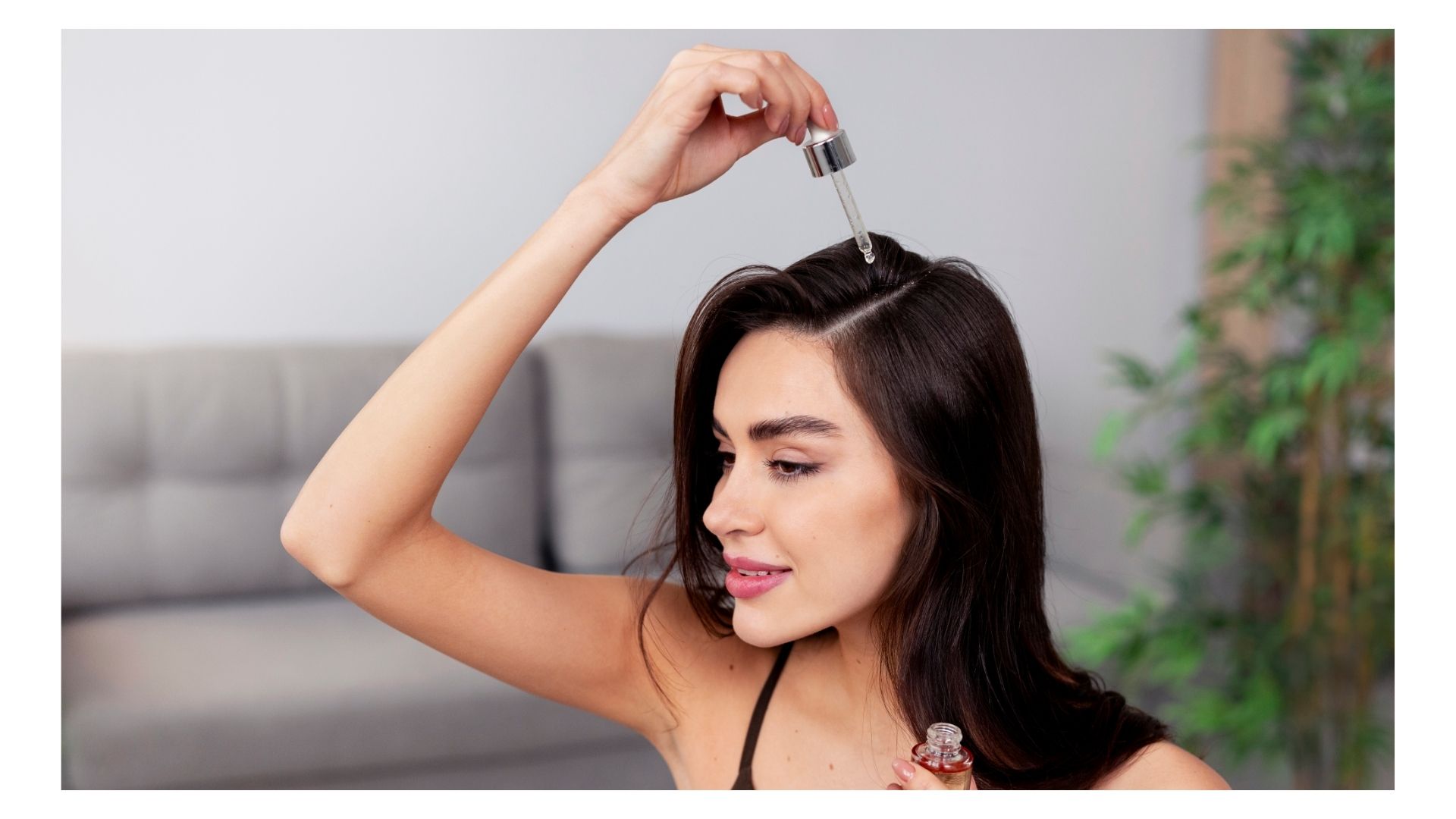
Hair Restoration Options: From Subtle Support to Serious Transformation
Hair restoration isn’t one single thing; it’s a spectrum. At one end, there are treatments designed to slow or stabilise shedding and improve hair quality. At the other end, there are surgical solutions that can rebuild a hairline or restore coverage where hair has been lost.
Most people get the best outcomes when they treat hair restoration like a plan rather than a one-off decision.
For some, non-surgical support is the smartest first move. Treatments such as PRP, which uses components from your own blood to support follicle function, are often used to improve hair calibre and reduce shedding in suitable candidates. It’s not a magic wand for completely bald areas, but it can be helpful for early-to-moderate thinning and can complement other approaches.
When people talk about PRP “working”, what they often mean is that hair looks a bit thicker, feels stronger, and sheds less, especially when the scalp health is also addressed.
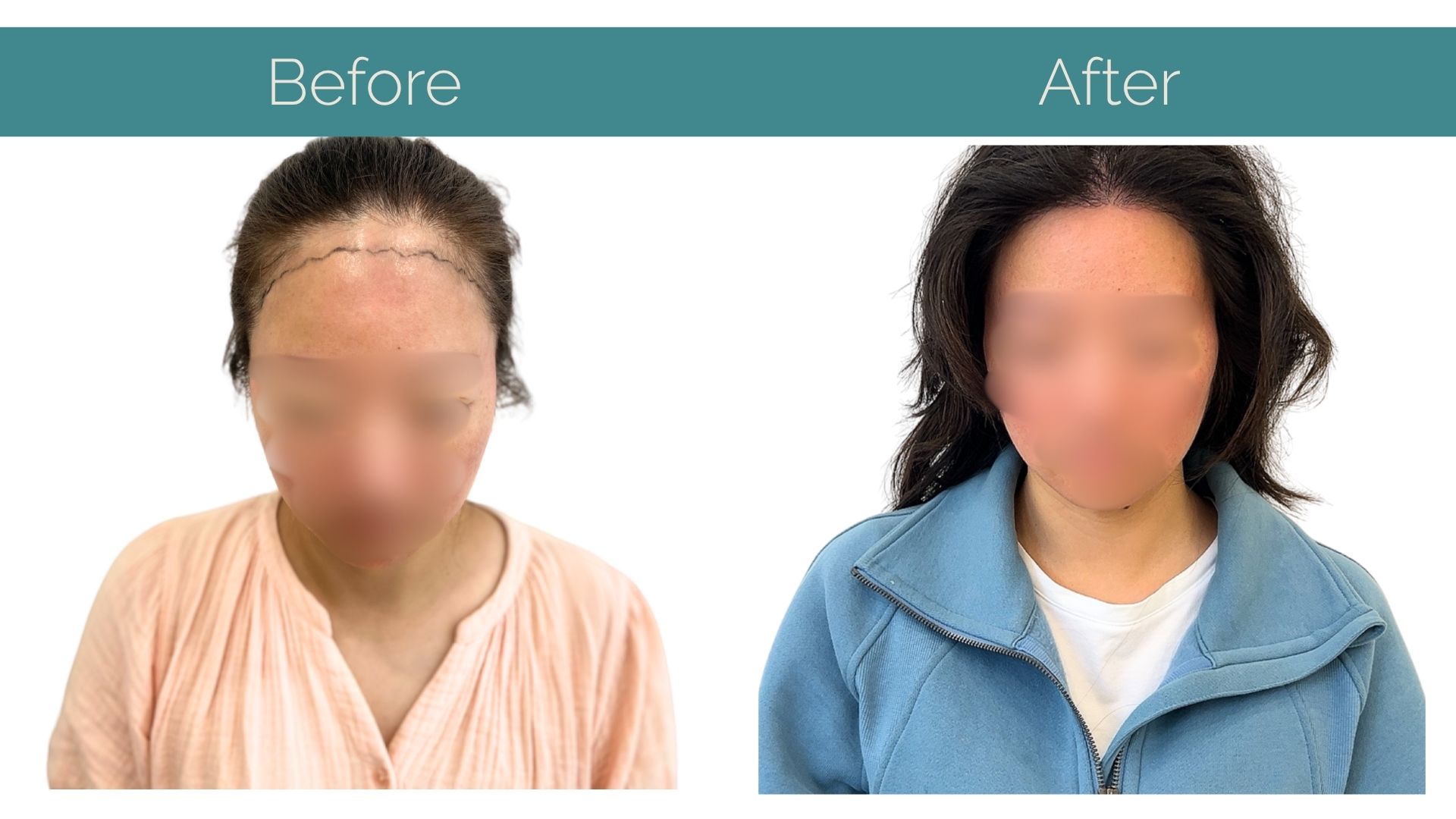
For those who want a more definitive change in specific areas, hair transplantation is usually the headline option. Modern techniques can relocate healthy follicles from a donor area to the hairline or crown in a way that aims to look natural and age-appropriate.
What matters here isn’t just the method used, but the design choices behind it. A hairline that suits your face, your age, and your future hair-loss pattern will nearly always look better than something overly straight, overly dense, or too low for your features.
There is also a smart middle ground that many people overlook: scalp micropigmentation. This is a pigment-based technique that creates the appearance of fuller density by reducing the contrast between hair and scalp. It can be particularly effective for people who wear shorter hairstyles, have diffuse thinning, or want the visual effect of more coverage without surgery.
Done well, it doesn’t scream “tattoo”; it simply makes the hair look more solid at first glance.
Anti-Ageing Treatments: The Difference Between “Frozen” and Fresh
In the anti-ageing world, the best results are often the ones you can’t quite pinpoint. People might say you look rested, healthier, or like you’ve just had a great holiday. That’s a very different vibe from looking like your face can’t move.
A modern approach tends to focus on three areas: smoothing expression lines, restoring lost volume, and improving texture and tone.
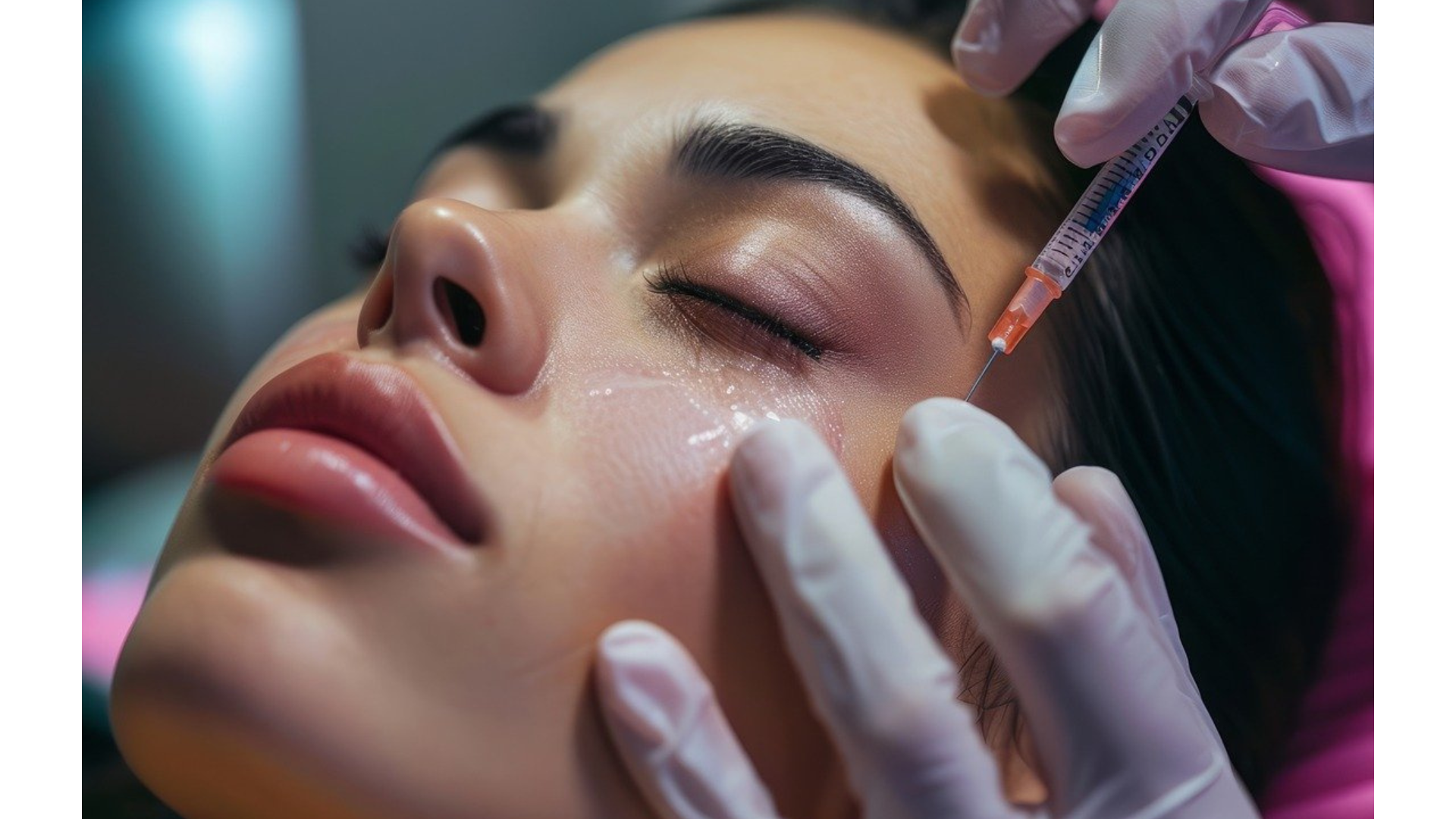
If expression lines are the main concern, wrinkle-relaxing injections can soften the muscle-driven creases that deepen with repeated movement over the years. When used conservatively and tailored to the face, the result can still look expressive, just calmer.
The aim is not to erase personality; it’s to reduce the harshness that can make you look stressed or angry when you’re not.
If volume loss is the bigger issue, dermal fillers can help restore structure in areas that hollow with age. This can reduce shadowing under the eyes, lift the mid-face subtly, and improve overall proportions.
The most natural outcomes usually come from restraint and good facial assessment. Overfilling rarely looks younger. It tends to look like you’ve been filled.
For texture, tone, and a more radiant surface, treatments such as microneedling, certain laser therapies, and targeted skincare protocols can make a real difference. Microneedling works by stimulating collagen production through controlled micro-injuries, while some laser or light-based treatments can address pigmentation, redness and skin quality.
When people chase “glow”, they often find it’s this category of treatment, combined with consistent sun protection, that creates the most noticeable long-term shift.
Timing It Properly: How to Build a Joined-Up Plan
The most common mistake people make is jumping straight to the most dramatic treatment without a clear sequence. A more strategic approach usually feels calmer and produces more consistent results.
You want your hair plan and your skin plan to complement each other, and you want enough time between procedures to heal properly and assess what’s actually changed.
If hair loss is ongoing, stabilising it is often the sensible first step, because it protects whatever you do next. If you’re heading towards a hair transplant, it’s particularly important to ensure the plan suits where your hair loss is likely to go, not just where it is today. When the hair plan is stable, the face and skin work can be tailored to match your refreshed frame.
On the skin side, it’s often helpful to start with skin health and collagen support, because these improvements can raise the baseline quality of your appearance. Then, if you need it, you can add small structural tweaks, such as subtle line-softening or volume balancing.
When everything is done in the right order, it tends to look like a gradual return to your best self rather than a sudden transformation.
What to Ask in a Consultation So You Don’t Waste Money
A good consultation should feel like a proper assessment, not a quick sales pitch. You should leave with clarity on what’s causing your hair changes, what’s realistic, what the timeline looks like, and what maintenance may be required.
You should also feel like the practitioner understands your preferences, especially if you’re aiming for subtle and natural.
On the hair side, it’s important that the plan considers long-term donor management and realistic density. On the skin side, it’s important that the practitioner respects facial proportions and avoids the temptation to “do everything”.
The best clinics, like IK Clinics, tend to talk more about balance than perfection, because balance is what reads as youthful.
Keeping the Results: The Quiet Habits That Make the Biggest Difference
Even the best treatments won’t outperform poor recovery and inconsistent maintenance. That doesn’t mean you need a complicated routine, but you do need a sensible baseline.
Sun protection is one of the most effective anti-ageing tools available, because UV exposure accelerates collagen breakdown and pigmentation. Meanwhile, hydration, sleep, protein intake and stress management all influence skin quality and hair health more than most people realise.
Hair restoration outcomes also benefit from good scalp care and adherence to professional guidance, particularly after any procedure. Skin outcomes benefit from consistency, especially when it comes to medical-grade skincare and sensible top-up schedules for treatments that are designed to be maintained over time.
The Final Word: Younger Isn’t a Number, It’s a Feeling You Can See
The best “younger” look is the one that still looks like you. It doesn’t need to be dramatic, and it doesn’t need to erase every line or recreate a teenage hairline. It needs to make sense on your face.
When hair restoration and anti-ageing treatments are combined thoughtfully, the result is usually a refreshed, cohesive appearance that people read as healthier, more energetic, and more confident.
If you’re considering this route, take your time, choose experienced professionals, and aim for a plan that’s realistic and gradual. Done well, it’s not about turning back time. It’s about bringing your outside back in line with how you want to show up in the world.
About IK Clinics
At IK Clinics, we’re not afraid to say that we’re proud to lead the way. Our expert team, advanced technology, and commitment to patient care ensure you get the best experience from start to finish.
What’s more, we offer a range of services in hair restoration, like FUE, Stem-cell and Plasma Therapy, along with various anti-aging treatments. Get in touch to find out more or book a consultation.