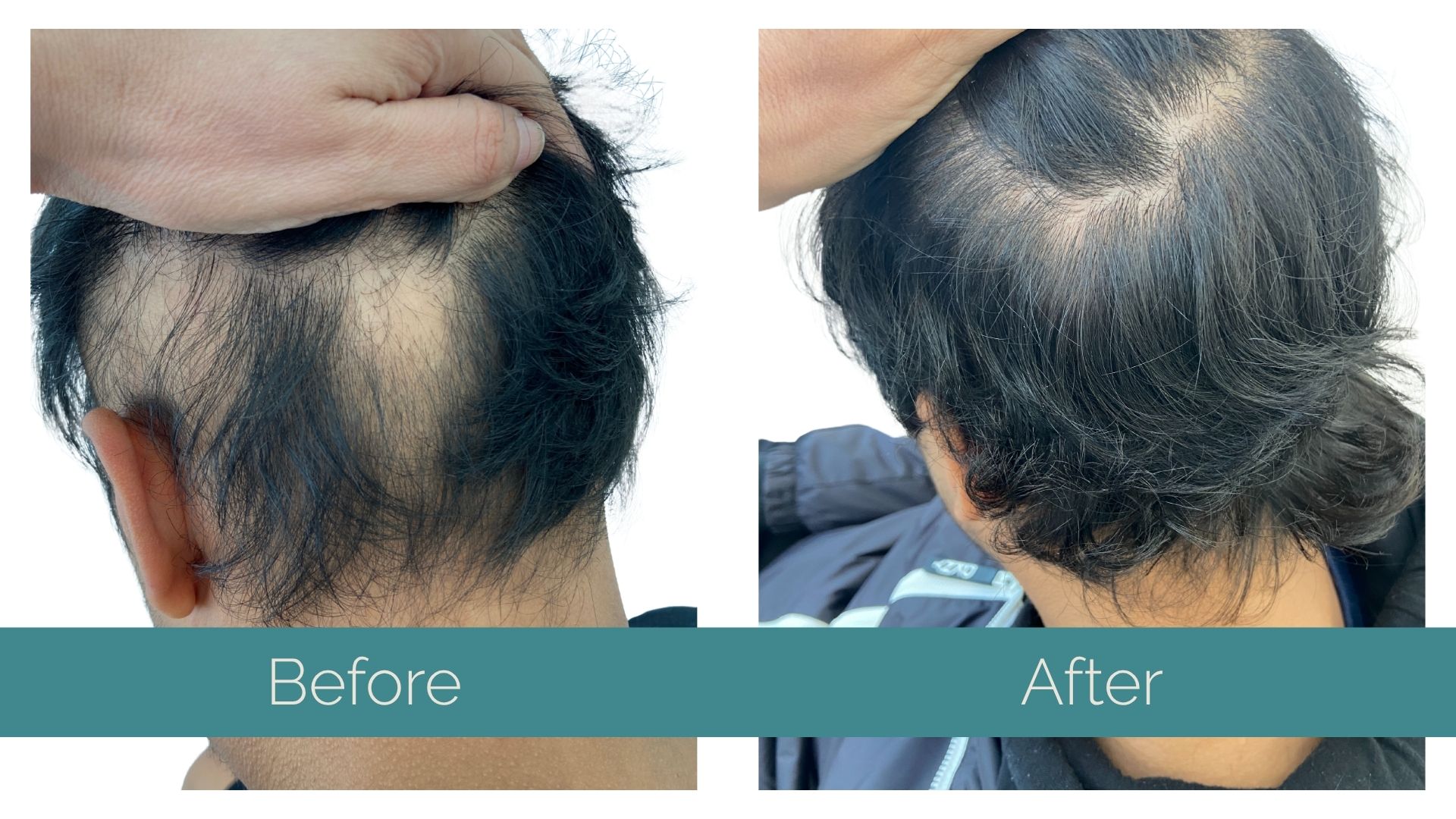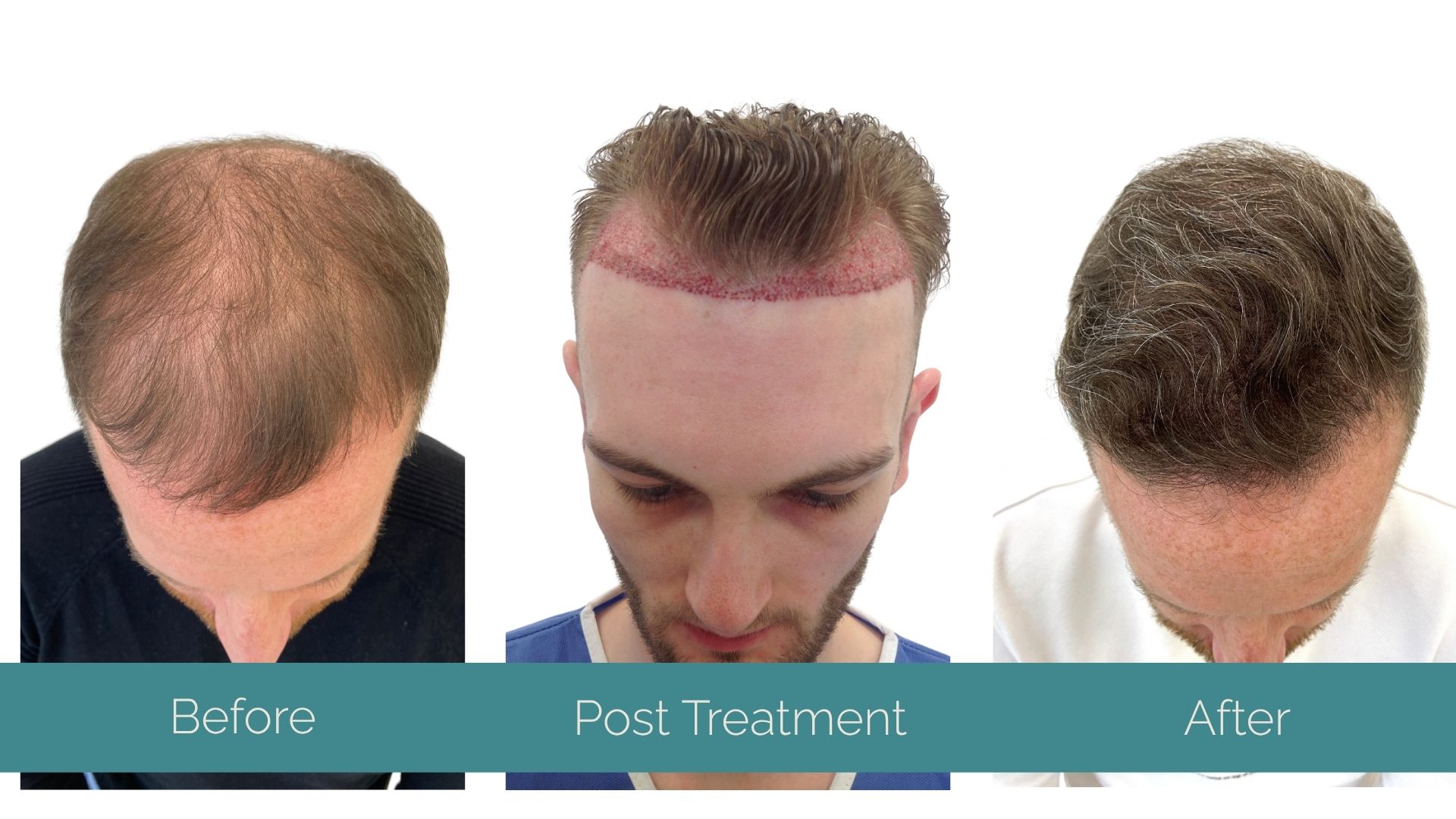
That is exactly why the clinic you choose matters so much. A good result is not simply about implanted grafts. It is about being assessed properly, treated safely, advised honestly and supported long after the procedure itself is over.
The modern hair restoration market is busy, polished and often full of persuasive promises. Websites can look impressive. Social media videos can make procedures seem quick and effortless. Sales teams can sound reassuring.
But appearances alone do not tell you whether a clinic is genuinely focused on patient welfare or simply on filling its diary. Knowing the difference is essential.
A quality hair transplant clinic should not just sell you a treatment. It should provide a full standard of care that makes you feel informed, protected and respected from the first enquiry to the final follow-up.
When you know what to look for, it becomes much easier to separate serious medical providers from businesses that are better at marketing than medicine.
The Clinic Should Be Led by Real Medical Expertise
One of the first things any patient should look for is professional credibility.
Hair transplantation may be widely advertised as a cosmetic procedure, but it is still a medical intervention. That means the clinic should be led by qualified professionals with the right training, experience and accountability.
A reputable clinic will be open about who performs the procedure, what their medical background is and how much experience they have in hair restoration. The lead surgeon should not be a mystery figure hidden somewhere in the small print. Their qualifications should be clear, their role should be clearly explained and their credentials should stand up to scrutiny.
In the United Kingdom, patients should also expect clinics to operate within the standards set by recognised regulatory bodies, including appropriate professional registration.
Experience matters too. Hair transplantation is not just technical; it is artistic and strategic. A skilled surgeon must think about graft survival, donor area management, hairline design and long-term planning. That kind of judgement comes with proper training and a proven track record.
A clinic that is vague about who does what, avoids questions about qualifications or tries to distract you with glossy marketing rather than specifics should immediately raise concern.
A Proper Consultation Should Feel Like an Assessment, Not a Sales Pitch
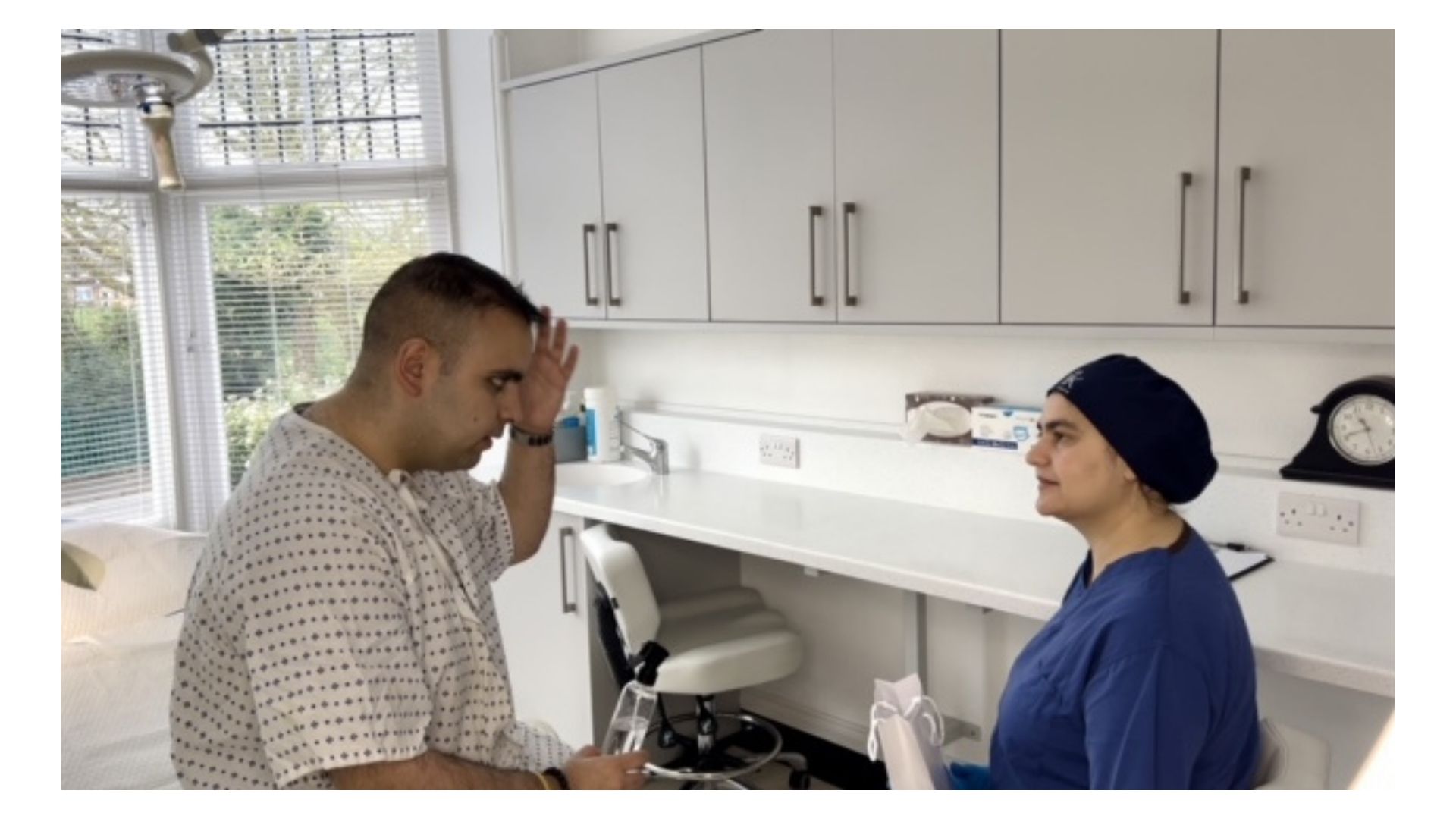
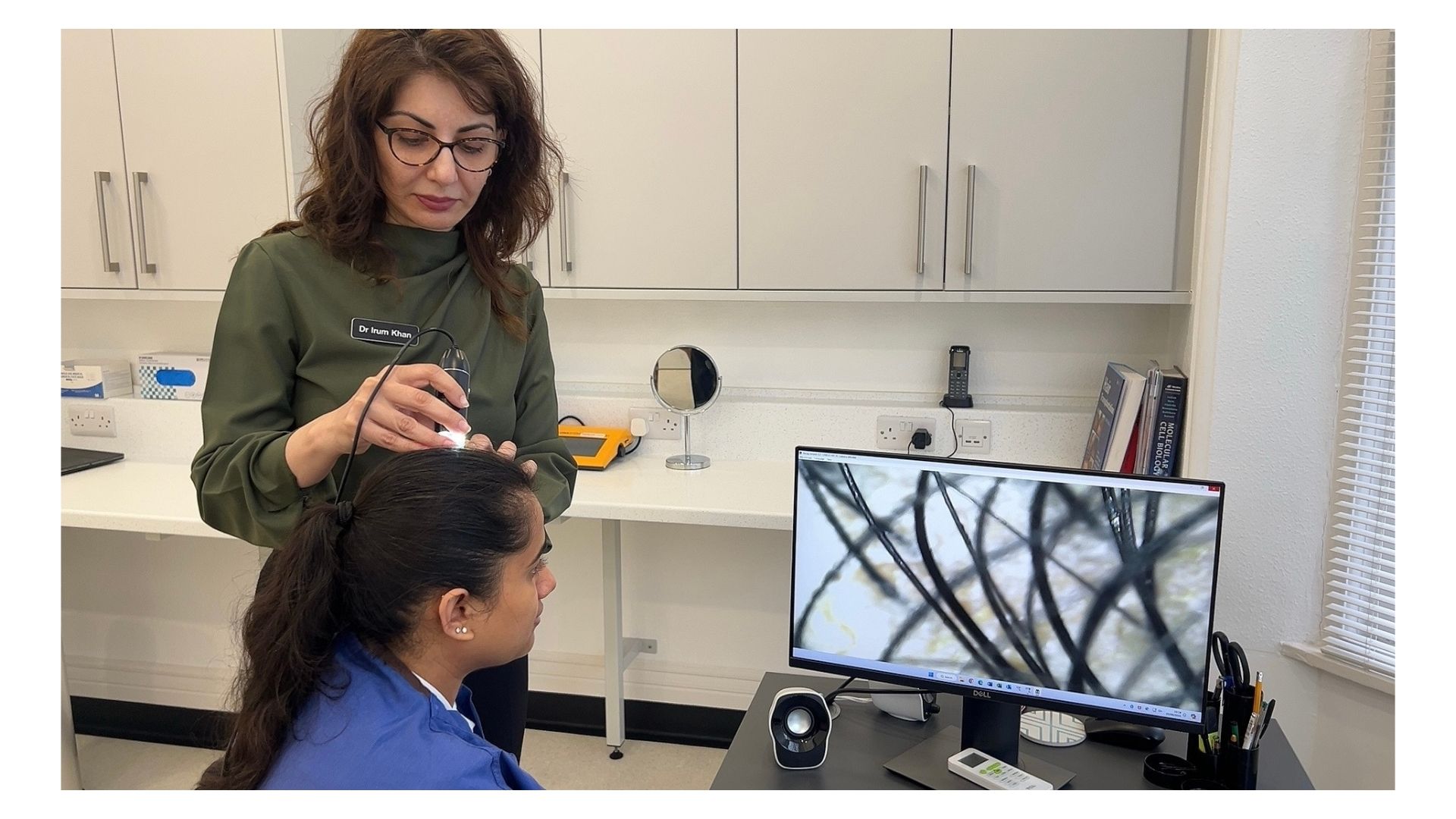
One of the clearest signs of a quality clinic is the way it handles the consultation process. A trustworthy provider will not rush you towards the treatment chair. Instead, it will take time to decide whether a hair transplant is actually suitable for you in the first place.
That means looking carefully at your pattern of hair loss, the condition of your scalp, the strength of your donor area and your wider medical history. It also means having an honest conversation about what can realistically be achieved.
Not everybody is an ideal candidate. Some people may need to stabilise hair loss first. Others may benefit from non-surgical support before surgery is even considered. A good clinic will tell you that if it is true.
The consultation should feel individual, not rehearsed. You should come away understanding your options, your likely results and the limitations of treatment. You should also have time to ask questions without feeling hurried.
If a clinic seems far more interested in securing a booking fee than in understanding your case, that is a warning sign. A serious clinic assesses first and sells second.
Good Clinics Offer Solutions, Not One-Size-Fits-All Answers
Hair loss is not identical from person to person, so treatment should never be treated like a standard package.
A quality clinic should be able to discuss more than one route forward. In some cases, that may involve FUE. In others, FUT may be more appropriate. Some patients may be advised to consider PRP, scalp micropigmentation or medication as part of a broader plan.
The important point is not that every patient needs every treatment. It is that the clinic should be capable of thinking beyond a single product or procedure. When a provider only seems to offer one answer to every problem, it becomes harder to trust that the recommendation is truly about your needs rather than their business model.
A strong clinic will explain why one option may suit you better than another. It will outline the advantages and trade-offs in plain language. It will not automatically steer you towards the most expensive route or frame surgery as the only worthwhile solution.
Good care is tailored care, and patients should feel that the treatment plan has been built around their situation rather than lifted from a template.
Hygiene, Safety and Organisation Should Be Obvious
Hair transplantation is often described as minimally invasive, but that should never be mistaken for low risk. It still requires incisions, handling of grafts, sterile technique and close attention to safety.
For that reason, the physical and clinical standards of the environment matter enormously.
A quality clinic should appear clean, well run and professional from the moment you walk in. Staff should behave like healthcare staff, not like a beauty sales team. Surgical areas should be organised. Protocols should be clear. Equipment should appear modern and properly maintained. The overall atmosphere should inspire confidence rather than uncertainty.
Patients may not always be able to judge every clinical detail, but they can usually sense when something feels off.
A clinic that seems chaotic, careless or unhygienic should never be ignored. Basic standards are not an optional extra. They are the foundation of safe treatment. A clinic that cannot convince you on cleanliness, structure and professionalism has already given you a reason to walk away.
Price Should Be Transparent, Not Mysterious
Hair transplantation is a major financial decision for many patients, and a quality clinic should respect that by being clear about cost. Pricing should not feel slippery or cleverly packaged. You should know what you are paying for and why.
That means understanding whether fees include the procedure itself, the surgeon’s time, the number of grafts, medication, aftercare appointments and any ongoing support. A proper quotation should help you see the full picture, not leave you guessing what extra charges might appear later.
Clarity is part of professionalism.
Patients should also be cautious of deals that seem unusually cheap. In hair restoration, low prices can sometimes reflect corners being cut somewhere in the process, whether that is staffing, time, clinical oversight or aftercare.
A lower price is not automatically a bad sign, but it should always prompt closer questions. When it comes to surgery, bargain hunting is rarely the safest strategy.
Reputation Is Built in the Real World, Not Just on a Website
Every clinic can publish flattering images and positive case studies on its own platforms. The real test is whether its reputation holds up when patients speak independently.
Reviews, testimonials and word-of-mouth feedback can all offer important clues about how a clinic actually behaves when things are not scripted.
A quality clinic should have evidence of patient satisfaction that feels genuine and consistent. Before-and-after results should look credible rather than overly edited or suspiciously perfect. Reviews should mention communication, professionalism, aftercare and overall experience, not just appearance.
The best feedback often reveals how patients were treated as people, especially during recovery.
Patterns matter more than isolated comments. One poor review does not automatically condemn a clinic, but repeated complaints around failed communication, poor healing support, unclear pricing or disappointing results are difficult to ignore.
A clinic’s reputation should reassure you, not leave you trying to explain away red flags.
Aftercare Should Be Part of the Service, Not an Afterthought
The procedure itself may take a day, but the journey does not end there.
Recovery, healing and growth take months, and good aftercare can play a major role in protecting the final outcome. A quality clinic understands this and remains actively involved once the surgery is complete.
That means giving patients clear instructions on washing, sleeping, medication, exercise, healing expectations and warning signs to watch for. It also means offering follow-up contact, review appointments and access to support if questions arise.
Patients should not feel abandoned the moment the invoice is settled.
This part of the process often reveals the true character of a clinic. Providers that care about long-term results remain engaged. They want to know how healing is progressing. They want to help patients through the awkward early stages when redness, shedding and uncertainty can create anxiety.
Real aftercare is not just a leaflet handed over at reception. It is an ongoing commitment.
Ethical Clinics Inform You. They Do Not Pressure You
Perhaps the biggest difference between a quality clinic and a questionable one lies in the tone of the relationship. Ethical clinics educate. Bad ones pressure. A reputable provider will give you the facts, answer your concerns and leave room for you to make your own decision.
That means no scare tactics, no forced urgency and no unrealistic promises. Hair transplantation is a powerful option, but it is not magic. Results take time, depend on individual factors and require careful planning.
Any clinic claiming instant transformation or guaranteed perfection is not treating the subject with the seriousness it deserves.
Patients should feel respected enough to say, “I need time to think about it,” without being pushed into a same-day commitment. Honesty is one of the strongest signs of quality. Clinics that speak plainly about risks, limitations and realistic outcomes are often the ones most worth trusting.

The Right Clinic Gives You Confidence Before It Gives You Hair
At its best, a hair transplant clinic does more than perform a procedure. It creates an environment in which patients feel safe, well informed and properly cared for.
That confidence should begin before surgery ever takes place. You should feel that the clinic has listened, assessed, explained and guided you with professionalism every step of the way.
In a crowded market, it is easy to be distracted by polished branding and persuasive offers. But quality tends to reveal itself in more meaningful ways: strong medical leadership, thorough consultations, tailored treatment options, visible hygiene standards, transparent pricing, good reputation, committed aftercare and ethical communication.
If a clinic can provide all of that, you are not just choosing somewhere to have a procedure. You are choosing a standard of care. And when the decision is this personal, that is exactly what matters most.
About IK Clinics
At IK Clinics, we are proud to say that our team don’t just specialise in FUE, we also offer other cutting edge hair restoration treatments, such as Stem Cell Therapy and Plasma Therapy (PRP), catering to differing needs of the clients we care for.
Additionally, we also provide a range of anti-aging treatments to help you achieve that all round ‘I feel good’ feeling.
Get in touch to find out more and book your consultation.