Hair loss can creep in due to genetics, hormones, stress, illness or medication, but whatever the cause, it often chips away at confidence long before anyone else notices.
Today, however, people facing hair loss are spoilt for choice. From advanced hair transplant surgery to non-surgical treatments and modern hair systems, the menu of options has never been broader. The real challenge is no longer “Is there anything I can do?” but “Which route is right for me?”
This feature takes a closer look at surgical transplants and leading non-surgical alternatives, exploring how they work, what they cost and who they’re best suited to.
The Surgical Route: Hair Transplants Under the Spotlight
Hair transplantation remains the headline act in hair restoration. It’s a surgical procedure that involves moving healthy hair follicles from a “donor area” – usually the back or sides of the scalp – to thinning or balding zones.
Two techniques dominate the modern market: Follicular Unit Transplantation (FUT) and Follicular Unit Extraction (FUE). FUT involves removing a thin strip of scalp from the donor area and dissecting it into tiny grafts, while FUE extracts individual follicular units directly from the scalp using a micro-punch.
Both methods are carried out under local anaesthetic, and both aim to deliver permanent, natural-looking regrowth.
Why Transplants Still Lead the Conversation
The main appeal of a hair transplant is longevity. Once transplanted follicles take root and grow, they usually continue to behave like the donor hair – which means they tend to stick around for the long term.
For people with established thinning or a receding hairline, that permanence can be life-changing.
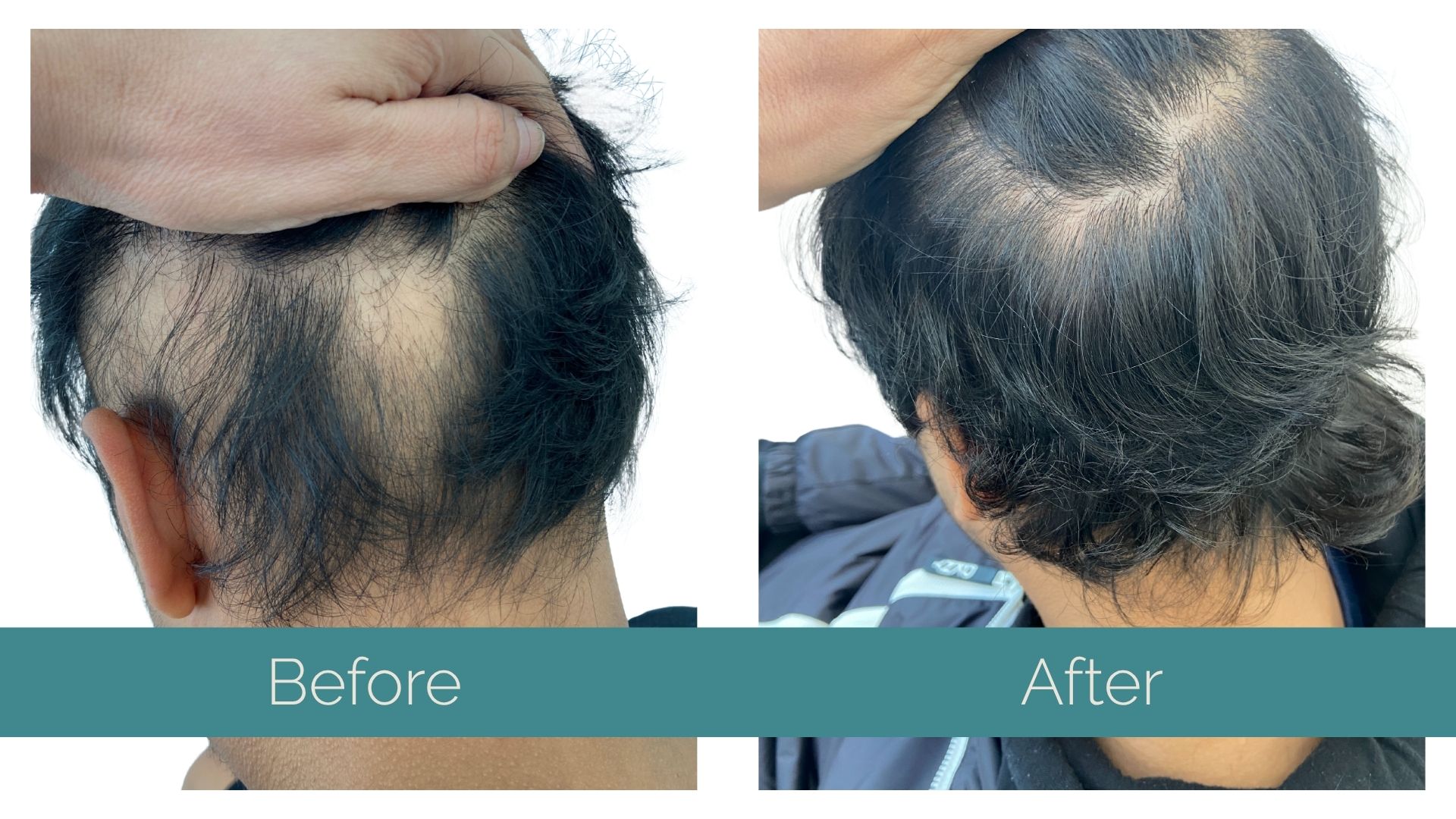
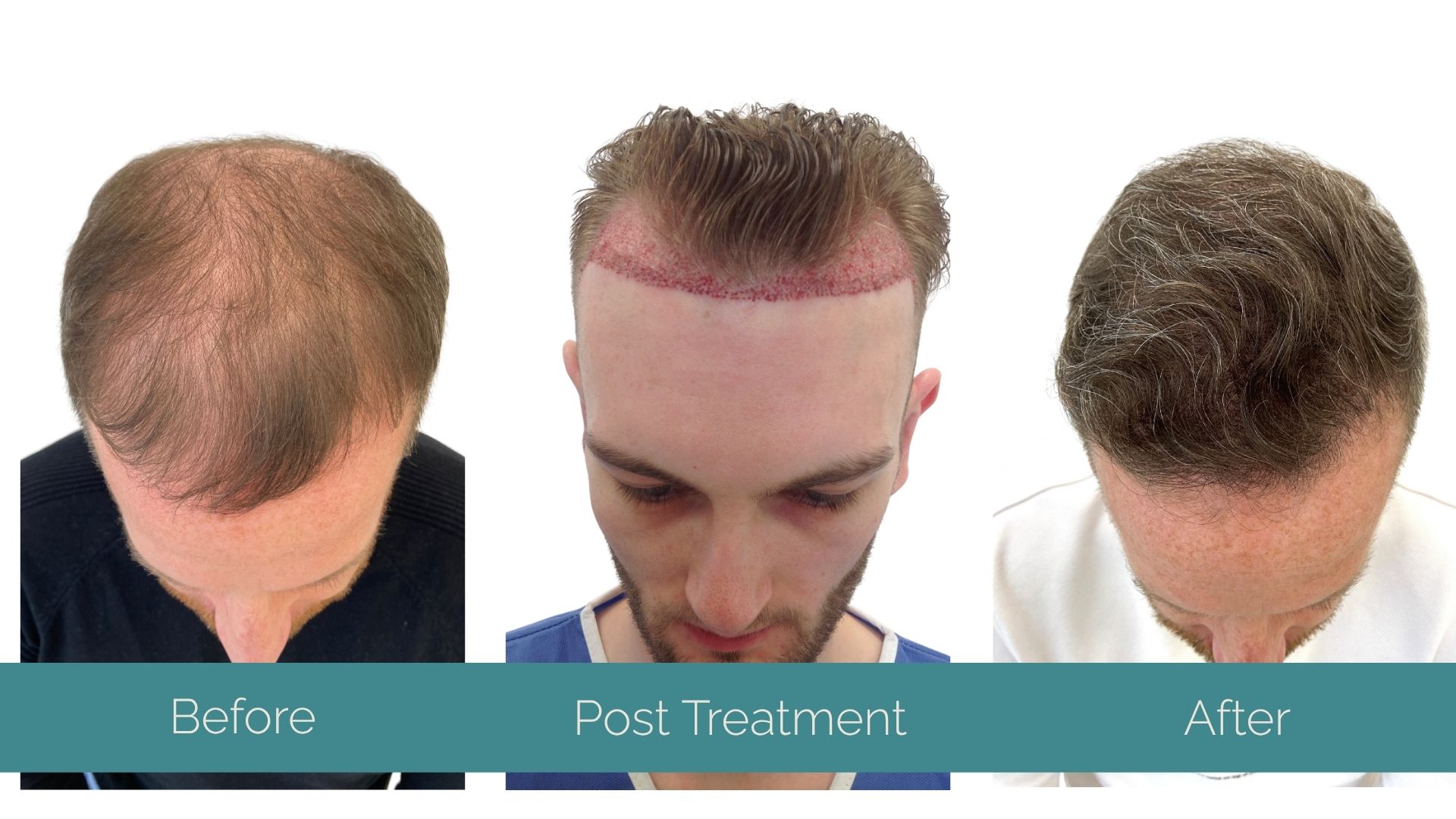
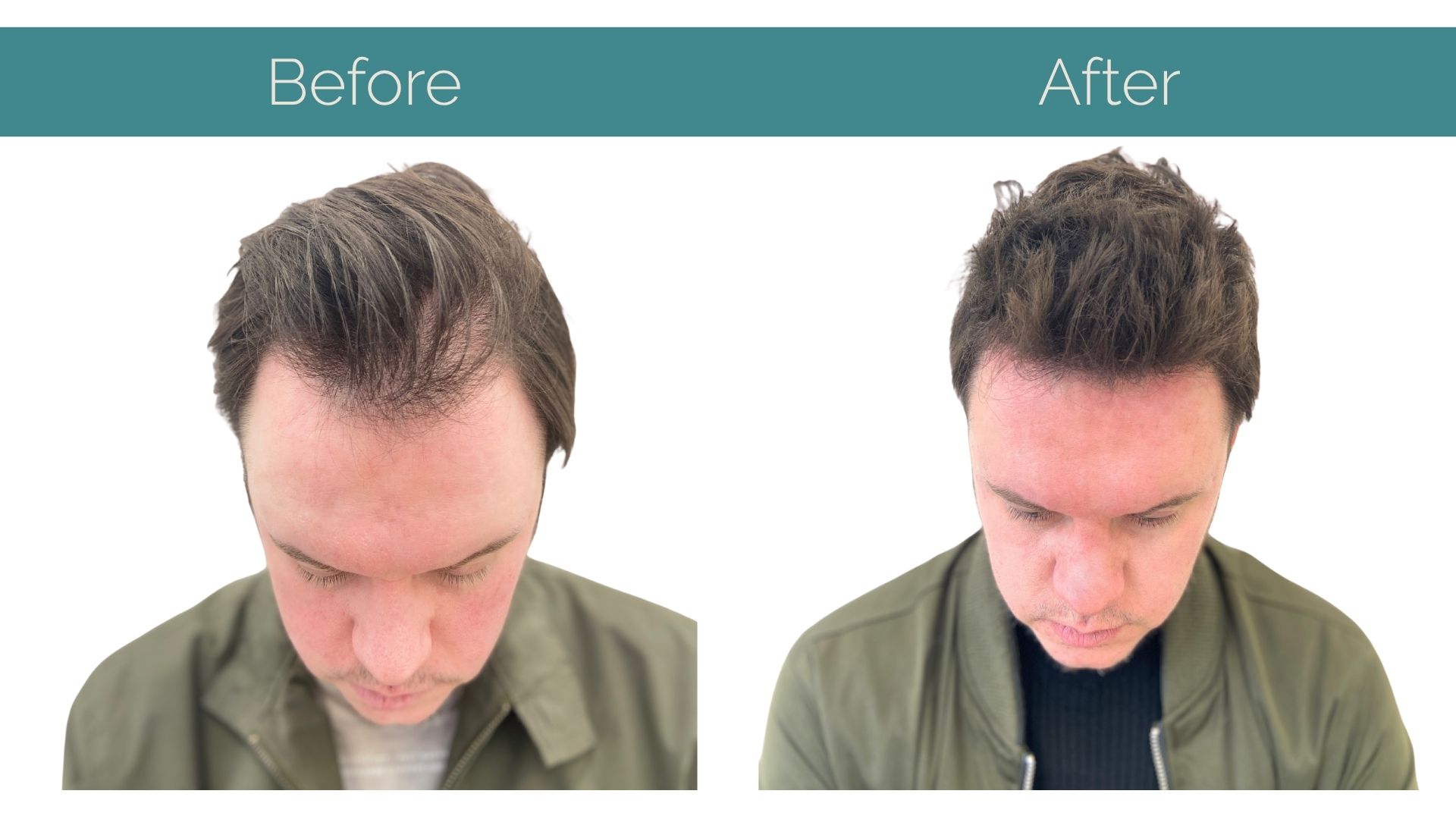
Modern techniques, particularly refined FUE approaches, can produce results that blend seamlessly with existing hair. When performed by an experienced surgeon, like the team at IK Clinics, the transplanted hairline is designed to suit the patient’s age, face shape and future pattern of loss, which is why patients often report a significant lift in self-esteem.
This, however, comes at a price. In the United Kingdom, a full transplant can cost anywhere from around £4,000 to upwards of £15,000, depending on the size and complexity of the case. There is also downtime to consider: swelling, redness, scabbing and a period where the new grafts are fragile and need careful aftercare.
Not Everyone Is a Candidate
The hard truth is that not everyone qualifies for surgery. Surgeons look closely at the density and quality of donor hair, the pattern and stability of hair loss, and the patient’s general health.
Someone with very advanced thinning but limited donor hair may struggle to achieve the coverage they’re hoping for.
Clinics also assess expectations. A transplant can greatly improve density and shape, but it cannot turn back the clock to a teenage head of hair. Reputable centres, including specialist clinics like IK Clinics, place heavy emphasis on consultation to ensure patients understand what is realistically achievable before they commit.
The Rise of Non-Surgical Alternatives
For those who are not ready for surgery – or simply don’t want it – there is a growing range of non-surgical options. These treatments aim either to slow down ongoing loss, stimulate regrowth where follicles are still alive, or disguise thinning in a more cosmetic way.
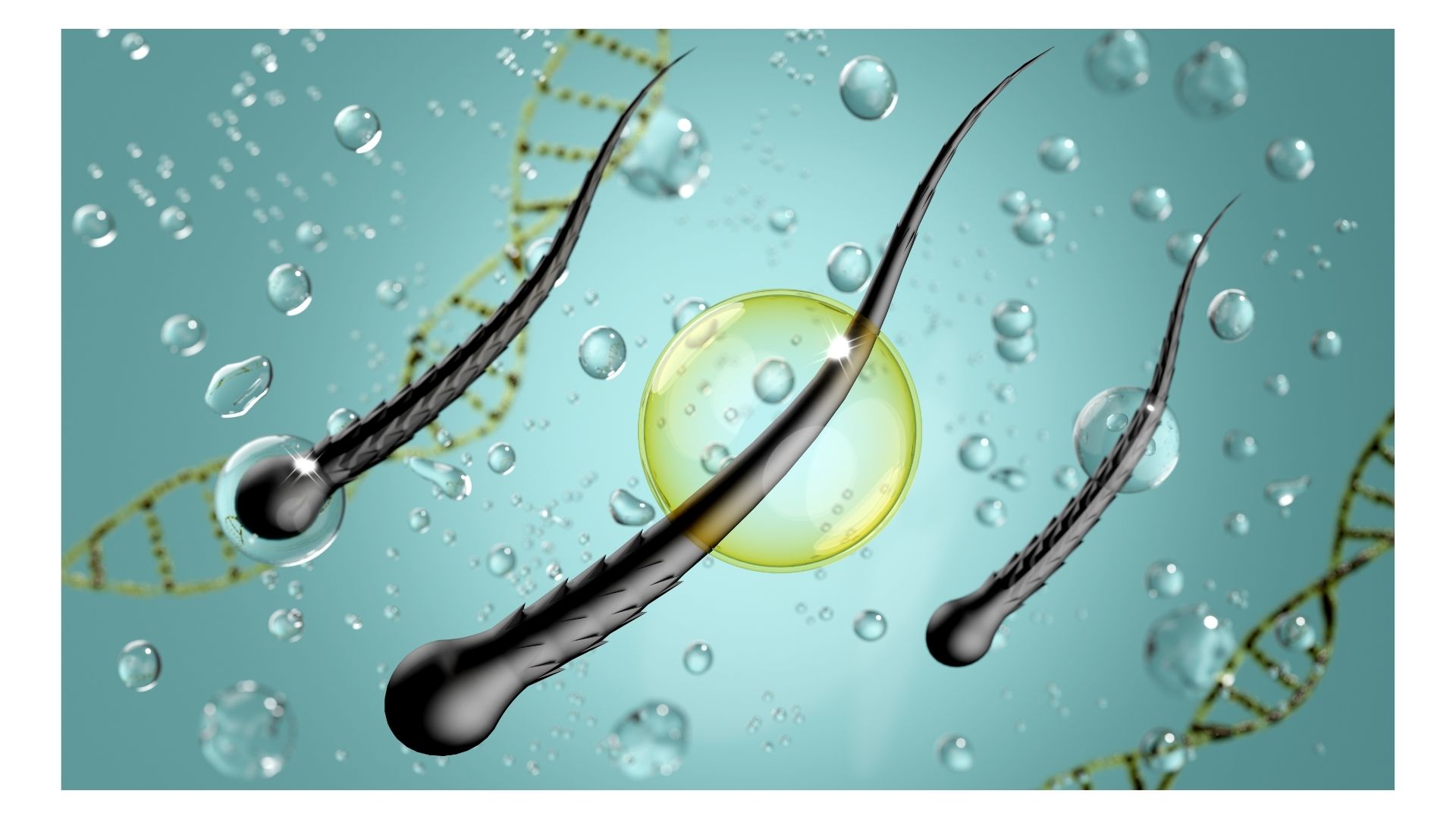
Platelet-Rich Plasma (PRP) therapy has become a prominent player. In this procedure, a small sample of the patient’s blood is spun in a centrifuge to concentrate the platelets, then injected into the scalp. The theory is that growth factors within the plasma help to “wake up” sluggish follicles and support thicker, healthier hair over time.
PRP sessions are relatively quick, usually involve minimal downtime, and can be slotted around a busy schedule – although a course of multiple sessions is typically recommended before results become noticeable.
Stem Cell Therapy and Regenerative Approaches
Stem cell–based treatments sit at the cutting edge of non-surgical hair restoration. These therapies make use of the body’s own regenerative cells, which are harvested and then reintroduced to the scalp in a bid to encourage new growth and improve density.
While early data and patient experiences are promising, stem cell therapy is still emerging, often comes with a premium price tag and is not yet available in every clinic.
Prospective patients should approach this option with a mix of optimism and realism, asking detailed questions about evidence, protocols and expected outcomes.
Hair Systems: Instant Coverage, No Needles Required
Away from the medical side, hair systems – including modern wigs, toppers and integrated units – offer an immediate cosmetic fix. Far removed from the obvious hairpieces of decades past, today’s systems can be custom-coloured, cut and styled to look convincingly natural.
For some, especially those with extensive loss or those who cannot undergo medical treatments, a high-quality hair system can restore confidence overnight.
The trade-off is that they require regular maintenance, professional fitting and a degree of ongoing commitment to keep them looking their best. They also do not change the underlying biology of hair loss; they simply mask it.
Cost, Commitment and Lifestyle: Key Factors to Weigh Up
Money inevitably plays a role. A hair transplant demands significant upfront investment, but for the right candidate it can be a one-time major intervention with lasting benefits.
Non-surgical options such as PRP or stem cell therapy may appear more affordable in the short term, but they typically involve repeat sessions and therefore ongoing spend. Hair systems can sit anywhere from modest to high-end in price, with maintenance building up over time.
Lifestyle and tolerance for downtime are equally important. Someone comfortable taking a week or two out for recovery might lean towards surgery. Others, who cannot afford to be seen with redness or scabbing, might prefer discreet, gradual treatments like PRP or opt for a hair system they can walk out of the salon wearing that same day.
Matching the Treatment to the Stage of Hair Loss
The stage and pattern of hair loss often dictates which options make the most sense.
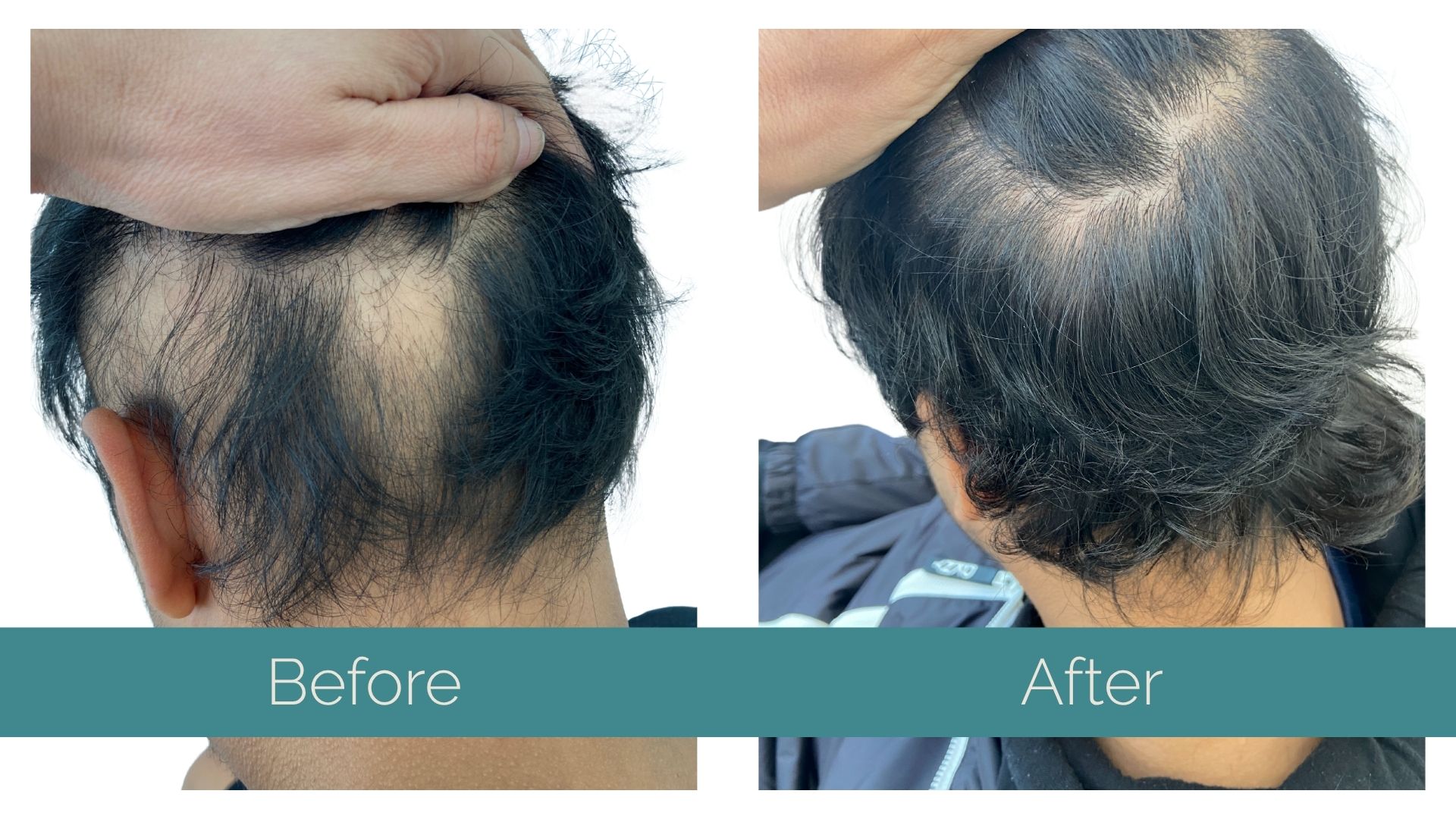
Individuals in the early phases of thinning may get excellent value from non-surgical treatments aimed at preservation and stabilisation. Slowing or partially reversing loss at this point can delay – or sometimes reduce – the need for future surgery.
For patients with well-established recession or obvious bald patches, especially where hair loss has stabilised, a transplant may deliver the most dramatic and durable visible change. Even then, many clinics recommend combining surgery with ongoing medical or non-surgical support to protect the remaining native hair.
Why a Personalised Consultation Matters
In the end, “Hair Transplants vs Non-Surgical Alternatives” is not a battle with a single winner. It is a choice that hinges on your goals, your tolerance for medical procedures, your budget and how you want to feel when you look in the mirror five or ten years from now.
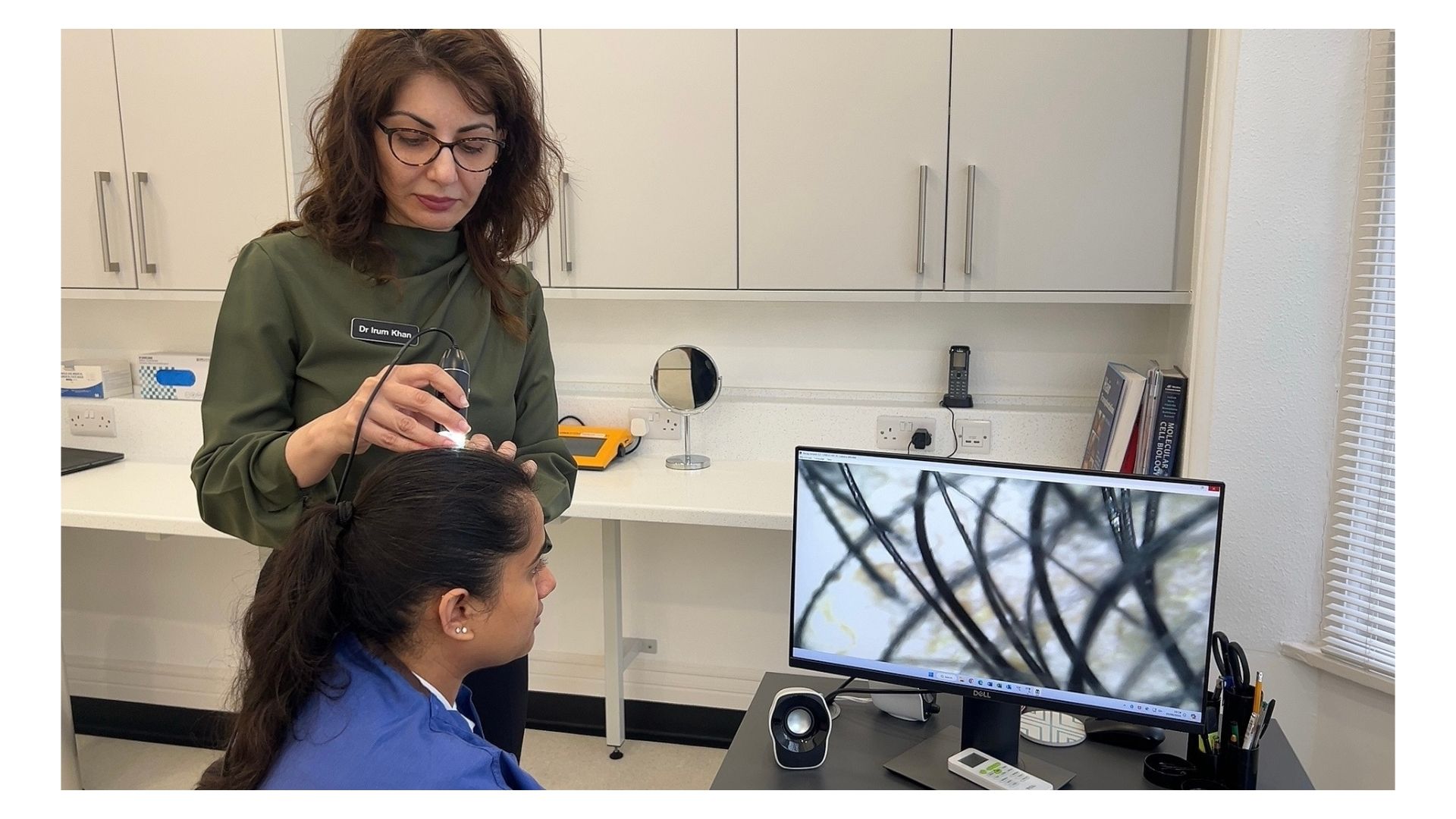
That’s why a thorough, honest consultation is crucial. Clinics like IK Clinics will typically review your medical history, examine your scalp, discuss your expectations and map out a tailored plan that may include one approach or a combination of several.
Taking Control of Your Hair Loss Journey
Hair loss can feel like something that happens to you, but modern treatments give you more control than ever before.
Whether you opt for the permanence of a well-planned hair transplant, the flexibility of non-surgical therapies, or the instant confidence boost of a hair system, the key is to choose with clear information rather than impulse or panic.
Do your research, ask questions, and seek out reputable specialists. With the right guidance, you can move from feeling stuck and self-conscious to feeling informed, proactive and far more at ease with your reflection.
About IK Clinics
At IK Clinics, we’re not afraid to say that we’re proud to lead the way. Our expert team, advanced technology, and commitment to patient care ensure you get the best experience from start to finish.
What’s more, we offer a range of services in hair restoration, like FUE, Stem-cell and Plasma Therapy, along with various anti-aging treatments. Get in touch to find out more or book a consultation.