Hair restoration is a personal step. It involves planning, research, expectations, aftercare and, often, a little bit of diary management.
While the procedure itself can be carried out successfully throughout the year, the season you choose can make a difference to how comfortable your recovery feels, how easily you can follow aftercare advice, and how well the treatment fits around your lifestyle.
In other words, there may not be one perfect month for everyone, but there may be a better time for you.
From spring’s fresh-start feeling to winter’s quieter pace, each season brings its own advantages and practical considerations. So, if you are weighing up when to book a hair transplant, it is worth looking beyond the clinic calendar and thinking about your own routine, social plans and recovery needs.
Why Timing Matters More Than People Think
A hair transplant is not usually something people decide on overnight. It often follows months, sometimes years, of noticing thinning hair, changing hairstyles, avoiding certain photos or feeling less confident in social and professional situations.
Because of this, many patients naturally want the results as quickly as possible. However, hair restoration is not instant. After the procedure, the scalp needs time to heal, the transplanted follicles need time to settle, and the new growth cycle needs time to begin.
This is where timing becomes important.
The first few days and weeks after a hair transplant are especially significant. Patients are usually advised to be careful with sun exposure, sweating, exercise, swimming, headwear and anything that could irritate or disturb the scalp.
Choosing a time of year that makes these aftercare steps easier can help make the recovery period smoother and less stressful.
That does not mean you cannot have a hair transplant in summer, or that winter is automatically best. It simply means your choice of season should work with your lifestyle rather than against it.
Spring: The Fresh-Start Season
Spring has a natural sense of renewal about it. The days become brighter, the weather begins to soften, and people often start thinking about self-improvement after the slower winter months. For those considering a hair transplant, that mindset can make spring feel like a fitting time to take action.
One of the main advantages of spring is the milder weather. Compared with the heat of summer, spring temperatures can make the early recovery period more comfortable. There is generally less risk of excessive sweating, and patients may find it easier to rest without feeling overheated.
Sun exposure is also usually more manageable in spring than in the height of summer. A healing scalp needs protection, particularly in the early stages, and gentler weather can make this easier to control.
Another benefit is timing. Having a transplant in spring means the initial recovery period may be well behind you by the time summer social events, weddings, holidays and family gatherings come around.
While full results take much longer to appear, many patients like the idea of having the procedure done before the busiest social season begins.
However, spring is not without its drawbacks. Seasonal allergies can be a concern for some people. Hay fever, sneezing, itchy eyes and general irritation may make recovery feel a little more uncomfortable, particularly if you are already sensitive during this time of year.
If spring allergies are usually severe for you, it is worth discussing this with your clinic before choosing a date.
Summer: Convenient for Some, Challenging for Others
Summer is often the season when people want to look and feel their best. Holidays, weddings, festivals, barbecues and family events can make people more conscious of their appearance.
It is understandable, then, that some people consider booking a hair transplant during the summer months.
For certain patients, summer may also be the easiest time to take time off work. Teachers, business owners with quieter seasonal periods, or people with more flexible schedules may find it convenient from a diary perspective.
However, from a recovery point of view, summer can be more demanding.
Heat and humidity can increase sweating, which may irritate the scalp during the early healing period. While sweating alone does not mean something will go wrong, it can make aftercare harder to manage and may increase discomfort.
Patients are often advised to avoid strenuous exercise and activities that cause heavy sweating in the first stage of recovery.
Sun exposure is another important consideration. A freshly treated scalp is sensitive, and strong UV rays can cause irritation. This means long days outdoors, sunbathing, beach holidays and sightseeing trips may need to be avoided or carefully managed shortly after the procedure.
Then there are the lifestyle restrictions. Swimming pools, the sea, contact sports and outdoor adventures may all need to wait while the scalp heals. For people who love an active summer, this can feel frustrating.
That does not mean summer is impossible. If it is the only time that works for you, it can still be done with the right planning. You may need to stay shaded, avoid peak sun, follow your clinic’s aftercare advice closely and be realistic about pausing certain activities.
A loose-fitting hat may be suitable at the right stage, but headwear should only be used in line with professional guidance, as pressure on the scalp too soon can be unhelpful.
Autumn: The Practical Favourite
For many people, autumn is one of the most practical times of year to get a hair transplant.
The weather is cooler, the intensity of the sun has reduced, and most people have returned to their normal routines after summer. This can make it easier to plan a period of downtime without clashing with holidays, outdoor events or heavy social commitments.
Autumn also offers a useful window before the festive season. Having a procedure in September, October or November gives the scalp time to settle before Christmas gatherings, work parties and family events.
While the final results will still take months to develop, many patients feel more comfortable knowing the early visible signs of treatment are likely to have calmed down by then.
Another advantage is that autumn tends to be less demanding from an aftercare perspective. There is usually less sweating than in summer, less intense sunlight, and fewer temptations to swim, sunbathe or spend entire days outdoors.
One thing that can worry patients during autumn is seasonal shedding. Many people notice more hair fall around this time of year, even without having had a transplant. This can cause anxiety if it happens close to a procedure.
However, seasonal shedding is usually part of the natural hair cycle and does not mean the transplant has failed. A good clinic will explain what to expect so that normal shedding does not create unnecessary panic.
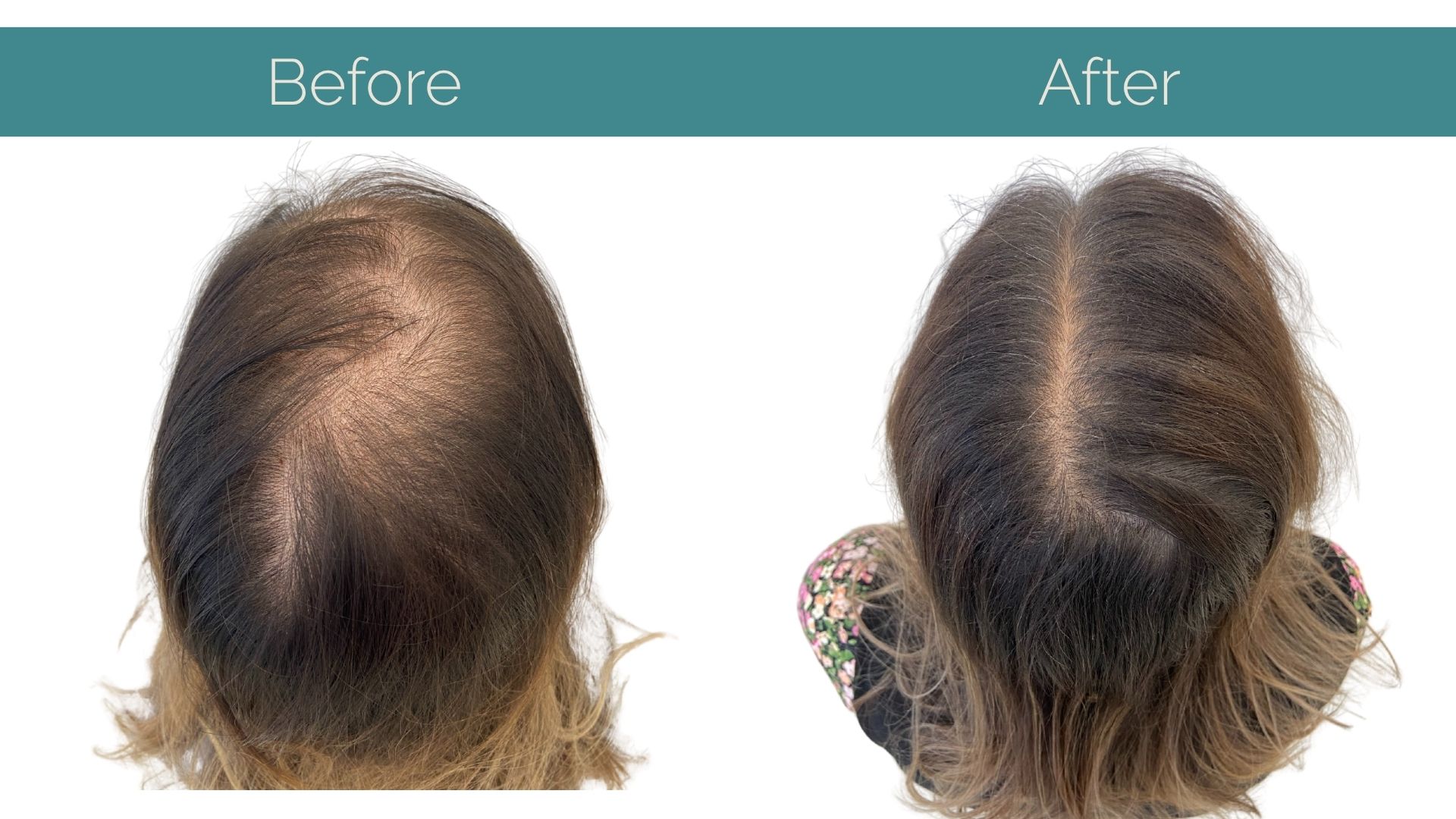
Winter: Quiet, Covered and Recovery-Friendly
Winter can be an excellent season for people who want a discreet and calmer recovery period.
The colder months naturally encourage more time indoors. There are fewer outdoor activities, less sun exposure and usually less sweating. For many patients, this makes winter one of the easiest times to follow aftercare instructions without feeling as though they are missing out.
Work and social calendars may also be quieter for some people, especially in January and February. After the Christmas period, many people slow down, reset their routines and spend more evenings at home. This can create a useful opportunity for recovery.
Another benefit of winter is privacy. If you are not ready to tell many people about your procedure, it may be easier to keep a lower profile during the colder months. People are generally wrapped up, staying indoors more often, and less likely to be scrutinising changes in appearance.
However, winter has its own practical points to consider. Hats, for example, can be a problem in the early recovery stage. While it may be cold outside, anything that rubs against or presses on the newly treated area may need to be avoided until your clinic advises it is safe.
Dry air can also affect the scalp. Central heating, cold winds and lower humidity may contribute to dryness or flaking. This does not usually prevent someone from having a transplant in winter, but it does mean scalp care and hydration may need extra attention.
So, Which Season Is Best?
The honest answer is that there is no single ideal season for every hair transplant patient.
Autumn and winter are often seen as strong choices because they tend to offer cooler temperatures, reduced sun exposure and fewer outdoor distractions. For many people, they create a more manageable recovery environment.
Spring can also be a good option, especially for those who like the idea of having the procedure before summer. It offers mild weather and a sense of personal renewal, though allergy sufferers may need to plan carefully.
Summer is usually the most challenging season from an aftercare perspective, but it can still work for people who are prepared to avoid sun, sweat, swimming and high-activity plans during the early recovery stage.
The best time is ultimately the point in the year when you can give the procedure the attention it deserves. That means choosing a period when you can rest, follow aftercare properly, avoid unnecessary irritation and attend any follow-up appointments.
Questions to Ask Before Booking
Before choosing your date, it is worth asking yourself a few practical questions.
Do you have any major events coming up in the next few weeks? Can you take time away from work or reduce social commitments? Are you planning a holiday, gym challenge, wedding, festival or sports event? Are you comfortable avoiding hats, swimming, heavy exercise and direct sun exposure for the recommended period?
It is also important to think emotionally. Some people want privacy during recovery. Others are happy to be open about the process. Some prefer to get it done during a quiet work period, while others want to use annual leave.
There is no right or wrong answer, but the timing should feel realistic.
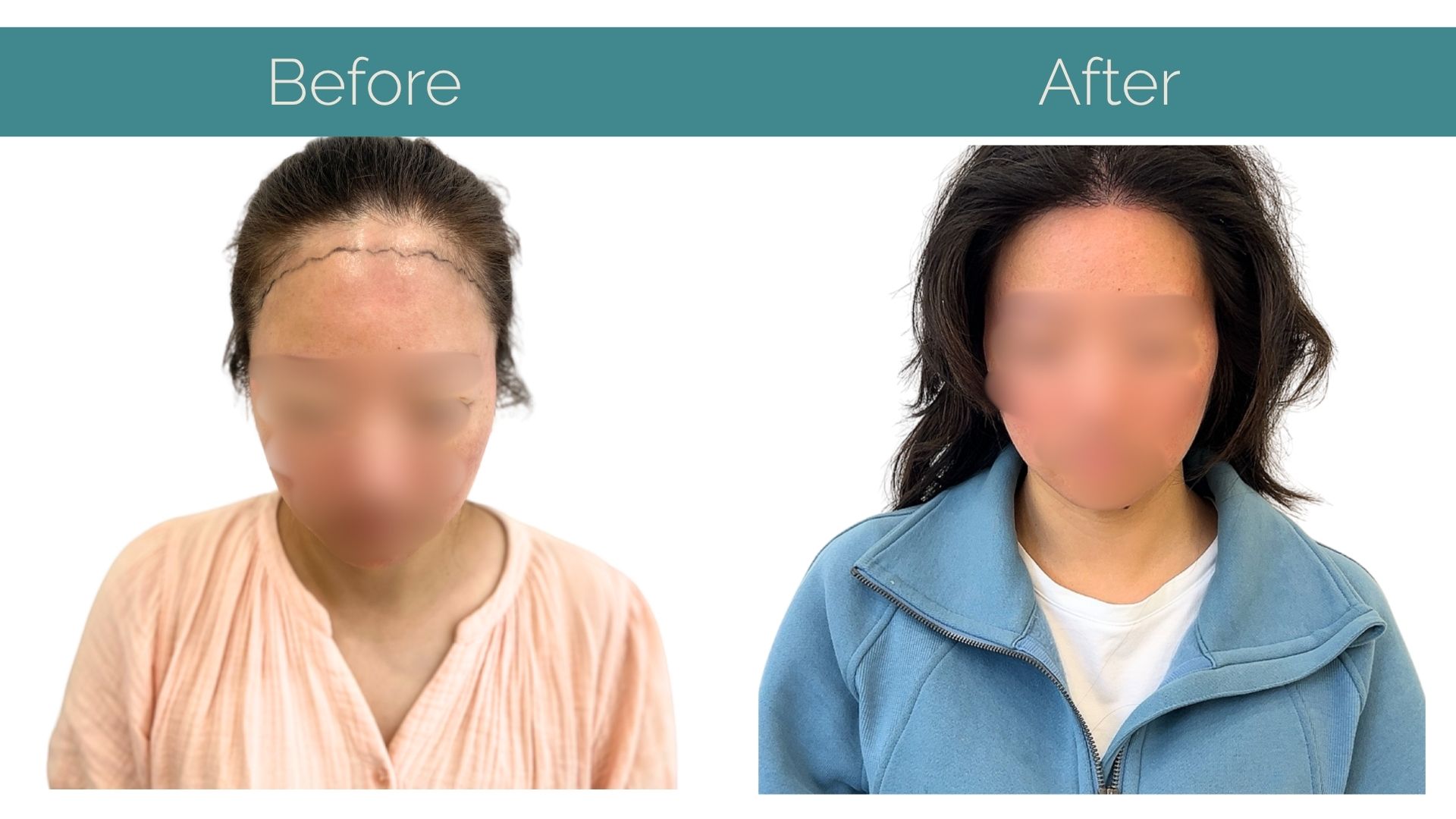
Final Thoughts: Plan Around Your Life, Not Just the Calendar
A hair transplant can be carried out successfully at any time of year, but the experience can feel easier when the timing suits your lifestyle.
The season matters because recovery matters. Cooler weather, reduced sun exposure and quieter routines can all make aftercare more straightforward. However, the most important factor is not simply whether it is spring, summer, autumn or winter. It is whether you can properly commit to the recovery process.
For anyone considering treatment, planning ahead is key. Look at your calendar, think about your work and social commitments, and speak to an experienced clinic about what to expect before, during and after the procedure.
With the right timing, realistic expectations and professional guidance from a reputable provider such as IK Clinics, a hair transplant can become not just a cosmetic decision, but a carefully planned step towards renewed confidence.
About IK Clinics
At IK Clinics, we are proud to stay at the forefront of global hair restoration trends, offering a variety of advanced techniques to meet the diverse needs of our clients. From FUE, PRP to Stem Cell Therapy, we ensure that every client’s treatment is tailored to their personal goals, helping them regain not just their hair but also their confidence.
Interestingly, we don’t just stop at hair restoration treatments, our highly skilled team also offers a range of anti-aging treatments.