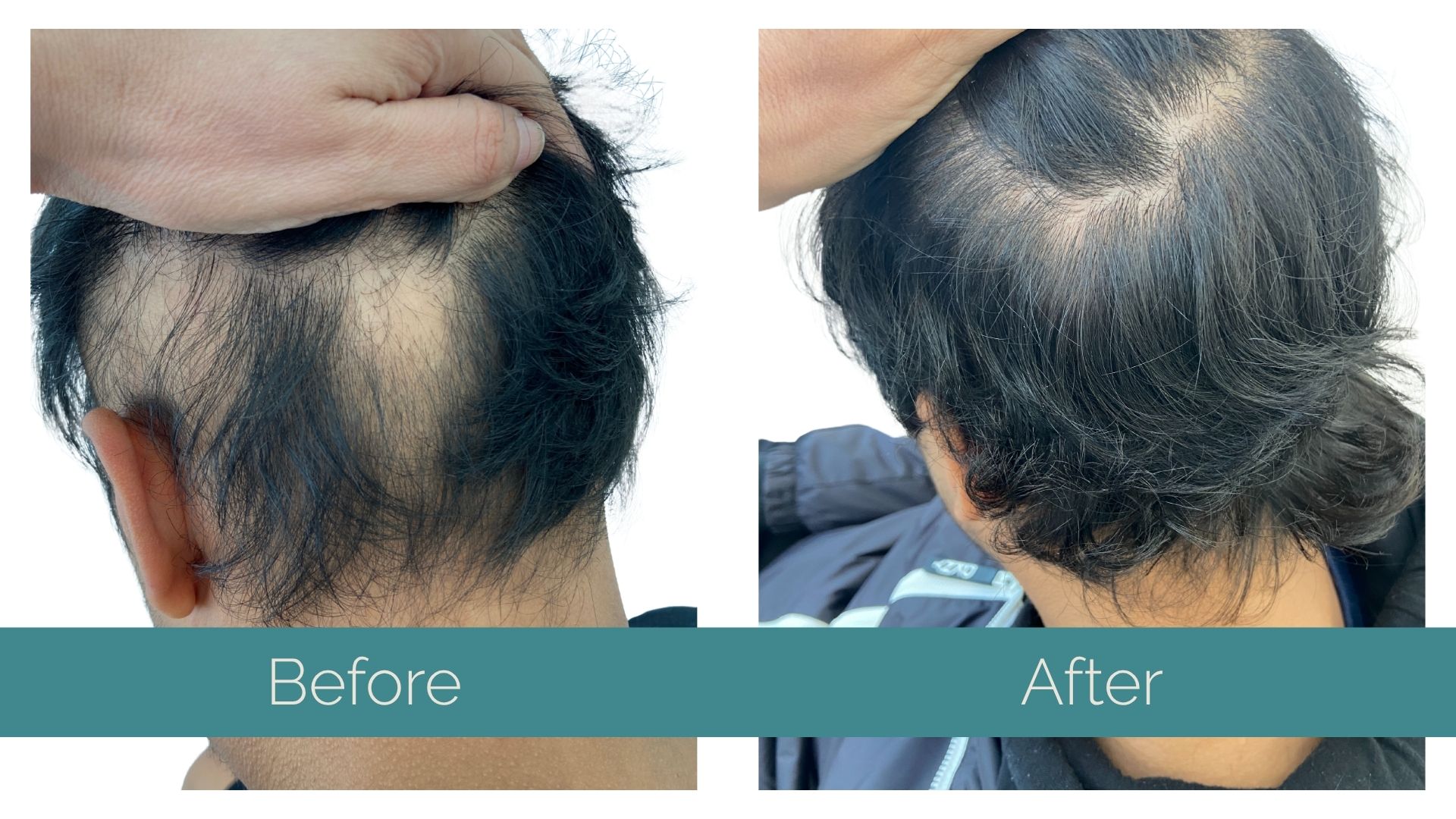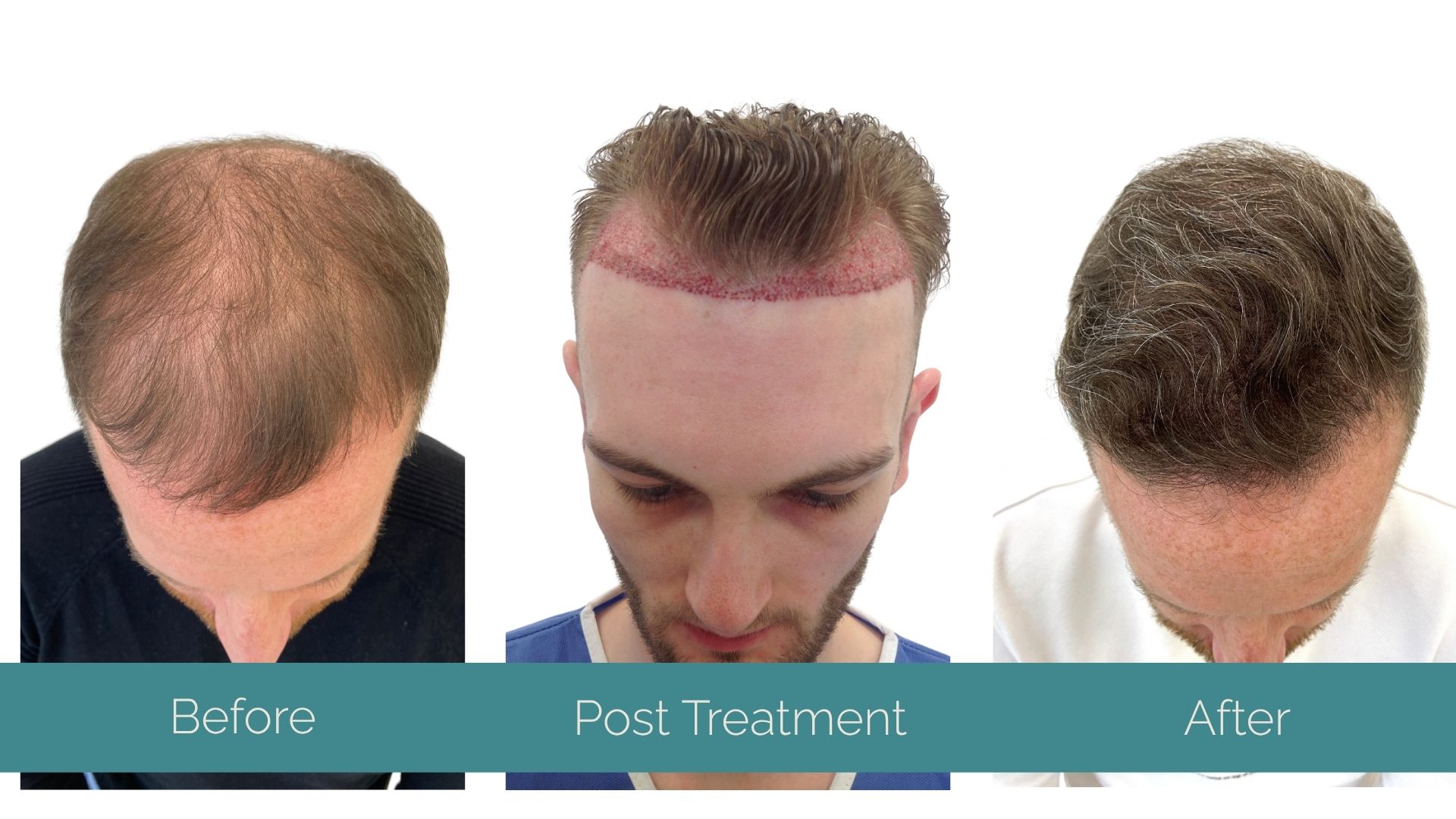
For many women, the change is gradual enough to second-guess, but persistent enough to become impossible to ignore.
That slow-burn nature is exactly what makes it so unsettling. Hair is closely tied to identity, confidence, and self-expression. It frames the face, shapes first impressions, and often carries emotional meaning that goes far beyond appearance.
When density starts to fade, it can feel like you’re losing something personal – something that helps you recognise yourself.
Female pattern hair loss, also known as androgenetic alopecia, is one of the most common reasons women experience progressive thinning over time. The key word is progressive: it usually develops slowly, and while it rarely leads to complete baldness, it can noticeably reduce volume, change how hair sits, and affect how comfortable someone feels in photos, social settings, or even day-to-day routines.
What Female Pattern Hair Loss Looks Like in Real Life
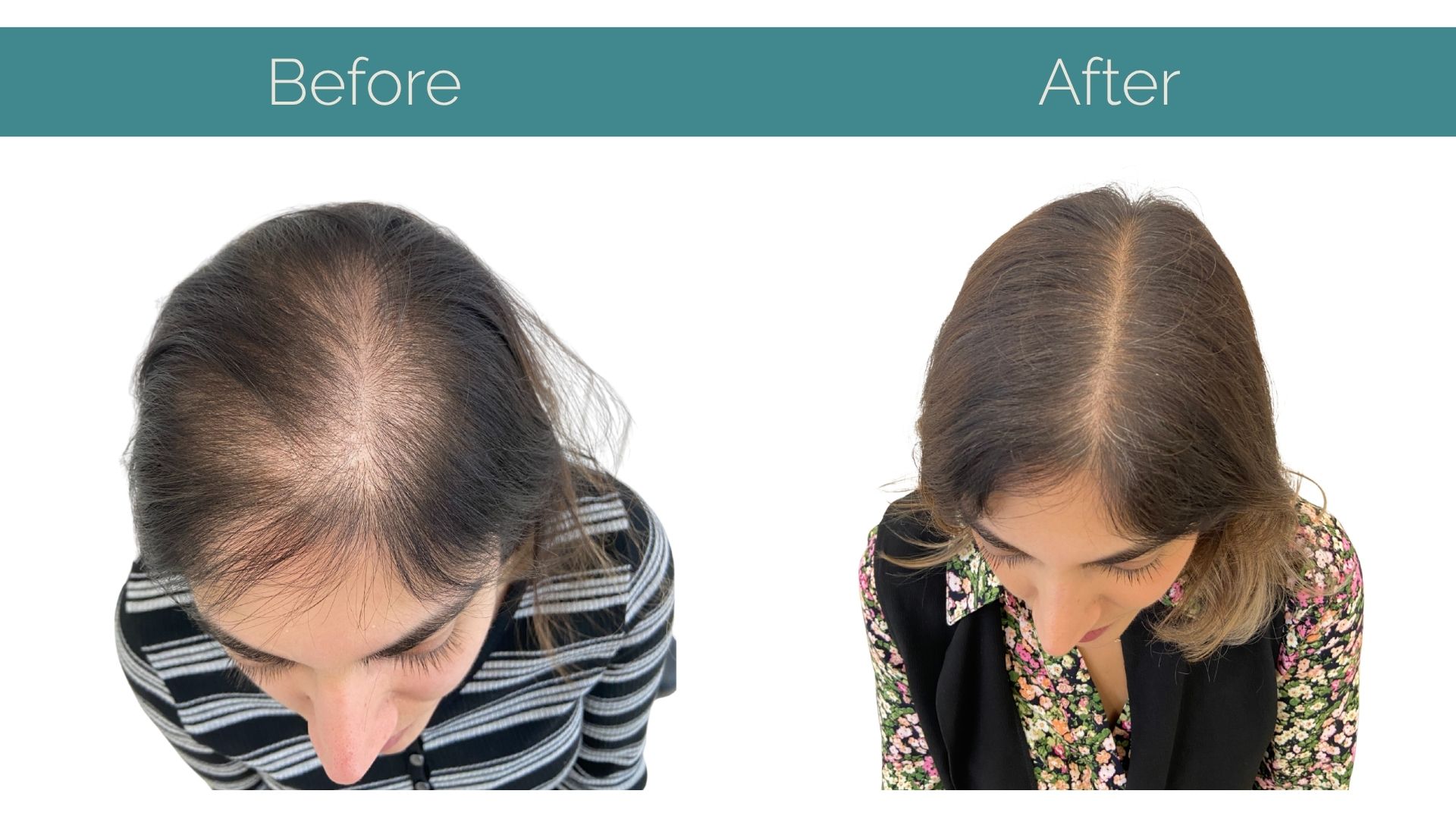
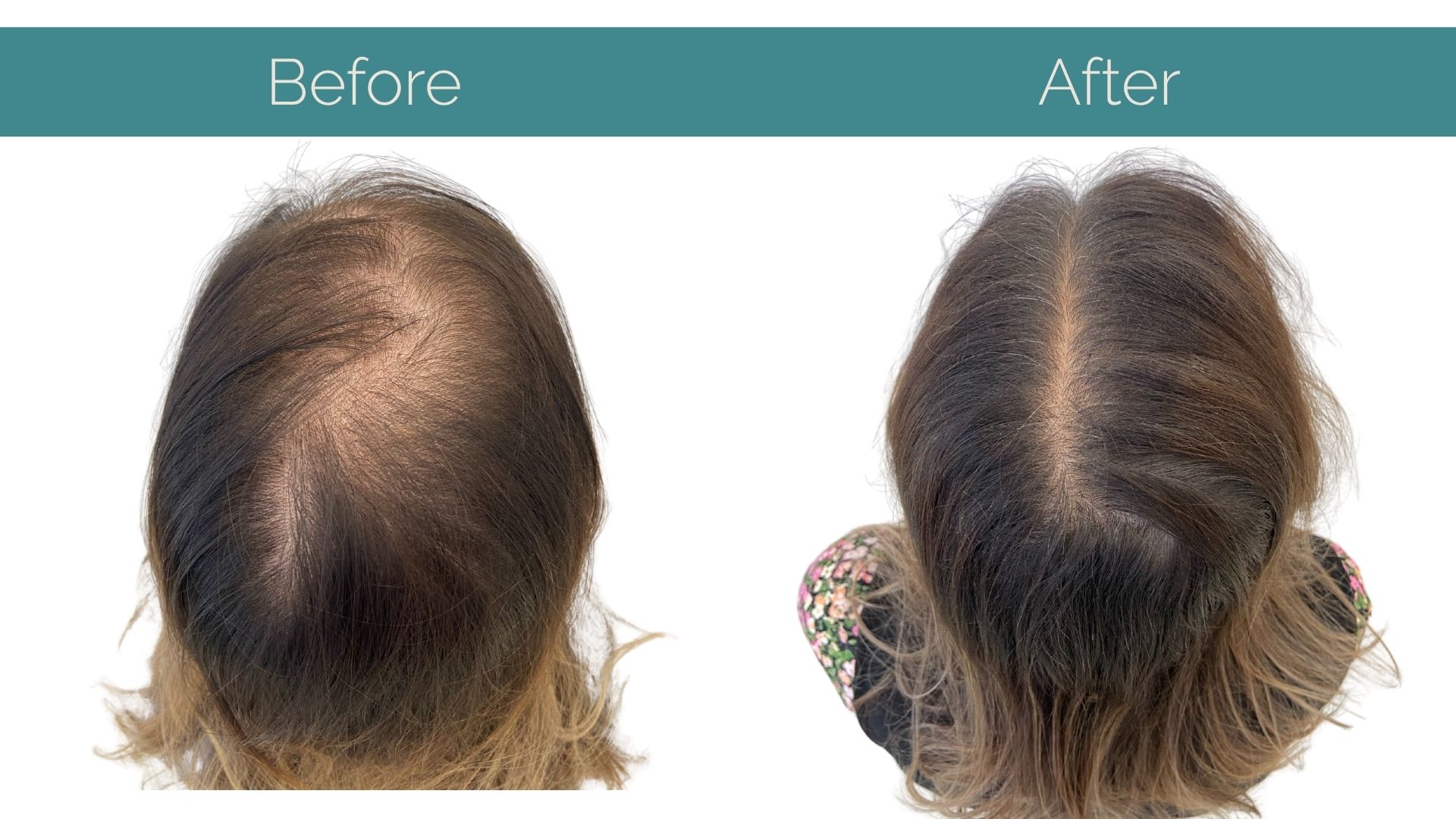
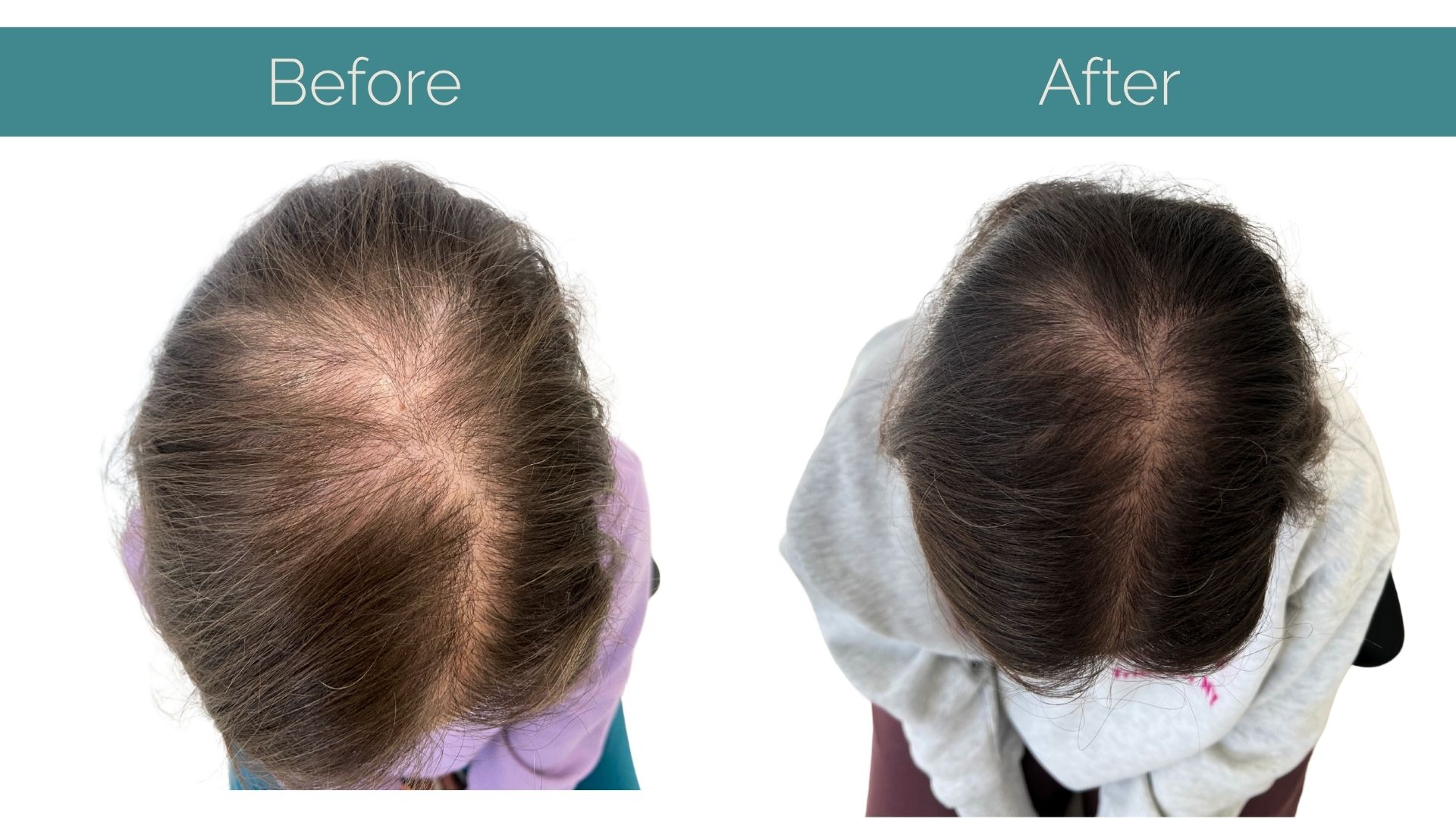
Female pattern hair loss tends to show up as a general reduction in density across the top of the scalp, particularly around the crown and the central parting.
Unlike typical male-pattern balding, which often creates a receding hairline or distinct bald patches, female pattern hair loss is more diffuse and can be harder to spot early on because it doesn’t always look “obvious” at first.
Many women notice that their parting begins to widen gradually, or that their scalp is more visible under bright lights, especially in changing rooms, bathrooms with overhead lighting, or in photos with flash.
Styling can start to feel different too, with hair appearing flatter at the roots or refusing to hold volume the way it once did. Because these changes happen slowly, it’s common to only fully recognise the pattern when looking back at older pictures.
Female pattern hair loss often begins in the 30s or 40s, but it can start earlier. It can also become more noticeable with age, particularly around perimenopause and menopause, when hormonal changes may accelerate the process for some women.
The Hidden Mechanics Behind the Thinning
To understand female pattern hair loss, it helps to picture the scalp as an ecosystem of hair follicles, each operating on a growth cycle.
Hair isn’t constantly growing; it moves through phases, including a growth phase, a resting phase, and a shedding phase before a new hair grows again. In a healthy cycle, the growth phase lasts long enough for hair to reach good length and thickness.
With female pattern hair loss, that cycle shifts. The growth phase becomes shorter, meaning hairs don’t have as long to grow before they shed. Over time, the follicles themselves can gradually shrink, producing hairs that become finer, weaker, and less pigmented.
This “miniaturisation” is one of the defining features of the condition and explains why hair can feel like it’s becoming wispy or less substantial, even if you’re not seeing dramatic shedding in the shower.
This is also why early action matters. Once a follicle has miniaturised significantly, it becomes harder to coax it back into producing thicker strands, which is why specialists often emphasise the value of recognising changes early rather than waiting until thinning becomes advanced.
Why It Happens: Genetics, Hormones, and Health Triggers
For most women, female pattern hair loss is influenced by genetics. If close female relatives – such as your mother or grandmother – experienced thinning, you may be more likely to develop it too.
Genetics doesn’t guarantee it will happen, but it can increase susceptibility, particularly when combined with hormonal shifts that can make follicles more sensitive over time.
Hormonal changes are another major piece of the puzzle. Many women notice changes in hair density during life stages that affect hormones, such as after pregnancy, during perimenopause, or after menopause.
As oestrogen levels change, follicles may become more vulnerable to the effects of androgens. While women naturally produce androgens, increased sensitivity at the follicle level can contribute to miniaturisation in those genetically predisposed.
There are also medical factors that can worsen or mimic female pattern hair loss. Thyroid disorders, iron deficiency, and polycystic ovary syndrome (PCOS) can all influence shedding and thinning, sometimes compounding the pattern or speeding up visible changes.
Lifestyle plays a part too, especially when the body is under stress. Chronic stress, poor sleep, restrictive dieting, and inadequate protein intake can push more hairs into the resting phase, which can make density feel like it’s dropping faster than usual.
The Emotional Weight Women Carry with Hair Loss
The impact of thinning hair is rarely just cosmetic. For many women, it can change how they feel in their own skin.
The experience often involves a quiet mental load – checking mirrors, adjusting hairstyles, avoiding certain lights, or feeling a spike of anxiety before photos or events. It can influence confidence in ways that are difficult to explain to someone who hasn’t lived it.
Hair loss is also often wrapped up in cultural messaging about youth, beauty, and femininity. When thinning begins, it can feel like time is moving faster than you are, or that your appearance is changing without your permission.
It’s common to feel frustrated, worried, or even embarrassed, but it’s important to remember that female pattern hair loss is extremely common and not a reflection of health, attractiveness, or worth.
Acknowledging the emotional side is not indulgent; it’s practical. When stress and anxiety rise, it becomes harder to stay consistent with treatments that require patience and routine. Support – whether from trusted friends, online communities, or a clinician who treats the issue with respect – can make the journey feel far less isolating.
What You Can Do Early: The Non-Surgical Toolkit
When female pattern hair loss is caught early, non-surgical approaches can be genuinely useful.
The starting point is often the basics: making sure the body has the nutrients it needs to support hair growth. Hair is built from protein, and it’s sensitive to deficiencies, especially iron and certain micronutrients.
A balanced diet with adequate protein, leafy greens, legumes, nuts, seeds, and a range of vitamins can help create the right conditions for healthier growth.
Scalp care can be an overlooked piece of the picture. The scalp is skin, and when it’s irritated, inflamed, or clogged with heavy product build-up, follicles may not thrive. Gentle cleansing routines and mindful product use can help, particularly for those who rely heavily on dry shampoo or styling products.
Some women find scalp massage helpful, not only for circulation but also for stress reduction, which can be a meaningful benefit in itself.
One of the most commonly recommended non-surgical treatments is topical minoxidil, which is widely used to help slow loss and support regrowth in some cases. It requires consistency and time, and results vary, but it remains one of the better-known options in this space.
Low-level laser therapy devices, such as laser caps or combs, are another non-invasive approach some women explore to stimulate follicles and improve density over time. While outcomes differ from person to person, the appeal is that these options can be pursued without surgery and with minimal disruption to everyday life.
When Thinning Moves Further Along: Advanced Options
If female pattern hair loss progresses, some women find that lifestyle adjustments and topical options don’t deliver the kind of visible improvement they’re hoping for. In those cases, more advanced treatments may be considered, usually with specialist guidance to ensure you’re choosing the right option for your pattern of loss and your overall health.
Platelet-rich plasma (PRP) therapy is one treatment that has gained attention. It involves taking a small amount of blood, processing it to concentrate platelets, and injecting that platelet-rich solution into the scalp. The aim is to deliver growth factors that may support follicle activity and improve thickness.
PRP is often done as a course of sessions and may require ongoing maintenance to sustain results.
For women where hormones play a significant role, certain prescription medications may be discussed under medical supervision. Treatments such as spironolactone are sometimes used to reduce the impact of androgens on hair follicles, but they must be managed carefully and are not appropriate for everyone.
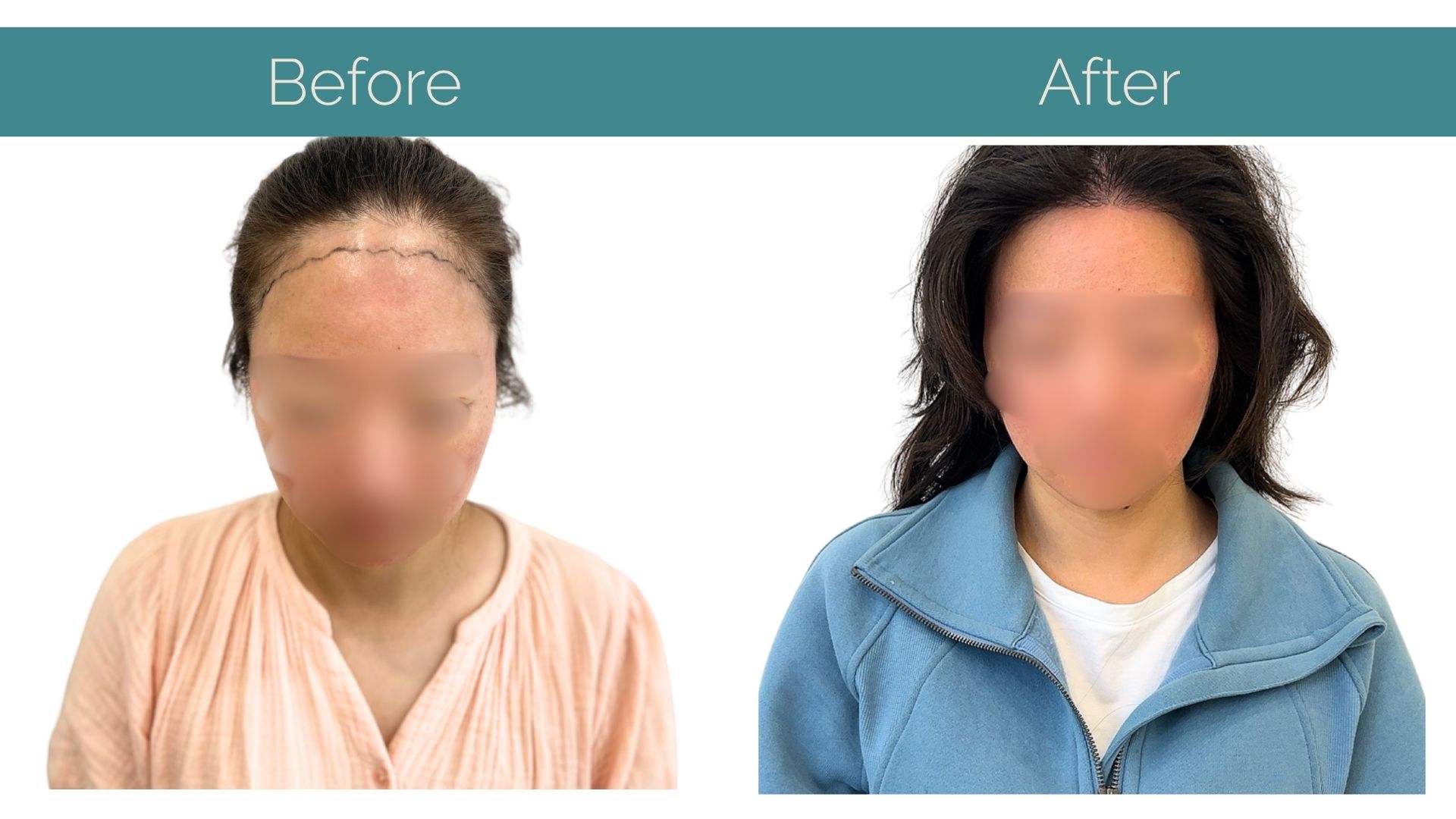
Hair transplantation is another option for selected cases, particularly when the donor area at the back of the scalp is strong. Techniques such as Follicular Unit Extraction (FUE) can move healthy follicles into thinning areas to restore density and shape.
It’s important to understand that a transplant is not a cure for the underlying tendency to thin, so long-term planning often involves combining transplant work with strategies to protect existing hair.
When It’s Time to Speak to a Professional
If you’ve noticed consistent thinning, a widening parting, or increased shedding that doesn’t settle over time, speaking to a dermatologist or hair loss specialist can be a valuable step.
A professional assessment (consultation) can help confirm whether you’re dealing with female pattern hair loss or another condition that may look similar but needs a different approach. It can also help identify contributing factors such as iron deficiency, thyroid imbalance, or hormonal issues that can be addressed alongside hair-focused treatments.
Early guidance can prevent months of trial-and-error and reduce the emotional strain of guessing what’s happening. Even when the diagnosis is female pattern hair loss, clarity can be a relief, because it turns fear into a plan and gives you realistic expectations about what can improve and what can be stabilised.
Conclusion: Turning Worry into a Practical Plan
Female pattern hair loss can feel deeply personal, but it is also remarkably common – and importantly, it is not something you have to navigate in silence.
Understanding the condition is often the first turning point, because it reframes thinning hair from a confusing, emotional experience into a clear pattern with identifiable drivers and realistic options.
Whether you begin with nutrition, scalp care, and non-surgical treatments, or explore advanced therapies like PRP, hormone-led prescriptions, or transplantation, the most important thing is that you take a route that fits your needs and your comfort level.
Progress is often measured in months rather than days, but with consistency, support, and a tailored approach, many women find they can regain not just hair confidence, but the sense of control that hair loss often tries to take away.
About IK Clinics
At IK Clinics, we are proud to stay at the forefront of global hair restoration trends, offering a variety of advanced techniques to meet the diverse needs of our clients. From FUE, PRP to Stem Cell Therapy, we ensure that every client’s treatment is tailored to their personal goals, helping them regain not just their hair but also their confidence.
Interestingly, we don’t just stop at hair restoration treatments, our highly skilled team also offers a range of anti-aging treatments.