Subtle changes at the forehead can set off big questions: is this just the normal shift of adulthood, or the start of hair loss?
Here’s a clear, reporter’s-eye view of what’s typical, what’s not, and what you can do about it.
The “Maturing Hairline” – Nature Taking Its Course
In adolescence, most of us sport a straight, low “juvenile” hairline. As we move through our late teens and early twenties, that line often migrates a touch higher. This is the maturing hairline: a gradual, even shift – usually about one to two centimetres – across the whole forehead.
Crucially, density stays consistent. You won’t notice patchy thinness, widening gaps, or islands of bare scalp. The hairline lifts, then stabilises.
It’s a universal, age-related change seen in men and women, and it doesn’t keep marching back year after year. In short: normal, expected, and not a sign of ongoing loss.
The Receding Hairline – When Change Becomes Progressive
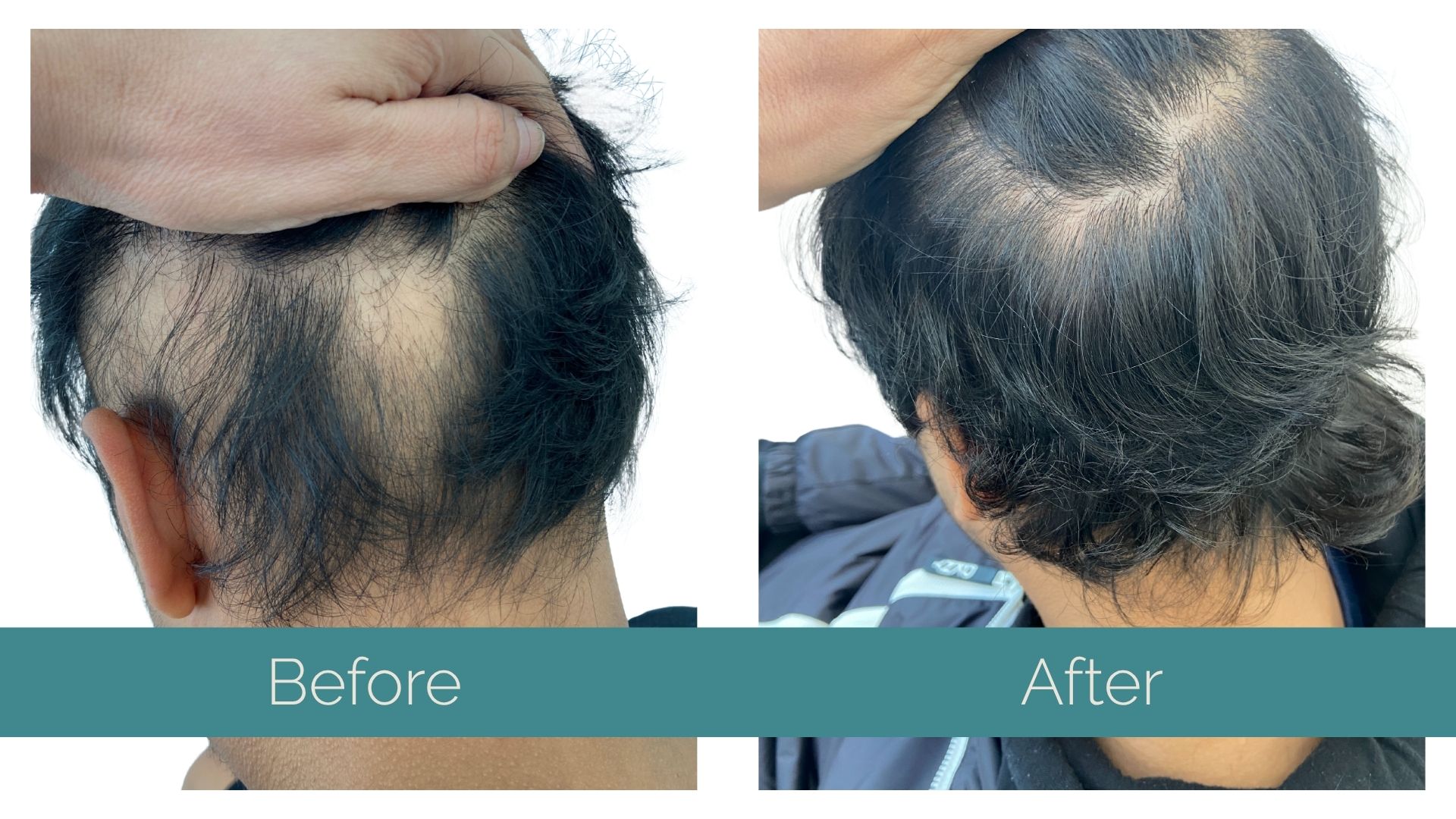
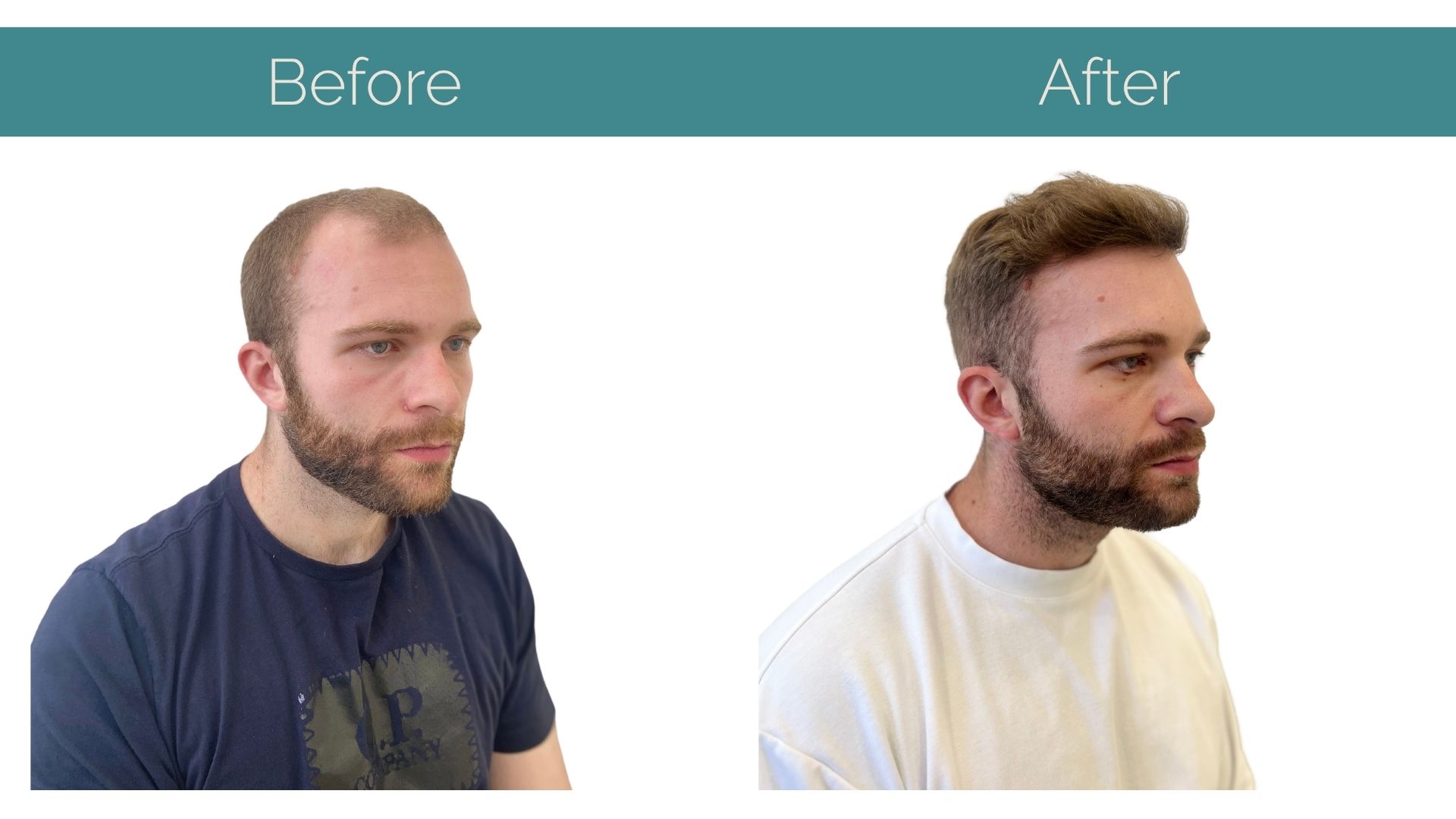
A receding hairline tells a different story. Rather than a uniform lift, the movement is uneven and continues over time.
The first giveaway is often at the temples, forming an “M” shape. Alongside the shape change, you may spot finer, less dense hairs at the frontal line and temples, plus more visible scalp in bright light or photos.
Genetics are a powerful driver here – family history matters. While commonly linked to male pattern hair loss, women can experience recession too, particularly with hormonal shifts, post-pregnancy changes, or certain health conditions.
The headline difference? Progression. A receding hairline tends to keep going unless you intervene.
Quick Self-Check: Subtle vs. Serial
Think of it like this. A maturing hairline is a one-off adjustment that levels out. A receding hairline behaves more like a trend line – changing shape, thinning in specific zones, and advancing over months and years.
If old photos show a steady move backwards at the temples, not just a small uniform lift, you’re likely dealing with recession.
Can You Prevent Recession – or At Least Slow It?
You can’t rewrite your genes, but you can stack the odds in your favour. Start with scalp and hair habits that reduce strain on follicles.
Choose gentle shampoos, avoid aggressive chemical treatments, and go easy on high heat. Hairstyles that tug – tight ponytails, braids, or frequent extensions – can accelerate breakage and loss along the hairline.
Lifestyle has a supporting role. Chronic stress is linked to shedding, so regular exercise, decent sleep, and stress-management routines genuinely help. A balanced diet with iron, zinc, biotin, and vitamin D supports hair health; think leafy greens, nuts, eggs, fish, and whole foods over ultra-processed options.
None of this is a silver bullet – but together these habits can slow the slide and improve overall hair quality.
Treatment Options: From Topicals to Transplants
If you’re already noticing ongoing recession, evidence-based treatments exist. Topical minoxidil is widely used to stimulate growth and support density, and oral finasteride (for men) can help by targeting the hormonal pathway implicated in male pattern loss.
These medicines can slow progression and, in some cases, promote regrowth – but they’re not for everyone. Speak to a clinician or trichologist before starting; suitability and side-effects vary, especially for women and people planning a pregnancy.
Non-drug options include low-level laser therapy devices, which aim to support scalp blood flow, and routine scalp care to keep the environment healthy.
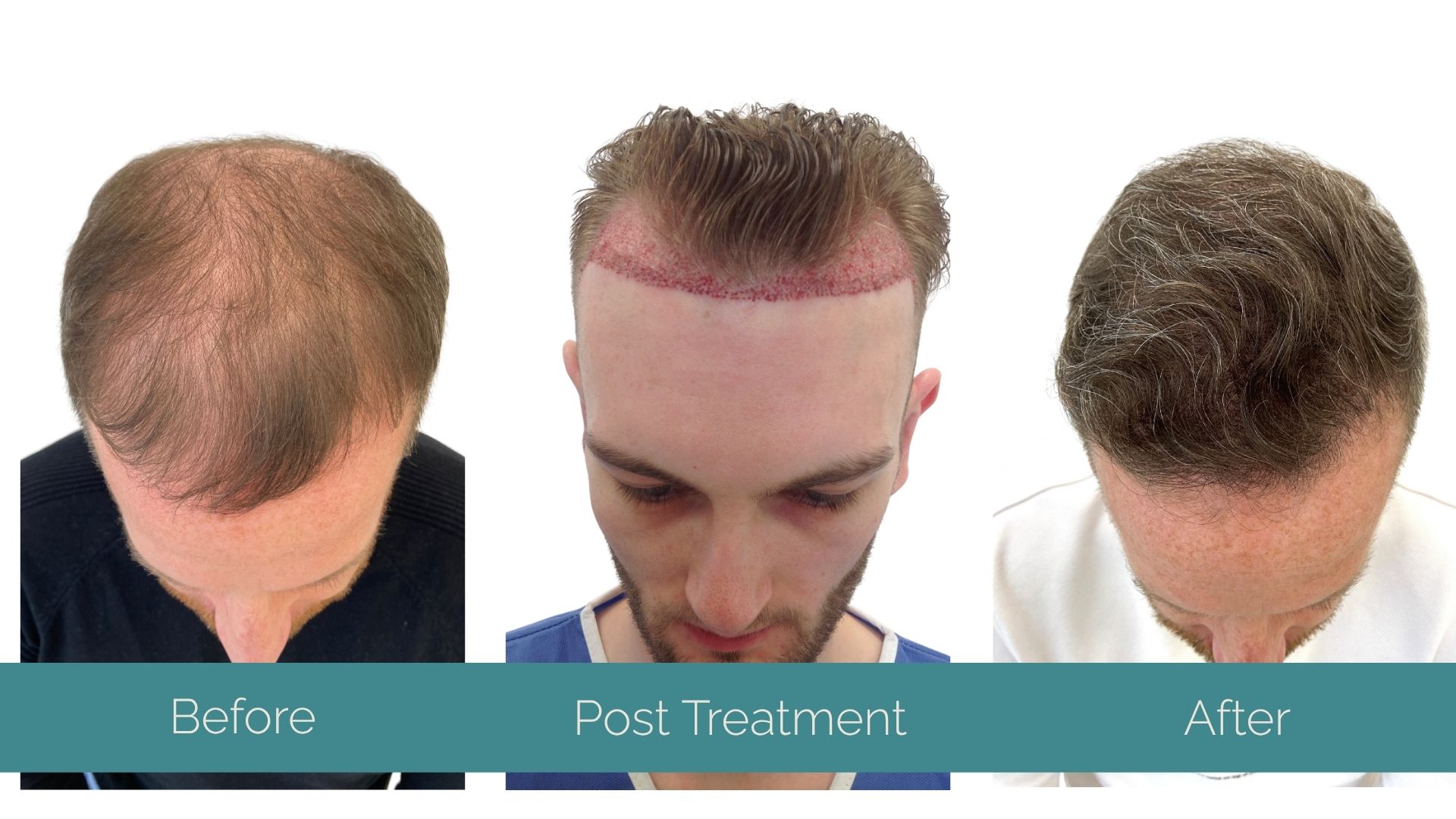
For a longer-term structural fix, hair transplantation – particularly Follicular Unit Extraction (FUE) – relocates robust follicles from the back and sides to the thinning front, creating natural, permanent coverage when performed by skilled surgeons.
Women and Hairlines: Not Just a Men’s Issue
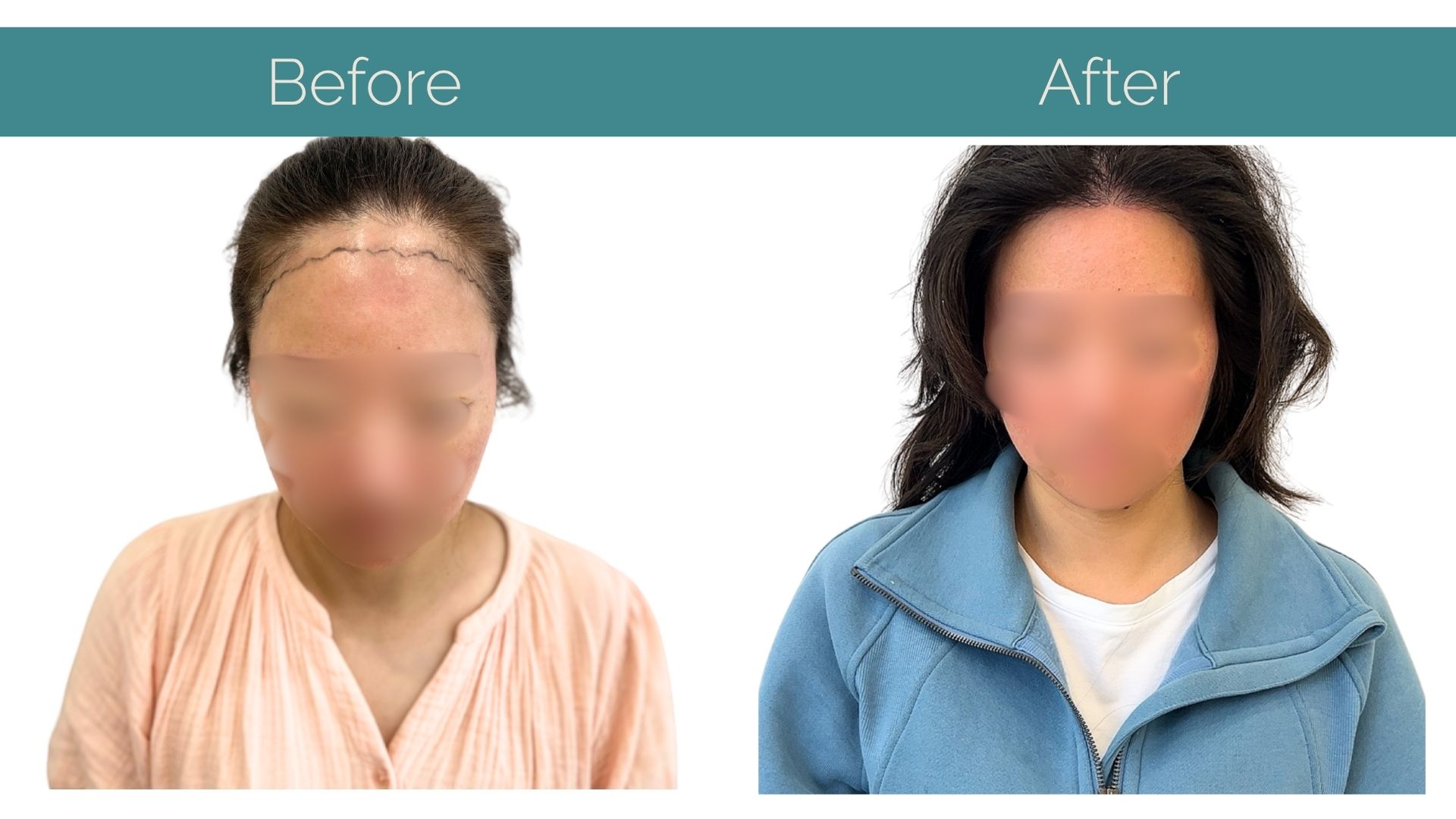
While the pattern often looks different in women – more diffuse thinning across the top or around the parting – temporal recession can still occur.
Post-partum shedding, menopause, thyroid issues, and nutritional deficiencies can all play a part. That makes professional assessment especially valuable; a specialist can separate temporary shedding from patterned loss and tailor a plan that’s safe and effective.
FAQs, Answered Briefly
Can a maturing hairline “turn into” a receding one?
They’re distinct, but a person with a genetically driven tendency to hair loss will still experience a small maturing shift – and may later see recession. The key is monitoring change over time.
Will a receding hairline grow back on its own?
Genetic hair loss rarely reverses without treatment. Early action generally yields better outcomes.
How long does a maturing hairline take to settle?
Typically, it completes its subtle shift in early adulthood and then stabilises.
The Bottom Line – and When to Seek Help
A maturing hairline is a gentle, even reshaping that settles down. A receding hairline is uneven, progressive, and often paired with thinning at the temples and frontal scalp.
If your photos show steady change or you’re worried by visible thinning, the smartest move is an early consultation. A specialist can confirm what you’re seeing, rule out other causes, and map a plan – from lifestyle tweaks to medical therapies and, if appropriate, surgical options.
Still unsure where your hairline stands? Book a professional assessment (for example, with the team at IK Clinics) and get clarity. With timely advice and the right approach, you can protect density, improve hair quality, and make confident decisions about next steps.
About IK Clinics
At IK Clinics, we’re not afraid to say that we’re proud to lead the way. Our expert team, advanced technology, and commitment to patient care ensure you get the best experience from start to finish.
What’s more, we offer a range of services in hair restoration, like FUE, Stem-cell and Plasma Therapy, along with various anti-aging treatments. Get in touch to find out more or book a consultation.