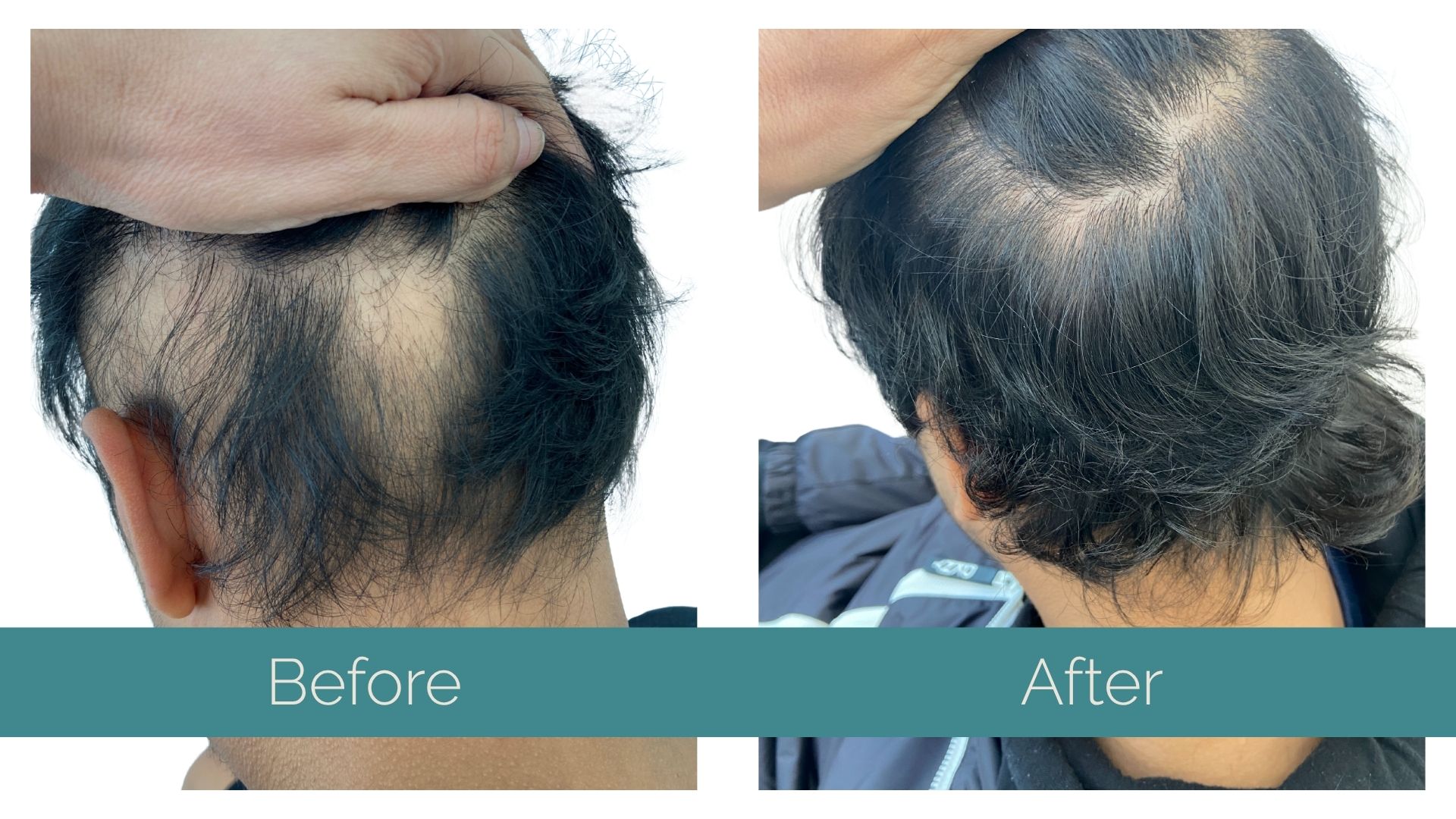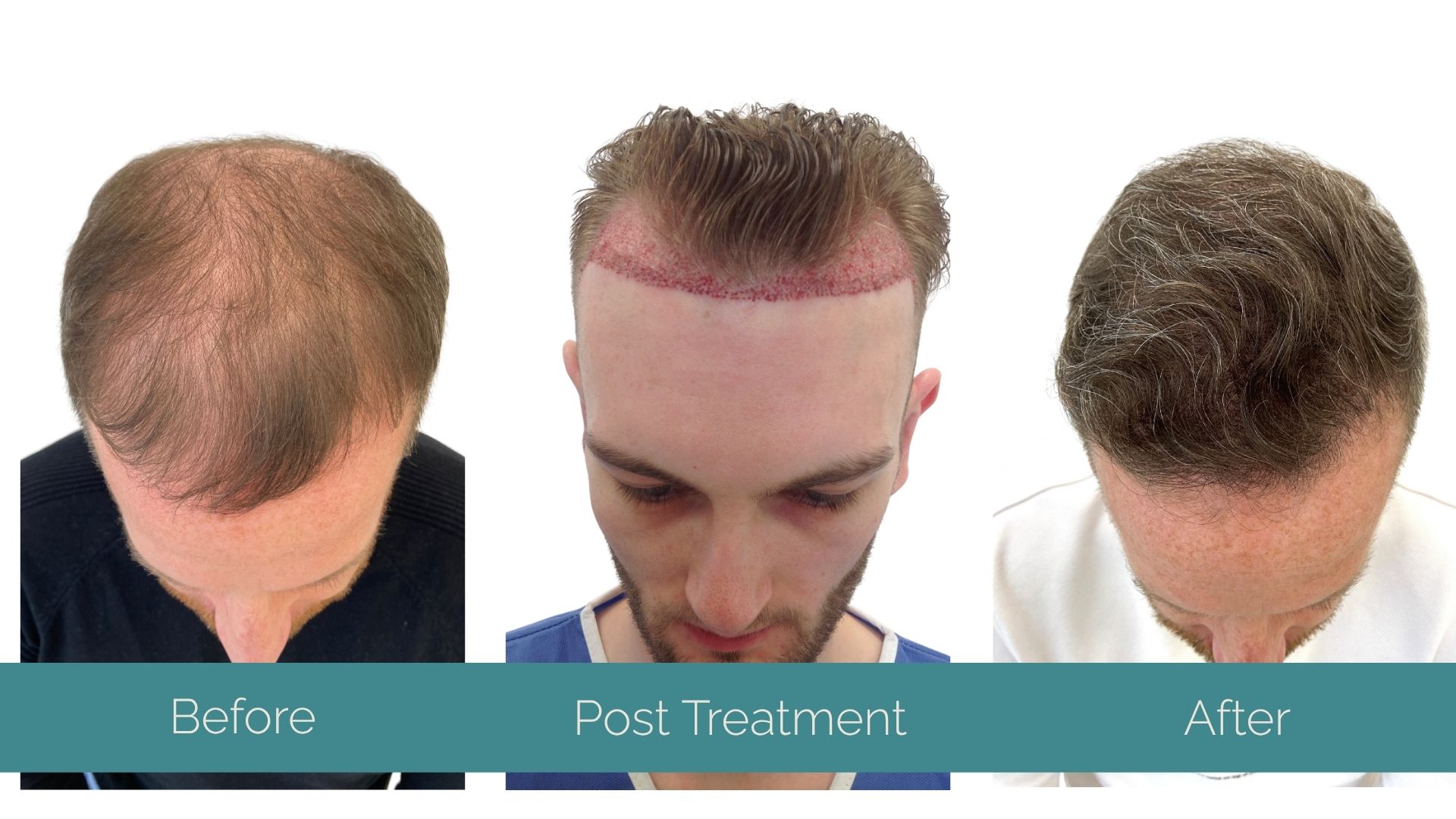
Now the industry has slipped into a new era, where robotics, high-definition imaging and precision tools are changing what patients can expect.
The headline promise is simple: more accuracy, less scalp trauma, and results that look increasingly like “you”, just with more hair where you want it.
From manual craft to precision-assisted work
Hair restoration has always been a blend of medicine and artistry, but historically it leaned heavily on the hands of the clinician. Today’s technology doesn’t replace that craft; it sharpens it.
Robotic assistance and automated tools are designed to reduce variability, streamline repetitive steps, and help practitioners deliver consistent graft quality.
In practical terms, it’s the difference between relying on steady hands alone and giving those hands a set of smart instruments that can measure, map and guide with remarkable consistency.
Scalp mapping: the procedure starts before a single graft moves
One of the biggest shifts robotics has brought is what happens before extraction even begins.
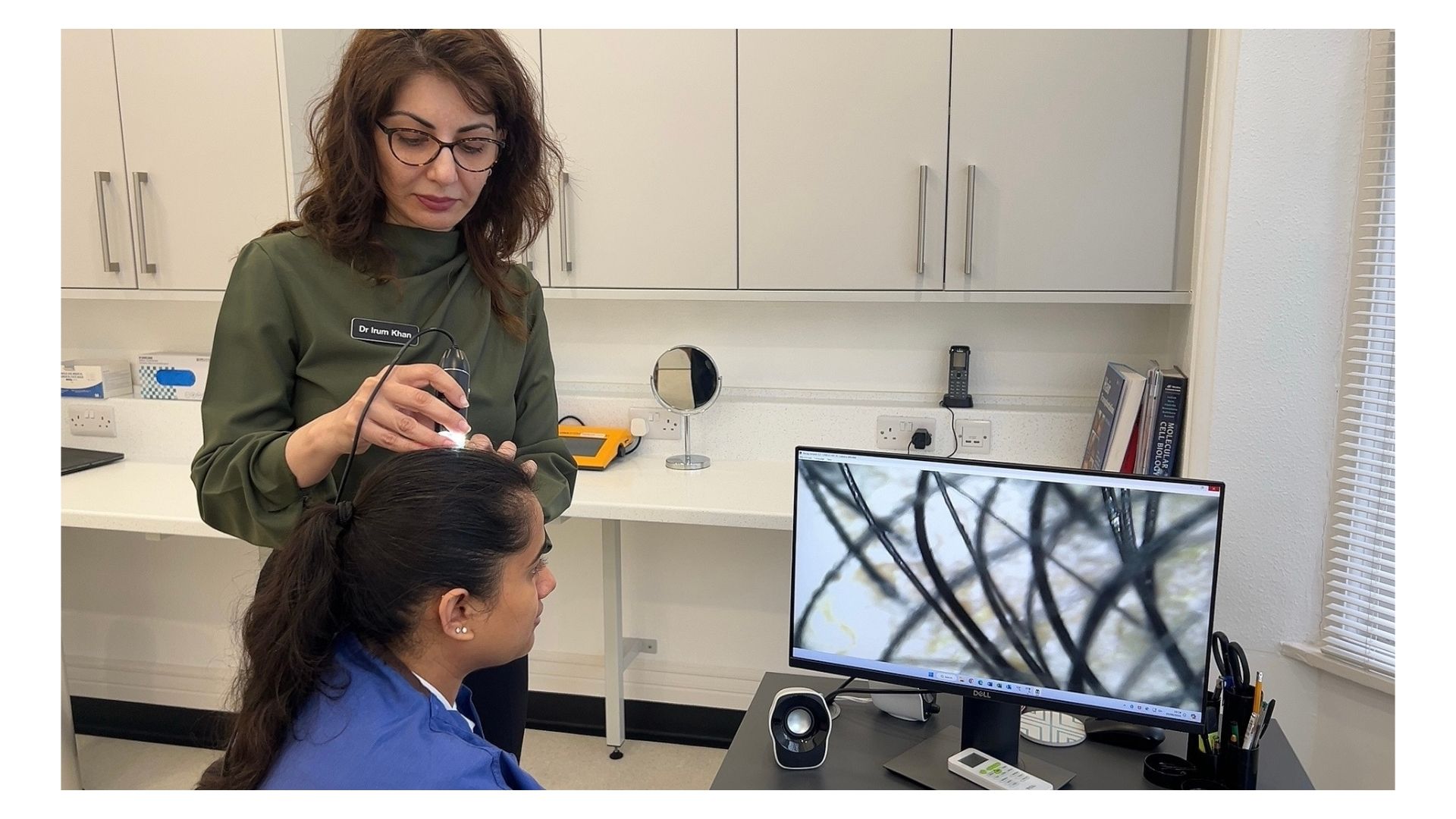
Advanced imaging systems can scan the scalp and build a detailed “map” of the donor area and thinning zones. With some systems, real-time imaging and software analysis help identify follicles that appear healthiest and most suitable for transplantation.
Rather than working purely by sight and experience (still vital), the clinician has extra layers of information to support decisions about selection and placement.
Robotic-assisted extraction: less guesswork, less wastage
At the heart of many robotic workflows is the extraction phase, often associated with FUE (Follicular Unit Extraction).
Robotic systems such as ARTAS® are designed to assist with identifying follicular units and supporting precise extraction. The value here is consistency: by working with imaging and algorithms that help guide the process, clinics aim to reduce the chances of damaging follicles during removal.
For patients, this can translate into a smoother healing experience in the donor area and potentially better overall graft survival, depending on individual factors and clinical skill.
Precision implantation: where natural results are won or lost
Extraction gets much of the attention, but implantation is where the final look is truly shaped.
Tools like the Choi Implanter are popular because they allow controlled placement of grafts at specific angles, depths and directions – details that determine whether hair falls naturally or looks “planted.”
Robotics and precision instruments can support this stage by improving repeatability, but the goal remains the same: to recreate how hair naturally grows, including subtle changes in direction across the hairline and crown.
Artificial intelligence: the behind-the-scenes organiser
Artificial intelligence‘s role in hair transplants is less about robots “taking over” and more about planning and decision support.
When clinics use AI-enhanced analysis, it can help model density, track graft distribution, and create more tailored treatment plans based on scalp condition and hair characteristics.
Done well, this planning reduces surprises on procedure day and helps align expectations – how much coverage is realistic, what density can be achieved safely, and what a phased approach might look like for progressive hair loss.
Why patients are paying attention: comfort, healing, confidence
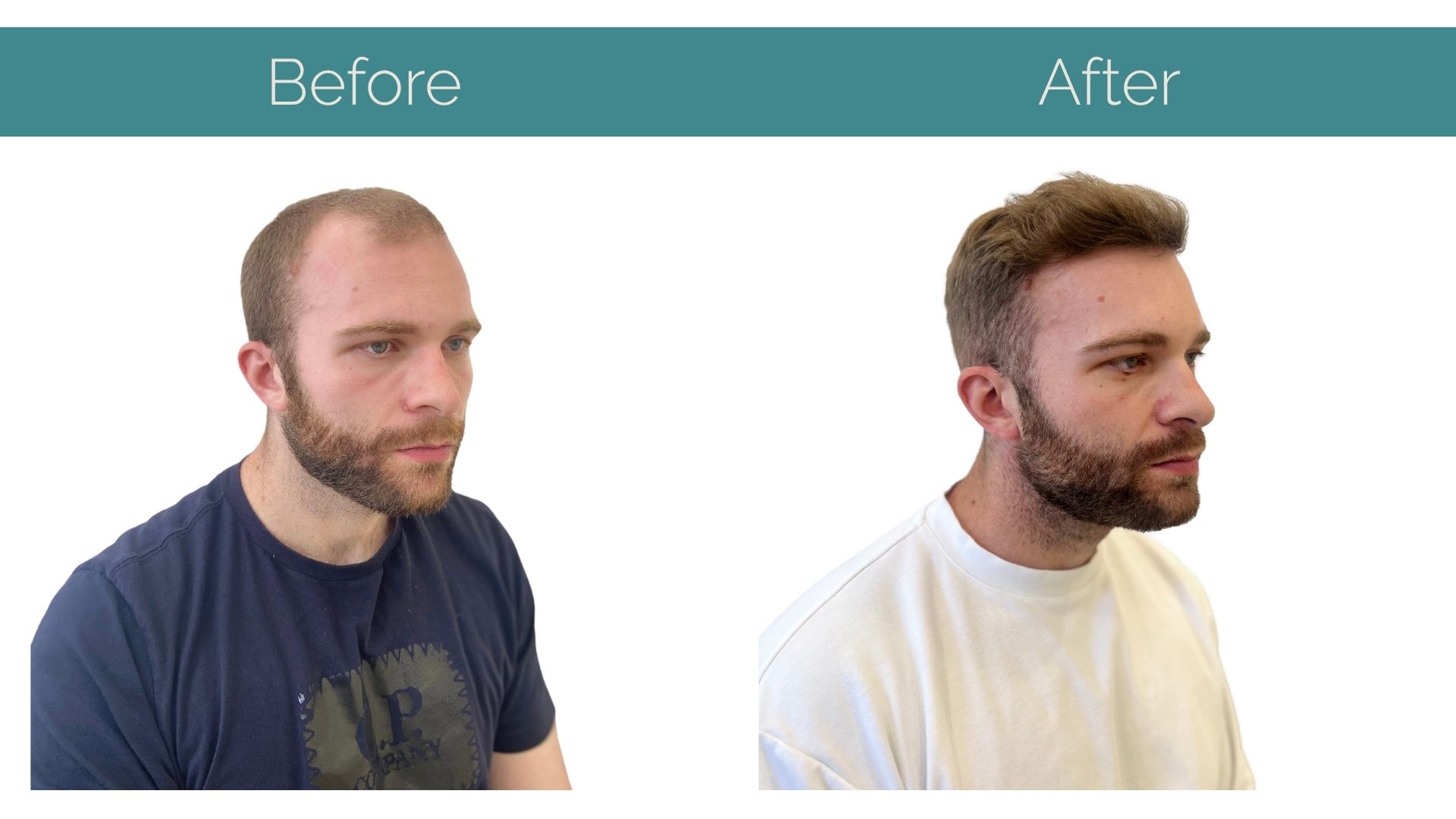
Robotic assistance is often associated with a less invasive experience, mainly because precision can mean less unnecessary trauma to surrounding tissue. Many patients are drawn to the idea of reduced discomfort, quicker recovery, and minimal visible scarring compared with older techniques.
There’s also a confidence factor: for someone nervous about the idea of a long procedure, technology can feel reassuring – like an extra set of checks and balances supporting the clinician’s work.
What clinics gain: efficiency without cutting corners
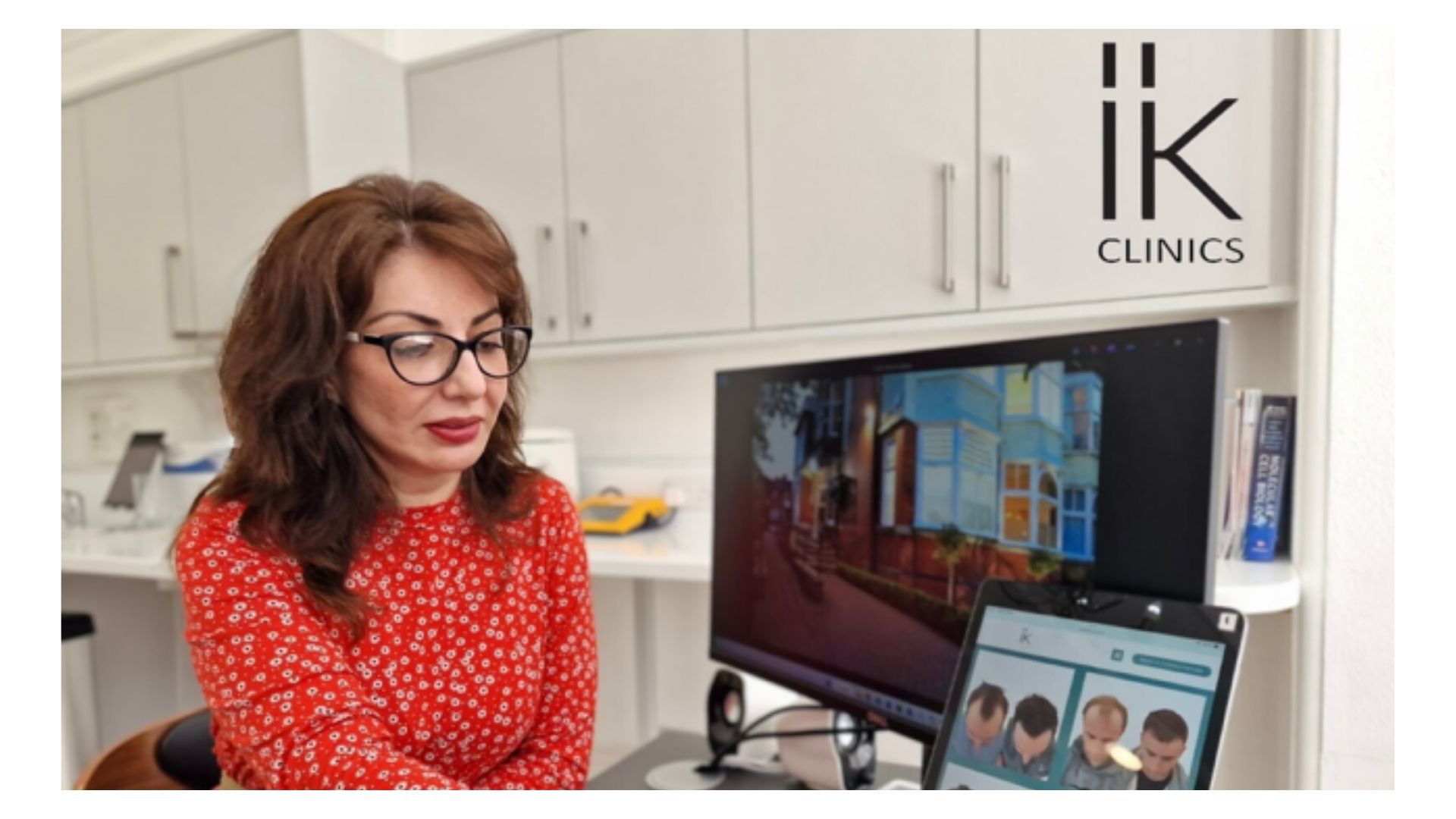
From the clinic’s perspective, robotics can improve workflow and reduce fatigue on tasks that demand intense concentration for hours. Streamlined extraction and better planning can shorten some parts of the procedure, which can improve the overall patient experience.
The key point, though, is that time efficiency only matters if quality stays high. The best clinics use technology to protect standards, not to rush the process.
Who benefits most: the case-by-case reality
Robotic-assisted transplants can suit many people experiencing hair loss – often genetic, sometimes hormonal, sometimes linked to lifestyle or health factors.
Suitability still depends on the fundamentals: donor area strength, hair calibre, the pattern of loss, and long-term planning (because hair loss can continue).
Some patients may be ideal candidates for highly tech-assisted workflows, while others may benefit more from manual expertise due to hair type, scalp characteristics, or the complexity of the restoration design.
The human touch: the one ingredient no machine can replicate
Here’s the part clinics don’t always say loudly enough: the surgeon’s judgement is still the difference-maker. Technology can identify follicles, assist precision, and support planning – but it can’t fully replicate an experienced clinician’s aesthetic decisions.
Designing a hairline that suits a face, age, and natural hair behaviour is not a spreadsheet exercise. It’s a combination of medical understanding and artistic restraint, and it remains stubbornly human.
Choosing the right clinic: what to look for beyond the buzzwords
If you’re exploring a transplant – whether at a clinic like IK Clinics or elsewhere – treat “robotics” as one part of the story, not the whole plot.
Ask how the technology is used, which steps are assisted, and what role the lead clinician plays throughout. A reputable clinic should talk you through realistic outcomes, recovery, and the long game of hair loss management, not just the kit in the room.
The best sign you’re in safe hands is clarity: clear planning, clear expectations, and a process that prioritises graft quality over gimmicks.
Final thoughts: the future is precise, but still personal
Robotics has undeniably raised the bar in modern hair transplants, bringing consistency, planning power, and a level of precision that was harder to achieve at scale in the past. But the most meaningful progress is what it enables: natural-looking outcomes with a more comfortable patient journey.
The future of hair restoration isn’t “robot vs surgeon” – it’s the smartest tools working alongside skilled professionals to deliver results that look effortless, because the work behind them was anything but.
About IK Clinics
At IK Clinics, we’re not afraid to say that we’re proud to lead the way. Our expert team, advanced technology, and commitment to patient care ensure you get the best experience from start to finish.
What’s more, we offer a range of services in hair restoration, like FUE, Stem-cell and Plasma Therapy, along with various anti-aging treatments. Get in touch to find out more or book a consultation.