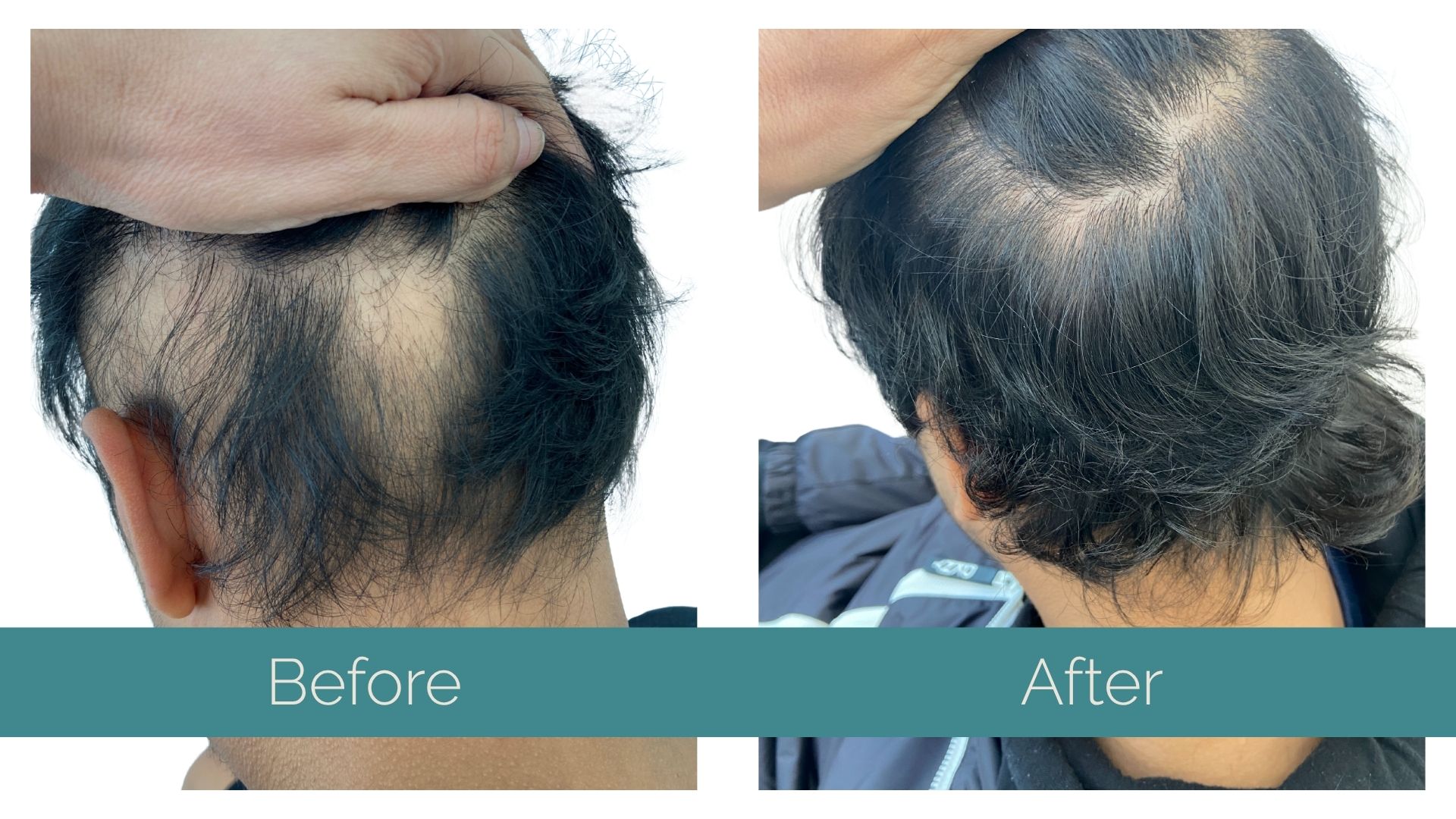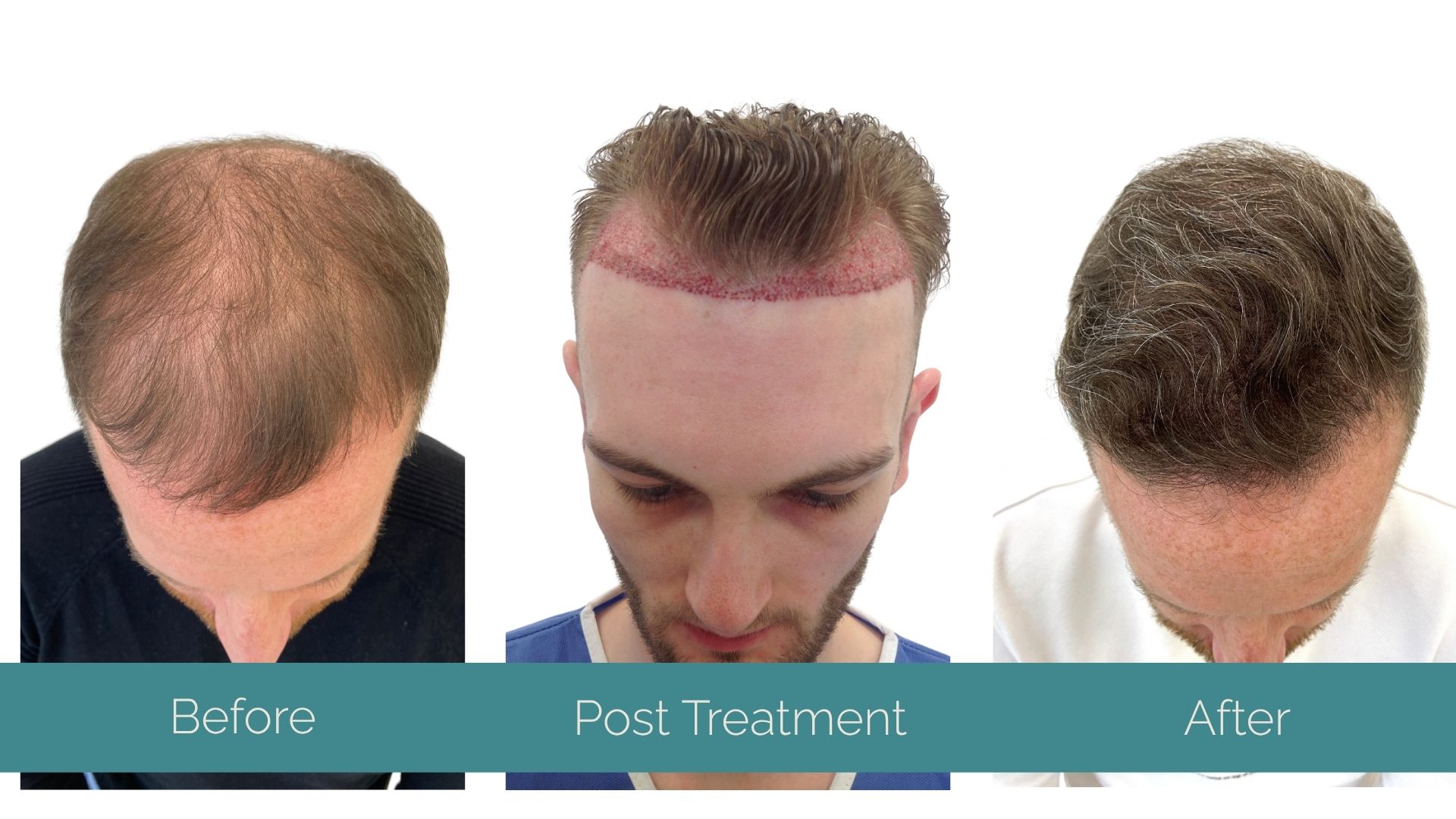
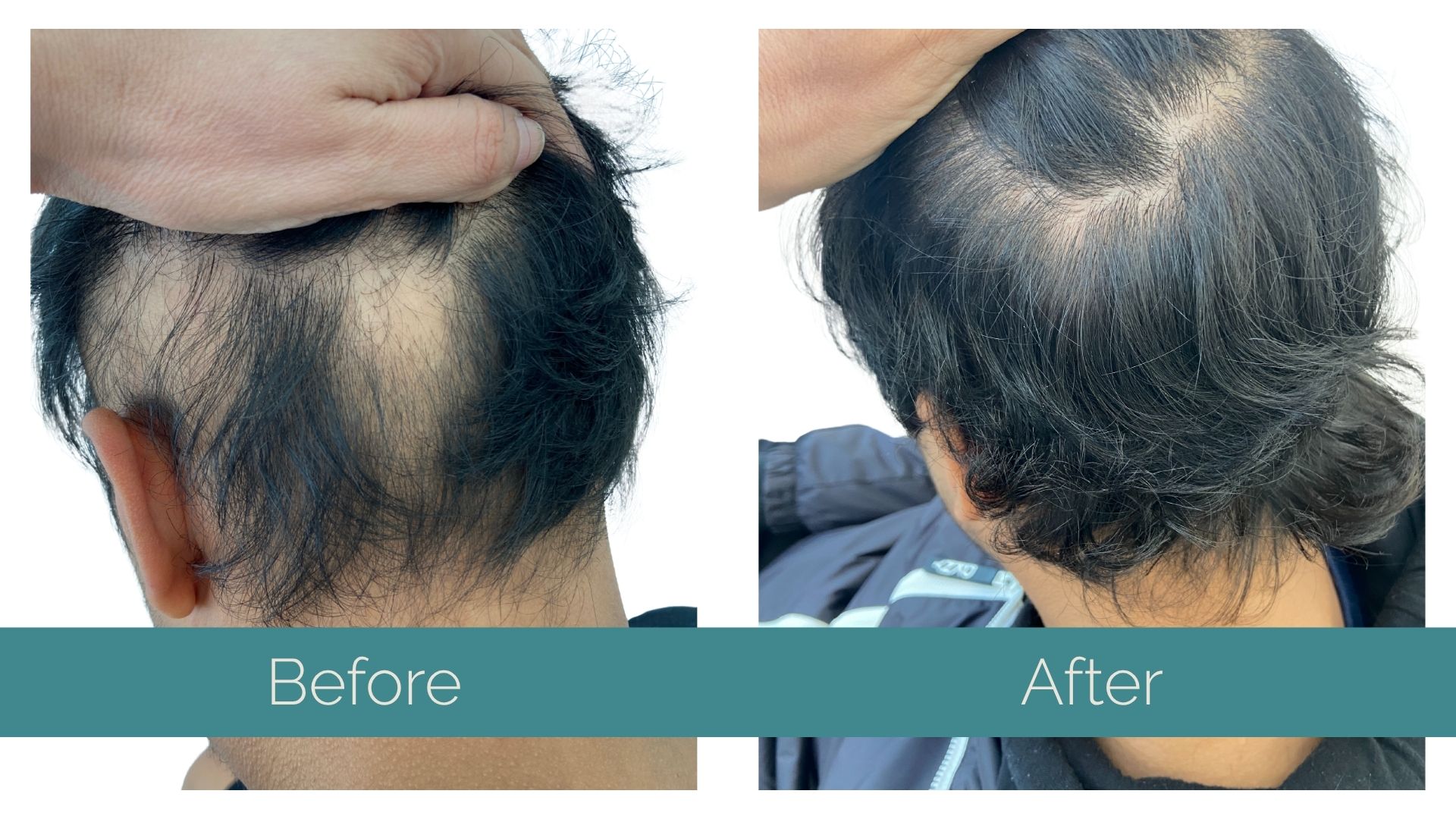
One day everything appears normal, and the next there is a smooth patch at the side of the scalp, extra strands on the pillow, or a thinning area that was not there a week ago. That sense of uncertainty is often what makes alopecia areata so distressing.
Alopecia areata is one of the better-known causes of patchy hair loss, yet it is still widely misunderstood. Because it can appear quickly and behave unpredictably, many people are left wondering whether the shedding is temporary, whether it will spread, and what kind of treatment might actually help.
Among the options now drawing attention is Platelet-Rich Plasma, more commonly known as PRP, a treatment that has gained momentum as a non-surgical route for encouraging hair regrowth.
Understanding how alopecia areata is identified, and where PRP may fit into the picture, can help turn a worrying experience into a more manageable one.
What Alopecia Areata Actually Is
Alopecia areata is an autoimmune condition, which means the body’s immune system mistakenly targets its own tissues. In this case, the hair follicles come under attack. As a result, the follicles shrink, hair production is disrupted, and hair may fall out in small, rounded patches.
The condition most commonly shows up on the scalp, but it does not always stop there. Some people notice changes in the beard area, eyebrows or eyelashes, while others may experience more widespread loss across the body.
The pattern is one of the reasons alopecia areata can be so unsettling. It does not always follow a predictable course, and the severity can vary hugely from one person to another.
For some, a single patch appears and regrows over time. For others, the condition becomes more persistent or extensive. It is often diagnosed in younger people, particularly before the age of 30, but it can affect men, women and children alike.
Who Is More Likely to Be Affected?
Alopecia areata does not discriminate, but there are certain factors that may increase the likelihood of developing it.
Genetics appear to play a role, particularly where there is a family history of alopecia areata or other autoimmune conditions. A person may also be more susceptible if they live with immune-related illnesses such as thyroid disease, vitiligo or rheumatoid arthritis.
Stress is frequently mentioned in conversations around alopecia areata. It is important to be careful here. Stress is not considered a direct cause, but it may act as a trigger or aggravating factor in some cases. Environmental influences may also contribute, although the precise reasons why one person develops the condition and another does not are still not fully understood.
That uncertainty is part of what makes proper diagnosis so important. Hair loss is not always alopecia areata, and not every bald patch points to the same underlying issue.
How Alopecia Areata Is Diagnosed
The first step in diagnosing alopecia areata is usually a clinical examination. A dermatologist or qualified hair restoration specialist will look closely at the affected areas, paying attention to the pattern of hair loss and the condition of the scalp.
Alopecia areata often produces smooth, round or oval patches, sometimes with short broken hairs around the edges.
A doctor may also perform what is known as a pull test. This involves gently tugging a small number of hairs near the affected area to assess how easily they come away. If hairs are shedding too easily, it can suggest active loss and help indicate how aggressive the process is at that point in time.
In some cases, the diagnosis is straightforward from appearance alone. In others, further investigation may be needed.
A scalp biopsy can help distinguish alopecia areata from other causes of hair loss, such as fungal infections, scarring conditions or alternative autoimmune disorders. Blood tests may also be recommended, particularly if there is a suspicion of underlying thyroid problems, nutritional deficiencies or related immune issues.
What matters most is that the diagnosis is not based on guesswork. Because hair loss can have many causes, a proper assessment helps ensure that treatment is built on the right foundation.
Why Early Assessment Can Make a Difference
One of the biggest mistakes people make is waiting too long in the hope that the issue will simply resolve itself.
While spontaneous regrowth can happen with alopecia areata, that is not always the case. Early professional input can help clarify what type of hair loss is taking place and whether intervention could improve the odds of recovery.
An early diagnosis also gives patients the chance to understand the wider picture. That may include discussing medical history, identifying possible triggers, monitoring progression and deciding whether supportive treatment is worth pursuing.
For many, that process alone provides a sense of control during a period that can otherwise feel emotionally draining.
Where PRP Enters the Conversation
Once alopecia areata has been identified, attention turns to management.
There is no guaranteed permanent cure, but there are treatments that may help support regrowth and improve hair quality. PRP has emerged as one of the more talked-about options, particularly for people seeking a non-surgical approach.
PRP therapy uses the patient’s own blood. A small sample is taken and placed in a centrifuge, where it is spun to separate the platelet-rich plasma from the other blood components. That concentrated plasma, rich in growth factors, is then injected into the scalp in the areas affected by hair loss.
It is a treatment designed to encourage repair and stimulate the follicles. In simple terms, PRP aims to create a healthier environment for hair to grow.
How PRP May Support Hair Regrowth
The appeal of PRP lies in the way it works with the body’s own healing mechanisms.
Platelets contain growth factors that are involved in tissue repair and regeneration. When introduced into the scalp, they may help support weakened follicles, improve circulation to the area and reduce inflammation.
For someone with alopecia areata, that could translate into several benefits. Dormant follicles may be encouraged to become active again. Existing hairs may become stronger. The scalp may receive better nourishment through increased blood flow. In some patients, treatment may also help reduce further shedding while regrowth begins.
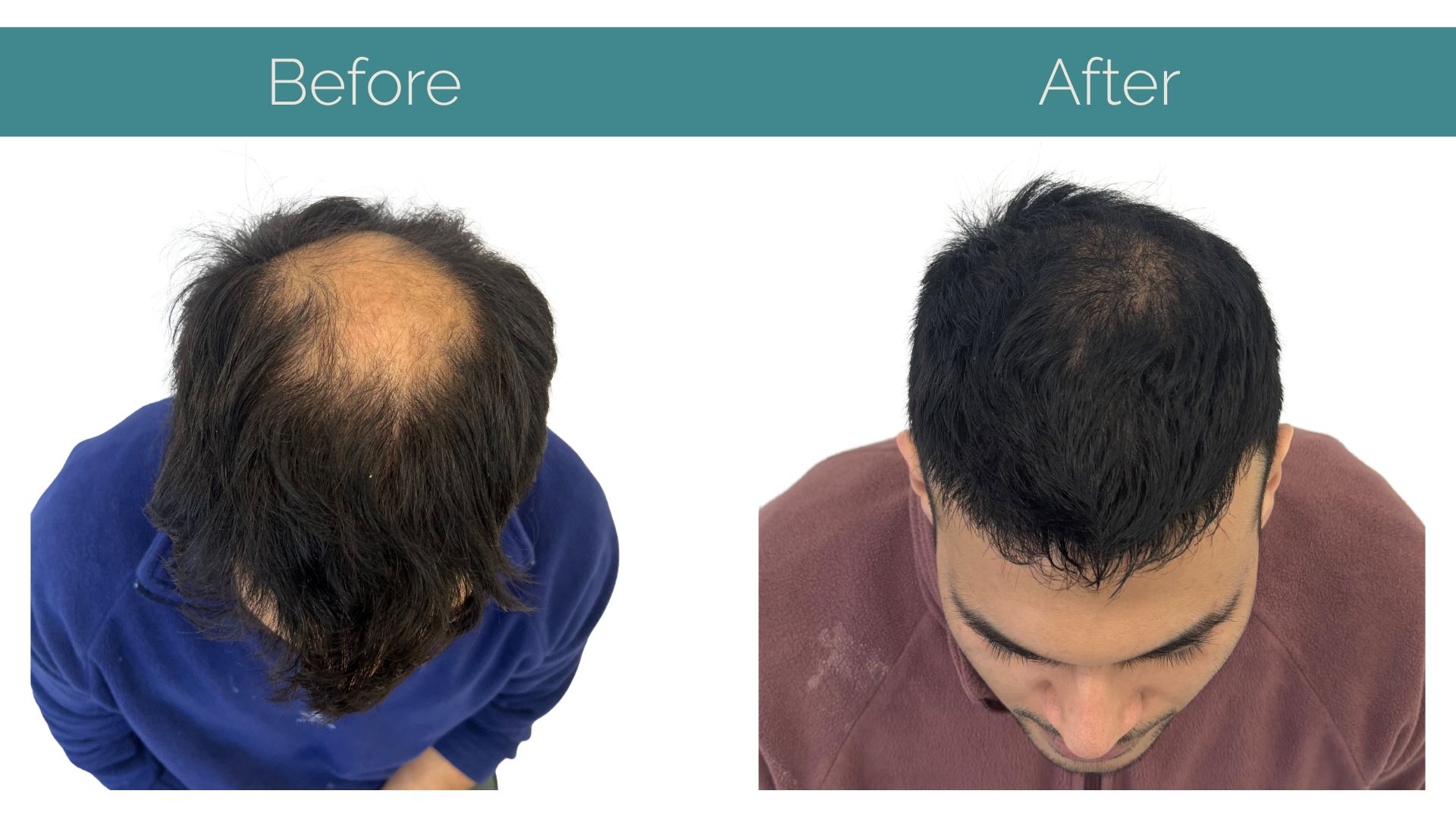
Results do vary, and PRP is not presented as a miracle fix. However, it has shown promise, particularly for individuals in earlier stages of hair loss or those looking to complement a broader treatment plan under specialist guidance.
What the Treatment Experience Is Like
One reason PRP has become increasingly attractive is that it is relatively straightforward.
The procedure usually takes around an hour from start to finish. First comes the blood draw, followed by the processing stage where the platelet-rich plasma is prepared. The final step involves a series of injections into the targeted areas of the scalp using very fine needles.
Most patients tolerate the treatment well. There can be some mild discomfort, but it is generally brief and manageable. There is also no major downtime, which means most people can return to normal daily activities shortly afterwards.
Clinics typically advise avoiding intense exercise, heavy sweating or too much sun exposure for a short period after treatment.
PRP is not usually a one-off procedure. A course of sessions is often recommended, as improvement tends to build gradually. Reduced shedding may be noticed first, with visible regrowth developing over the following months.
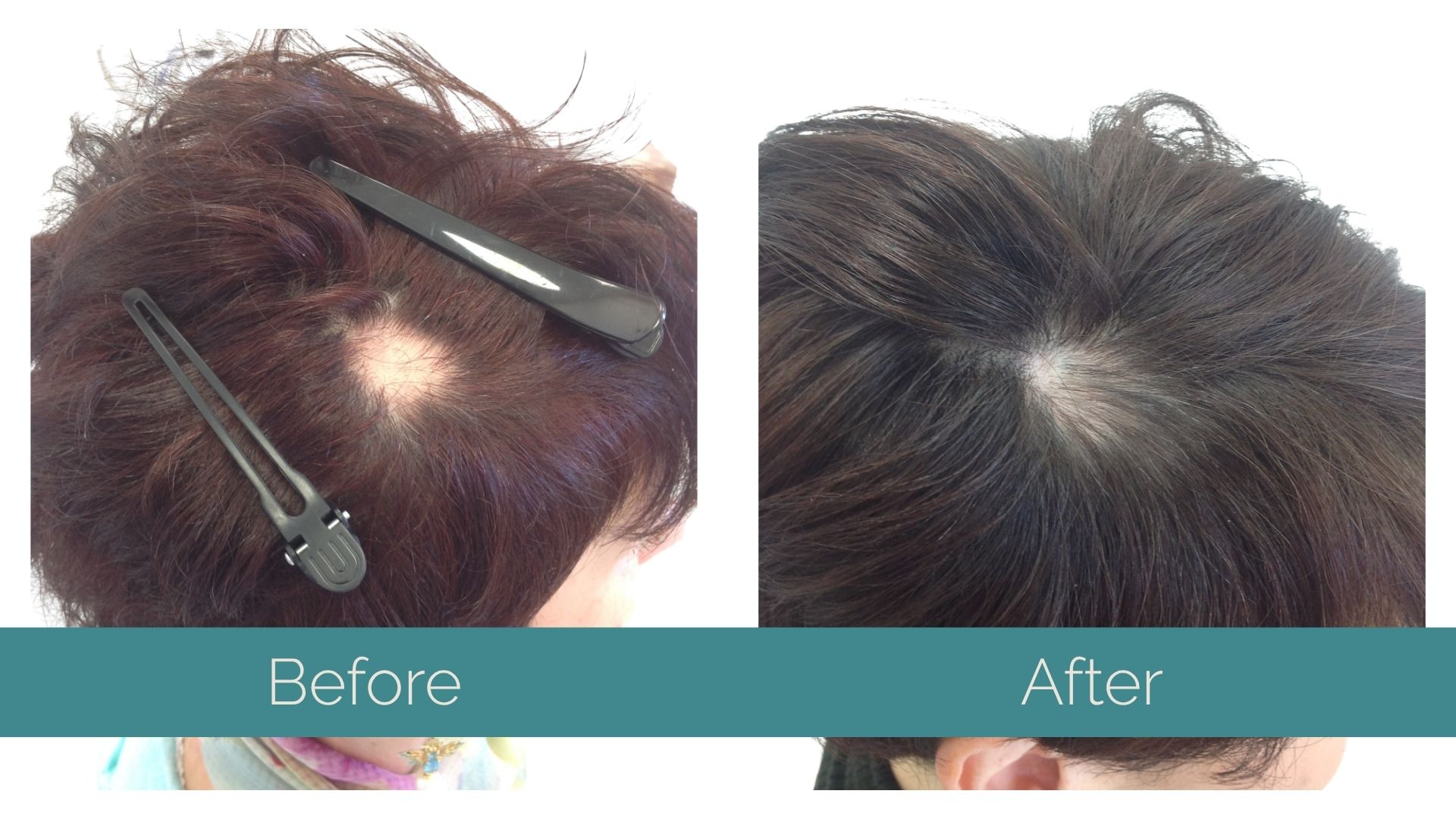
A Treatment Worth Discussing, Not Guessing At
For anyone facing the uncertainty of alopecia areata, the most valuable step is a proper diagnosis.
Hair loss can be emotional, but it should not be approached blindly. Knowing what is happening on the scalp, and why, opens the door to more informed decisions and more realistic expectations.
PRP will not be the right answer for every patient, but it has become an important option in the wider hair restoration conversation. For those looking for a non-invasive treatment that uses the body’s own biology to support regrowth, it may offer genuine potential.
Alopecia areata can knock confidence, but it does not have to leave people without options. With the right specialist assessment and a treatment plan tailored to the individual, there is every reason to move from uncertainty towards action.
About IK Clinics
At IK Clinics, we are proud to stay at the forefront of global hair restoration trends, offering a variety of advanced techniques to meet the diverse needs of our clients. From FUE, PRP to Stem Cell Therapy, we ensure that every client’s treatment is tailored to their personal goals, helping them regain not just their hair but also their confidence.
Interestingly, we don’t just stop at hair restoration treatments, our highly skilled team also offers a range of anti-aging treatments.