Across the United Kingdom, more people are quietly exploring treatments that promise smoother skin, softer lines, and a fresher overall appearance. For some, it is about confidence. For others, it is about maintenance, prevention, or simply feeling more like themselves.
But while interest has grown, one question still tends to come up before any appointment is booked: what does it actually cost?
The answer, of course, depends on the treatment, the practitioner, the clinic, and how far a person wants to go. A single session may look manageable on paper, but the fuller financial picture often includes repeat visits, maintenance, and the quality of products being used.
For anyone thinking about aesthetic treatment, understanding the likely spend is just as important as understanding the procedure itself.
Why prices can vary more than people expect
There is no one-size-fits-all price list in aesthetics. Two people could ask for the same treatment and still be quoted very different figures. That is because clinics are not simply charging for a product. They are charging for skill, judgement, environment, consultation time, and aftercare as well.
Location plays a role. Clinics in London and other large cities often charge more than those in smaller towns. Experience matters too. A highly trained practitioner with a strong reputation may cost more, but many patients see that as part of the investment.
In cosmetic medicine, a lower price does not always mean better value.
Then there is the issue of upkeep. Most anti-aging treatments are not permanent. Many work best when repeated at intervals, which means the real cost is often spread across the year rather than tied to one visit.
Botox: the familiar name in wrinkle reduction
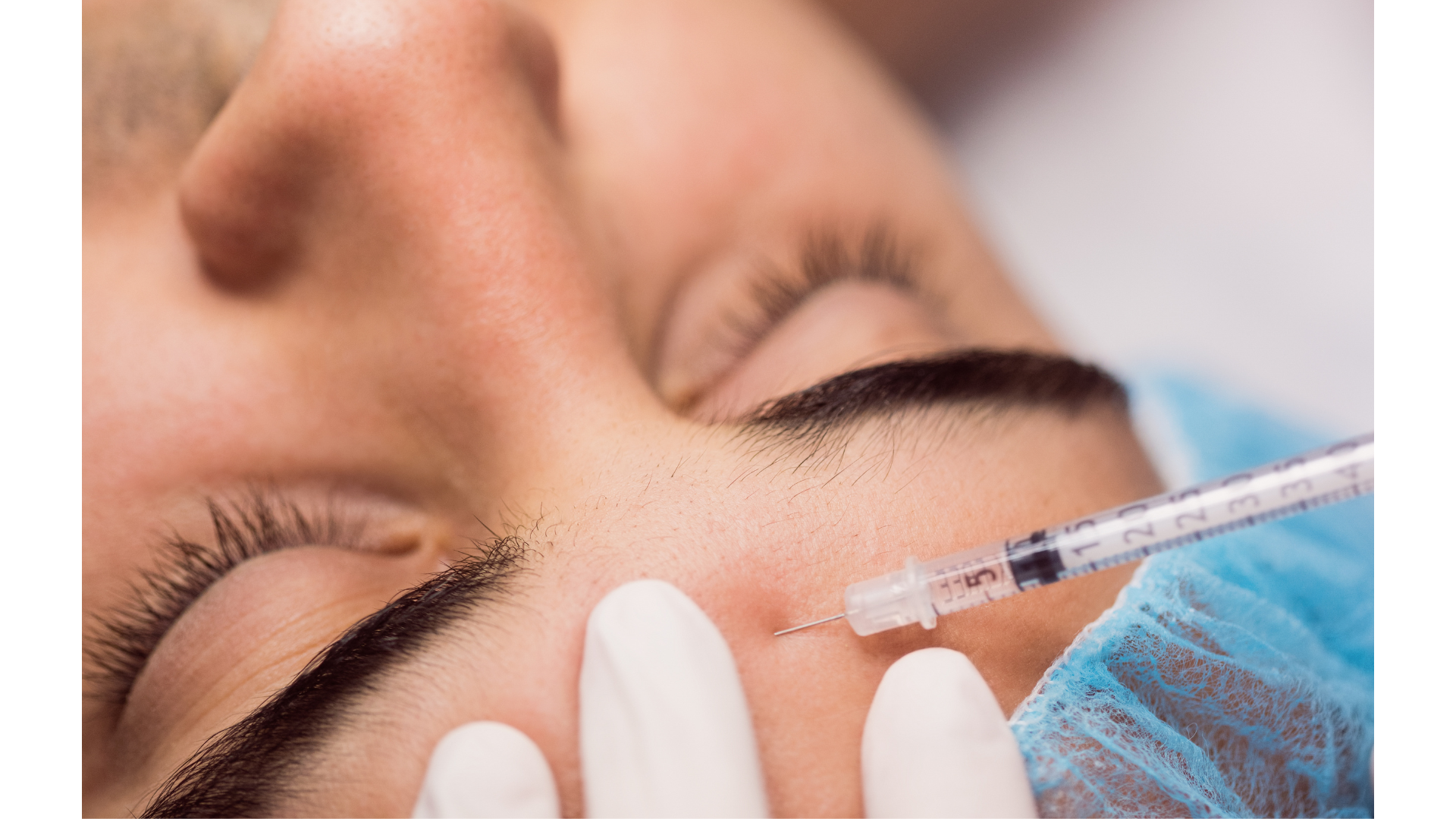
Botox remains one of the best-known anti-wrinkle treatments in the UK. Used to soften lines on the forehead, around the eyes, and between the brows, it works by temporarily relaxing the muscles that create expression lines.
Its popularity is easy to understand. Treatment is relatively quick, recovery time is minimal, and results can be subtle when done well. Rather than changing the face completely, the aim is usually to create a more rested, smoother look.
In terms of price, Botox is often charged by area. A single area, such as the forehead, may cost around £150 to £250 per session. Two areas, such as the forehead and frown lines, usually sit around £200 to £300. Three areas, often including crow’s feet, can rise to roughly £250 to £400.
That headline number can sound reasonable, but Botox is temporary. Results generally last between three and six months, meaning anyone who wants to maintain the effect should expect repeat appointments through the year.
That turns a one-off cosmetic spend into an ongoing beauty budget.
Dermal fillers: volume comes at a price
If Botox is about relaxing movement, dermal fillers are more about restoring shape and structure. Usually made with hyaluronic acid, fillers are commonly used to add volume to lips and cheeks, soften deeper folds, and define areas such as the chin or jawline.
Costs here can climb more quickly. Lips may range from £200 to £400 per 1ml of filler. Cheeks often fall between £300 and £600 per 1ml, while nasolabial folds can sit around £250 to £500 per 1ml. For jawline and chin enhancement, prices often rise further, with estimates of £400 to £800 per 1ml.
The key point with fillers is that treatment plans vary. One patient may need only a modest amount, while another may require more product to create a balanced result. That makes consultation particularly important, because the final quote often depends on the volume needed rather than the treatment label alone.
Results can last from six to 18 months, depending on the area treated and the type of filler used. Even so, the body gradually breaks hyaluronic acid down, so maintenance is usually part of the long-term picture.
Microneedling: gradual results, staged spending
For those wary of injectables, microneedling often feels like a more approachable entry point.
The treatment uses very fine needles to create controlled micro-injuries in the skin, encouraging collagen production and helping improve texture, fine lines, and the overall look of tired skin.
Basic microneedling usually costs in the region of £100 to £250 per session. When paired with PRP, often referred to as the “vampire facial”, costs may rise to around £200 to £500 per session.
Unlike some injectables, microneedling is rarely treated as a one-appointment fix. It is usually recommended as a course of treatment, often three to six sessions spaced a few weeks apart.
That means the total cost can build steadily, even if each individual appointment appears affordable. Maintenance treatments every six to 12 months are also common for those wanting to preserve the results.
Chemical peels: from skin refresh to serious resurfacing
Chemical peels are another popular option for people dealing with dullness, uneven tone, pigmentation, or early signs of ageing. These treatments work by exfoliating the skin and encouraging renewal, but not all peels are created equal.
A mild or superficial peel may cost around £60 to £120 per session, making it one of the more accessible aesthetic treatments on the market. Medium peels typically rise to around £150 to £300, while deep peels can stretch from £400 to £800.
As with microneedling, a course of treatment is often recommended for visible improvement.
Several appointments may be needed, followed by occasional maintenance peels depending on skin condition and goals. That makes chemical peels a treatment where the ongoing plan matters just as much as the initial session price.

The bigger question: what are you really paying for?
In aesthetics, price should never be looked at in isolation. Patients are not just paying for smoother skin or softer lines. They are paying for expertise, facial assessment, safe product selection, proper hygiene standards, and careful treatment planning.
That is why a bargain can sometimes prove expensive in the long run. Poor technique, over-treatment, or inappropriate product choice can lead to disappointing results and, in some cases, corrective work that costs even more.
Is it worth it?
That depends entirely on the individual. For some, anti-aging treatments feel like a valuable part of self-care. For others, the repeat cost makes them pause.
What matters most is going in with realistic expectations, a clear understanding of maintenance, and a budget that makes sense over time.
The smartest starting point is always a consultation with a qualified practitioner. A good clinic should explain not only what a treatment can do, but what it will cost now, what it may cost later, and whether it genuinely suits your goals.
In the end, anti-aging treatments are not simply about chasing youth. They are about choice, confidence, and informed decision-making. And as with any investment in appearance, the best results usually begin with knowing exactly what you are signing up for.
About IK Clinics
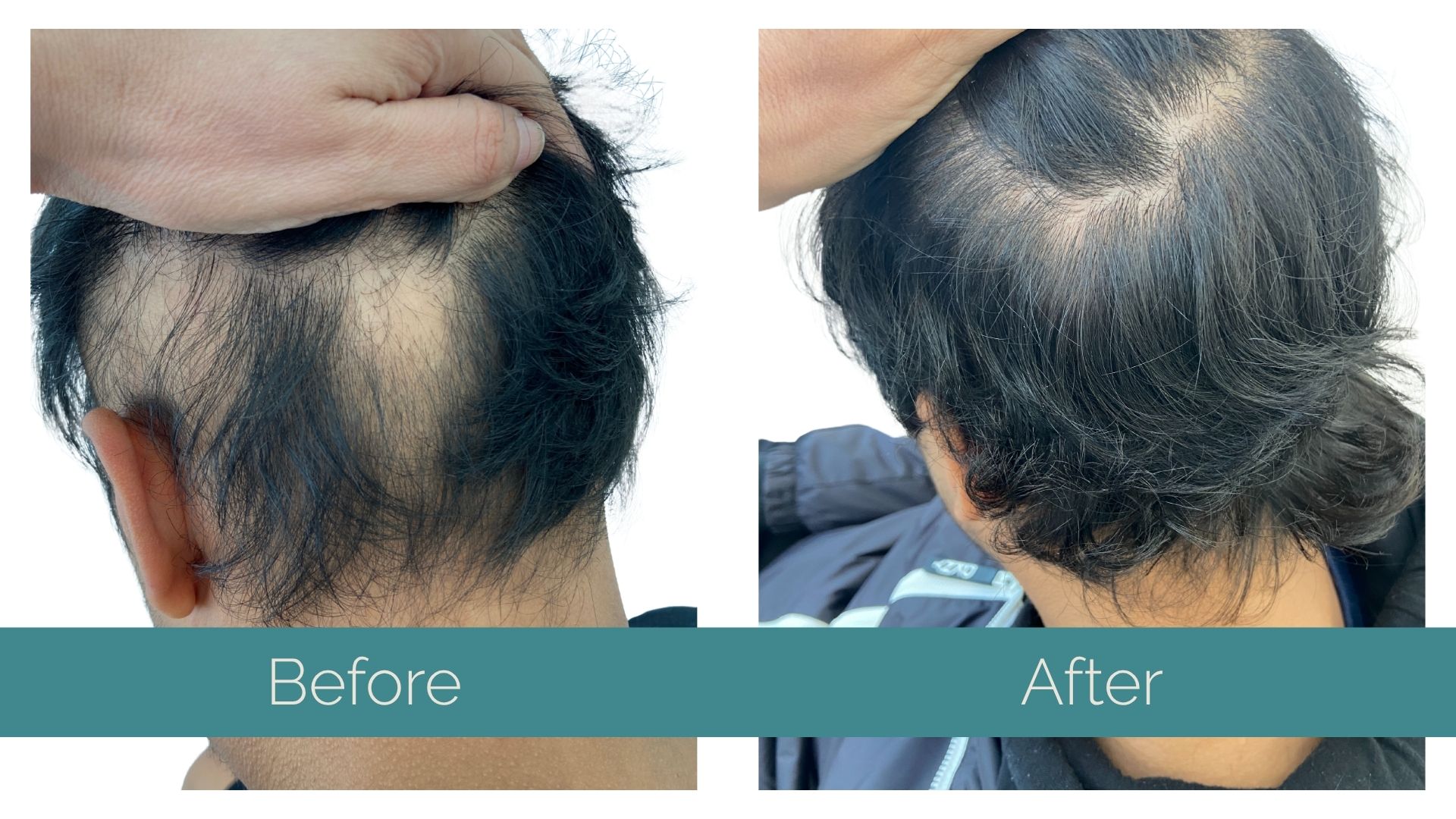
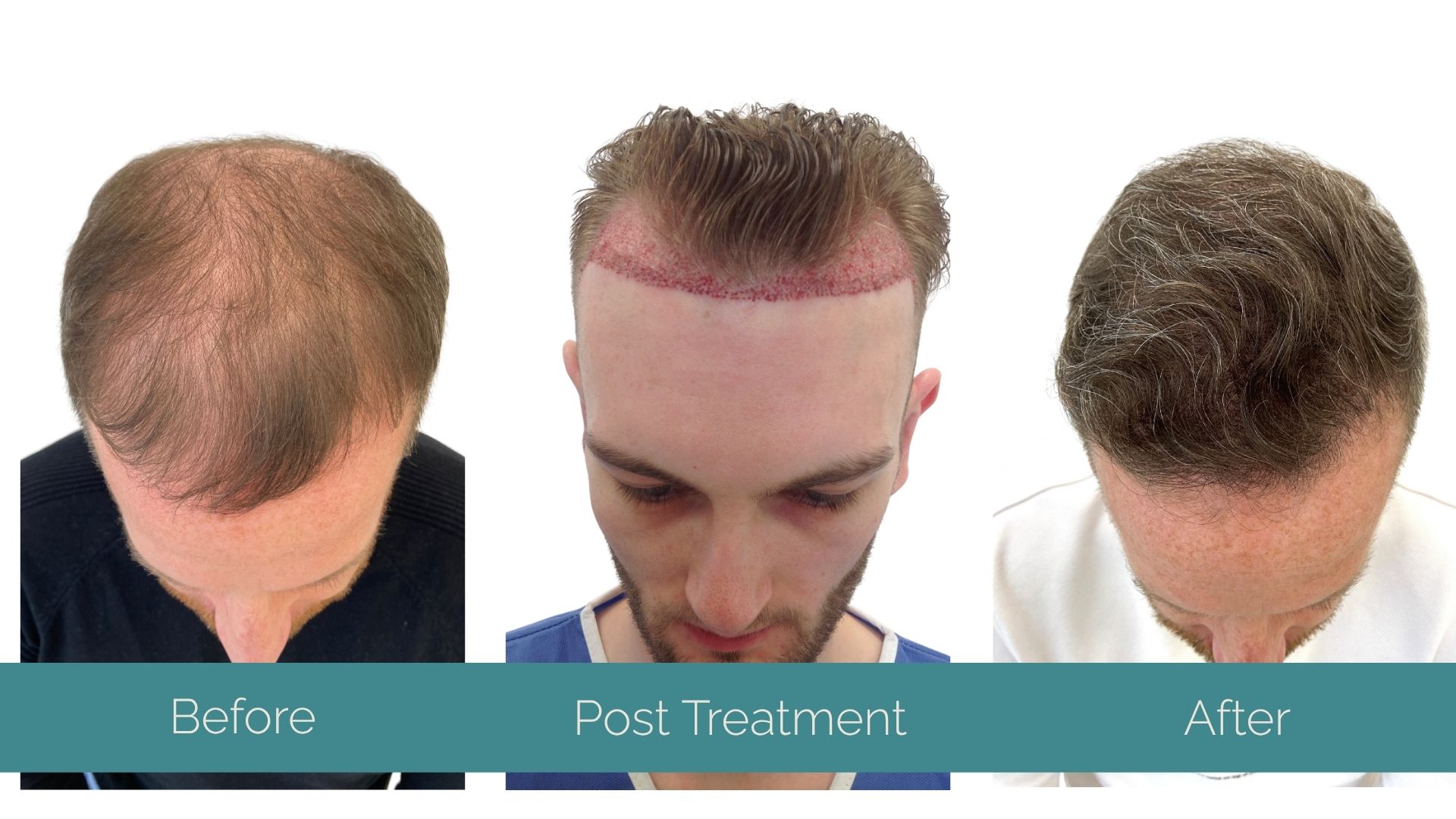
We don’t just offer a range of anti-aging treatments to help you achieve that ‘I feel good’ feeling, we also offer and specialise in several ranges of hair restoration treatments, such as FUE, Stem Cell Therapy and Plasma Therapy (PRP) to help our clients to always look their best.
Get in touch to find out more and book your consultation.