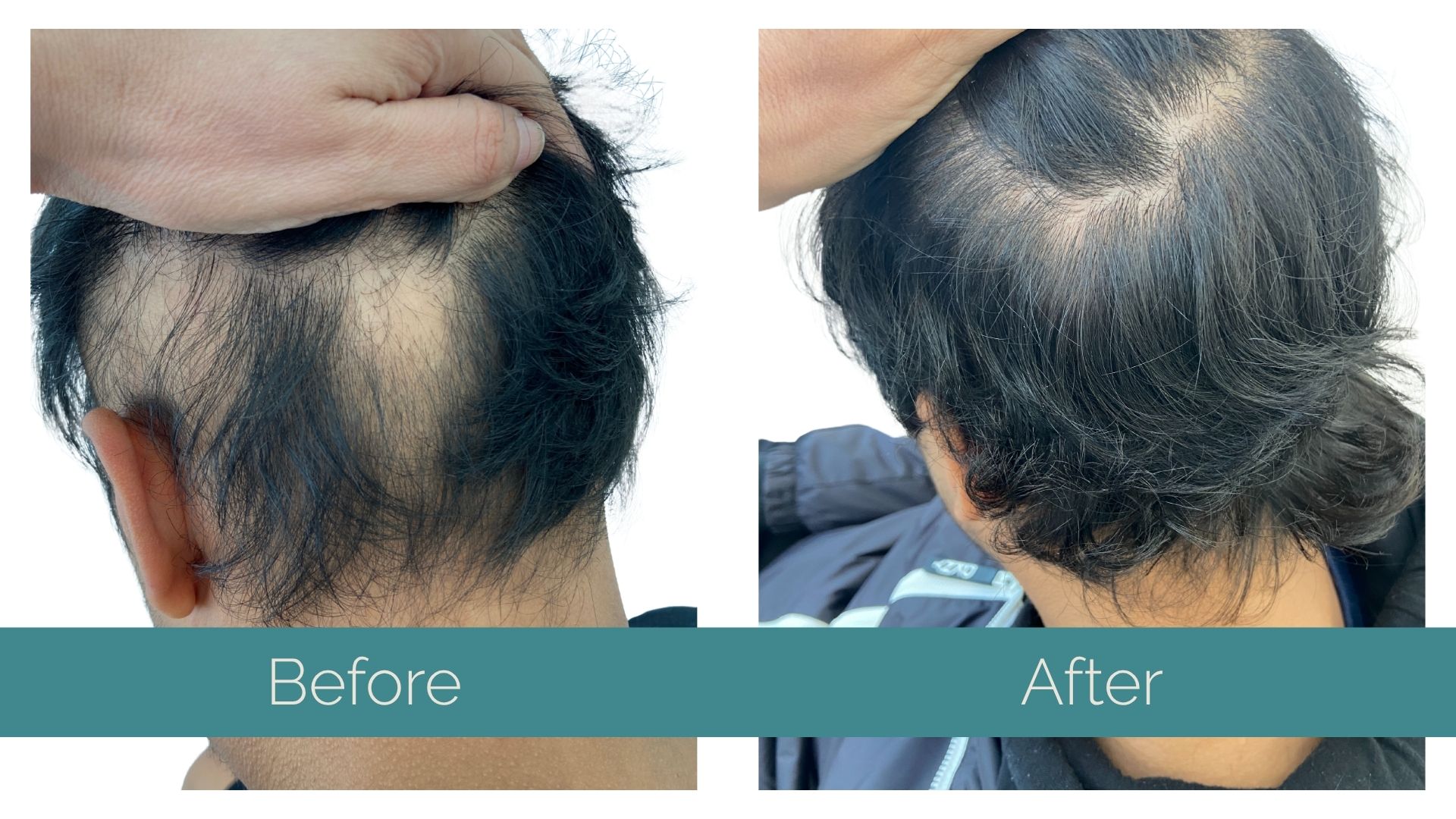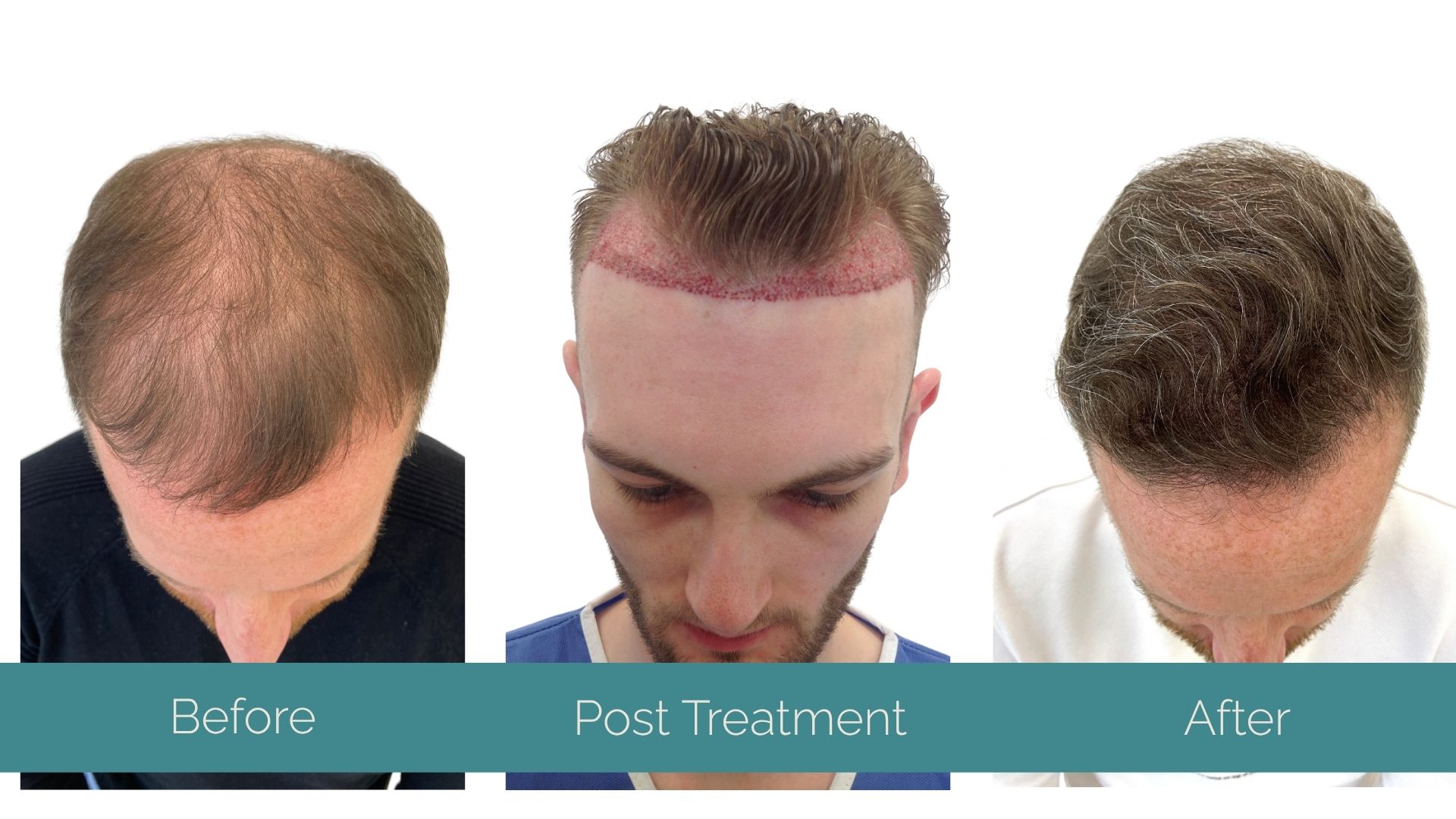
That is why hair transplants continue to attract serious interest. Not out of vanity alone, but because they offer the possibility of regaining something deeply tied to identity.
Still, interest does not erase anxiety. In fact, for most people considering treatment, curiosity arrives hand in hand with caution. Does it hurt? Will it look obvious? Is it worth the money? How long will it take?
These are not shallow questions. They are sensible ones, and they deserve honest answers.
The good news is that modern hair restoration has moved a long way from the outdated stereotypes that still linger in the public imagination. Techniques are more refined, planning is more precise, and experienced clinics now approach transplantation with a much stronger focus on natural design, long-term thinking and patient education.
Even so, a hair transplant remains a medical procedure, and it is important to understand what it can realistically achieve.
Here is a closer look at the concerns patients raise most often, along with the expert perspective behind the answers.
The First Fear: Is a Hair Transplant Painful?
This is usually the first question, and understandably so. Any procedure involving the scalp sounds uncomfortable on paper. Yet in practice, most patients are surprised by how manageable the experience is.
During the transplant itself, the scalp is numbed with local anaesthetic. The initial injections can cause a brief stinging or pinching sensation, much like the numbing stage of dental treatment, but once the area is fully anaesthetised, the procedure is generally well tolerated. Patients are usually awake throughout, but not in significant pain.
What tends to matter more is the recovery period immediately afterwards. There may be some tenderness, tightness or mild soreness across the donor and recipient areas, especially in the first couple of days. For most people, this discomfort is mild enough to manage with standard pain relief and careful aftercare.
The idea of pain often feels bigger before the procedure than it does afterwards. That is one reason why a proper consultation matters. When patients understand exactly what to expect, the unknown becomes far less intimidating.
The Cost Question: Why Do Prices Vary So Much?
Hair transplant pricing is one of the most talked-about aspects of treatment, and one of the most misunderstood. In the United Kingdom, the cost can often range from around £3,000 to £10,000, though the final figure depends on several moving parts.
The number of grafts needed plays a major role, but it is not the only factor. Pricing is also shaped by the clinic’s reputation, the experience of the surgeon, the complexity of the case and the method being used.
Some patients need a small refinement to the hairline. Others require a more extensive restoration plan involving larger areas of thinning.
It can be tempting to shop for the lowest price, particularly given how competitive the market has become. But hair restoration is not an area where bargain hunting always pays off.
A poorly planned transplant can create unnatural density, weak hairline design or visible scarring, and correcting those mistakes is often far more expensive than getting it done properly the first time.
A better way to think about cost is value over time. A carefully performed transplant can deliver long-lasting results, which is why many patients see it less as a quick purchase and more as a serious investment in appearance and confidence.
Will It Look Natural, or Will Everyone Know?
This may be the most emotionally loaded concern of all. People do not just want more hair. They want it to look like their hair.
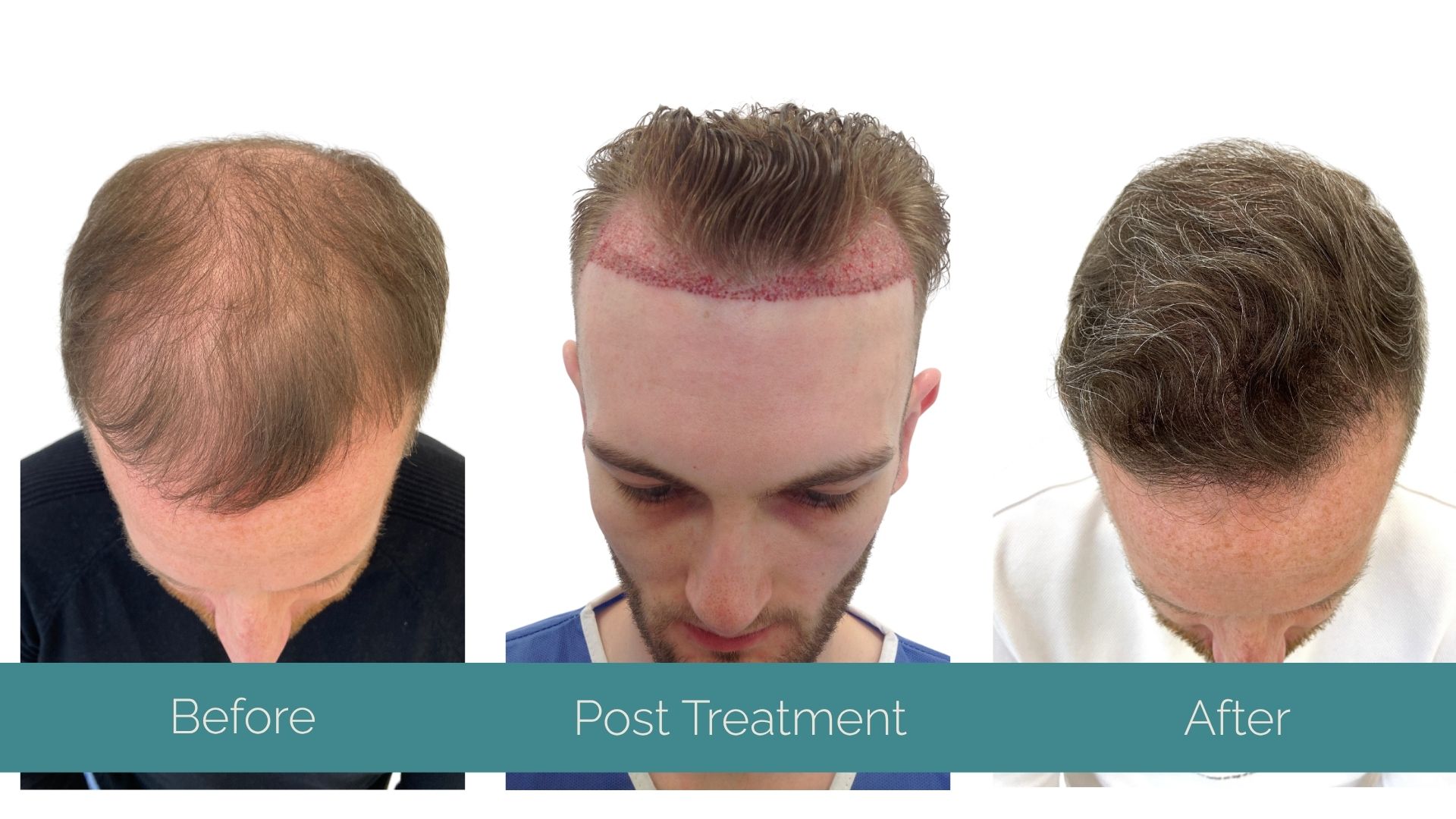
The reassuring reality is that modern hair transplants can look extremely natural when performed well. Advances in FUE and FUT techniques mean grafts can be harvested and implanted with far greater precision than in years gone by. Skilled surgeons do not simply fill an area. They consider direction, angle, spacing, density and the shape of the future hairline.
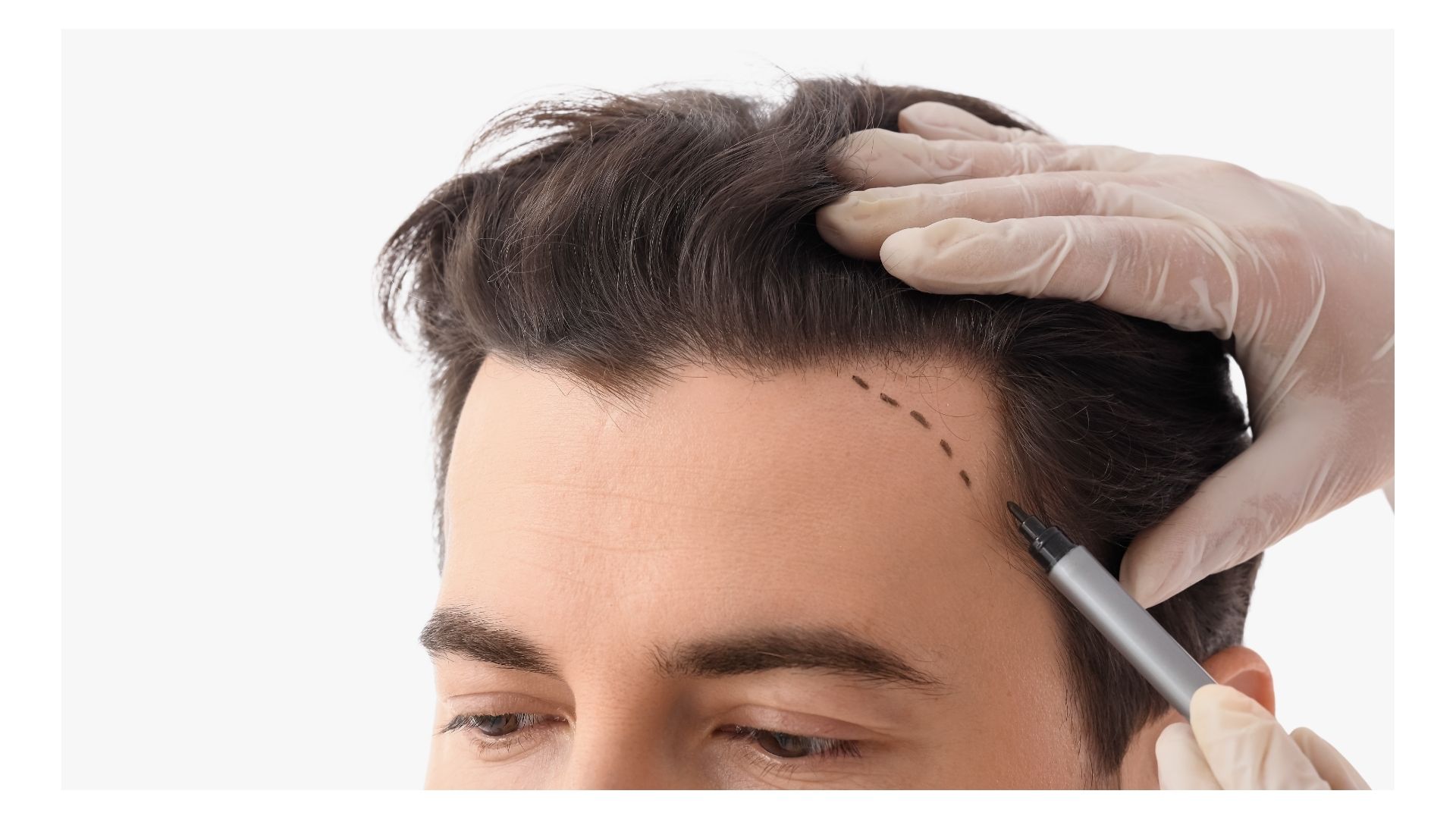
That last point is crucial. A natural result depends heavily on design. The best hairlines are not drawn like ruler-straight borders. They are softer, more irregular, and tailored to the patient’s facial structure, age and likely future hair loss pattern.
In other words, natural-looking results are not an accident. They are the product of planning, restraint and experience. Patients should be wary of any promise that sounds too aggressive or too perfect. In hair restoration, subtlety is often the mark of real skill.
Why Results Take Time
One of the hardest parts of the process is not the day of treatment. It is the waiting that follows.
Many patients are startled to learn that transplanted hairs often shed in the early stages after surgery. This can feel alarming, especially for someone who has just invested time, money and hope into the procedure.
But it is a normal part of the cycle. The follicles are still in place beneath the skin, even though the visible shafts fall out.
From there, growth begins gradually. Some patients notice early progress around the three to six month mark, but full maturation takes much longer. In many cases, the clearest final result does not appear until 12 to 18 months after treatment.
That timeline can test patience, particularly in an age where people are used to instant outcomes. But hair grows on a biological schedule, not a social one. A transplant is a long game, and patients tend to feel far more relaxed when they know from the outset that progress comes in stages.
Side Effects, Risks and What Recovery Really Looks Like
Like any medical treatment, a hair transplant comes with some side effects and risks, although serious complications are uncommon when the procedure is carried out by qualified professionals, like IK Clinics.
The most common short-term effects are swelling, redness, scabbing and itching. Swelling often appears around the forehead or eye area for a few days. Tiny scabs form around the implanted grafts and gradually lift away as healing progresses. Itching can occur as the scalp recovers, though scratching must be avoided.
There is also something known as shock loss, where some surrounding hairs temporarily shed after surgery. This can be unsettling, but it is usually temporary and the hair commonly regrows over time.
What matters most is context. These effects are usually signs of healing, not of failure. The real red flags tend to emerge when patients have unrealistic expectations, poor aftercare or treatment from clinics that prioritise volume over medical standards.
Good clinics do not downplay recovery. They explain it properly.
Is Everyone a Good Candidate?
Not necessarily, and this is where honesty matters more than salesmanship.
A hair transplant works best for patients who still have strong donor hair, usually at the back and sides of the scalp, and whose hair loss pattern can be sensibly managed. Stable donor supply is essential because the transplanted follicles have to come from somewhere.
For people with very advanced loss, poor donor density or certain medical conditions, transplantation may be less suitable, or may require a very carefully managed plan. In some cases, alternative or complementary treatments may be advised instead.
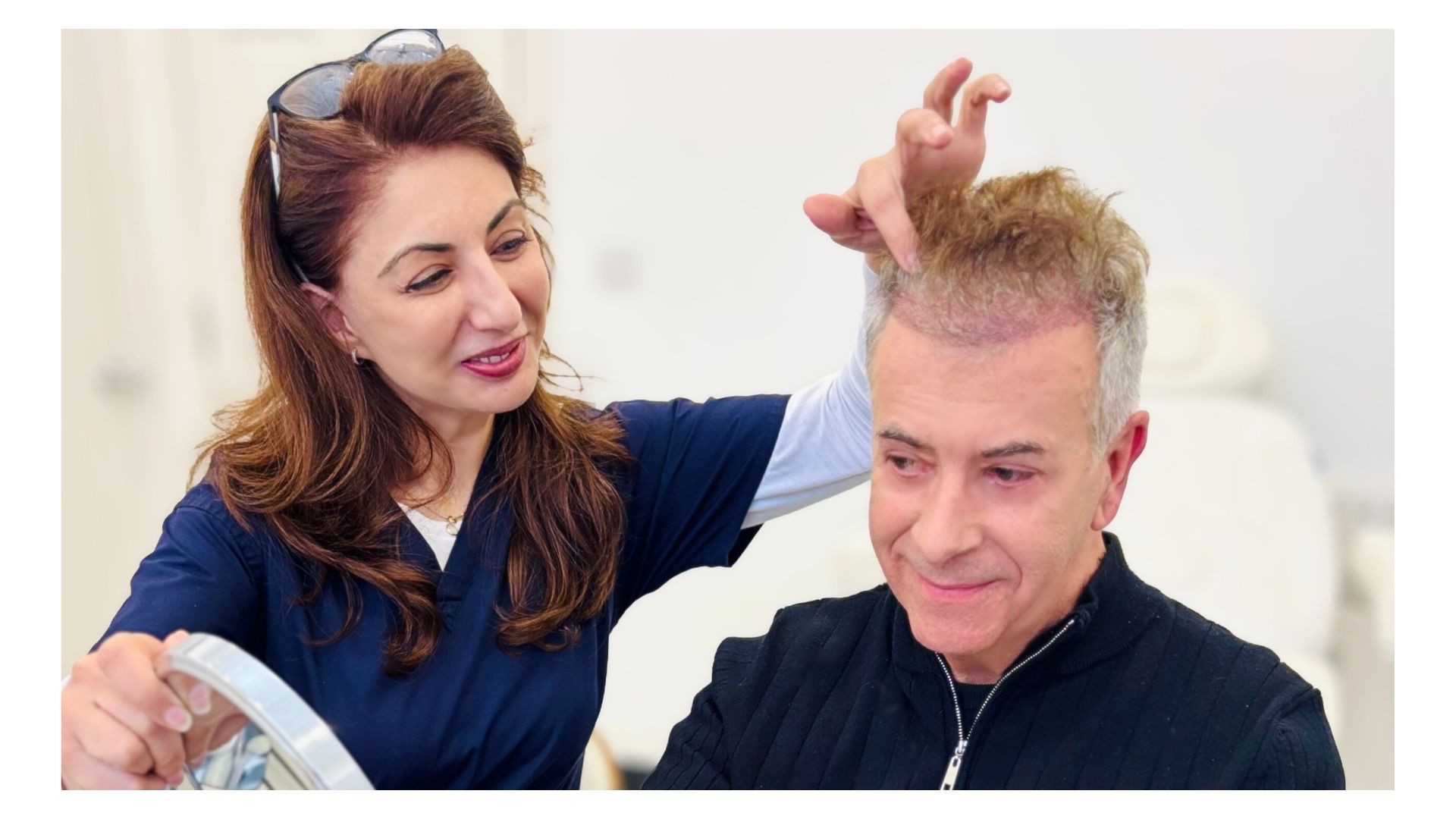
This is why a reputable consultation should never feel rushed. Suitability is not just about whether a procedure can be done. It is about whether it should be done, and whether the likely outcome justifies the intervention.
Are the Results Permanent?
In simple terms, the transplanted hairs are designed to last. They are normally taken from areas that are genetically more resistant to the hormone-related processes that drive common pattern baldness. Once moved, those follicles tend to retain that resilience.
However, permanence needs a bit of nuance. A transplant restores hair in treated zones, but it does not freeze the rest of the scalp in time. Existing non-transplanted hair may still continue to thin in future years.
That is why many patients are advised to think beyond the surgery itself. Medical maintenance, whether through options such as Finasteride, Minoxidil or other supportive treatments, may help preserve surrounding hair and protect the overall look over the long term.
A hair transplant is powerful, but it is not magic. The best outcomes often come when surgery is part of a broader, well-managed hair loss strategy.
Back to Work, Back to Life
Most patients can return to normal routine relatively quickly, but timing depends on the nature of their work and how comfortable they feel being seen during the early healing stage.
For office-based roles, a few days to a week is often enough for many people. Those in more physical jobs may need longer, especially if there is a risk of sweating heavily, bumping the scalp or wearing headgear too soon.
Social recovery and medical recovery are not always the same thing. Someone may feel physically fine before they feel presentable. That is a personal decision, and one worth factoring in when planning the procedure.
The Bottom Line: Confidence Comes from Clarity
Hair transplants sit at the intersection of medicine, aesthetics and emotion. That is why they generate so many questions, and why those questions matter. People are not just buying a procedure. They are weighing hope against hesitation.
The strongest answer to most concerns is not hype. It is clarity. Clear expectations. Clear timelines. Clear discussions about suitability, cost, healing and long-term planning.
For anyone considering treatment, the smartest next step is not to chase promises. It is to seek a thorough consultation, ask direct questions and choose a clinic that values honesty as much as results.
When that foundation is in place, the decision becomes far less daunting and far more informed.
In the end, the most reassuring part of a hair transplant journey is rarely the sales pitch. It is the moment a patient realises they finally understand what the process really involves, and what is realistically possible. That is where confidence begins.
About IK Clinics
We don’t just specialise in FUE, we also offer other hair restoration treatments, such as Stem Cell Therapy and Plasma Therapy (PRP). Additionally, we also provide a range of anti-aging treatments to help you achieve that ‘I feel good’ feeling.
Get in touch to find out more and book your consultation.