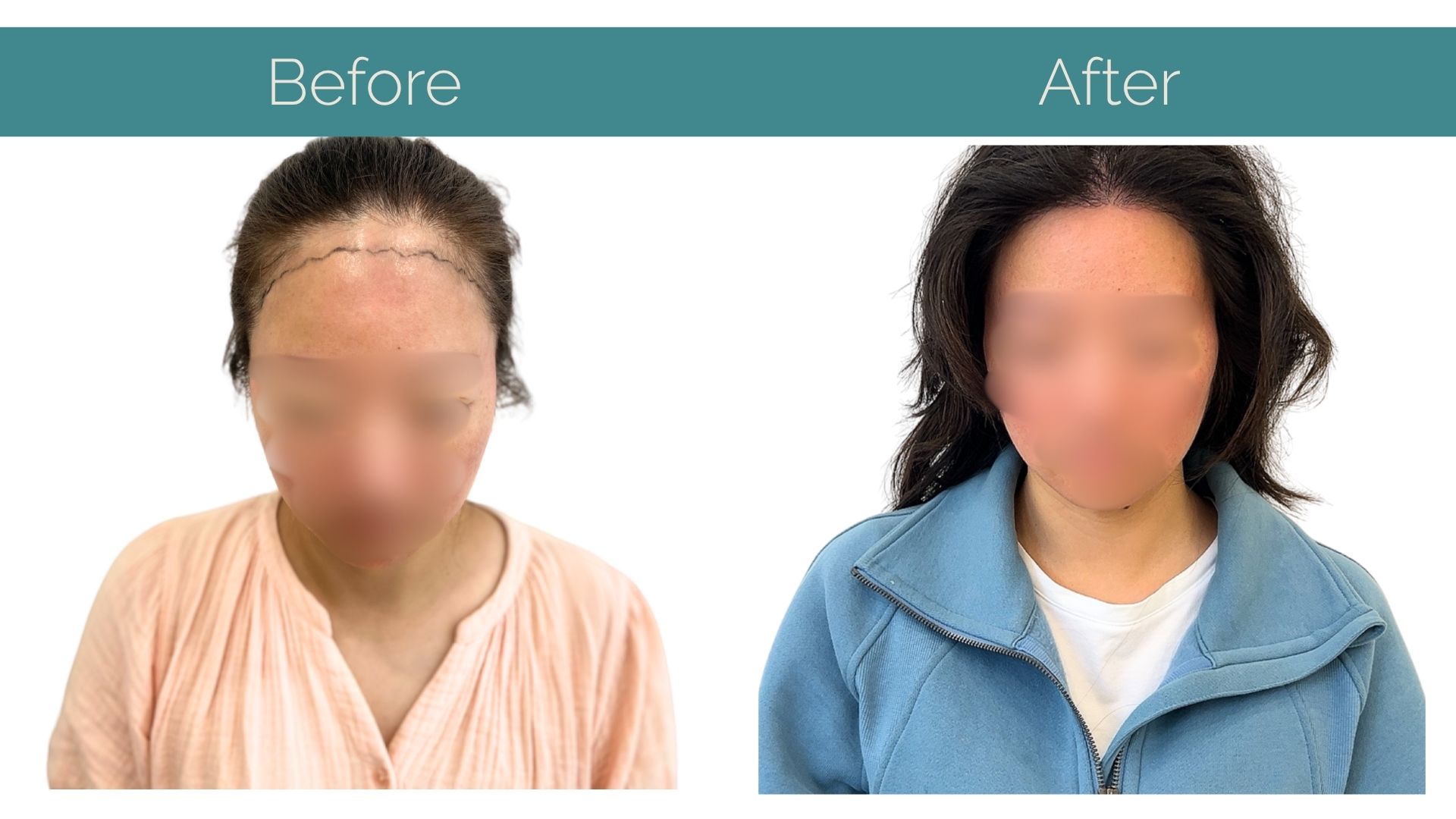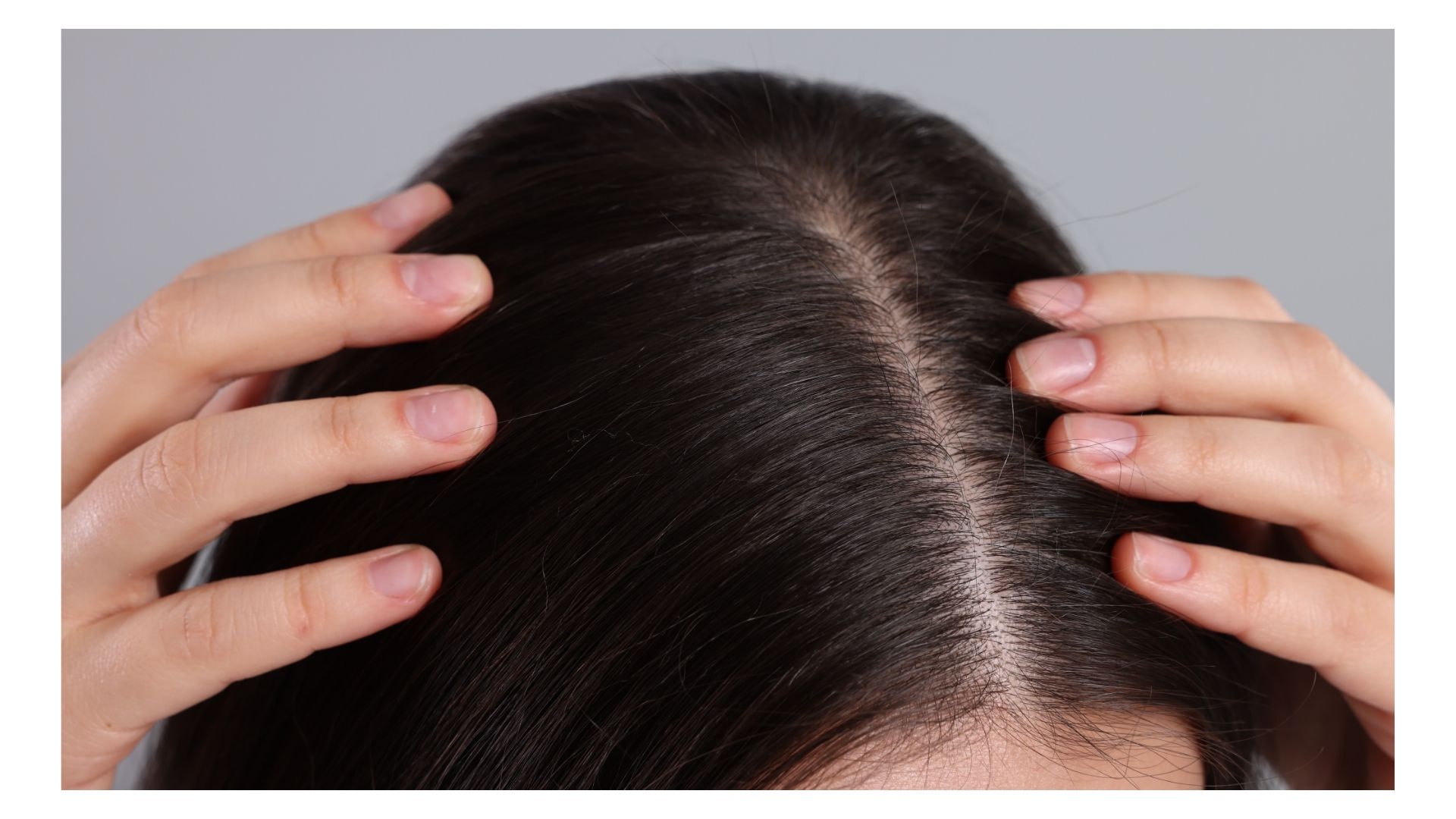
Whatever the cause, the result is often the same: a patch of skin that feels impossible to ignore every time they look in the mirror.
That is why one question continues to come up in consultations with hair restoration specialists: can a hair transplant actually work on scar tissue? The answer is not a simple yes or no. It is more nuanced than that.
In many cases, a transplant can help soften the appearance of a scar and restore hair where it no longer grows naturally. But scar tissue plays by different rules to healthy scalp skin, and that changes the challenge entirely.
Why Scar Tissue Is Different
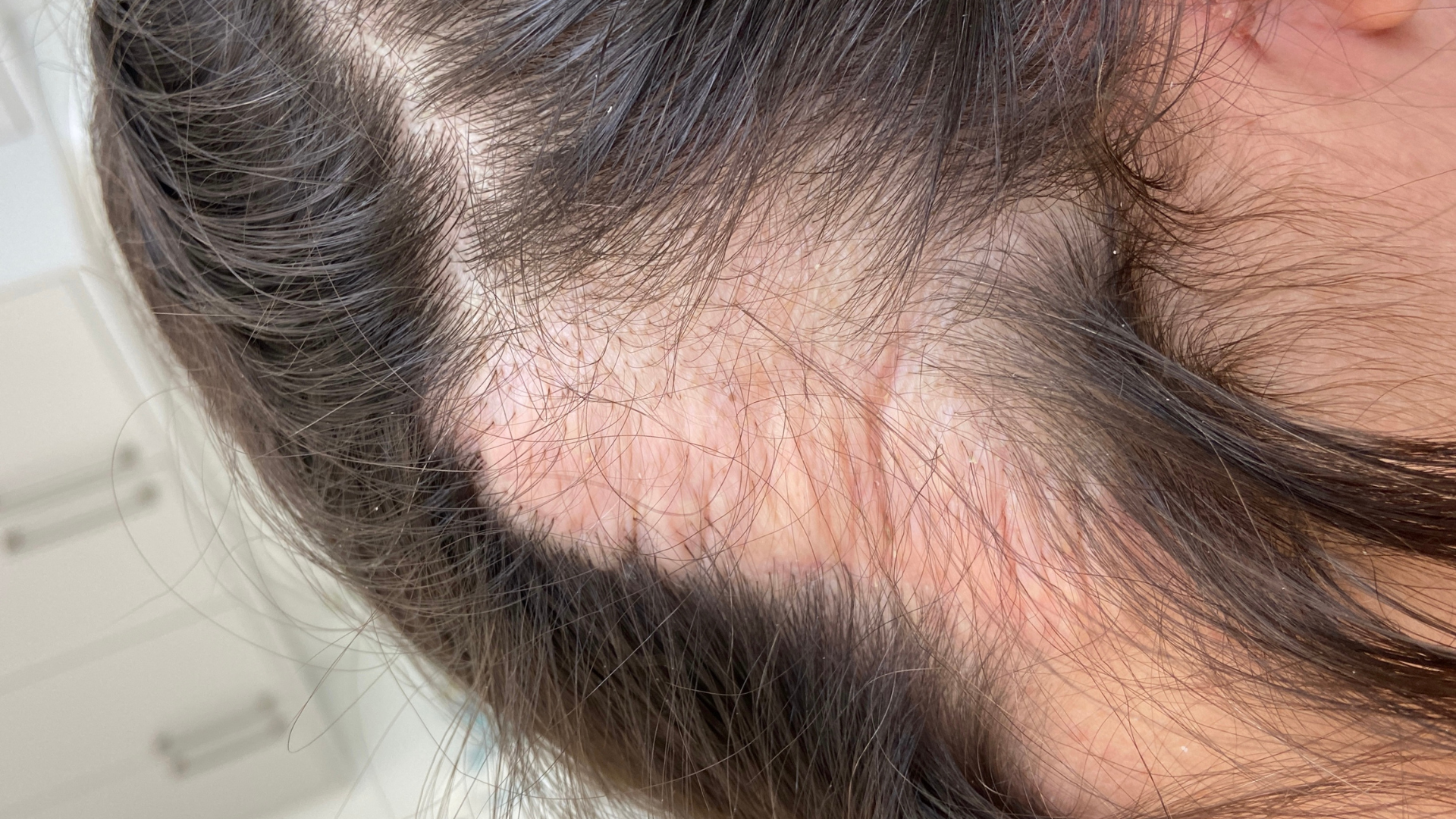
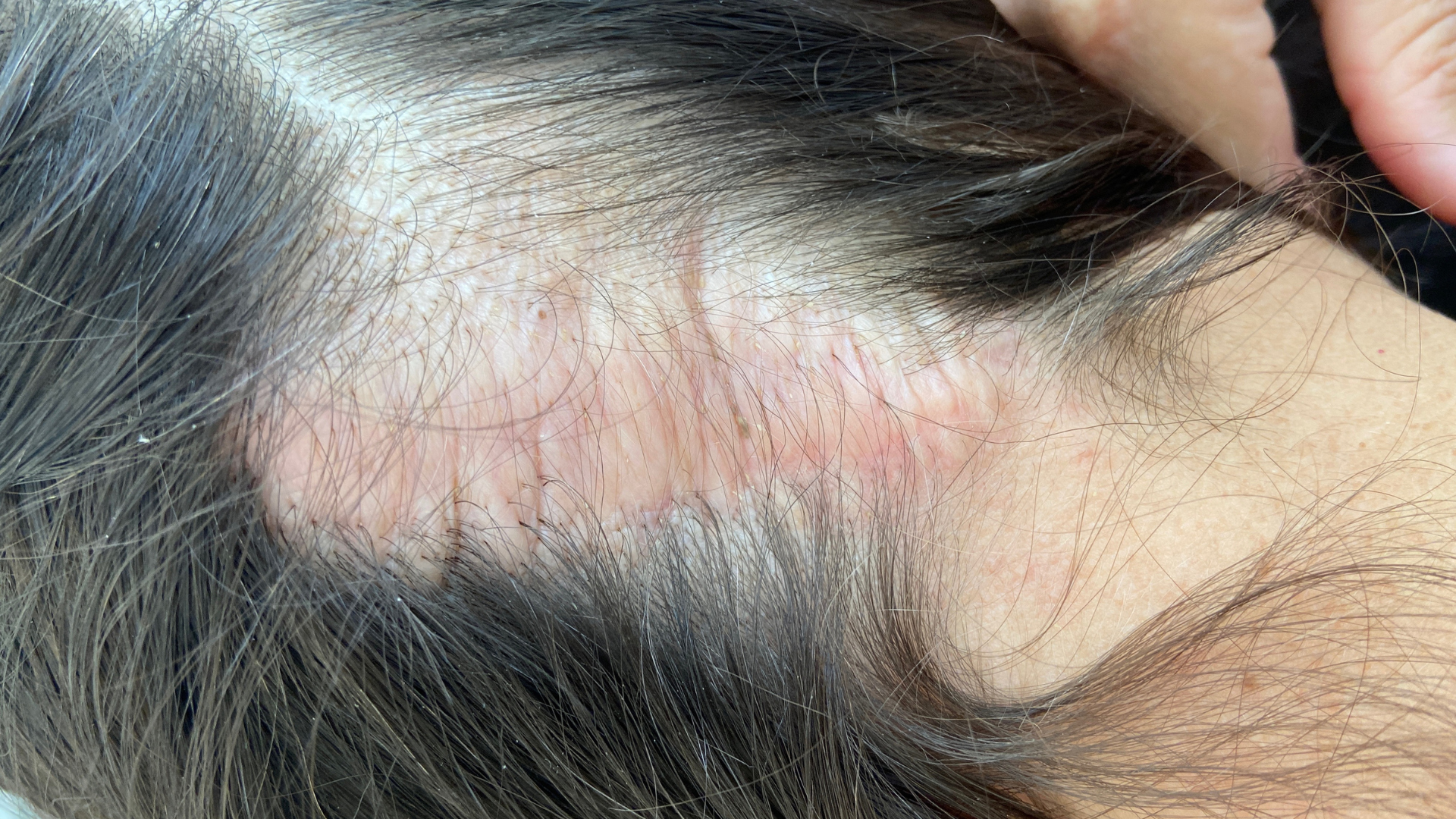
At first glance, a scar on the scalp may not seem dramatically different from the skin around it. Underneath, however, the structure is not the same.
Scar tissue is often thicker, less flexible, and less richly supplied with blood than normal skin. That matters because blood flow is what helps nourish transplanted follicles once they have been placed into the scalp.
In healthy tissue, implanted grafts have a stronger environment in which to settle, heal, and begin producing new growth. In scar tissue, the odds can be lower. The skin can be tougher to work with, and the follicle may struggle to receive the same level of support during the crucial healing phase.
That does not mean the treatment cannot work. It means the surgeon must approach it with a more careful strategy, and the patient must go in with realistic expectations.
A Technique With Medical Roots
Interestingly, hair transplantation did not begin purely as a cosmetic solution for thinning hair.
In dermatology, one of its earlier uses involved improving the appearance of scars. Long before hair restoration became widely associated with male pattern baldness, the concept of relocating healthy follicles was already being explored as a way to bring coverage back to damaged skin.
That medical background still matters today. It reminds us that transplanting into a scar is not some fringe idea or experimental trend. It is a recognised application of a well-established procedure. The difference is that modern methods, tools and planning have made the process far more refined than it once was.
For some patients, there can also be a financial angle worth exploring. Most hair transplants are paid for privately, but when a scar is connected to a previous accident, surgery, burn, or medical condition, there are rare cases where insurance support may be considered.
It is never something to assume, but it can be worth checking.
How the Procedure Works
In principle, a hair transplant on scar tissue follows the same basic process as a standard transplant.
Hair follicles are usually harvested from a donor area, most commonly the back or sides of the head, where growth is more stable. Those follicles are then implanted into the area where coverage is needed.
Where the procedure changes is in the level of precision required. Scar tissue can be dense and resistant, so the surgeon must carefully judge how many grafts the area can realistically support. Placing too many follicles into compromised skin may reduce survival rates rather than improve the final result.
This is why experience matters so much. Transplanting into a normal scalp is one skill. Transplanting into scar tissue is another. It requires an understanding of tissue quality, graft spacing, blood supply, and healing behaviour.
A clinic that regularly handles scar cases is far better placed to judge whether the transplant is likely to be worthwhile.
The Biggest Challenge: Follicle Survival
The central issue with scar transplants is not whether follicles can be implanted. They can. The real question is whether enough of them will survive and grow to produce a convincing improvement.
Because scar tissue often has weaker circulation, follicles may have a harder time establishing themselves. Surgeons may respond by adjusting the depth of implantation, modifying the angle of placement, or using specialised instruments that cope better with tougher tissue.
The goal is to give each graft the best possible chance of taking hold.
Additional treatments can also play a role. Platelet-Rich Plasma, often called PRP, is sometimes used to support healing and improve the local environment by encouraging better blood flow and tissue response.
It is not magic, and it does not remove the limitations of scar tissue, but in the right case it can help strengthen the overall outcome.
Can a Scar Be Fully Hidden?
This is the part patients most want answered, and understandably so. In some cases, a scar can be covered remarkably well. In others, the result is more about camouflage than complete disappearance.
A shallow, flatter scar with reasonable tissue quality tends to offer a better opportunity than one that is deeply fibrous, raised, or extensive. Location matters too. So does hair type, donor supply, and the contrast between the scar and surrounding scalp. All of these details shape the final result.
The key point is that improvement is often realistic, perfection is not always.
A successful transplant on scar tissue may not recreate exactly the same density as untouched scalp, but it can still make a dramatic cosmetic difference. For many patients, making a scar less visible rather than invisible is already a worthwhile win.
Choosing the Right Clinic
Anyone considering this kind of treatment should be selective about where they go. Scar transplantation is not a routine, one-size-fits-all procedure. It demands careful assessment and a tailored plan.
A strong clinic should be able to explain whether the scar is suitable, what level of growth is realistic, and whether supporting treatments are recommended. It should also be open about the limitations. That honesty is important. The best results usually begin with proper expectations, not sales language.
Clinics such as IK Clinics position themselves in this area by combining FUE techniques with tools designed for precise implantation in more difficult tissue. Treatments such as PRP may also be included to help improve the conditions around the grafts.
What matters most, however, is not the branding. It is the surgeon’s judgement, experience, and ability to assess the scar properly before treatment begins.
The Real Verdict
So, do hair transplants on scar tissue work? Yes, they can. But they work under different conditions, with different limitations, and often with a lower success rate than transplants placed into healthy skin.
That may sound less dramatic than a miracle headline, but it is the truth patients deserve.
Scar tissue is harder ground to work with, yet it is not impossible ground. With the right case, the right planning, and the right specialist, a hair transplant can noticeably improve the appearance of a scar and help restore confidence in the process.
For anyone bothered by a visible scalp scar, the smartest first step is not guesswork. It is a consultation with someone who understands both hair restoration and the biology of scar tissue. That is where the real answer begins.
About IK Clinics
At IK Clinics, we’re not afraid to say that we’re proud to lead the way. Our expert team, advanced technology, and commitment to patient care ensure you get the best experience from start to finish.
What’s more, we offer a range of services in hair restoration, like FUE, Stem-cell and Plasma Therapy, along with various anti-aging treatments. Get in touch to find out more or book a consultation.