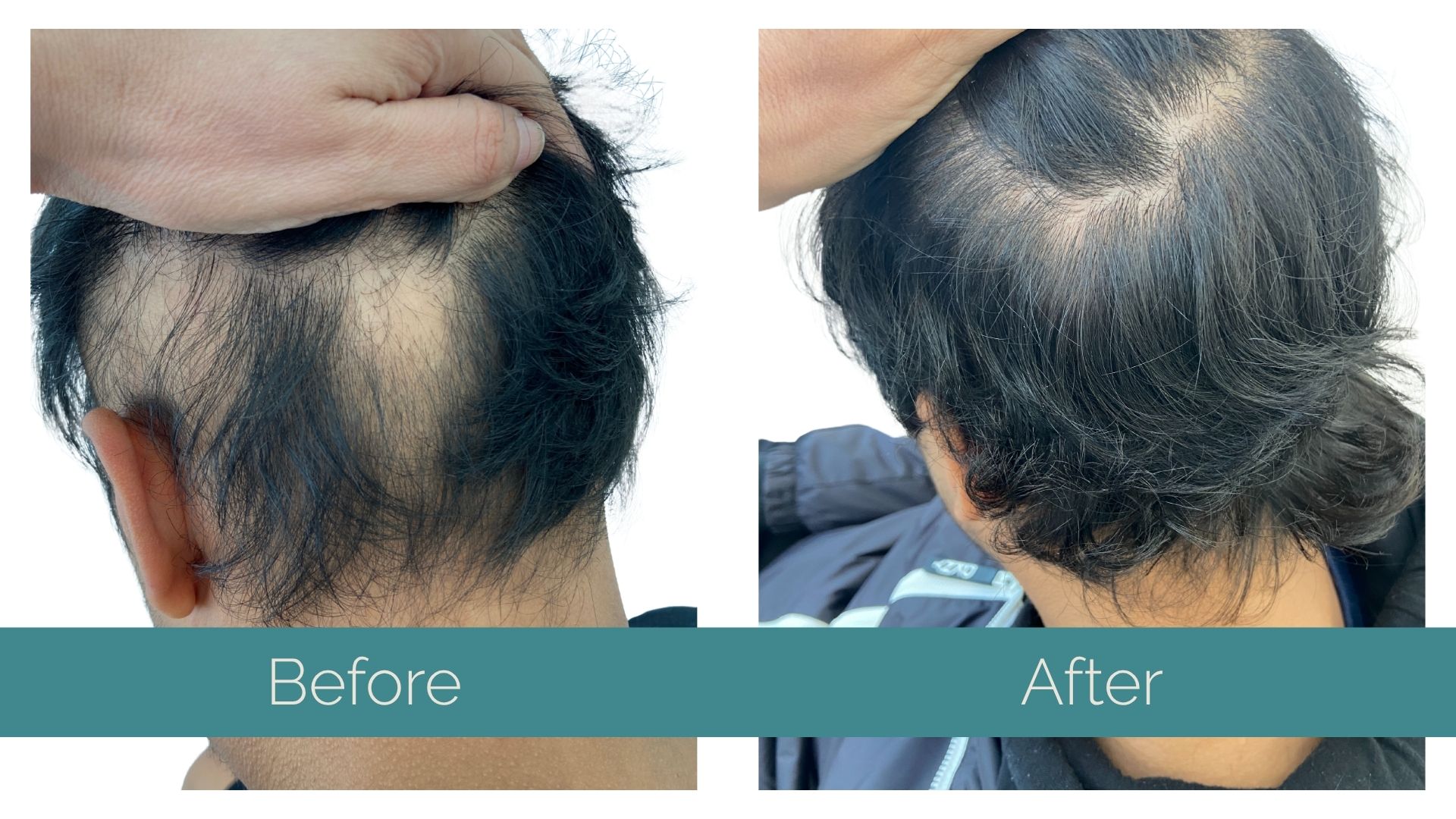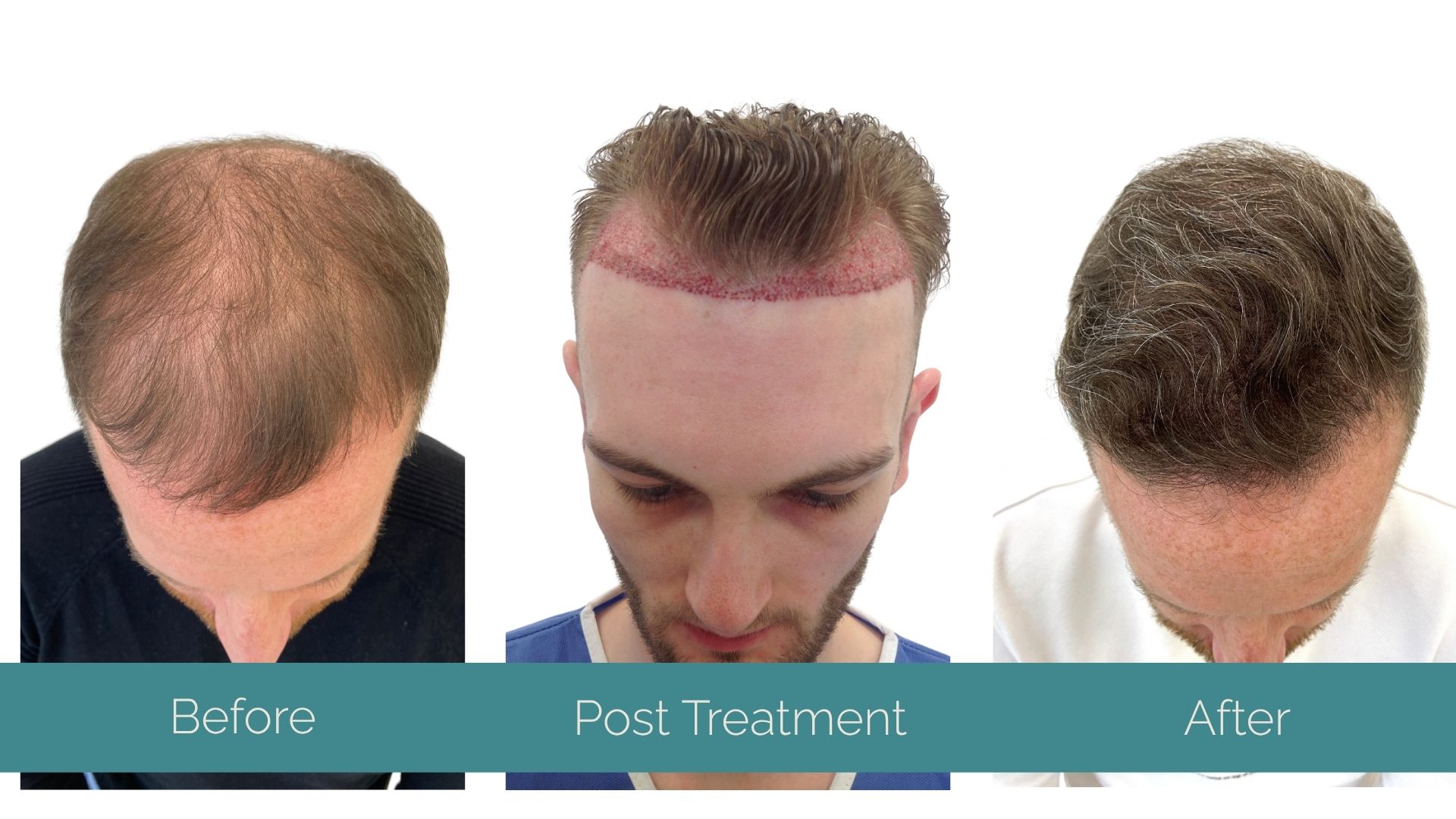
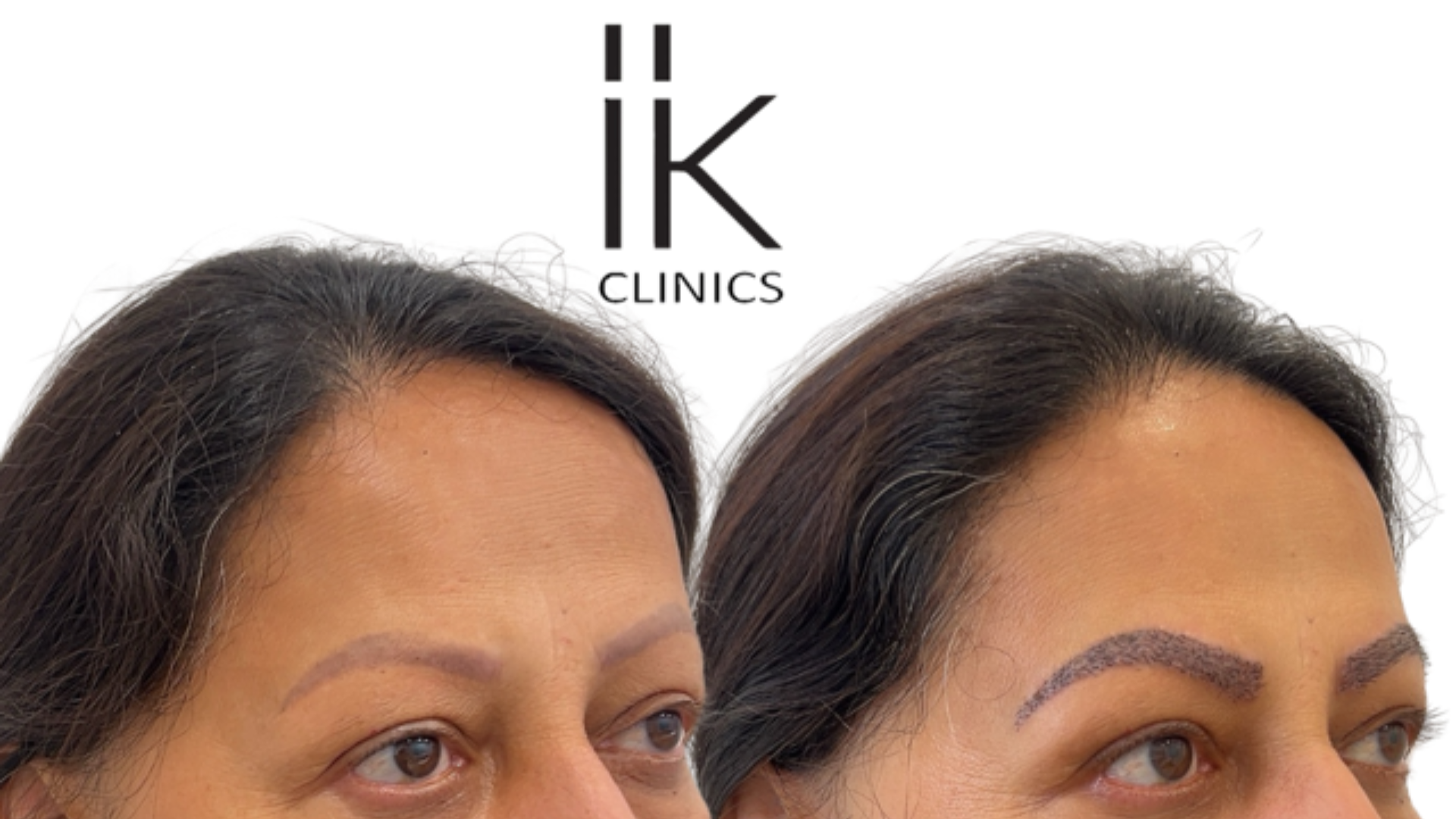
A beard can sharpen a jawline, a moustache can become part of your signature, and eyebrows quietly do the heavy lifting of expression.
So when patches appear, edges thin out, or growth seems to stall, it can feel oddly personal.
What counts as facial hair loss
Facial hair loss can look like a few bald coin-sized patches in the beard, a moustache that grows unevenly, eyebrows that thin at the tails, or scarring in an area where hair simply won’t return.
The pattern matters, because the right treatment depends less on what you want to grow and more on why it stopped growing in the first place.
Step 1: Work out the “why” before you pick a treatment
The most effective “first treatment” is a proper assessment.
Genetics can influence density and patchiness, but sudden or localised loss can also be linked to conditions such as alopecia areata (an autoimmune cause of patchy loss), skin inflammation, fungal infection, scarring from injury or surgery, or repetitive pulling/traction (more common with eyebrows).
Some medicines and medical treatments can also trigger shedding or slow regrowth. A specialist clinic (for example, a hair-restoration team like IK Clinics) can help identify the likely cause and steer you away from wasting months on the wrong option.
Step 2: Check for reversible triggers you can fix early
Before committing to procedures, it’s worth addressing the basics that can quietly sabotage results.
Ongoing skin irritation, harsh grooming, aggressive exfoliants, and untreated dermatitis can all make regrowth harder. Stress and sleep disruption don’t “cause” beard baldness in the dramatic way social media suggests, but they can worsen inflammation and slow recovery.
If a clinician suspects a medical driver, they may suggest targeted treatment or, in some cases, blood tests to rule out underlying issues that affect hair cycling.
Step 3: Consider topical support (and set realistic expectations)
For non-scarring thinning or slow growth, topical options are often the first rung on the ladder.
The most well-known is minoxidil, a solution or foam that can help stimulate follicles and extend the growth phase. It’s widely used for scalp hair loss; facial use is common but may be off-label depending on location, so it’s best started with professional guidance – especially if you have sensitive skin, eczema, or a history of irritation.
The big headline is consistency: results, when they happen, tend to show over months, not weeks, and dryness or mild irritation can be part of the early experience.
Step 4: If patches are sudden, treat the condition – not just the hair
When facial hair loss appears quickly in defined patches, the “hair growth product” approach can be the wrong tool for the job.
Alopecia areata, for example, often needs medical management to calm the immune response at the follicle level. Likewise, if the cause is infection or significant inflammation, treating the skin problem is what creates the conditions for hair to return.
This is where a dermatologist or hair-loss clinician earns their fee: the goal is to stop the damage first, then support regrowth.
Step 5: PRP can be a middle step for people wanting a natural boost
Platelet-Rich Plasma (PRP) has become a popular option for patients who want a non-surgical treatment with a “use your own biology” angle.
A clinician draws a small amount of blood, concentrates the platelet-rich portion, then injects it into the target areas. The theory is that growth factors help encourage healthier follicle activity.
PRP usually works best as a series (often several sessions spaced over a few months), and it tends to suit people with thinning or weakened growth rather than areas where follicles are fully destroyed by scarring.
Step 6: A transplant is the go-to for permanent, structural change
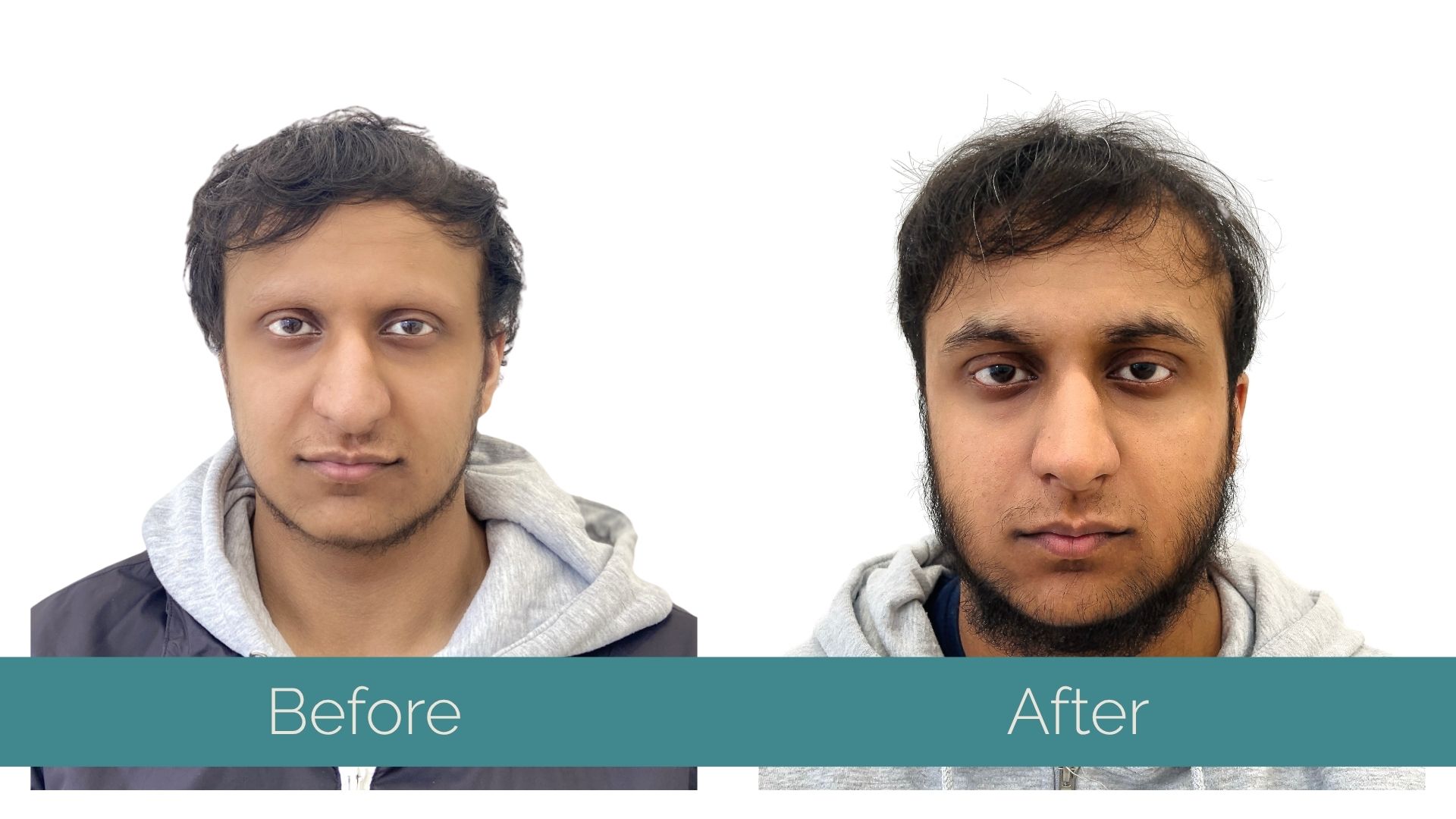
If you’re looking for a long-term solution – especially where density is naturally low, patches have been stable for a long time, or you want a specific beard/eyebrow shape – facial hair transplantation is the most definitive option.
The procedure typically involves taking follicles from a donor area (often the back of the scalp) and implanting them into the beard, moustache, or brows with careful angle and direction control.
Expect it to be a time investment: the procedure can take several hours, early redness/scabbing is normal, and the new hairs often shed before regrowing. The payoff is that transplanted hair grows like real hair because it is real hair – just relocated.
Step 7: If you want the look now, camouflage has its place
Not everyone wants needles, downtime, or a months-long waiting game.
Micropigmentation (sometimes called hair tattooing) can create the illusion of density in a beard line or help define brows. It won’t grow hair, but it can make sparse areas far less noticeable quickly.
For some people, it’s a standalone choice; for others, it’s a bridge while waiting for medical regrowth or transplant results to mature.
Step 8: Plan your aftercare like it’s part of the treatment
Aftercare isn’t a footnote – it’s often the difference between “fine” and “fantastic”. With topicals, managing irritation (gentle cleansing, moisturising, avoiding harsh activities) can keep you consistent enough to see results.
After PRP, you’ll usually be asked to avoid washing the area for a short period and skip heavy sweating for a day or two. After a transplant, the early days matter most: don’t pick scabs, follow cleaning instructions closely, and protect the area from friction and sun while follicles settle in.
The bottom line: match the method to the cause
Facial hair loss is common, and the treatment landscape is bigger than most people realise – from topical stimulation and PRP through to transplantation and micropigmentation.
The smartest route is step-by-step: identify the cause, choose the least invasive option that can realistically work, then escalate if needed. With the right plan and a bit of patience, “patchy and unpredictable” can turn into “structured, steady progress.”
About IK Clinics
At IK Clinics, we are proud to stay at the forefront of global hair restoration trends, offering a variety of advanced techniques to meet the diverse needs of our clients. From FUE, PRP to Stem Cell Therapy, we ensure that every client’s treatment is tailored to their personal goals, helping them regain not just their hair but also their confidence.
Interestingly, we don’t just stop at hair restoration treatments, our highly skilled team also offers a range of anti-aging treatments.