It starts in the mirror, in old photographs, in the quiet frustration of noticing more scalp than before, or in the steady retreat of a hairline that once felt dependable.
By the time someone books that first appointment, they are rarely just asking about hair. They are asking about confidence, identity, appearance, ageing, and whether anything can really be done.
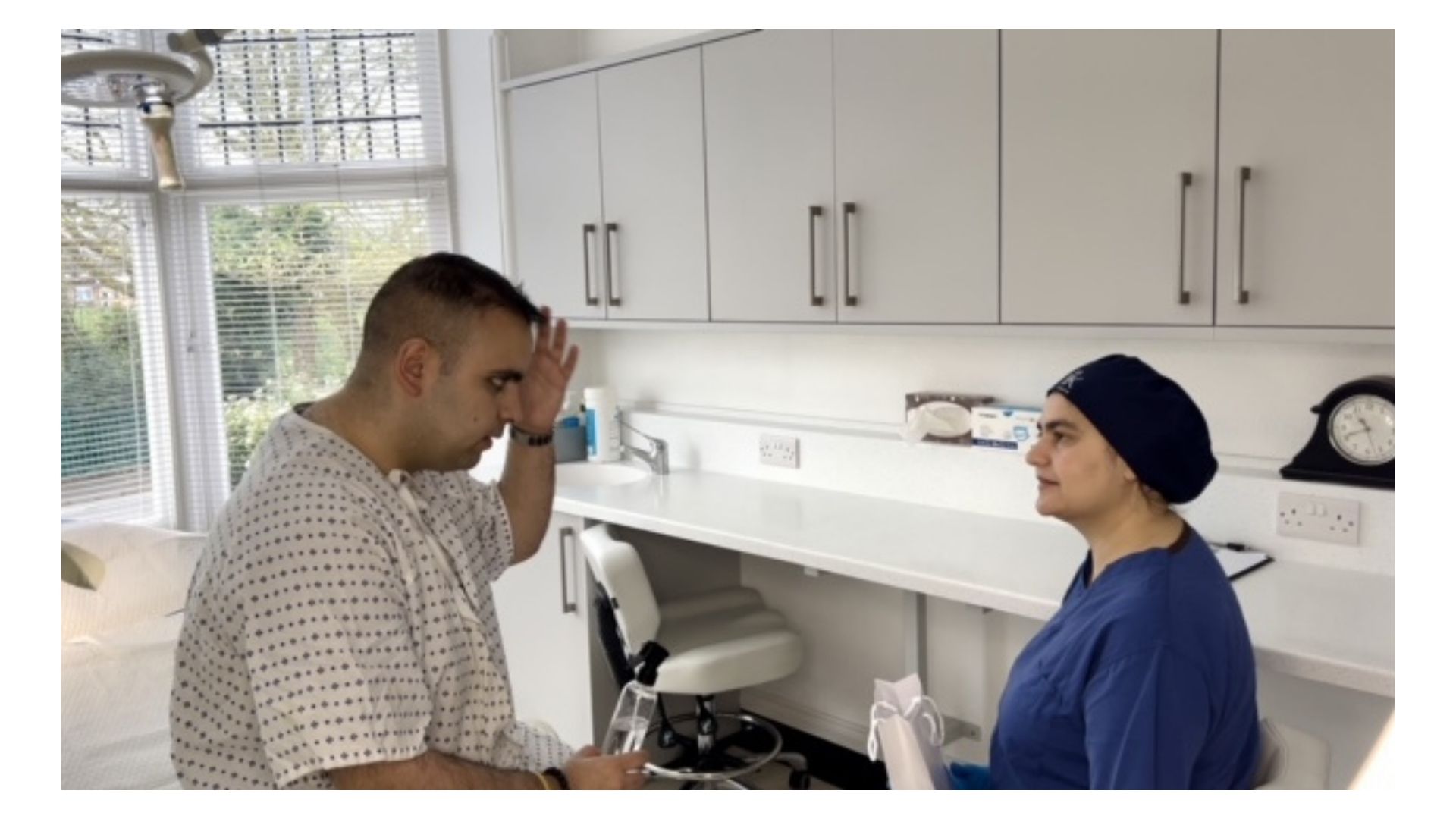
That is exactly why the consultation matters so much. It is not simply a sales conversation, and it should never feel like one. A good consultation is part medical assessment, part expectation-setting exercise, and part reality check.
It should leave you feeling informed, calm, and clearer than when you arrived. And the best way to get there is by asking better questions.
First things first: Am I Actually a Suitable Candidate?
This is the question that should sit right at the top of the list.
Not everybody experiencing hair loss is automatically suited to a transplant, and a trustworthy clinic should be willing to say so. The right candidate depends on several factors, including the cause of the hair loss, the pattern and progression of thinning, the quality of the donor area, and your general health.
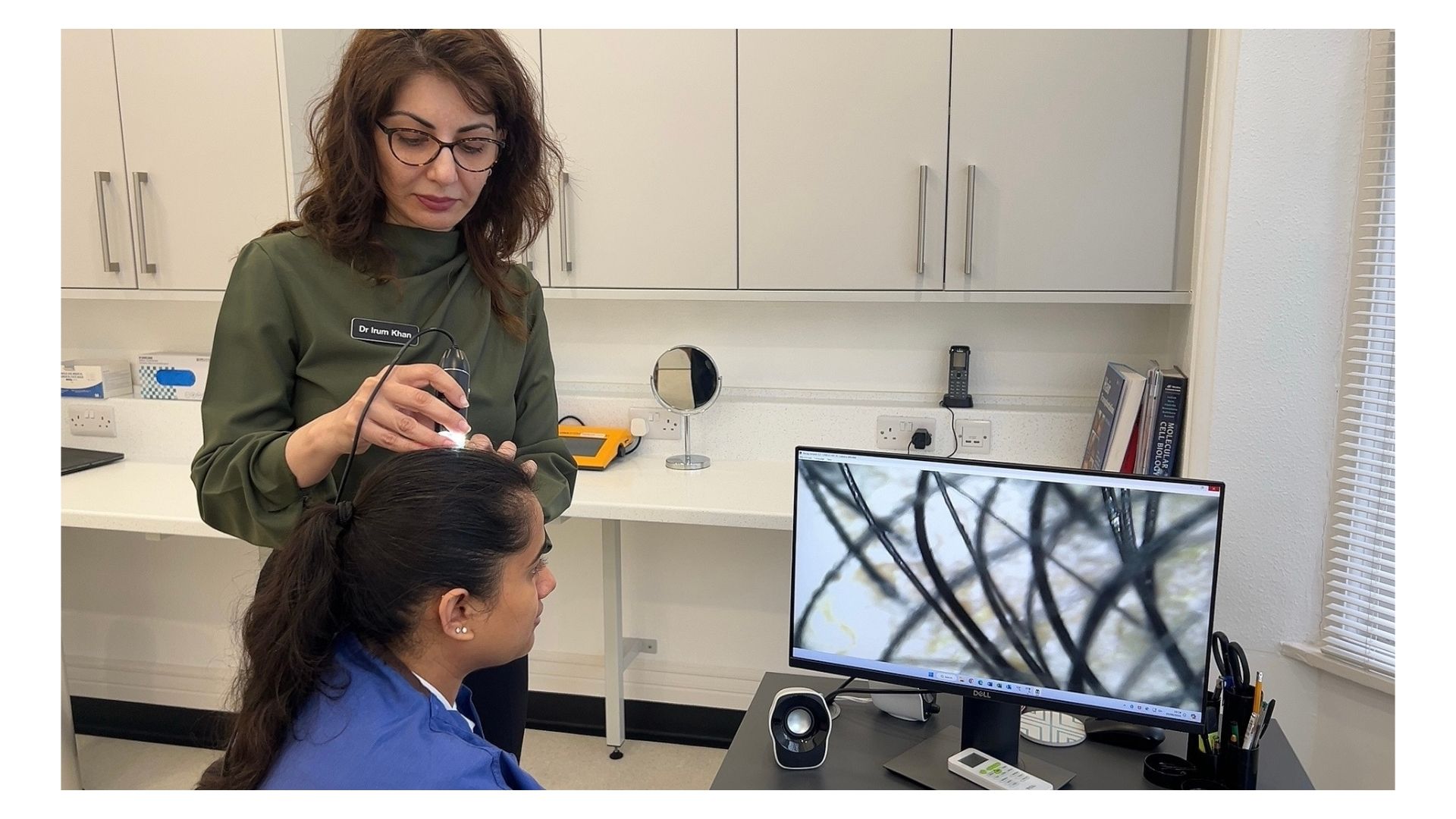
A proper consultation should involve a close look at your scalp, not a quick glance followed by a quote. If a surgeon or consultant does not explore why your hair loss is happening, how stable it is, and what your donor hair looks like, that is a red flag.
In some cases, non-surgical options or a delayed procedure may be the better route. That may not be the answer some people want to hear, but it is often the answer they need.
Which Method Would Suit Me Best, and Why?
Hair transplant consultations often include terms like FUE and FUT, and for first-time patients, the jargon can sound more technical than it needs to. This is where a clear explanation becomes crucial.
FUE, or Follicular Unit Extraction, involves removing individual follicles and implanting them into thinning areas. It is often associated with minimal scarring and a recovery period that many patients find manageable.
FUT, or Follicular Unit Transplantation, involves removing a strip of skin from the donor area and dividing it into grafts, which can sometimes be useful for larger cases.
What matters most is not memorising the terminology, but understanding why one method is being recommended for you. A strong consultation should explain how your hair type, hair loss pattern, styling preferences, donor area, and long-term goals influence that choice.
If the answer sounds generic, it probably is.
What Will the Plan Look Like on the Day?
The idea of a hair transplant can feel mysterious until somebody explains the practical details. That mystery is often what fuels the nerves. A consultation should therefore make the procedure feel more understandable, not more intimidating.
Ask what the day will involve from beginning to end. How long is the procedure likely to take? Will it be carried out under local anaesthetic? How many grafts are being discussed? Will there be breaks? Will you need someone to take you home afterwards?
These are not small details. They help turn a vague medical procedure into something you can prepare for sensibly.
The more clearly a clinic can walk you through the process, the more confidence it tends to inspire. Good clinics know that patients are not only buying a result. They are buying peace of mind along the way.
What Will Recovery Really Be Like?
This is the part many patients are especially keen to understand, and for good reason. A transplant may be done in a day, but recovery unfolds over time. The right consultation should be honest about both the short-term inconvenience and the longer-term patience required.
Ask when you can go back to work, when exercise becomes safe again, and what the first week will feel like. Find out how you should sleep, how to wash your scalp, when swelling may appear, and when scabs are expected to settle.
The aftercare instructions should not be an afterthought. They are part of the treatment.
A helpful clinic, such as IK Clinics, will also explain that recovery is not only about physical healing. There is often an awkward phase where transplanted hairs shed before regrowth begins, and many patients are relieved simply to know that this can be normal rather than alarming.
Will the Result Actually Look Natural?
This is the question sitting quietly underneath almost every other one. People are not usually chasing hair for the sake of it. They want a result that looks believable, balanced, and appropriate for them.
That means your consultation should include a conversation about hairline design, density, and long-term appearance. A well-designed transplant should not look artificially sharp, too low, or disconnected from the way your face and hair may age over time.
Natural results tend to come from thoughtful planning rather than dramatic promises.
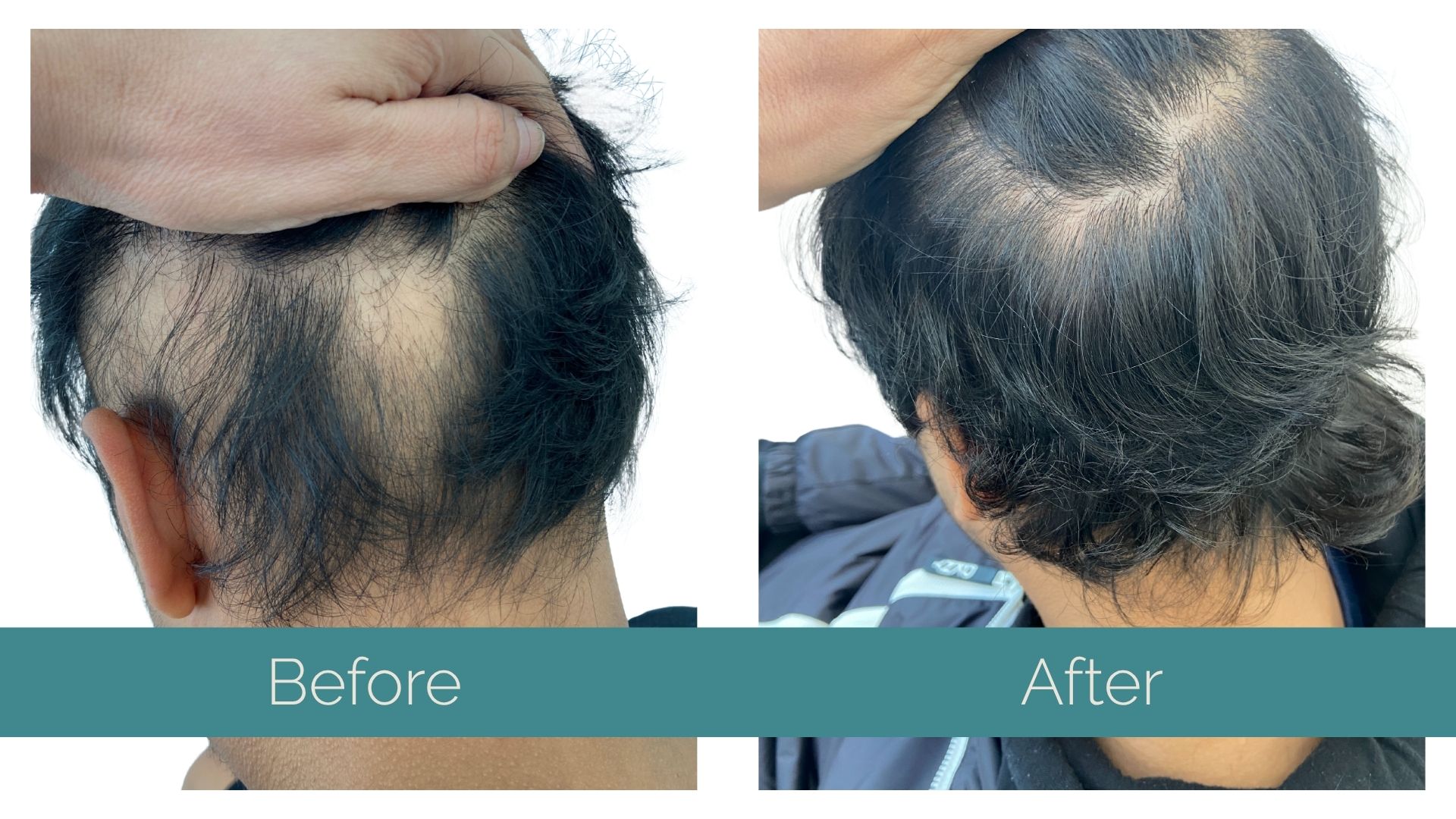
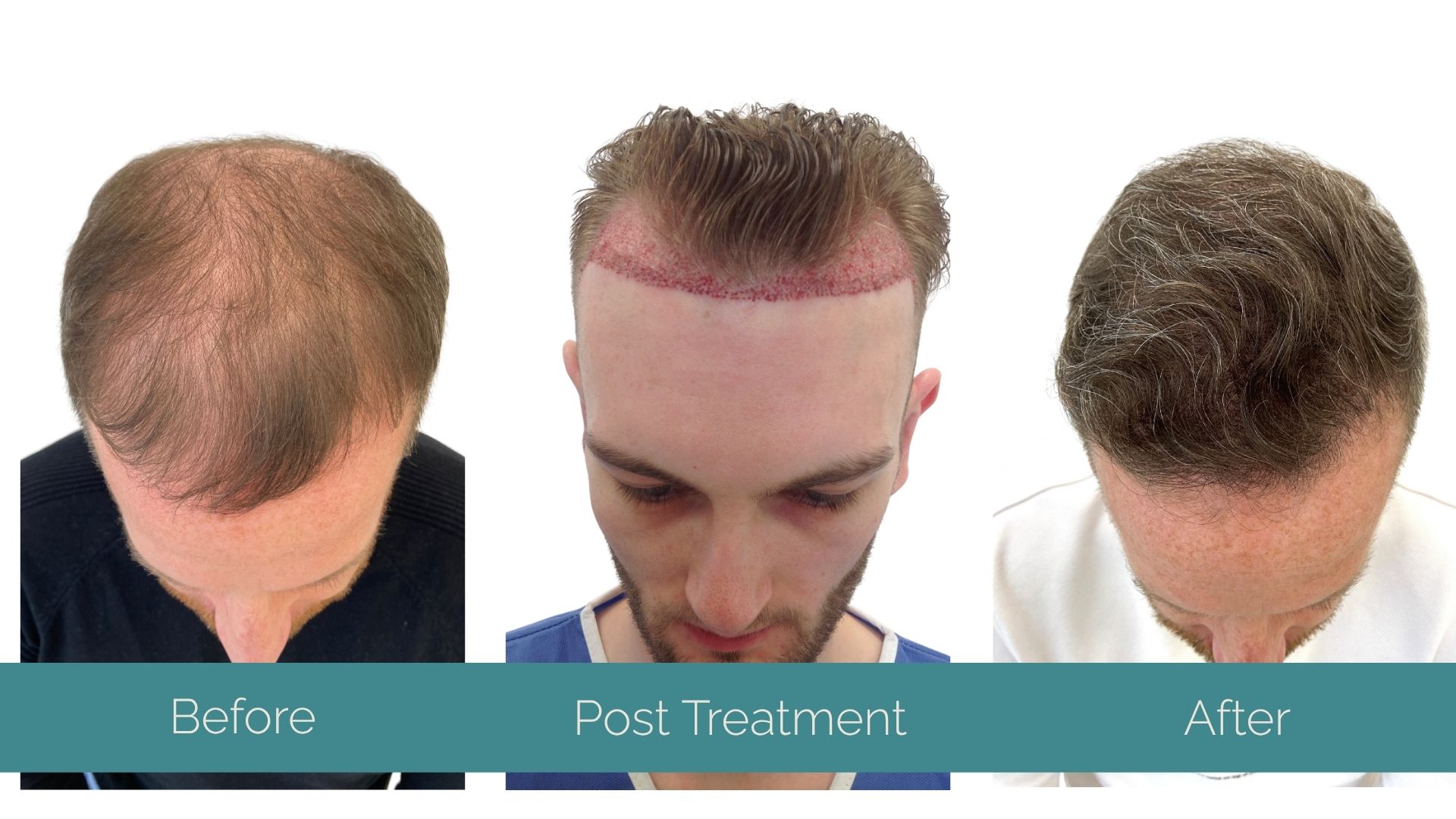
This is also the right time to ask to see before-and-after photos. Not glossy marketing shots alone, but real examples that give a sense of consistency. A good clinic should be comfortable talking through what was achievable in those cases and what may or may not be realistic in yours.

When Should I Expect to See Results?
Hair transplant results are rarely instant, and patients who go into the process expecting rapid transformation can become unnecessarily worried. A good consultation should set the timeline out plainly.
In most cases, early regrowth begins to show after a few months, with fuller development taking shape over the course of a year or more. That is why the first consultation should include a realistic discussion about milestones, not miracles.
Ask what changes you may notice at three months, six months, and beyond. Understanding the journey helps you judge progress properly rather than emotionally.
What About Risks, Costs, and Follow-up Support?
No medical procedure should be discussed without covering the less glamorous but essential details.
Ask about temporary swelling, redness, discomfort, shock loss, infection prevention, and what happens if healing does not go exactly to plan. A clinic that speaks honestly about risk often appears more credible, not less.
The same goes for price. Ask for a clear breakdown of the cost and whether aftercare, medication, and follow-up appointments are included. Transparency here matters. So does support after the procedure.
A reputable clinic should explain how it monitors progress and what help is available if you have concerns later on.
The Real Purpose of the First Consultation
The best consultations do not rush you towards a yes. They help you understand whether the procedure is right, what the journey involves, and whether the clinic in front of you has earned your trust.
In that sense, the first consultation is less about being sold on a transplant and more about learning how to judge one properly.
Ask direct questions. Expect clear answers. And remember that a strong clinic will not be unsettled by an informed patient. Quite the opposite. It will welcome one.

About IK Clinics
At IK Clinics, we are proud to stay at the forefront of global hair restoration trends, offering a variety of advanced techniques to meet the diverse needs of our clients. From FUE, PRP to Stem Cell Therapy, we ensure that every client’s treatment is tailored to their personal goals, helping them regain not just their hair but also their confidence.
Interestingly, we don’t just stop at hair restoration treatments, our highly skilled team also offers a range of anti-aging treatments.