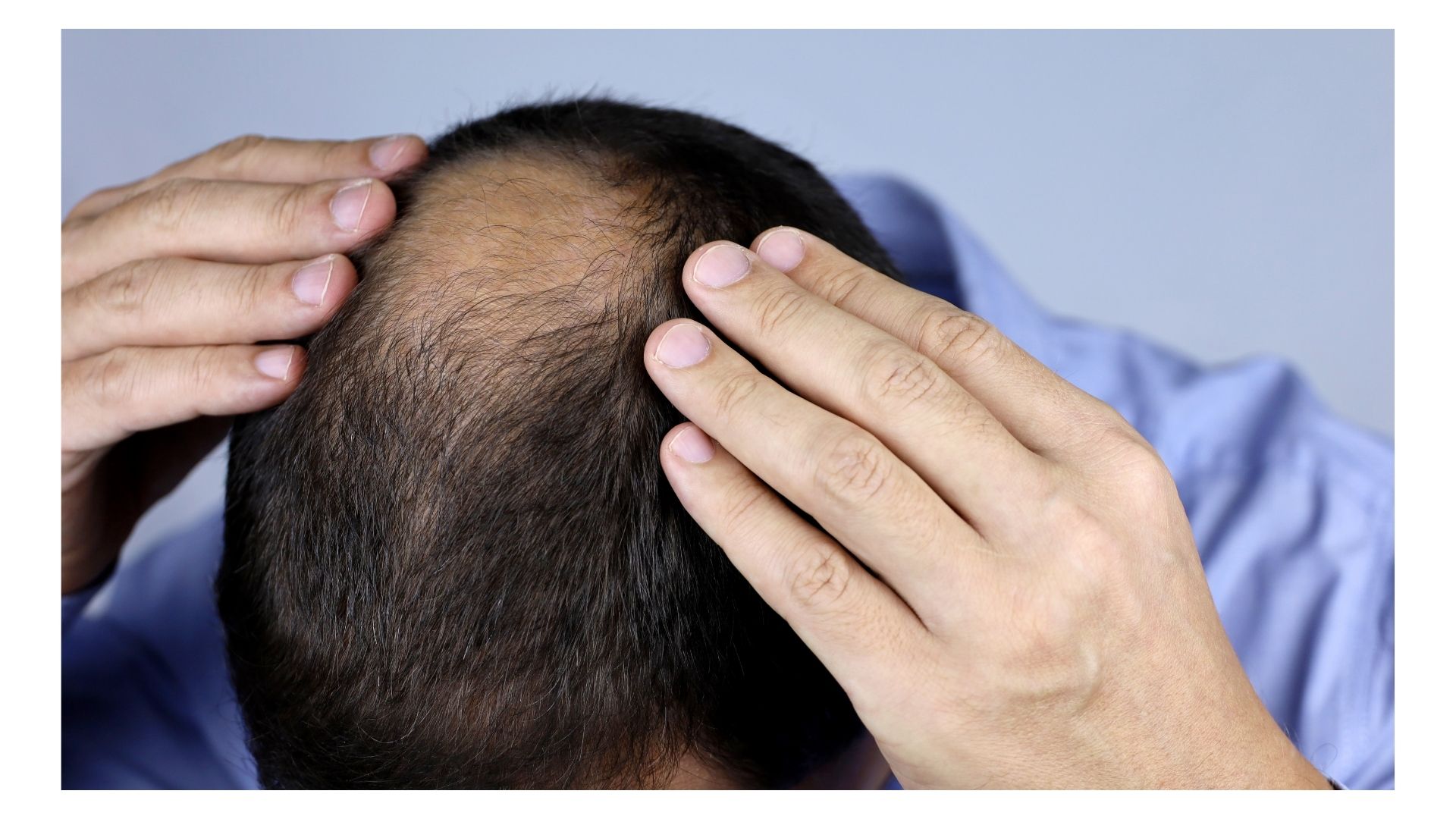
“Alopecia” is simply the medical word for hair loss, but the reasons it happens – and the way it shows up – vary widely. Knowing which type you’re dealing with is the first step to taking control.
What Do We Mean by Alopecia?
Alopecia is an umbrella term covering everything from short-lived shedding to permanent loss. It can be driven by the immune system, hormones and genetics, styling practices, major life stressors, or scarring conditions that damage follicles.
Men and women often notice different patterns, and that matters when it comes to treatment. Here’s a clear tour of the main types.
Alopecia Areata: Patchy and Unpredictable
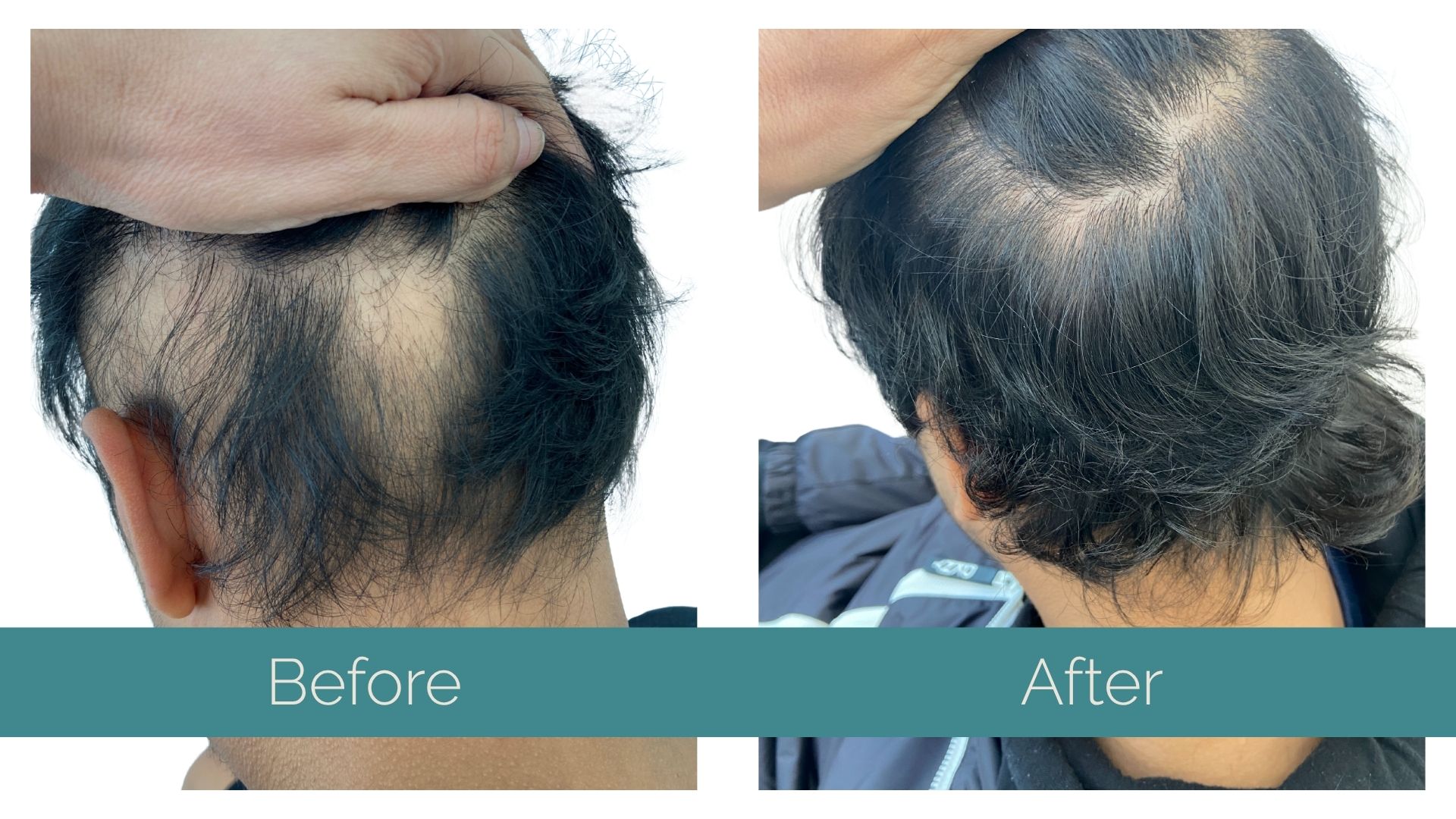
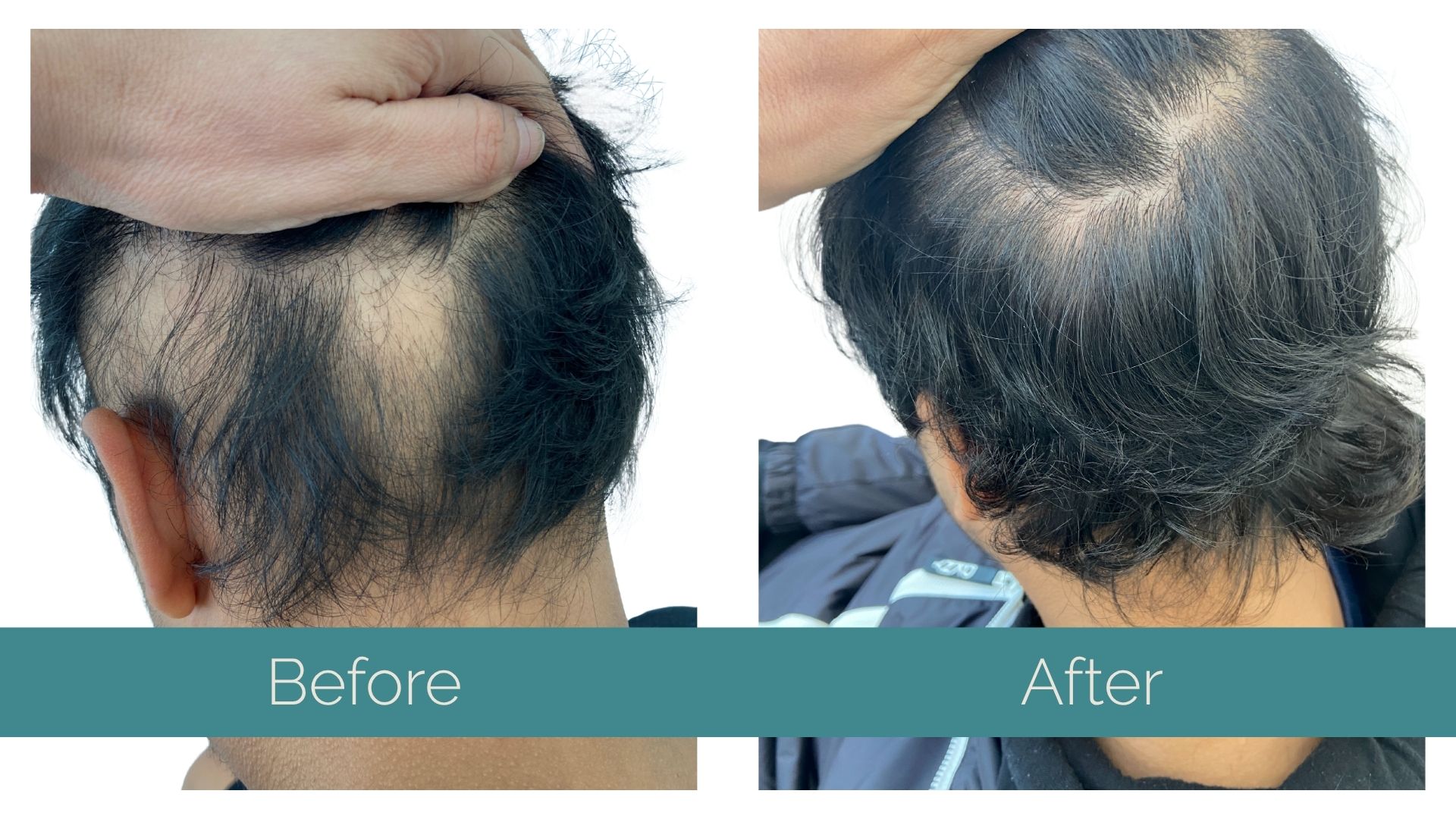
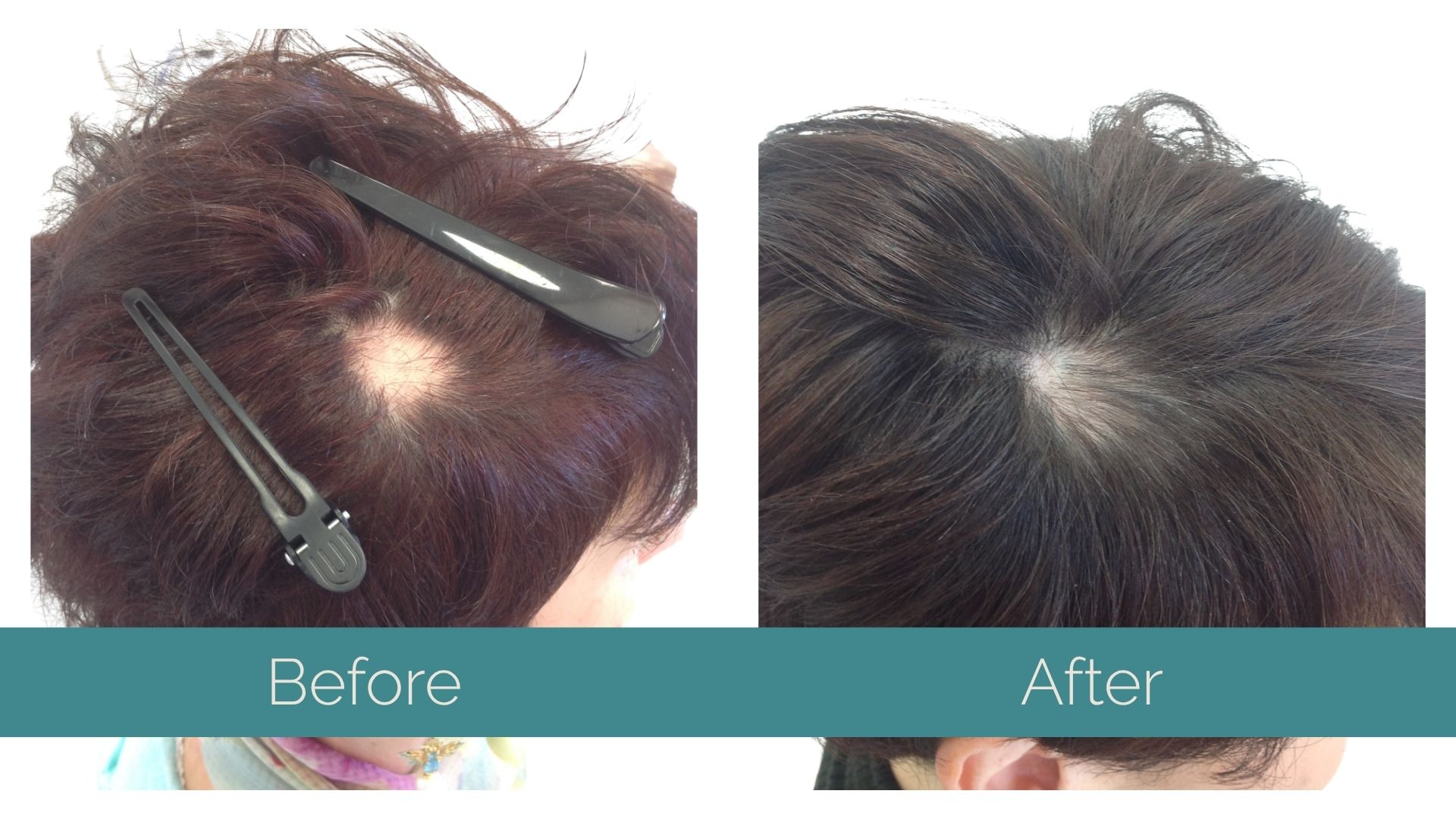
Alopecia areata is an autoimmune condition: the body’s defences mistakenly attack hair follicles, causing coin-sized round patches of loss.
Most cases appear on the scalp, though brows, beard and other body hair can be affected. It can start at any age and is famously capricious – hair may regrow in one patch while another thins.
There’s no permanent cure, but there are established ways to calm inflammation and encourage regrowth. Dermatologists commonly use corticosteroid creams or tiny injections. Over-the-counter minoxidil can help support returning hairs, and newer immunomodulating therapies are emerging under specialist care.
Androgenetic Alopecia: The Familiar “Pattern”
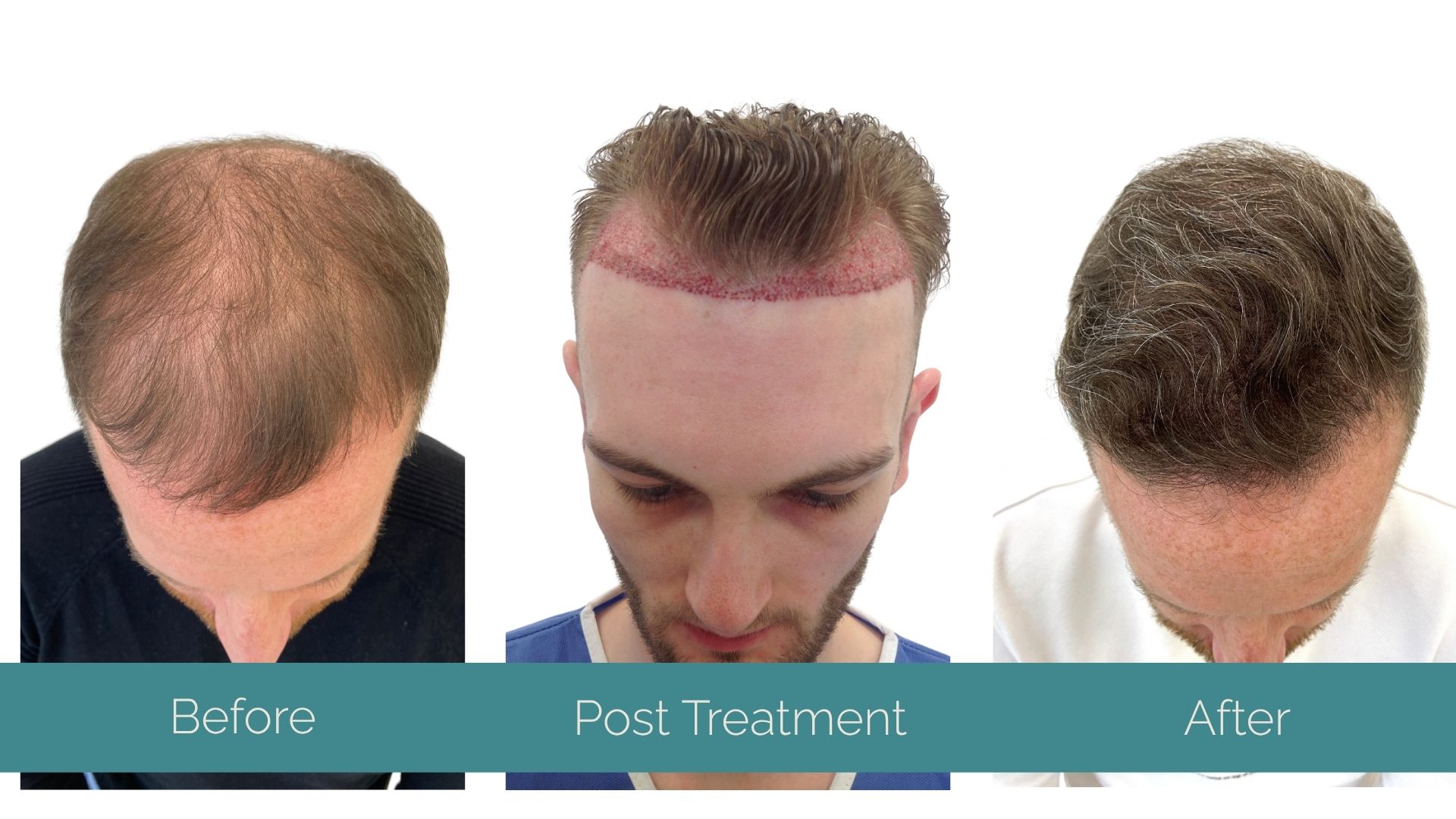
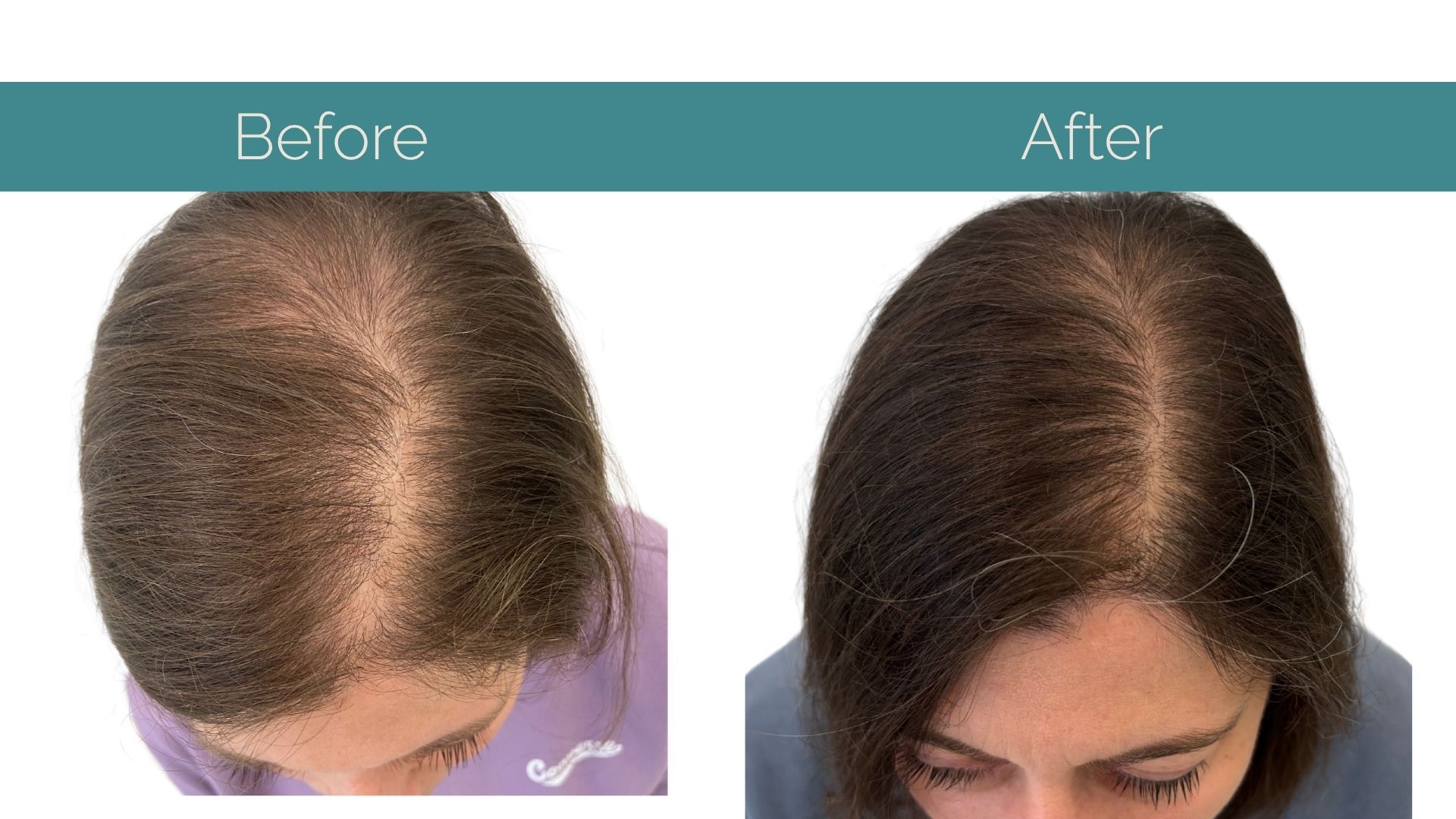
The most common diagnosis – often called male- or female-pattern hair loss – stems from a genetic sensitivity to androgens (hormones) that gradually miniaturise follicles.
Men typically notice a receding hairline or thinning crown; women tend to see diffuse thinning across the top with a widening parting, often more apparent after menopause.
Evidence-based options include topical minoxidil (which can slow loss and spur regrowth with consistent use). Men may be prescribed finasteride to reduce the hormonal signal that drives miniaturisation; some women may be offered spironolactone under medical supervision.
For suitable candidates, modern hair transplantation offers a longer-term structural solution with natural-looking results.
Traction Alopecia: When Style Creates Strain
Here, the culprit isn’t hormones or the immune system – its tension. Tight ponytails, braids, weaves, slick buns and heavy extensions can pull on follicles day after day, especially around the hairline, temples and nape, leading to breakage and, over time, thinning.
The good news: it’s largely preventable and, if caught early, reversible. Loosen styles, rotate looks, and build “rest days” into your routine.
If thinning has started, minoxidil or platelet-rich plasma (PRP) therapy may support recovery; long-standing traction can scar follicles, so early action matters.
Telogen Effluvium: The Post-Stress Shed
Think of telogen effluvium as the scalp’s shock response. A significant physical or emotional event – childbirth, surgery, high fever, crash dieting, bereavement, even certain illnesses – can push a higher-than-normal proportion of follicles into the resting (telogen) phase.
Two to three months later, shedding becomes suddenly obvious, often in disconcerting clumps.
It’s typically temporary. As the trigger passes and the hair cycle resets, shedding eases and density improves over several months. Management focuses on addressing the cause, supporting overall health (iron status can matter), and being gentle with styling.
Most people recover without prescription treatment.
Cicatricial (Scarring) Alopecia: When Follicles Are Damaged
Less common but more serious, cicatricial alopecias are a group of conditions where inflammation destroys the follicle and replaces it with scar tissue.
Early signs can include redness, scale, itching or pain, followed by patchy loss that does not regrow. Some types are seen more frequently in women and in people with African or Afro-Caribbean hair textures.
Because damage can be permanent, speed is essential. Specialists may use scalp examination and biopsy to confirm the diagnosis, then move fast to damp down inflammation – often with corticosteroids, antibiotics or other immunosuppressive medicines – to preserve remaining follicles and halt progression.
What You Can Do Now
Get a specific diagnosis. A proper assessment – ideally with a clinician experienced in hair disorders – guides everything else. Photographs, trichoscopy and, in some cases, blood tests or a biopsy can pinpoint the type.
Use evidence-based treatments.
- Topicals: Minoxidil remains a workhorse across several types.
- Tablets: Finasteride (for men) and, for some women, spironolactone may be appropriate. Autoimmune and scarring conditions often need anti-inflammatory or immunomodulating medicines.
- Procedures: PRP, low-level laser therapy and, in the right cases, hair transplantation can complement medical care.
Mind the basics. Chronic stress, poor sleep and nutrient deficits can worsen shedding. Aim for a balanced diet and discuss iron, zinc and vitamin D with your clinician if indicated. Treat hair kindly: moderate heat, reduce chemical processing, and avoid constant high-tension styles.
Support appearance and confidence. The right cut, colour strategy and volumising techniques can transform how hair looks while treatments take effect. High-quality toppers, fibres or wigs can be liberating options – not last resorts.
The Bottom Line
Hair loss is personal, but it’s not rare – and it isn’t hopeless. With a clear diagnosis and a realistic, stepwise plan, most people can slow shedding, thicken appearance or restore coverage.
If you’re unsure where to start, speak with a trusted specialist clinic; teams like IK Clinics help patients navigate options every day. Knowledge turns worry into a plan – and that’s the first win on the road back to confidence.
About IK Clinics
At IK Clinics, we are proud to stay at the forefront of global hair restoration trends, offering a variety of advanced techniques to meet the diverse needs of our clients. From FUE, PRP to Stem Cell Therapy, we ensure that every client’s treatment is tailored to their personal goals, helping them regain not just their hair but also their confidence.
Interestingly, we don’t just stop at hair restoration treatments, our highly skilled team also offers a range of anti-aging treatments.