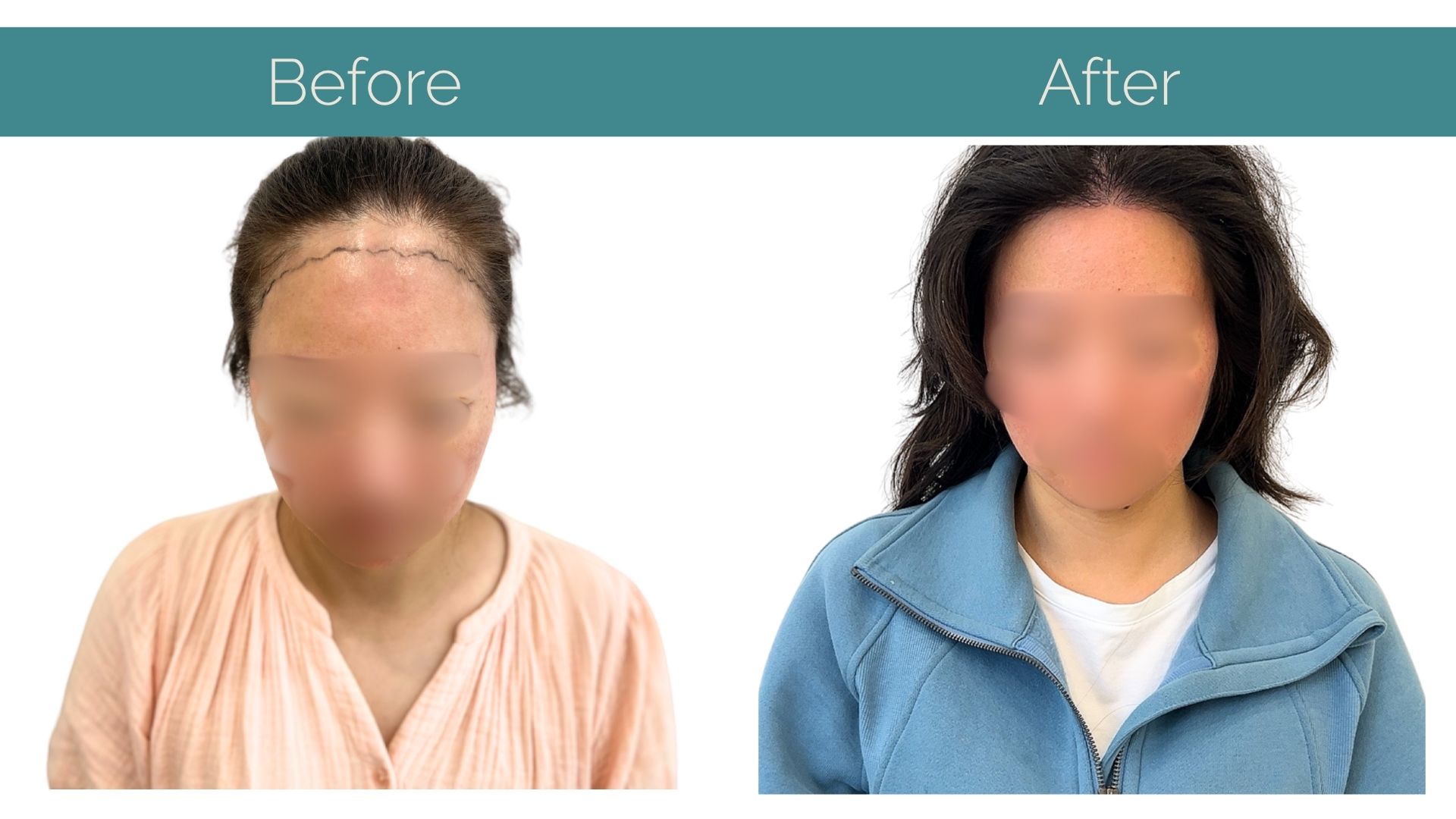
The imagery followed suit – male “before and after” shots, male-focused messaging, male-pattern baldness as the default explanation. But in clinics, in online communities, and in everyday conversations between friends, a different reality has been getting louder.
More women are now asking about hair transplants, not as a last-ditch secret, but as a valid option for restoring hair and reclaiming confidence.
The hidden truth about female hair loss
Hair loss in women isn’t rare, and it isn’t new – it’s just been treated like a private inconvenience rather than a mainstream health and wellbeing topic.
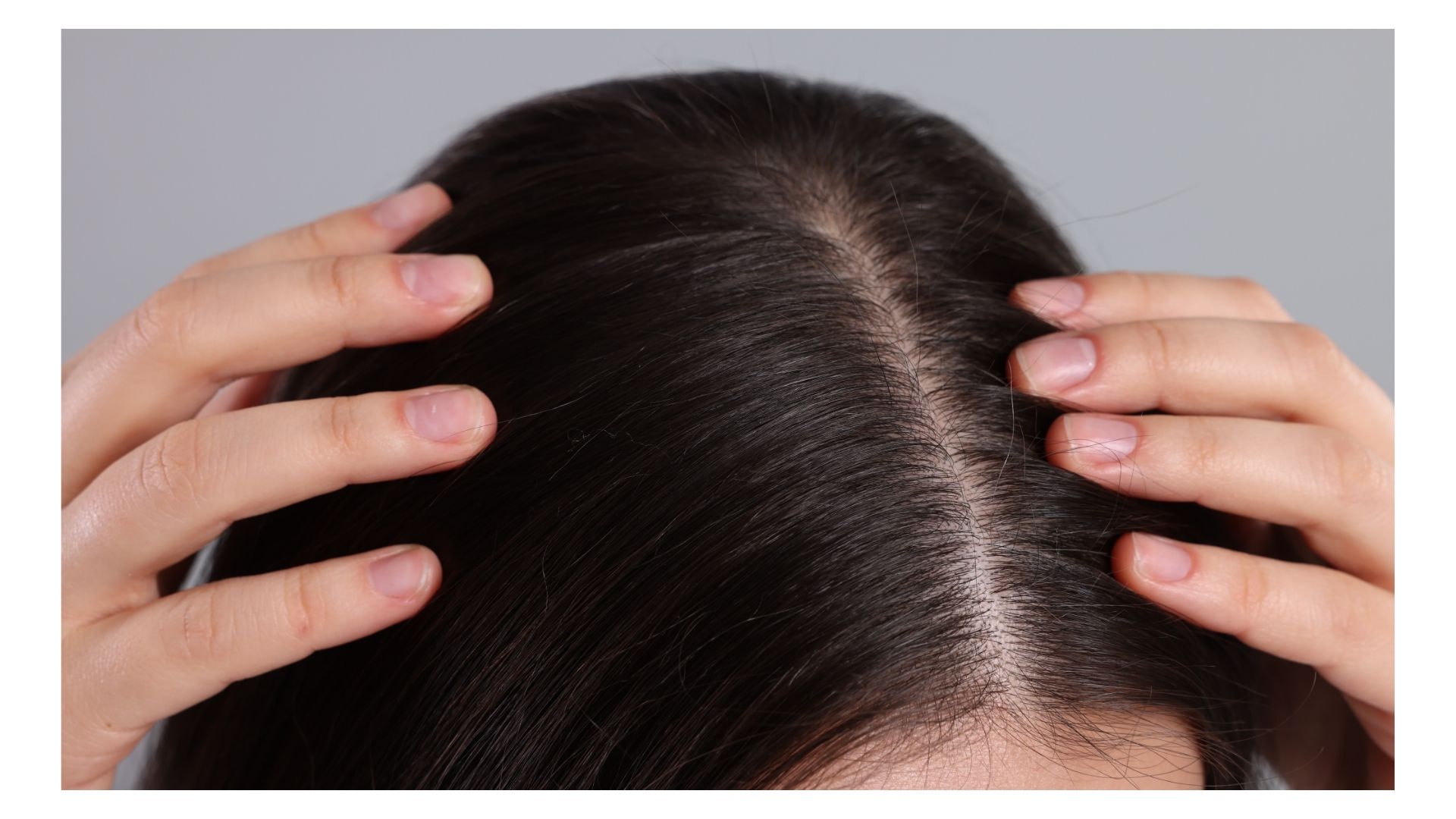
Many women notice changes gradually: a widening parting, less bounce, more scalp showing in bright light, or a ponytail that suddenly feels half its old thickness.
Some research frequently cited in public health discussions suggests a substantial portion of women experience noticeable thinning by midlife, and while the exact figure varies by study, the lived experience is widespread enough that it’s no longer a niche conversation.
Why women’s hair loss often looks different
Part of the misunderstanding comes down to the pattern. Men are often associated with distinct bald spots or a clearly receding hairline, which makes the change obvious and easily categorised.
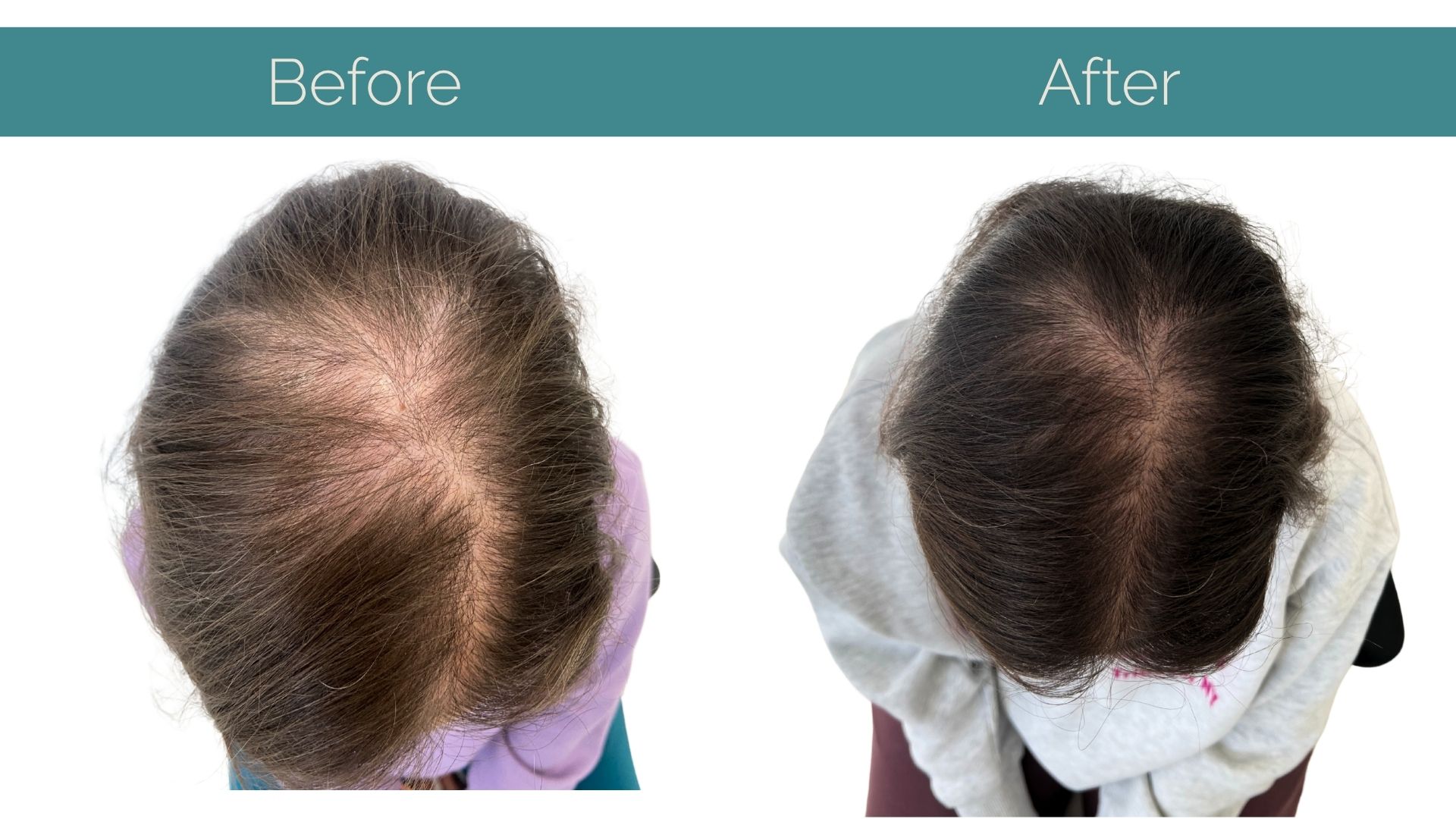
Women’s hair loss, on the other hand, is frequently more diffuse – spread across the top of the scalp rather than concentrated in one dramatic patch.
That can make it harder to recognise early, harder to explain to others, and easier to dismiss as “just stress” or “just ageing”, even when the emotional impact is anything but minor.
Genetics: the quiet family inheritance
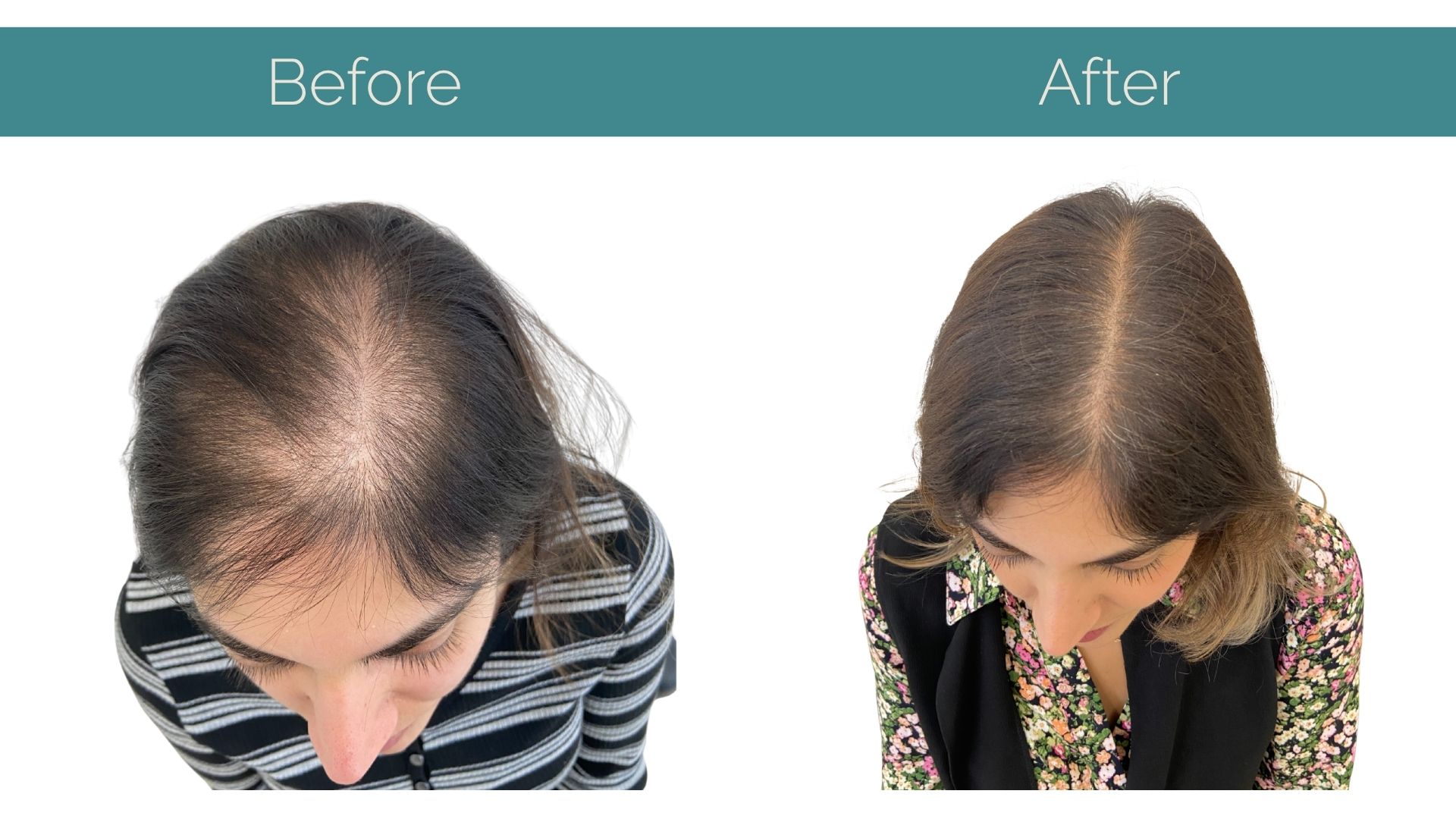
For many women, the starting point is hereditary thinning. It can run through families in subtle ways, sometimes showing up later than expected, or presenting as a slow change in density rather than a clear bald patch.
Because women often have longer hair, the change can be camouflaged for years – until the day it suddenly doesn’t feel camouflaged anymore. At that point, what looked like “a bad hair month” can reveal itself as a longer-term shift that needs a proper plan rather than another quick fix.
Hormones: the body’s major plot twists
Hormonal change is another common thread, and it can arrive in chapters: postpartum shedding after pregnancy, shifts during perimenopause and menopause, and conditions such as PCOS that can affect hair density over time.
Hair follicles are sensitive to internal change, and when the body is recalibrating, hair is often one of the first places women notice something isn’t quite the same. For some, hair returns; for others, it returns differently – thinner, patchier, or slower to grow – prompting a search for options that feel more predictable.
Stress, dieting, and deficiencies: when life shows up in your hair
There’s also the lifestyle side of the equation, which can be frustrating precisely because it’s so common.
Extended stress, rapid weight loss, crash dieting, and nutritional deficiencies can all disrupt the hair growth cycle and trigger shedding. The difficult part is timing: hair may respond weeks or months after the stressful period, so the cause-and-effect can feel confusing.
When women can’t clearly identify the trigger, they often blame themselves – or assume they’re stuck with the outcome permanently – when in reality a proper assessment can clarify what’s reversible and what needs targeted treatment.
Medical causes: the scenarios no one chooses
Some women’s hair loss is tied to medical conditions, medication side effects, or treatments such as chemotherapy, where hair becomes collateral damage in a bigger health battle.
Even after recovery, regrowth may be uneven or incomplete, leaving women with density that doesn’t match how they remember themselves.
In these cases, the interest in transplantation is often less about vanity and more about restoration – closing a chapter that felt out of control, and choosing what comes next with intention.
Traction alopecia: the hairstyle factor
A particularly important driver in women seeking transplants is traction alopecia, where prolonged tension from tight hairstyles gradually damages follicles.
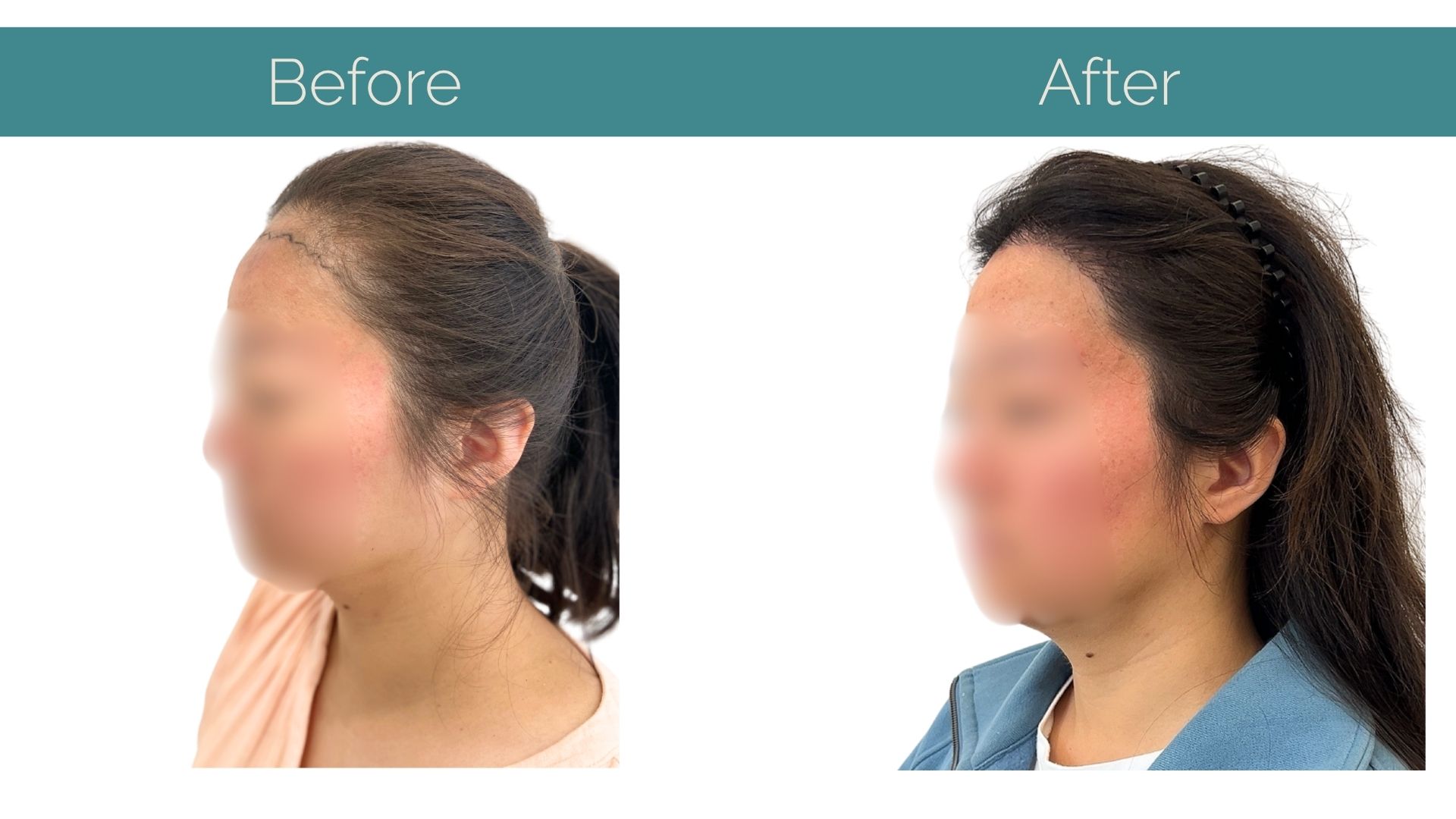
Ponytails pulled tight day after day, braids worn under tension, extensions or weaves that strain the roots – over time, the hairline and temples can begin to thin in a way that feels both upsetting and unfair.
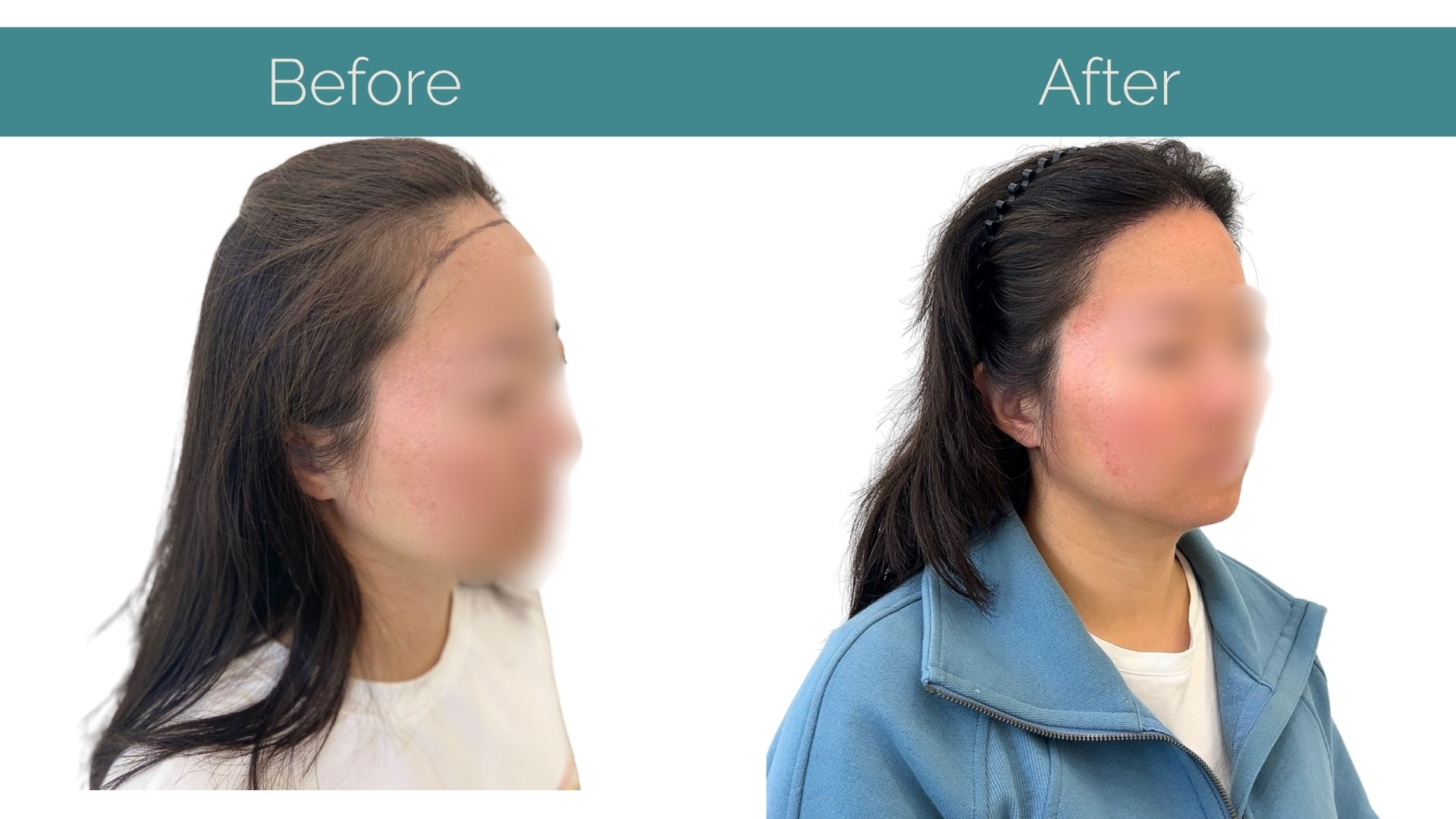
The shift now is awareness: more women are learning that this isn’t “just breakage” and that, depending on the stage and follicle health, there may be ways to rebuild density rather than simply cover it.
Visibility and social proof: the new confidence engine
So why are more women considering hair transplants now, specifically? One of the biggest reasons is simple: they’re seeing other women do it.
Social media has turned what used to be whispered into something documented – journeys shared in real time, honest healing updates, natural-looking outcomes shown without heavy filters.
When the stories are relatable, the procedure stops feeling like a dramatic leap and starts to look like a practical choice, the same way people now talk about skincare treatments or orthodontics without needing to justify it.
Better techniques, more natural results, fewer obvious trade-offs
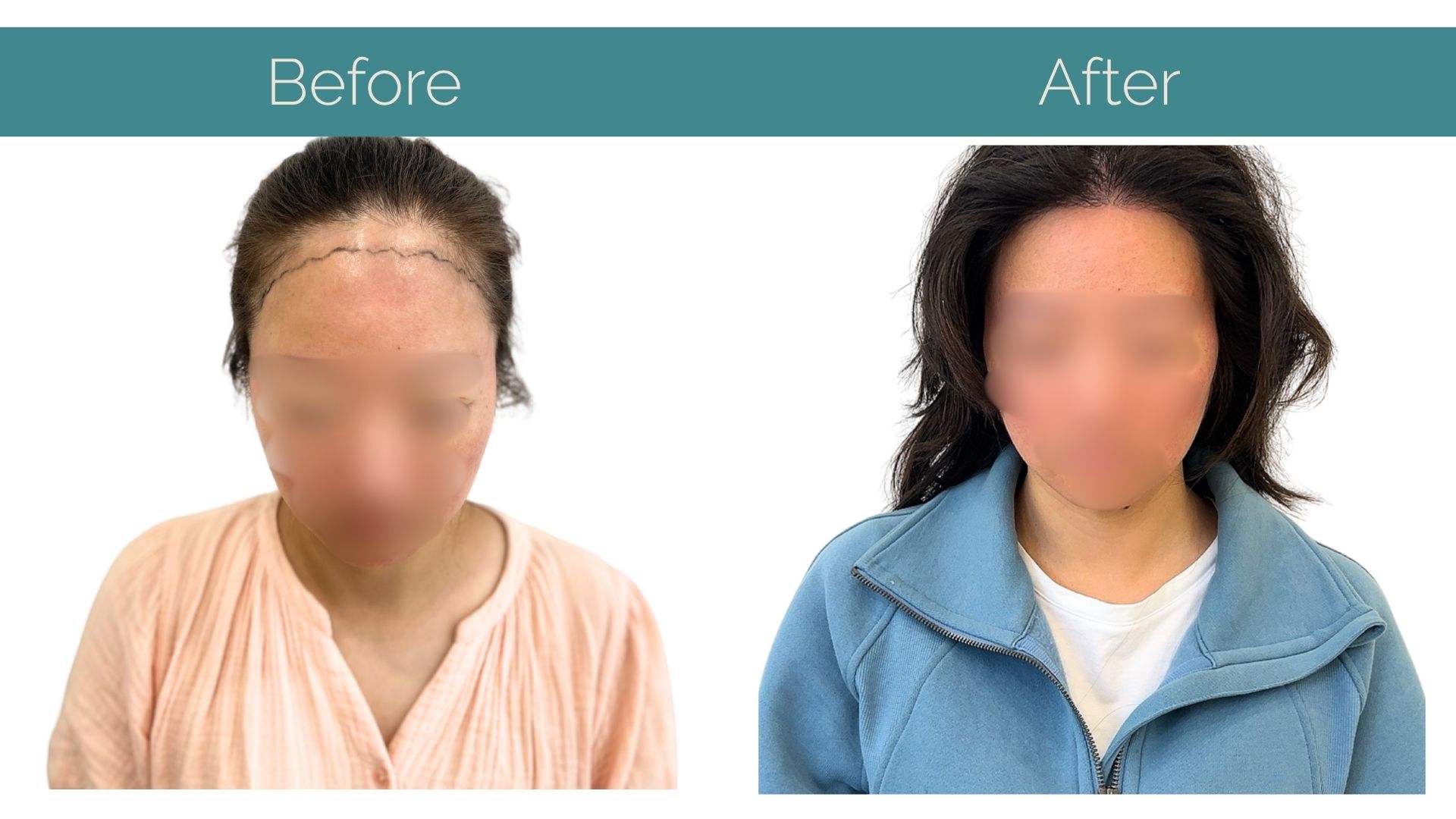
Technology has changed the emotional maths as well. Modern techniques such as Follicular Unit Extraction (FUE) and Direct Hair Implantation (DHI) are designed to move individual follicles with precision, aiming for natural density and avoiding the older “obvious transplant” look people still fear.
For women, the reduced concern around visible scarring matters, particularly for those who wear their hair long and want the freedom to style it without planning around a giveaway sign.
The result, when done well, isn’t a “new head of hair” that looks artificial – it’s a return to something that feels like you.
Permanence: the appeal of a solution that stays put
Hair loss solutions for women are often maintenance-heavy.
Wigs can be transformative but require ongoing commitment; extensions can add volume but may worsen traction if used carelessly; topical concealers can help on busy mornings but don’t change what’s happening at the follicle level.
A transplant, by contrast, is often seen as structural – a way of redistributing healthy follicles into thinning areas so that, over time, the hair grows and behaves like hair. For women tired of temporary workarounds, the promise of permanence can feel less like “a cosmetic procedure” and more like relief.
Identity and wellbeing: why this isn’t “just hair”
The most underestimated part of this story is emotional. Hair is wrapped up in how women see themselves: confidence, femininity, youthfulness, creativity, personal style.
Thinning hair can quietly shape behaviour – avoiding photos, dodging certain lighting, hesitating before swimming holidays, feeling like you’re constantly managing a problem no one else understands.
When a transplant goes well, women often describe the impact as bigger than appearance. It can reduce daily anxiety, return a sense of control, and help them recognise themselves again without the background noise of worry.
Who tends to be a strong candidate
Not every woman who experiences thinning is automatically suited to transplantation, and that’s where good clinics separate themselves from sales pitches.
In general, women with pattern thinning focused through the top of the scalp – while maintaining stronger donor hair at the back and sides – are often better candidates than women whose thinning is widespread everywhere.
Women with traction alopecia or hair loss connected to scarring can also be suitable, depending on follicle viability and the stability of the hair loss. The key is that a specialist should assess not only what can be done, but what will still look natural years down the line.
When a transplant may not be the right move
There are also situations where a transplant isn’t ideal, especially if the donor area is weak or if hair loss is driven by conditions that cause unpredictable shedding patterns.
Autoimmune-related hair loss, for example, can behave differently and needs careful medical oversight before any surgical plan is considered. A proper consultation should feel like an investigation, not a rush to book a date.
If you’re exploring options, a specialist assessment with a team such as IK Clinics can help clarify whether transplantation is the right route or whether a different plan would deliver better, safer results.
What the procedure is actually like
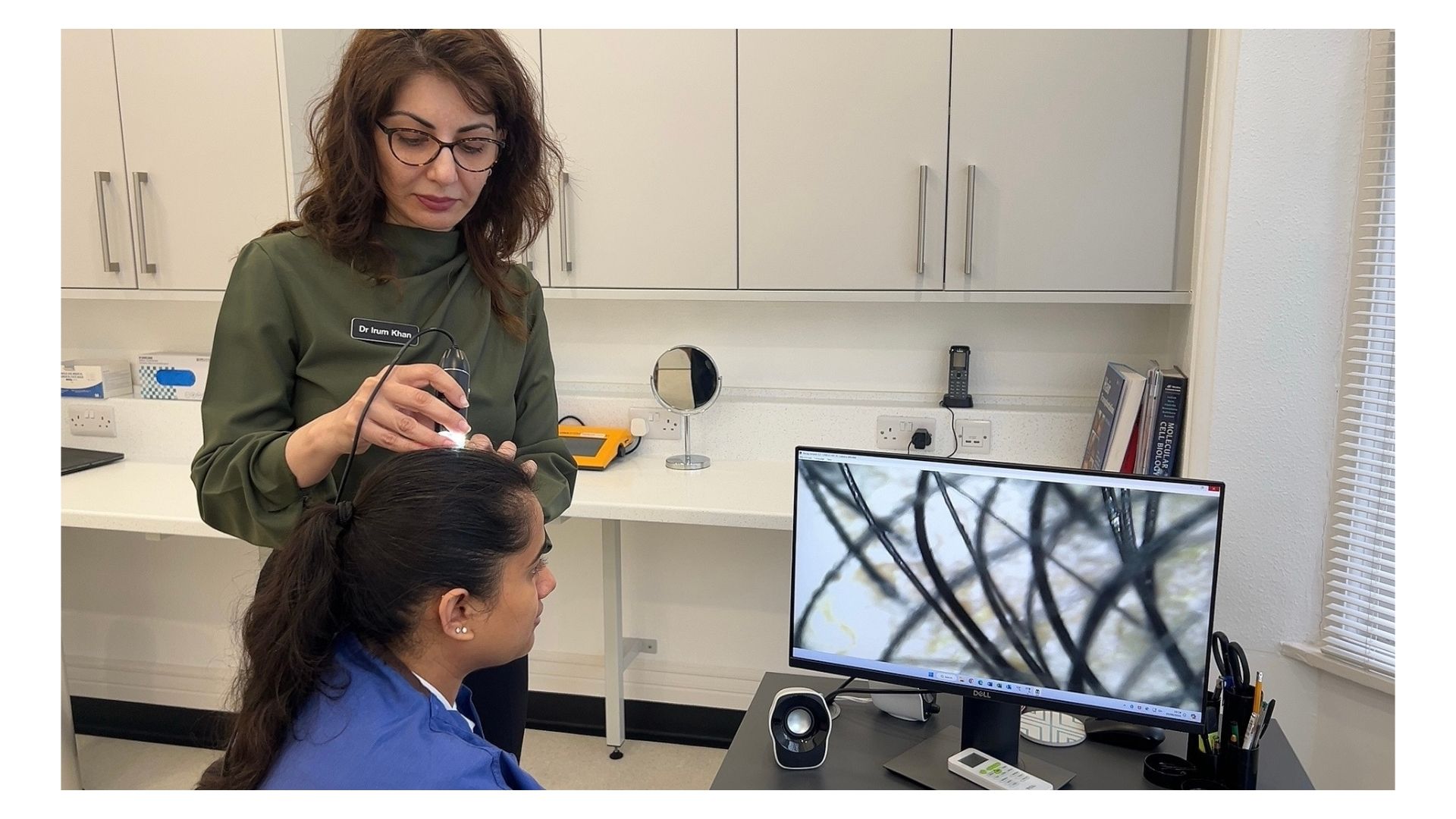
For women considering it, the process usually begins with a consultation that looks at scalp health, donor density, hair calibre, and your personal history – when the thinning started, how it has progressed, and what you’ve tried so far.
If transplantation is appropriate, procedures commonly use FUE, where follicles are extracted individually from a donor area and implanted into the areas that need density. It’s typically performed under local anaesthetic, which means you’re awake but the area is numbed, and the session can take hours depending on the number of grafts required.
Recovery, regrowth, and the “shedding” phase people forget to mention
After the procedure, some redness or swelling is normal, and most people return to everyday routines fairly quickly with aftercare guidance on washing, exercise, and protecting the grafts.
One of the most important things women should be prepared for is the early shedding phase, where transplanted hairs may fall out before regrowth begins.
It can feel alarming if you weren’t expecting it, but it’s commonly part of the process as follicles settle and start their new growth cycle. Full visible results take time, and patience is part of the commitment.
Alternatives that still matter for many women
Not everyone needs surgery, and many women explore non-surgical options either first or alongside transplantation.
Minoxidil is widely used to support regrowth for some people and can be helpful when used consistently under appropriate guidance. PRP therapy, which uses components from your own blood injected into the scalp, has also grown in popularity for women seeking non-surgical stimulation of follicles.
Low-level laser therapy is another route some women try, and for lifestyle-driven shedding, addressing nutrition, stress, and hair practices can make a meaningful difference – particularly when changes are made early rather than after years of progression.
The bigger shift: choosing support instead of silence
The real story here isn’t that women have suddenly started losing hair – it’s that women have started refusing to suffer quietly. Hair transplants are increasingly viewed as one option among many, not a taboo or a secret.
For women dealing with genetics, hormones, stress, traction, or medical recovery, the growing interest in transplantation reflects something practical: a desire for solutions that match the emotional weight of the problem.
If hair loss is affecting how you feel, the most empowering next step is an honest assessment of the cause and a plan that fits your life – because confidence isn’t a luxury, and you don’t need permission to pursue it.
About IK Clinics
We don’t just specialise in FUE, we also offer other hair restoration treatments, such as Stem Cell Therapy and Plasma Therapy (PRP). Additionally, we also provide a range of anti-aging treatments to help you achieve that ‘I feel good’ feeling.
Get in touch to find out more and book your consultation.