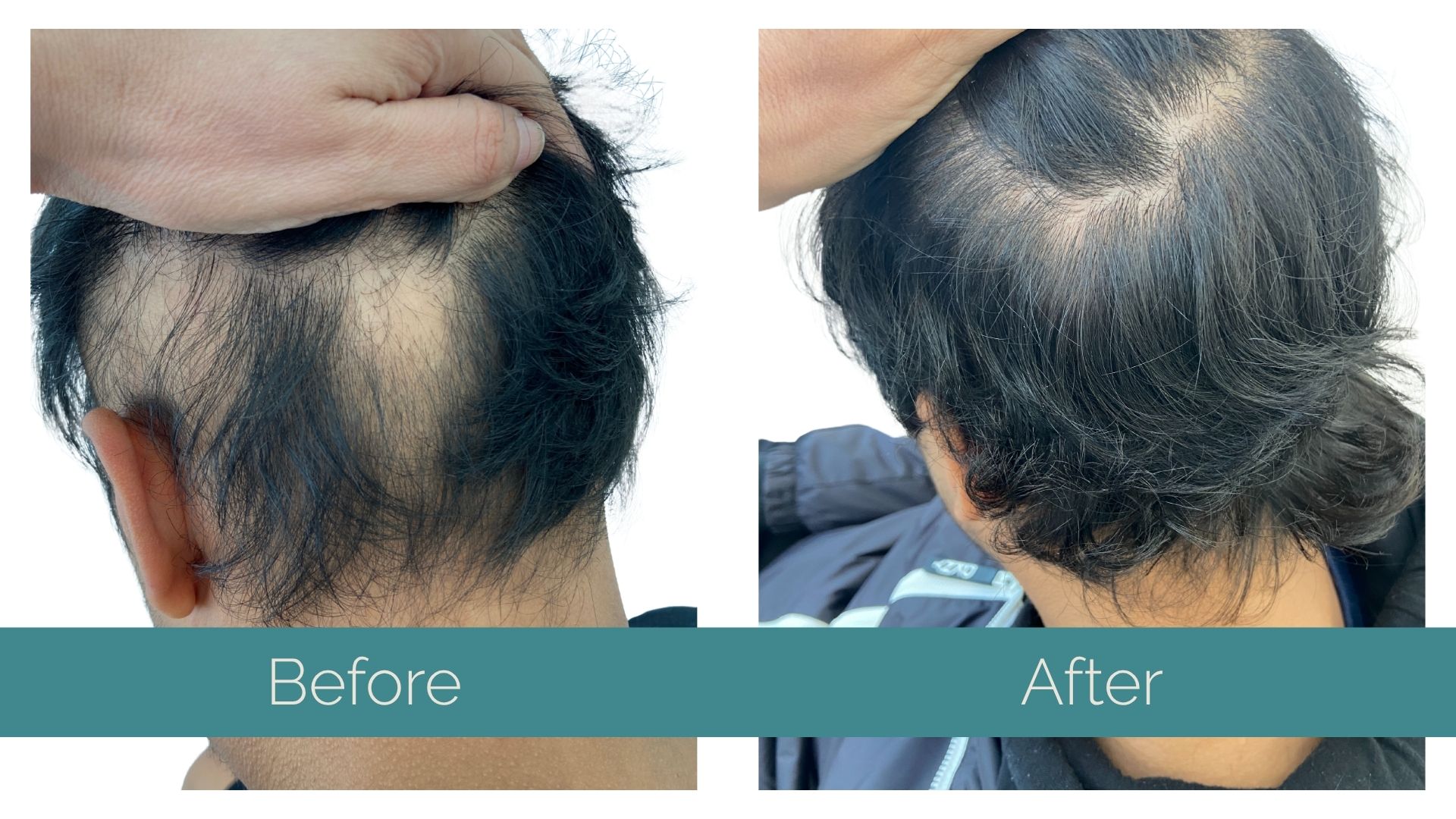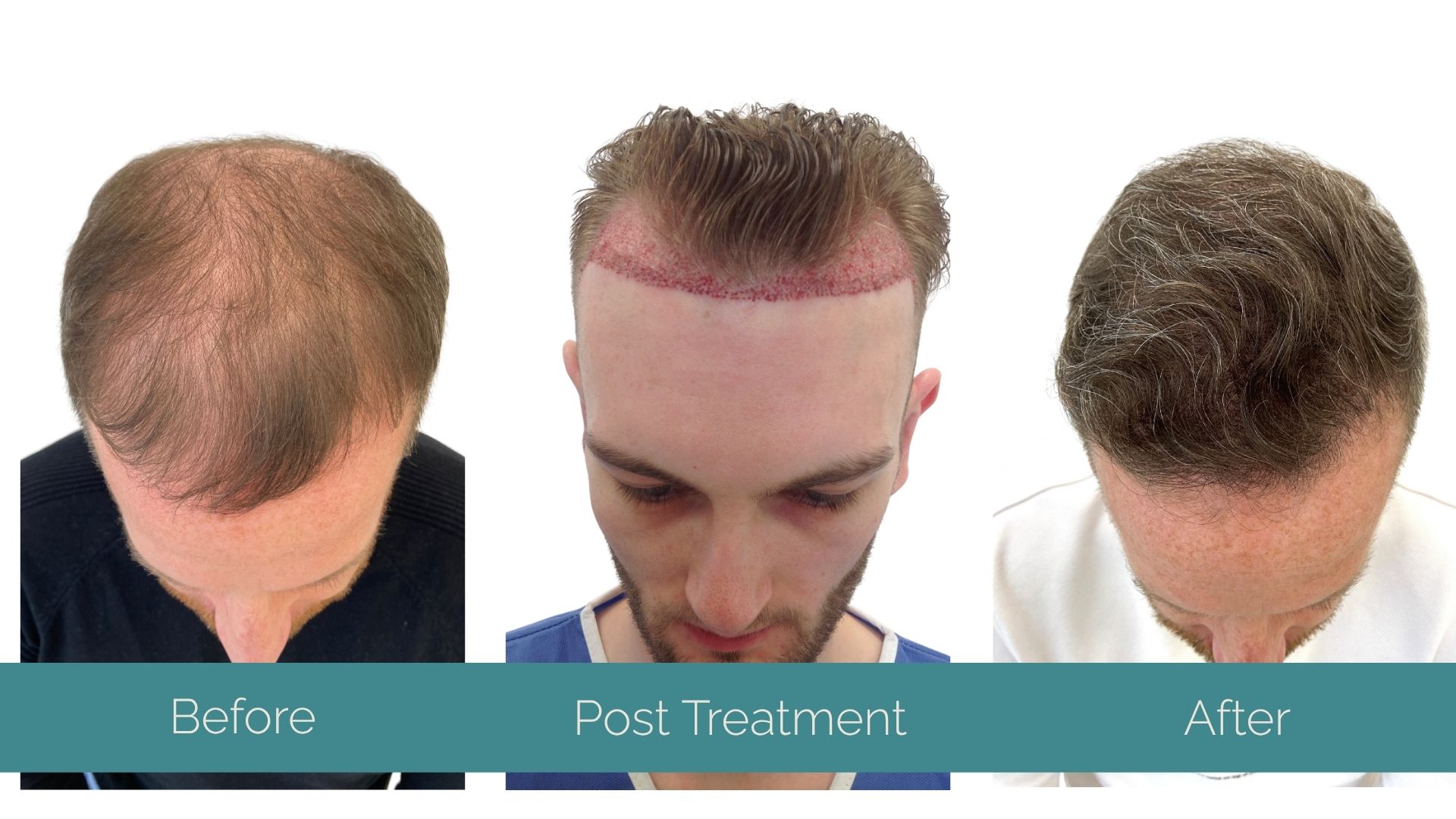
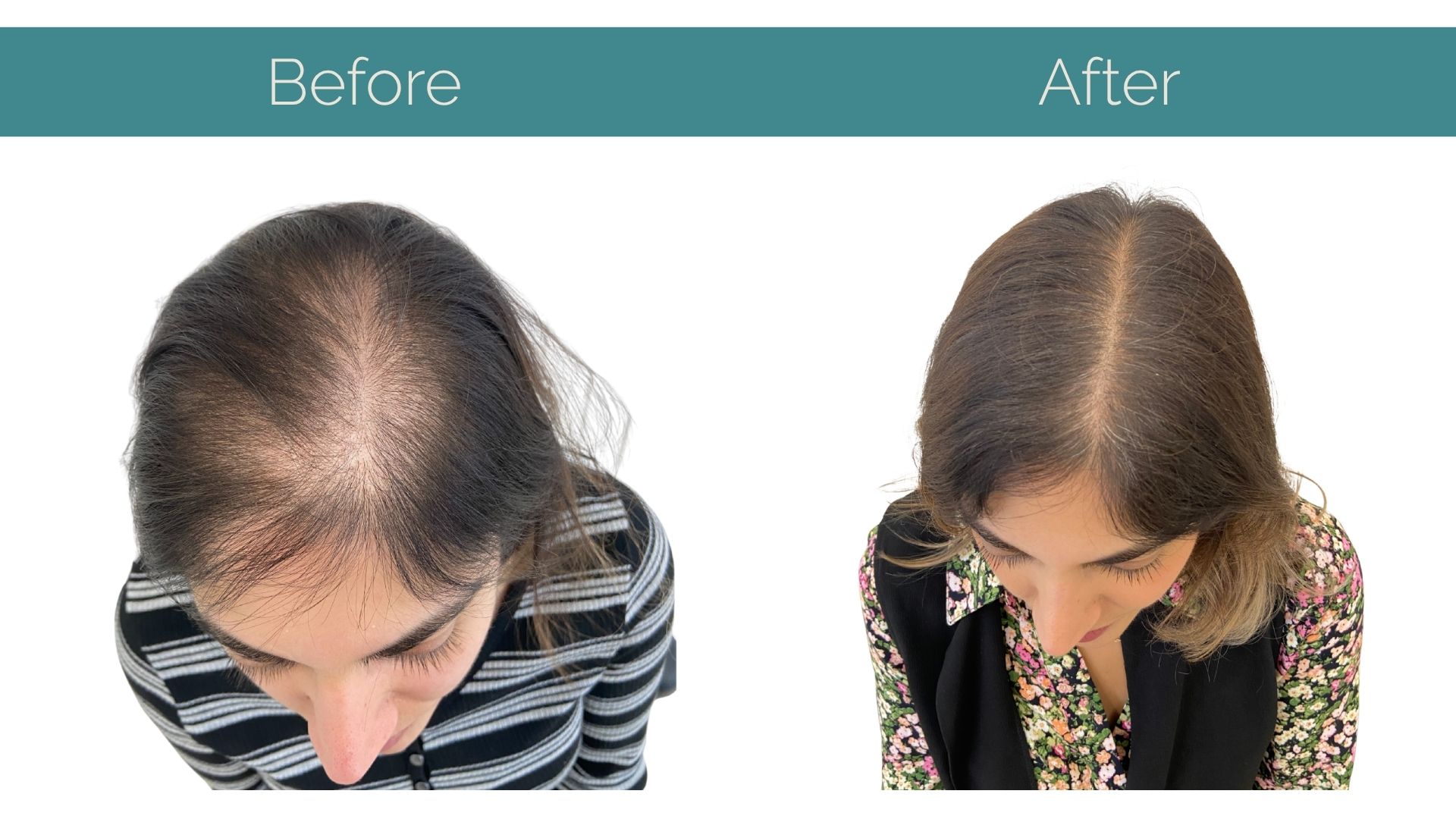
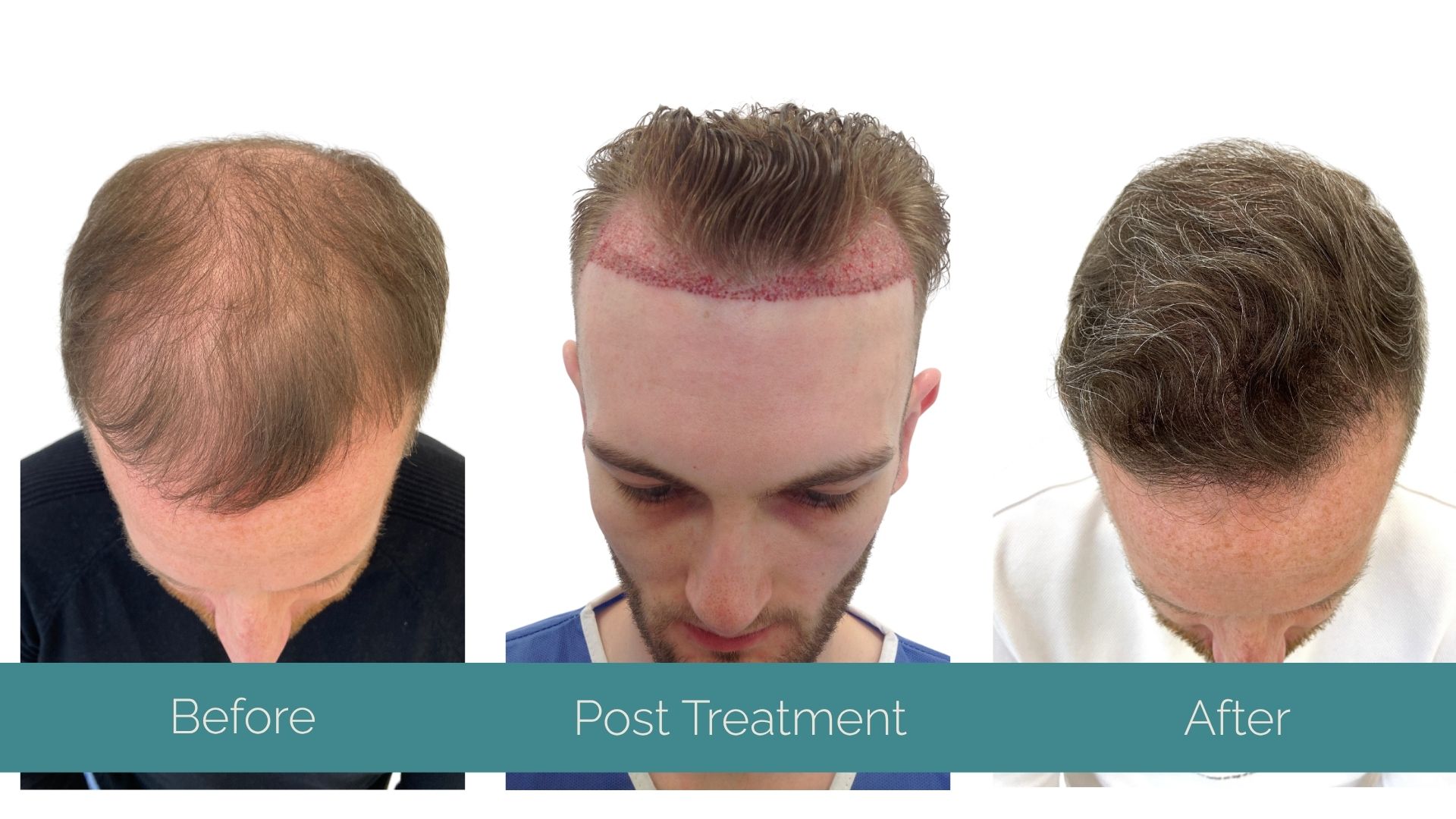
For many people, the treatment marks a turning point: a decision to address thinning hair, restore density and rebuild confidence. Yet, while the surgical skill behind the procedure is essential, what happens afterwards can play a major role in how comfortably the scalp heals and how well the new hair begins its journey.
The days, weeks and months after a hair transplant require patience, care and a sensible routine. This is not the time for harsh shampoos, aggressive styling or rushing back into old habits. The scalp has been through a delicate process, and the newly implanted grafts need the right environment to settle, recover and eventually grow.
For anyone preparing for treatment, or just starting their recovery, understanding the basics of post-transplant hair care can make the process feel far less daunting.
The First Few Days: When Less Is More
The first stage after a hair transplant is all about protection. In the immediate days following the procedure, the scalp is likely to feel tender, tight or slightly swollen. This is normal, but it also means the area needs to be treated with particular care.
During this early period, the newly implanted grafts are still settling into place. Touching, scratching or rubbing the scalp can interfere with this process, so it is important to keep hands away from the treated area as much as possible.
Even if the scalp feels itchy or uncomfortable, it is better to follow the clinic’s aftercare advice rather than attempt to relieve it yourself.
Most clinics advise avoiding hair washing for at least the first 48 hours, although guidance can vary depending on the procedure and individual case. When washing is eventually allowed, it should be done gently, usually with lukewarm water and a mild shampoo recommended by the clinic.
The aim is to cleanse the scalp without disturbing the grafts.
It is also wise to avoid heavy exercise, saunas, steam rooms and anything that causes excessive sweating during the first week. Sweat can irritate the scalp and may slow the healing process, so calm, low-impact recovery is usually the better approach.
The First Two Weeks: Building a Gentle Routine
Once the initial few days have passed, the focus turns to careful cleansing and scalp comfort. This is the stage where many people begin to feel more confident, but it is still important not to rush.
A mild shampoo, such as a baby shampoo or a medicated shampoo recommended by the doctor, is often used during this period. The key is to apply it gently, without scrubbing. Some clinics may suggest lathering the shampoo in the hands first and then lightly applying it to the scalp. Rinsing should also be gentle, with water pressure kept low.
Drying the hair needs the same soft approach. Rather than rubbing the scalp with a towel, it is better to pat the area lightly with a clean, soft towel and allow the hair to air dry where possible.
Itching can be common during the healing stage, particularly as scabs form and the scalp begins to repair itself. However tempting it may be, scratching should be avoided. If irritation becomes difficult to manage, patients should speak to their clinic rather than using random creams, oils or over-the-counter treatments.
Hydration and nutrition also begin to matter here. Drinking enough water and eating a balanced diet can support the body’s natural healing process. Recovery is not only about what is applied to the scalp, but also about how well the body is supported from within.
The First Month: Understanding Shedding and Recovery
By the end of the first few weeks, many people expect to see visible progress.
In reality, the first month can be a slightly confusing stage because shedding is common. Newly transplanted hairs may fall out, which can feel worrying, but this is usually a normal part of the hair growth cycle.
The important thing to remember is that the follicles remain beneath the skin. The visible hair may shed as the follicles enter a resting phase before new growth begins in the months ahead. This is one of the reasons patience is so important after a hair transplant.
During this period, it is best to avoid anything that places unnecessary stress on the hair and scalp. Hair dryers on high heat, straighteners, curling tools, colouring, bleaching, perming and heavy styling products should usually be avoided until the clinic confirms it is safe to reintroduce them.
Sun exposure is another consideration. A healing scalp can be more sensitive to UV rays, so patients should take precautions when spending time outdoors. A loose-fitting hat may help, but it should not be tight or rub against the treated area. If sunscreen is needed, it should be one that has been approved by the clinic.
Long-Term Hair Care: Protecting the Results
Once the scalp has healed and new growth begins, the routine shifts from recovery to maintenance. A hair transplant can create fuller-looking hair, but long-term hair health still depends on consistent care.
Gentle products are a good place to start. Sulphate-free and paraben-free shampoos and conditioners are often preferred because they are less likely to strip or irritate the scalp. Harsh products, excessive heat and aggressive brushing can all weaken the hair over time, so a softer approach is usually best.
Diet can also support healthy hair. Protein, iron, zinc, biotin and vitamin D all play a role in maintaining strong hair growth. Foods such as fish, eggs, nuts, seeds, lean meats, beans and leafy greens can be useful additions to a balanced diet.
Scalp health should not be overlooked either. Once fully healed and approved by the clinic, gentle scalp massage may help support circulation and keep the scalp in good condition. However, this should only be introduced when the grafts are secure and the scalp is no longer tender.
Lifestyle Matters More Than Many People Think
Hair health is not shaped by shampoo alone. Sleep, stress, diet and general wellbeing can all influence how the body functions, including how hair grows.
High stress levels can contribute to hair shedding or thinning in some people, so managing stress is an important part of long-term care. This does not need to mean dramatic lifestyle changes. Regular walks, exercise, meditation, breathing exercises or simply improving sleep habits can all help support overall wellbeing.
Follow-up appointments are also important. A good clinic will monitor progress, answer questions and advise when it is safe to return to normal routines. Recovery is not always perfectly linear, so having professional guidance can provide reassurance along the way.
A Patient Approach to Better Hair
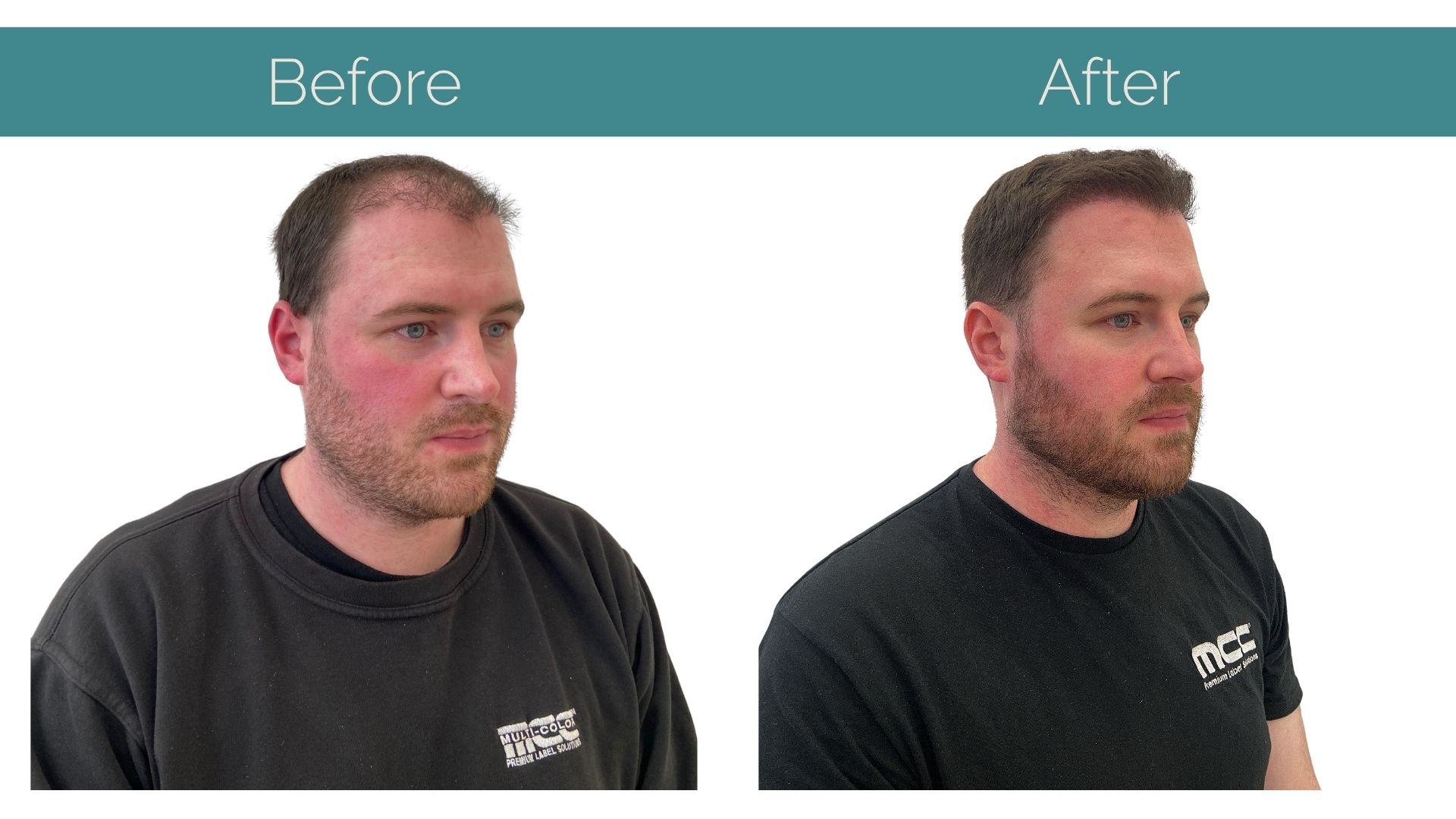
A hair transplant is not an instant transformation. It is a process that unfolds gradually, often over several months. The early days are about protecting the grafts. The first few weeks are about gentle cleansing and healing. The months that follow are about patience, consistency and healthy habits.
The best post-transplant hair care routine is not complicated, but it does require discipline. Be gentle with the scalp, avoid unnecessary irritation, nourish the body properly and stay in contact with the clinic if anything feels uncertain.
With the right care, a hair transplant can become more than a procedure. It can be the beginning of a stronger, healthier and more confident relationship with your hair.
About IK Clinics
We don’t just specialise in FUE, we also offer other hair restoration treatments, such as Stem Cell Therapy and Plasma Therapy (PRP). Additionally, we also provide a range of anti-aging treatments to help you achieve that ‘I feel good’ feeling.
Get in touch to find out more and book your consultation.