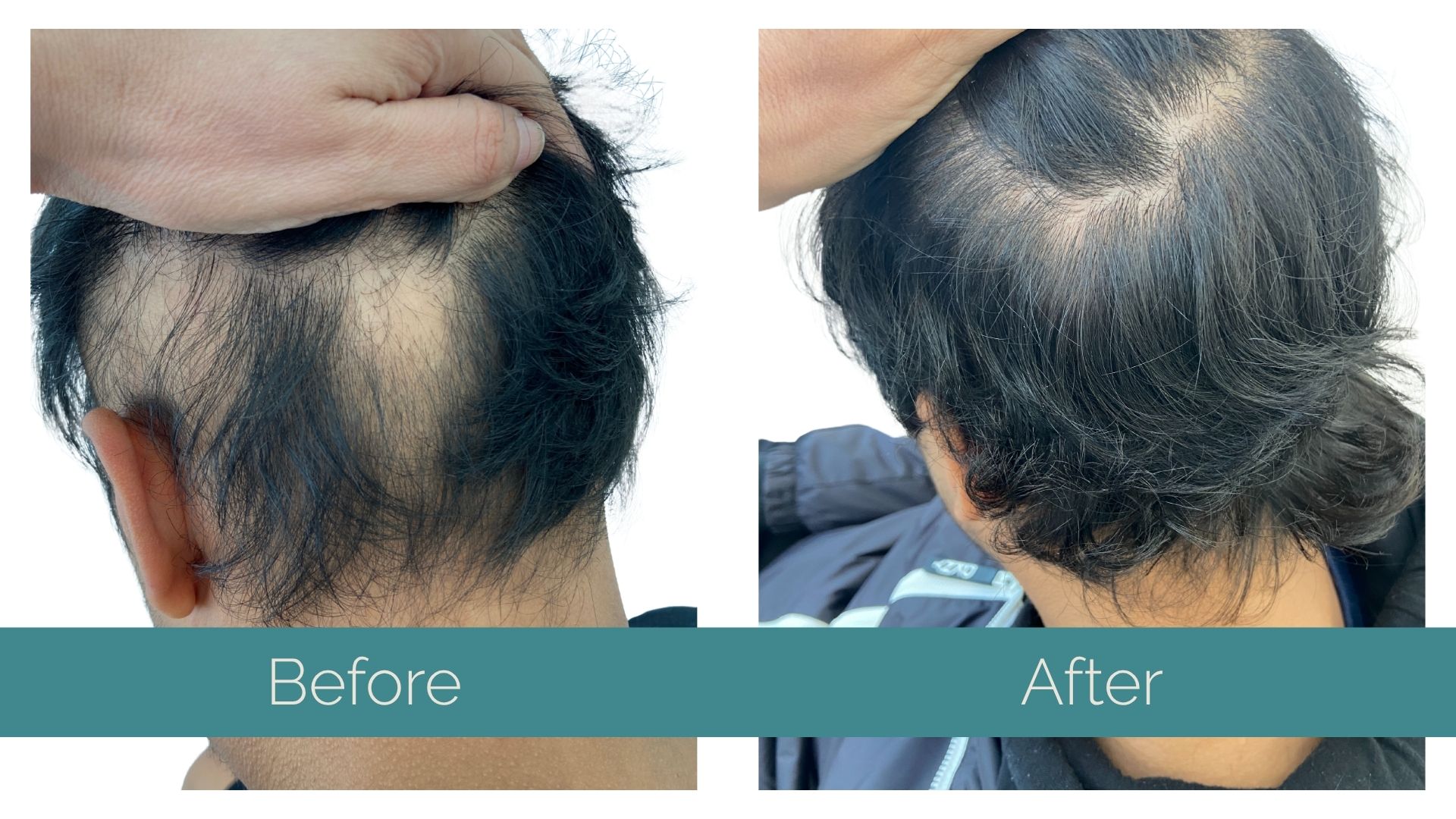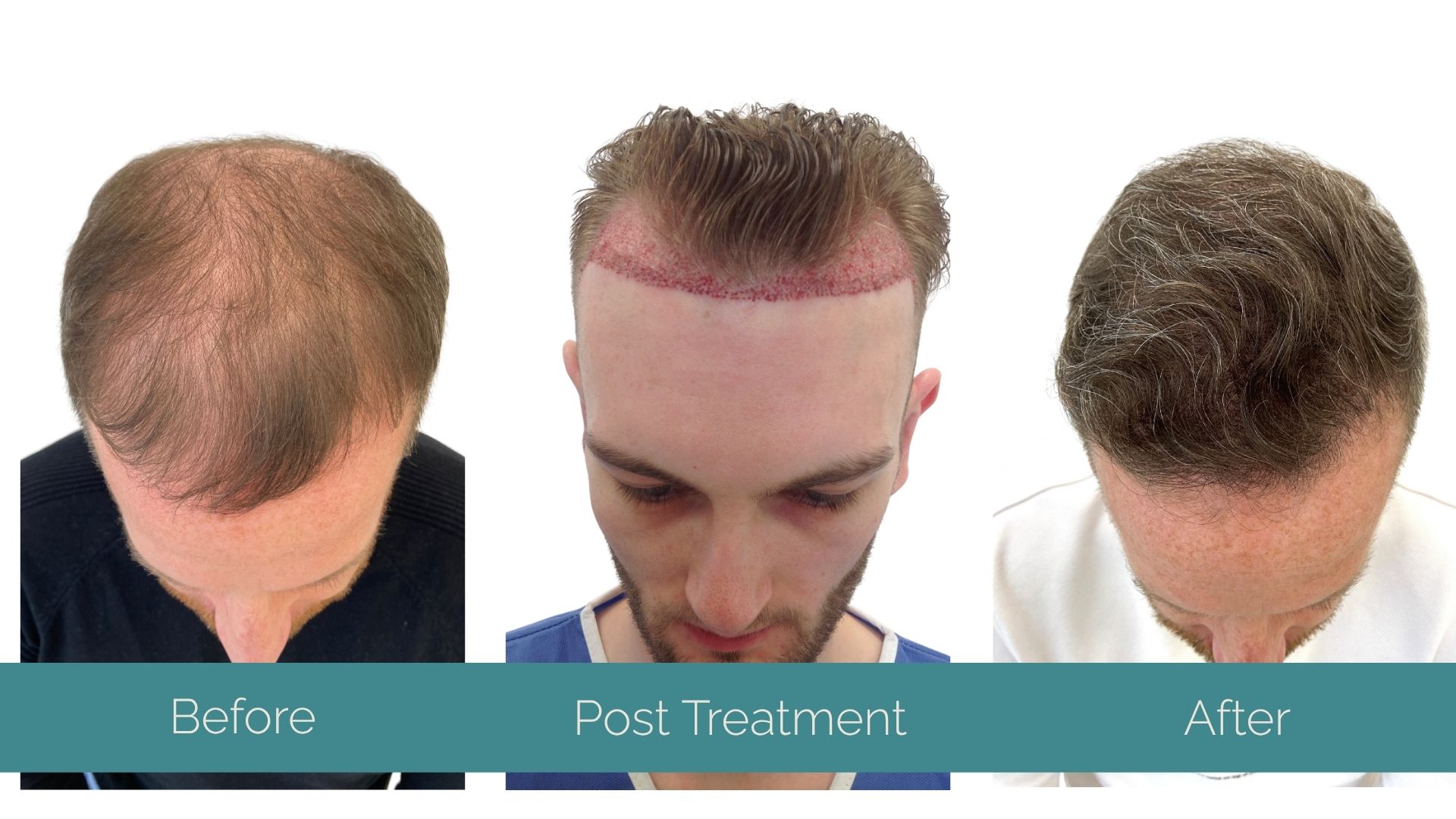
It sounds like a simple numbers game, but graft counts sit at the centre of almost every decision that follows – the design of the hairline, the density you can realistically achieve, the number of sessions required, and, crucially, how natural the final result will look.
Understanding what those numbers mean (and what they don’t) helps patients move from guesswork to informed expectations.
What a “graft” actually is
A hair graft is a tiny piece of tissue containing hair follicles, usually taken from the donor area at the back or sides of the scalp where hair is genetically more resistant to thinning.
In modern hair transplantation, these are commonly referred to as follicular units, and each unit typically contains one to four hairs. That detail matters because clinics often quote graft numbers, while patients imagine “hairs” – and the two are not the same.
A plan for 2,000 grafts could represent a very different total hair count depending on how many multi-hair follicular units are available in the donor area.
How specialists calculate graft requirements
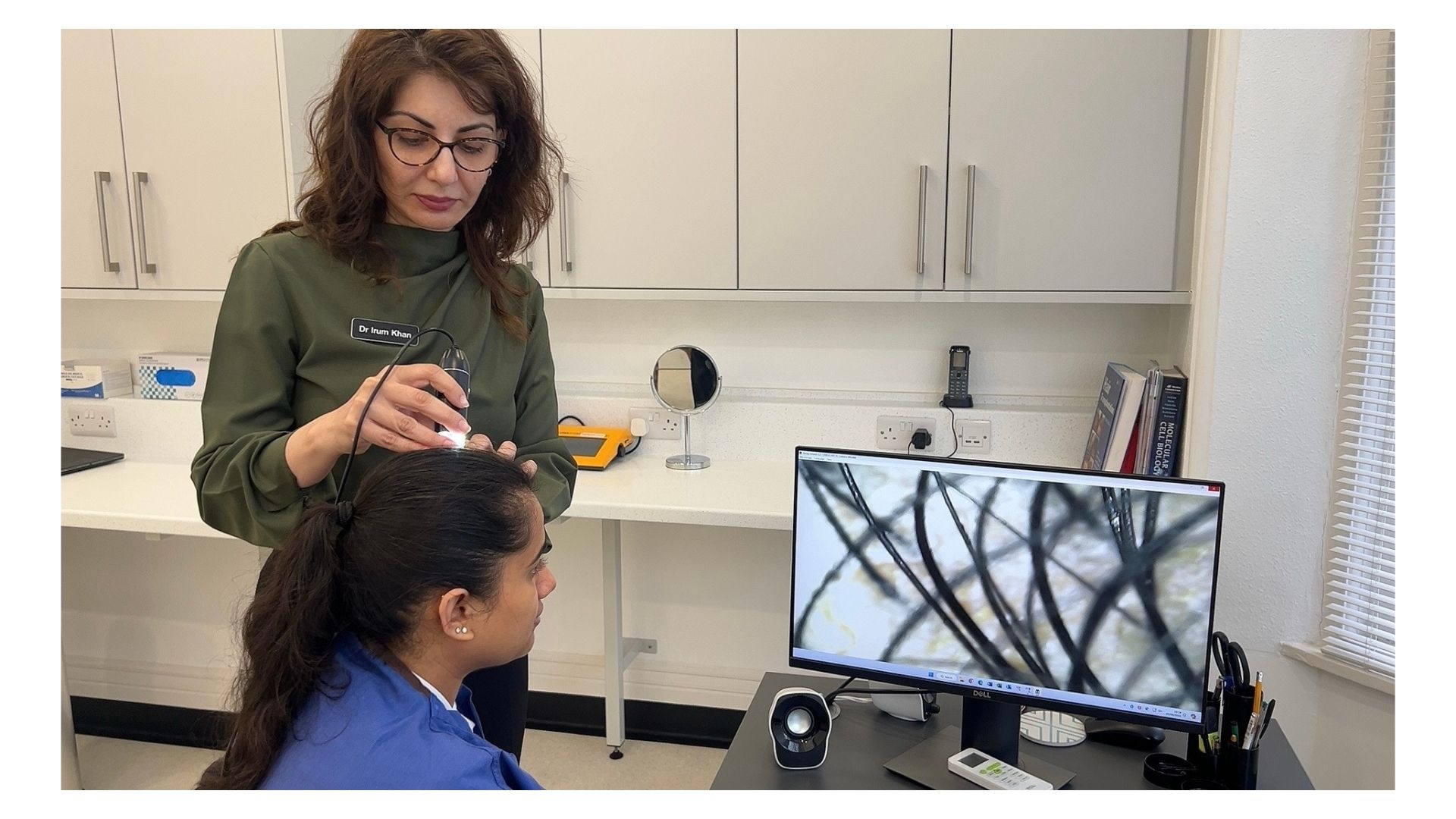
Surgeons don’t pick a graft number from a standard menu. They map the thinning area, measure the size of the zone being treated, assess existing hair (because transplanted hair usually needs to blend, not replace everything), and discuss the aesthetic target.
A conservative hairline refinement is a different project from rebuilding a frontal third that has significantly receded, and both differ again from attempting to improve a thinning crown.
Density targets also shape the arithmetic. A natural-looking hairline typically needs enough grafts placed with careful angling and spacing to avoid that “pluggy” look people fear. Mid-scalp work may aim for the appearance of fullness rather than absolute density, because strategic placement can create the illusion of coverage.
The donor supply then acts as the ultimate limit: even the best plan must respect what can be safely taken without visibly thinning the back and sides.
Typical graft ranges – a guide, not a promise
While every case is individual, there are common ranges that give patients a starting point. A minor hairline restoration might use roughly 500 to 1,200 grafts, particularly when the goal is subtle reinforcement rather than a full rebuild.
Moderate hair thinning across the top often lands around 1,500 to 3,000 grafts, especially if the patient wants a noticeable improvement in density and styling flexibility.
The crown is frequently misunderstood. Because it’s circular and the hair grows in a swirl pattern, it can absorb grafts quickly – and even then, the result may look better in some lighting than others.
Many crown cases fall in the 1,000 to 2,500 graft range, but larger crowns or higher density goals can push beyond that. For extensive loss across multiple zones, totals of 3,000 to 5,000+ grafts may be discussed, sometimes staged over more than one procedure depending on donor capacity, scalp characteristics, and long-term planning.

Coverage is not just a graft count
Two patients can receive the same number of grafts and walk away with different-looking results – and it’s not necessarily because one surgeon is better than another.
Hair calibre, colour contrast with the scalp, curl pattern, and even how hair naturally “stacks” all influence the illusion of fullness. Coarser or wavier hair tends to provide more coverage per graft than fine, straight hair. Dark hair on a pale scalp can make thinning look more obvious, meaning density targets may need to be planned more carefully.
Scalp laxity and skin characteristics also play a role in how comfortably grafts can be placed and how the final distribution looks. And the donor area quality – the number of usable follicular units and the ratio of multi-hair grafts – influences how much visual impact each graft can deliver.
This is why reputable clinics, such as IK Clinics, focus as much on design and strategy as on a headline number.
The realism check: what surgery can (and can’t) recreate
A transplant can be transformative, but it doesn’t rewind the clock to teenage density.
Surgeons are effectively redistributing a finite resource. The best outcomes come from using that resource wisely: building a hairline that suits the face and age, prioritising zones that frame the features, and placing grafts in a way that looks natural both up close and at a distance.
When expectations are anchored to a realistic coverage plan rather than an imagined “full head overnight,” patients are far more likely to be satisfied long term.
What the timeline looks like after surgery
Another common surprise is that results do not appear immediately. In the early weeks, transplanted hairs often shed – a normal phase sometimes referred to as shock loss – while the follicles settle and reset.
The meaningful visible change usually begins around the three- to six-month window as new hairs start to emerge. Early growth can look fine or uneven at first, then gradually thickens and becomes more consistent.
By around 12 months, most patients see the result they’ll recognise as “final,” although some continue to notice maturation beyond that, depending on individual growth cycles.
Why the numbers matter – and why expertise matters more
Graft numbers are important because they set the boundaries of what’s achievable. But the most valuable part of a consultation isn’t simply being told “you need 2,500 grafts.” It’s understanding why that number fits the plan: which areas are being prioritised, what density is realistic, how the donor will be protected for the future, and how the result should look as hair loss naturally progresses over time.
Clinics such as IK Clinics and other reputable providers will typically frame graft counts within a broader strategy – one that balances aesthetic goals, donor limitations, and long-term planning.
In hair restoration, the best number is rarely the biggest. It’s the one that creates natural coverage, suits the patient, and holds up years down the line.
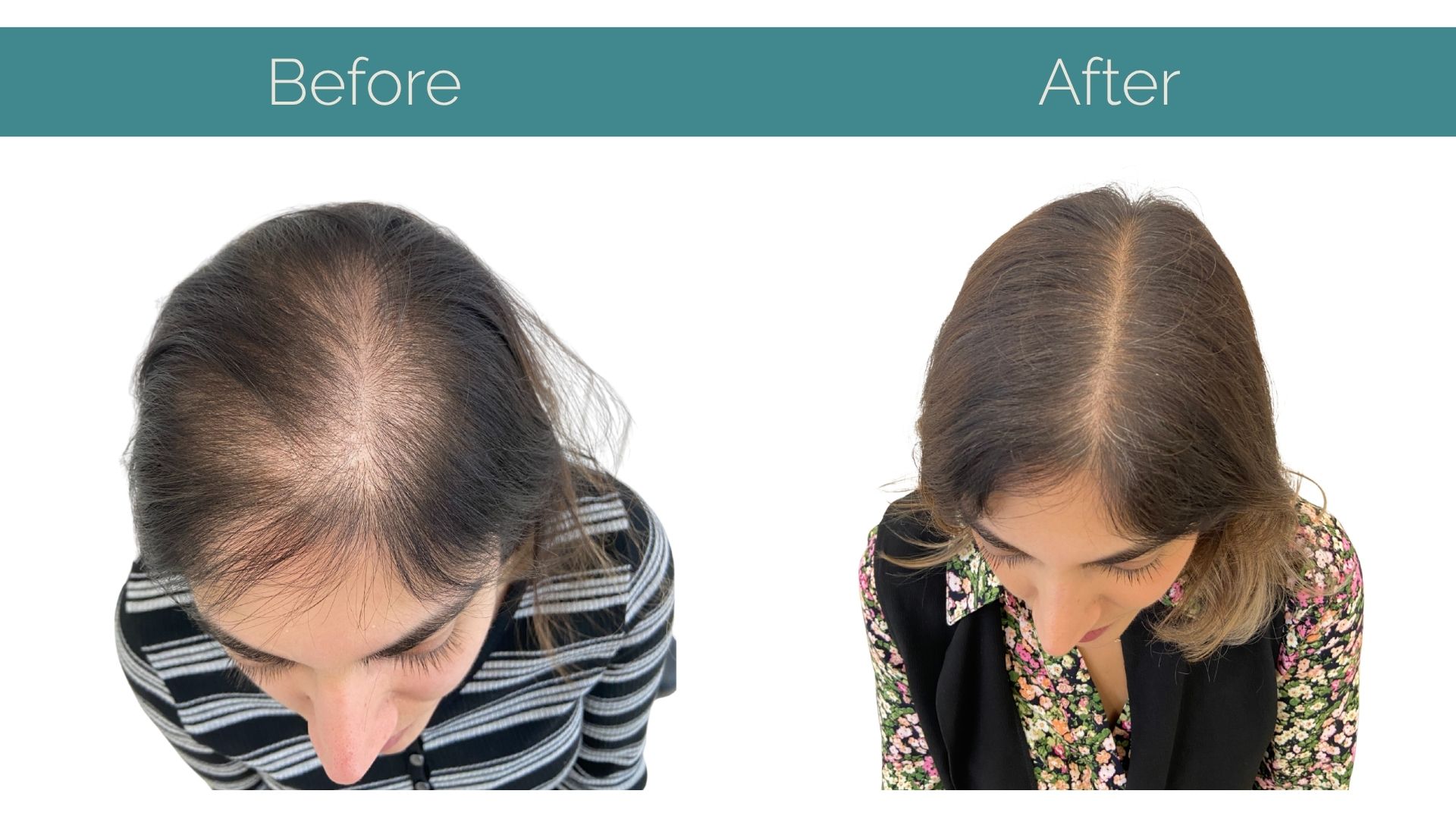
Conclusion: a better way to think about grafts
In the end, graft numbers are less like a shopping list and more like a blueprint. They guide how coverage is built, where density will be most effective, and what can be achieved safely.
Patients who understand the logic behind the count – rather than chasing a single “magic” number – are better placed to choose the right clinic, ask the right questions, and set expectations that match what the procedure is designed to deliver: believable, natural-looking hair that improves confidence without looking like it was “done.”
About IK Clinics
At IK Clinics, we are proud to stay at the forefront of global hair restoration trends, offering a variety of advanced techniques to meet the diverse needs of our clients. From FUE, PRP to Stem Cell Therapy, we ensure that every client’s treatment is tailored to their personal goals, helping them regain not just their hair but also their confidence.
Interestingly, we don’t just stop at hair restoration treatments, our highly skilled team also offers a range of anti-aging treatments.