For many people, the first instinct is to blame shampoo, stress, or “getting older”. But when the same pattern seems to show up across generations – an uncle’s thinning crown, a parent’s receding hairline – the real suspect often sits quietly in the background: genetics.
So, is hair loss written into your DNA like a family heirloom you didn’t ask for? Or can you actually push back?
The Genetic Hand You’re Dealt
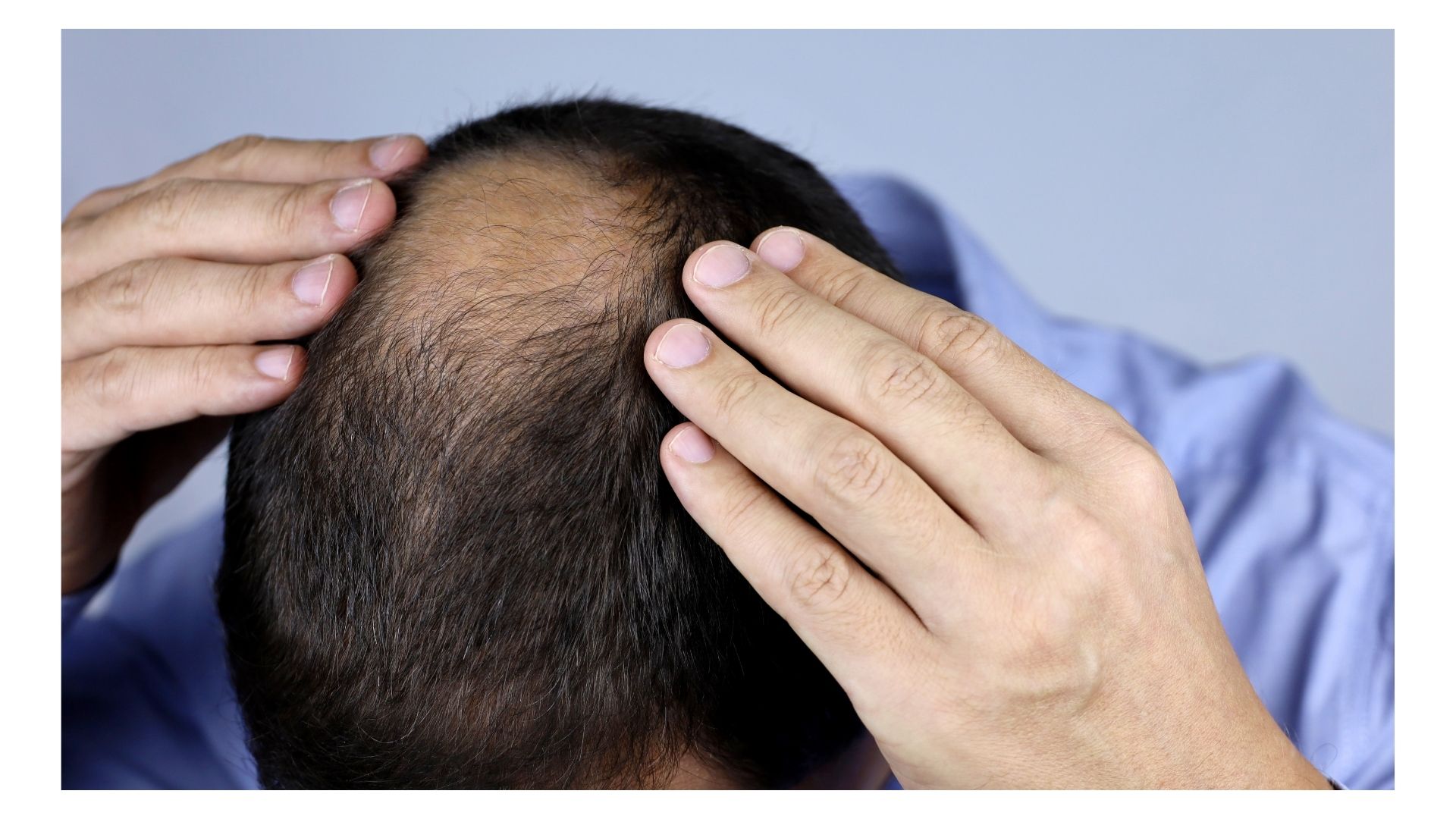
The most common inherited form of hair loss is androgenetic alopecia – better known as male and female pattern hair loss.
Despite the name, it isn’t limited to men, and it isn’t simply “bad luck”. It’s a biologically predictable response in susceptible follicles to normal hormones, especially dihydrotestosterone (DHT), a derivative of testosterone.
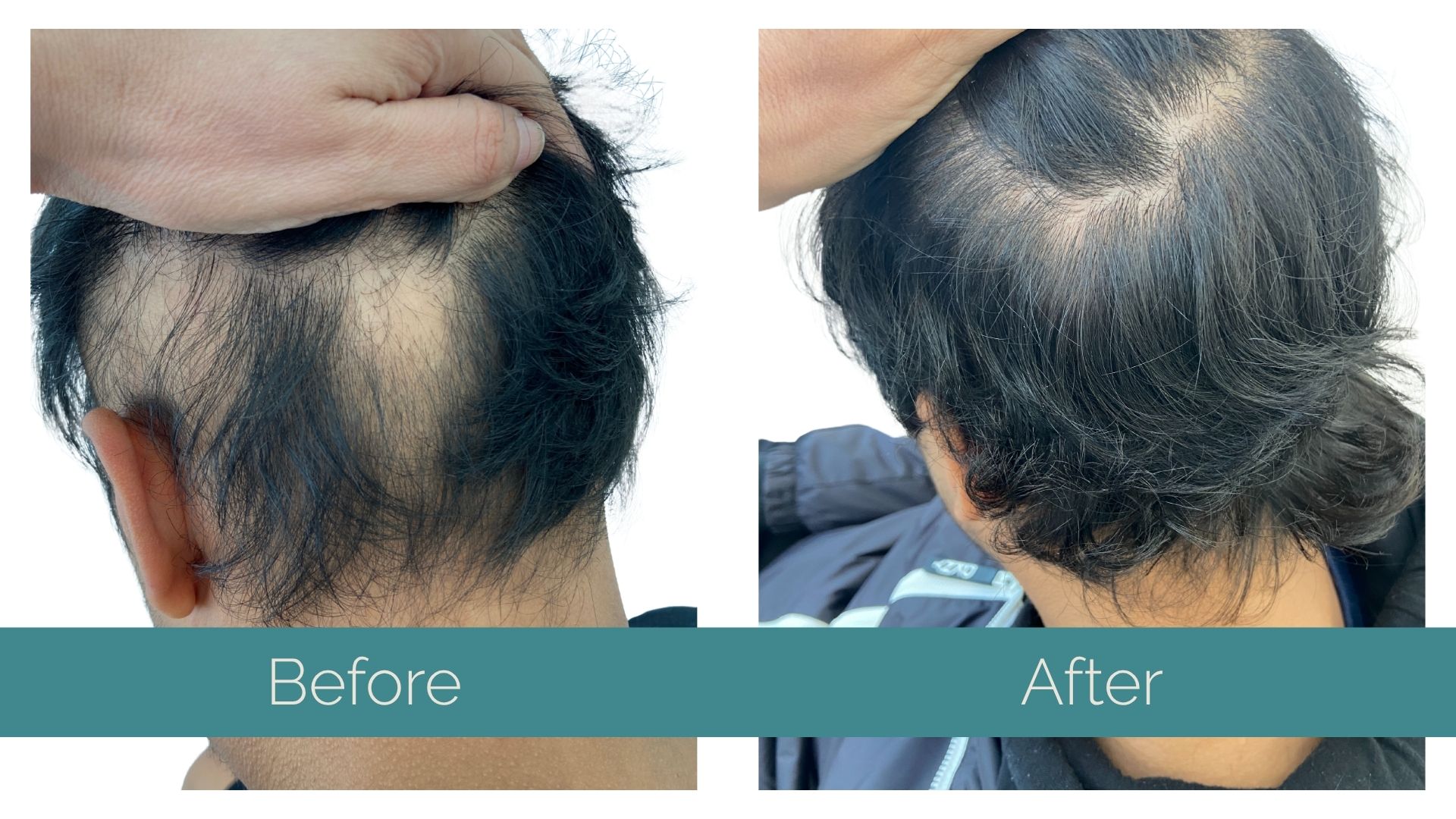
In people with a genetic predisposition, DHT binds to receptors in certain scalp follicles (often around the temples and crown in men, and across the top of the scalp in women). Over time, these follicles can miniaturise – each new hair grows back thinner, shorter, and less pigmented, until growth becomes faint or stops altogether.
The back and sides of the head tend to be more resistant, which is one reason those areas are commonly used as donor zones in hair transplant surgery.
One persistent myth needs retiring: hair loss doesn’t only come from “your mum’s side”. In reality, multiple genes are involved, and inheritance can come through either parent. Family history matters – but it’s not a single-gene verdict stamped on your scalp.
Destiny, But With an Asterisk
Here’s the part most people find reassuring: genetics influences risk, pattern, and timing – but it doesn’t always dictate the final outcome.
Think of DNA as the blueprint and your follicles as the building site. Genetics may make certain follicles more sensitive, but other factors can speed things up, slow things down, or create hair shedding that looks genetic when it isn’t.
Hormonal shifts, thyroid issues, iron deficiency, rapid weight loss, and major stress can all trigger noticeable thinning. Some people have genetic susceptibility but don’t see obvious loss until later in life; others see changes in their early twenties.
What tends to separate the two groups isn’t willpower – it’s early recognition and consistent management.
When It’s Not Just “In the Family”
A good reporter’s rule is to confirm the story before publishing it – and hair loss deserves the same caution. Not all thinning equals pattern baldness.
Women, in particular, may experience diffuse thinning caused by hormonal changes, postpartum shedding, perimenopause, or underlying deficiencies. Men can also experience shedding episodes that are temporary, especially after illness or prolonged stress. Scalp inflammation, dermatitis, and certain autoimmune conditions can further complicate the picture.
This matters because treatments that work brilliantly for pattern hair loss may do less for other causes – and vice versa. In practical terms: if shedding is sudden, dramatic, patchy, or accompanied by scalp symptoms, it’s worth getting a proper assessment rather than guessing.
Fighting Back: What Actually Helps
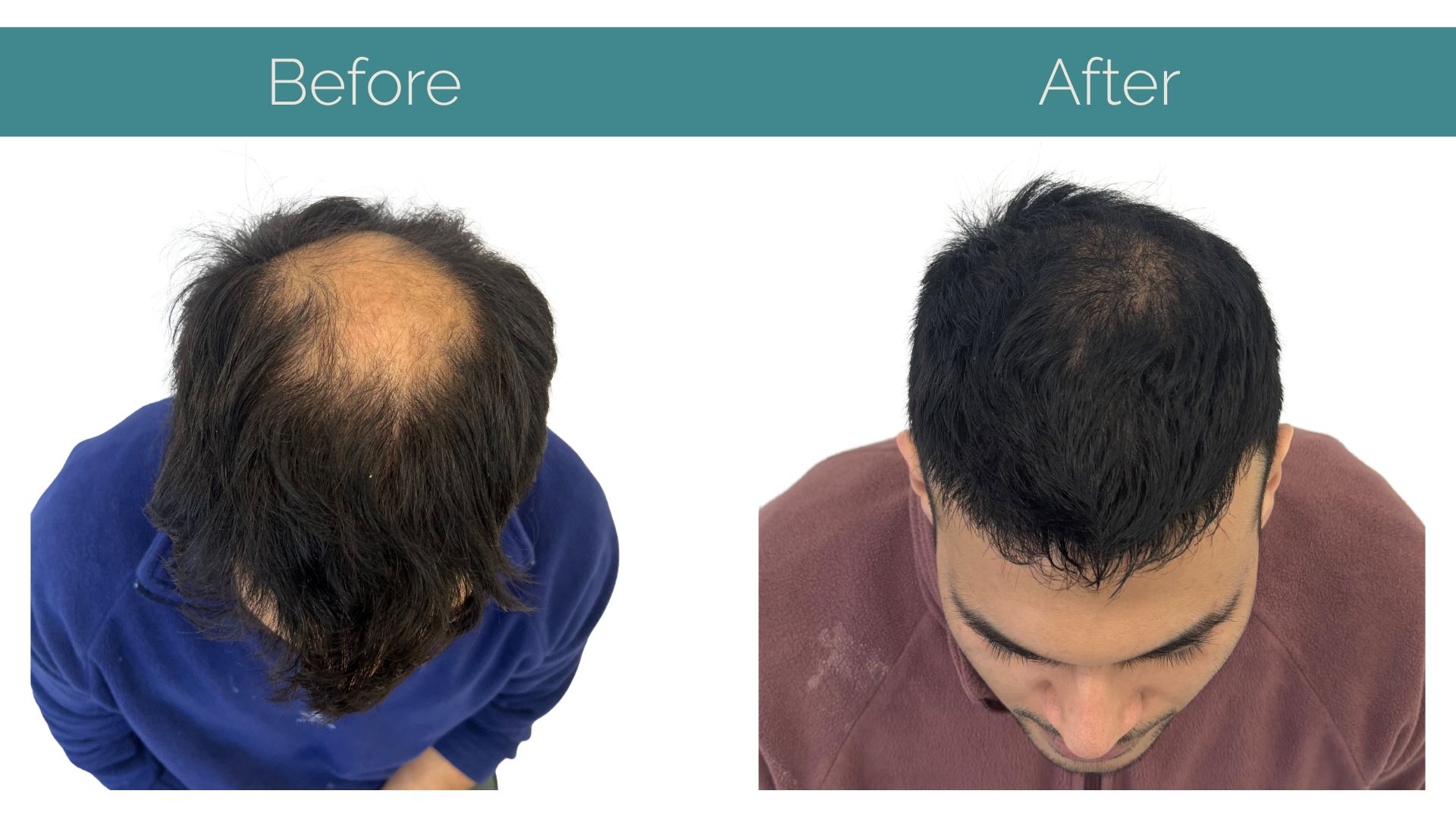
The goal with hereditary hair loss is rarely “a magic reversal”. It’s usually slowing progression, strengthening existing hair, and protecting follicles before they miniaturise too far. The earlier someone intervenes, the more hair there is to preserve – and the better the odds of visible improvement.
The most common evidence-based options include topical minoxidil, which can support growth cycles and help thicken miniaturised hairs over time. It requires consistency and patience; results are typically measured in months, not weeks.
Then there’s finasteride (prescription), which reduces DHT levels and can slow follicle miniaturisation in many men. It isn’t suitable for everyone, and side effects are possible – so it’s a conversation to have with a qualified clinician rather than a casual experiment.
Alongside medication, lifestyle factors shouldn’t be dismissed as “fluffy”. Hair is a biological tissue, and the follicle is sensitive to overall health. Adequate protein, iron (when deficient), vitamin D (when low), sleep quality, and stress management can all support a healthier growth environment.
Lifestyle changes won’t “override” genetics, but they can stop the body from piling extra pressure onto already-sensitive follicles.
PRP, Procedures, and the Confidence Factor
For people who want to go beyond topical and oral treatments, platelet-rich plasma (PRP) is often discussed as a supportive option.
The concept is straightforward: a small sample of the person’s blood is processed, and platelet-rich plasma – containing growth factors – is injected into areas of thinning to encourage follicle activity. Some people report thickening and improved density, particularly when PRP is used as part of a wider plan rather than a standalone miracle.
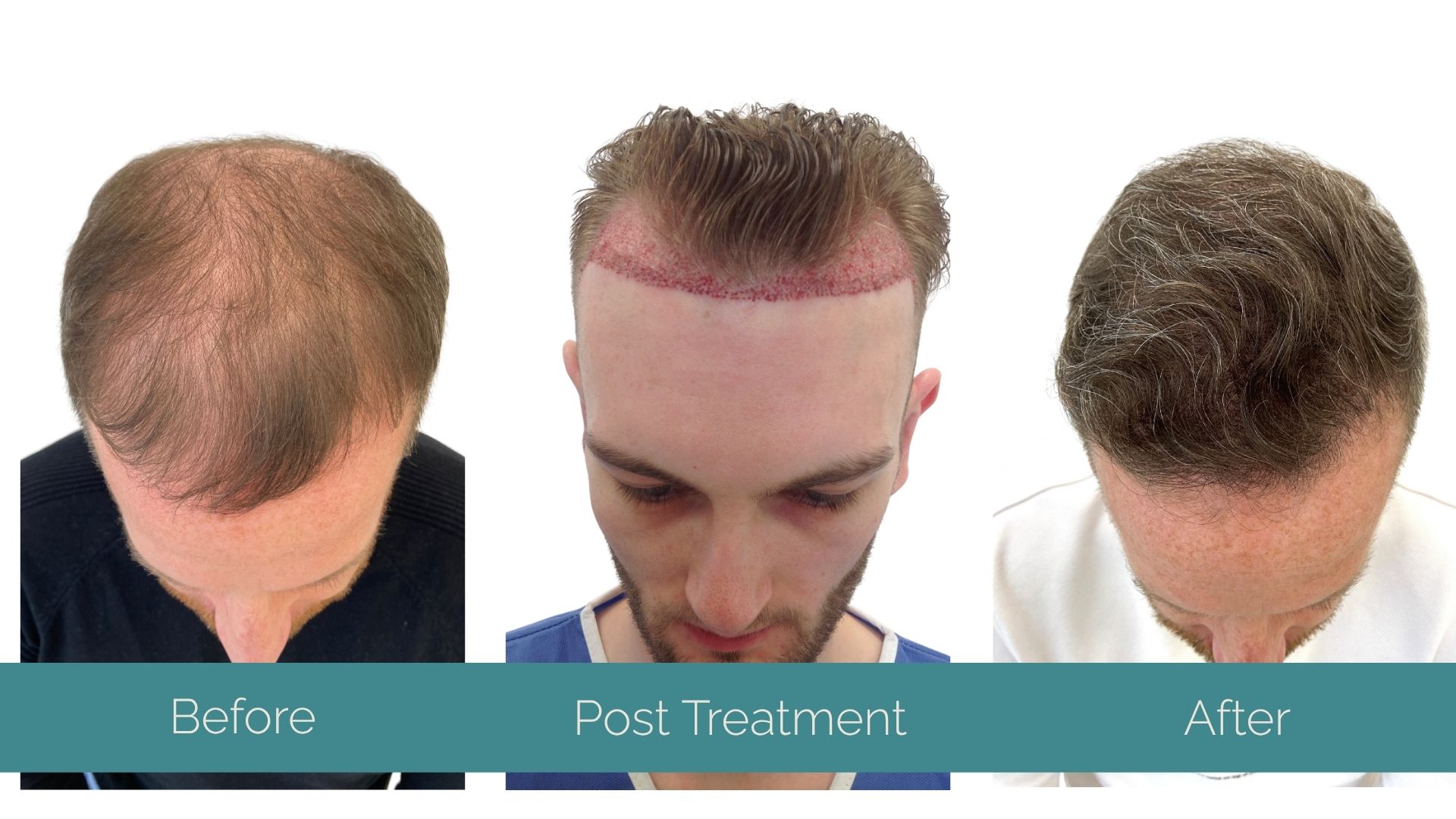
When hair loss is advanced, hair transplantation becomes the headline option. Techniques such as FUE (Follicular Unit Extraction) and FUT (Follicular Unit Transplantation) move healthy follicles from denser areas to zones of thinning.
Modern transplants can look natural, but outcomes depend heavily on careful planning, donor quality, realistic expectations, and aftercare. It’s also worth noting that transplantation doesn’t “switch off” genetics – ongoing medical management is often recommended to protect existing hair around the transplanted area.
For those who prefer a non-growing, visual solution, scalp micropigmentation can create the appearance of density or a sharper shaved look by adding pigment to mimic follicles. It doesn’t restore hair, but it can restore confidence – an outcome that matters more than most people admit.
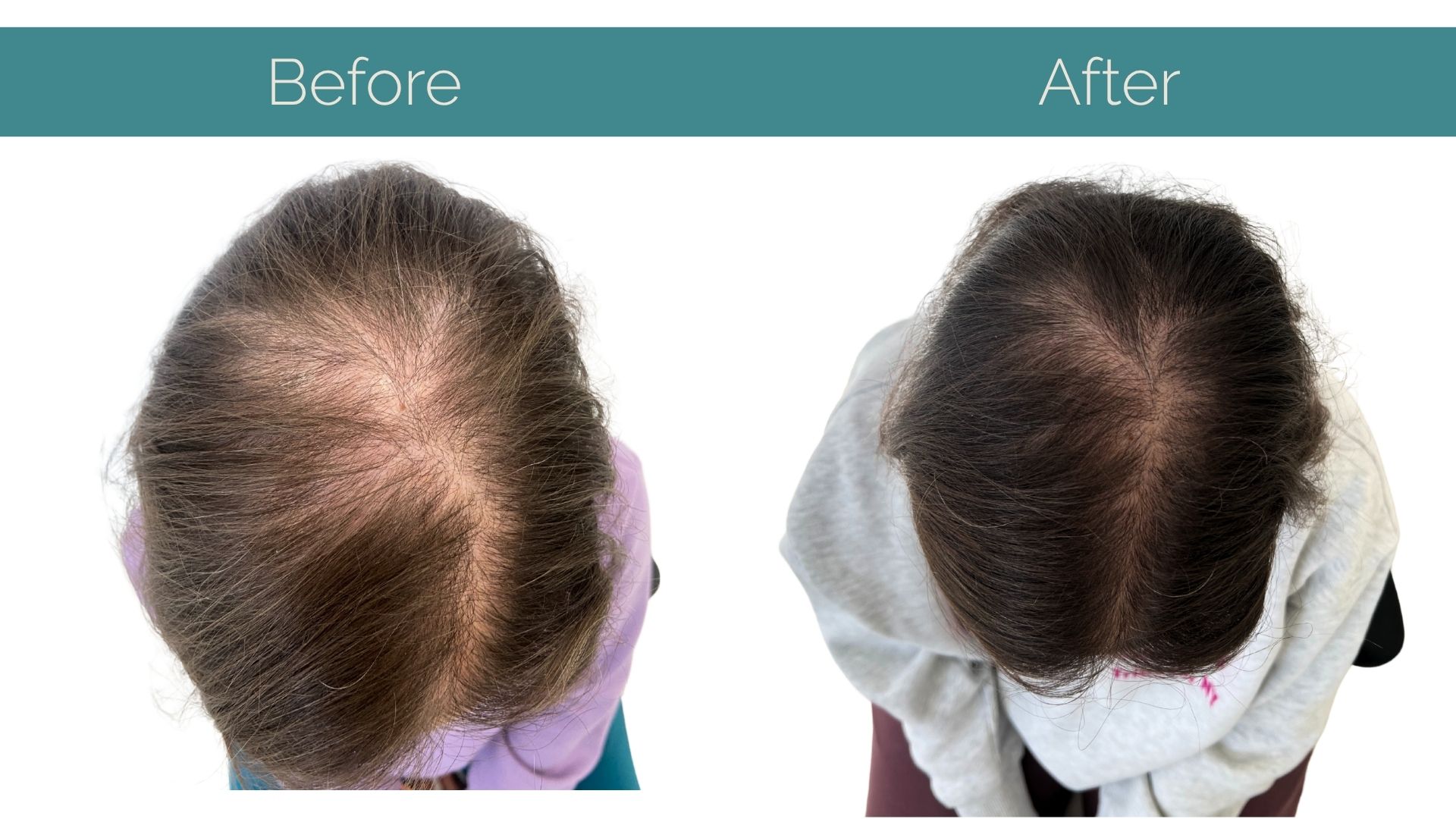
The Takeaway: You Can’t Change DNA, But You Can Change the Trajectory
Genetics may set the stage for hair loss, but it doesn’t mean someone is powerless. What tends to make the biggest difference is catching it early, choosing proven interventions, and sticking with a plan long enough to judge results properly.
For anyone worried they’re “next in line” because of family history, the most practical move is also the simplest: get an assessment before the hair loss becomes severe.
Clinics such as IK Clinics typically focus on building a tailored treatment approach – often combining medical options, supportive therapies, and (where appropriate) procedural solutions – based on what’s actually happening on the scalp, not what someone fears might happen next.
In the end, fighting genetic hair loss isn’t about beating biology in a dramatic showdown. It’s about understanding the rules, taking action early, and steering the story in a direction that feels like yours.
About IK Clinics
At IK Clinics, we’re not afraid to say that we’re proud to lead the way. Our expert team, advanced technology, and commitment to patient care ensure you get the best experience from start to finish.
What’s more, we offer a range of services in hair restoration, like FUE, Stem-cell and Plasma Therapy, along with various anti-aging treatments. Get in touch to find out more or book a consultation.