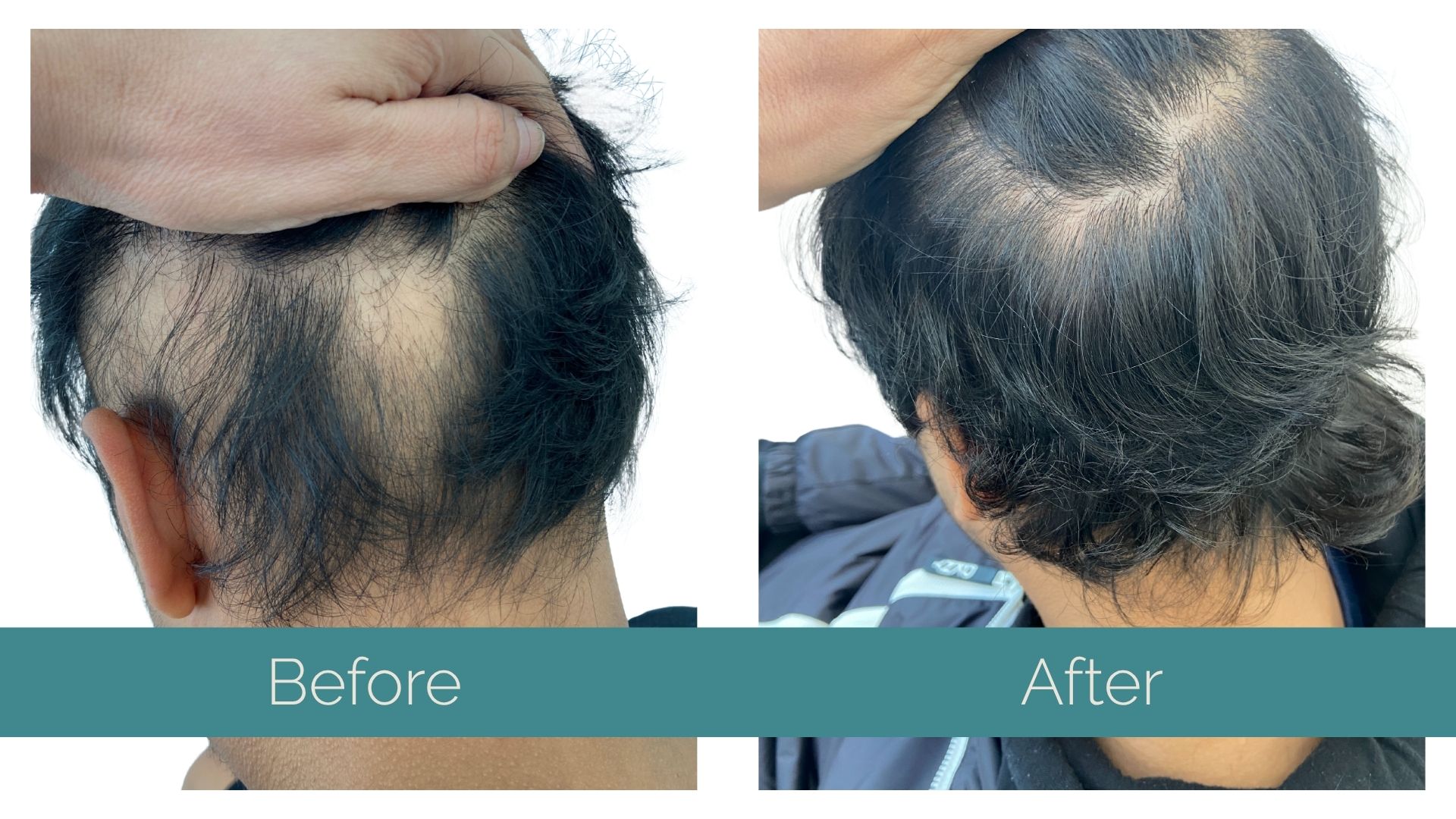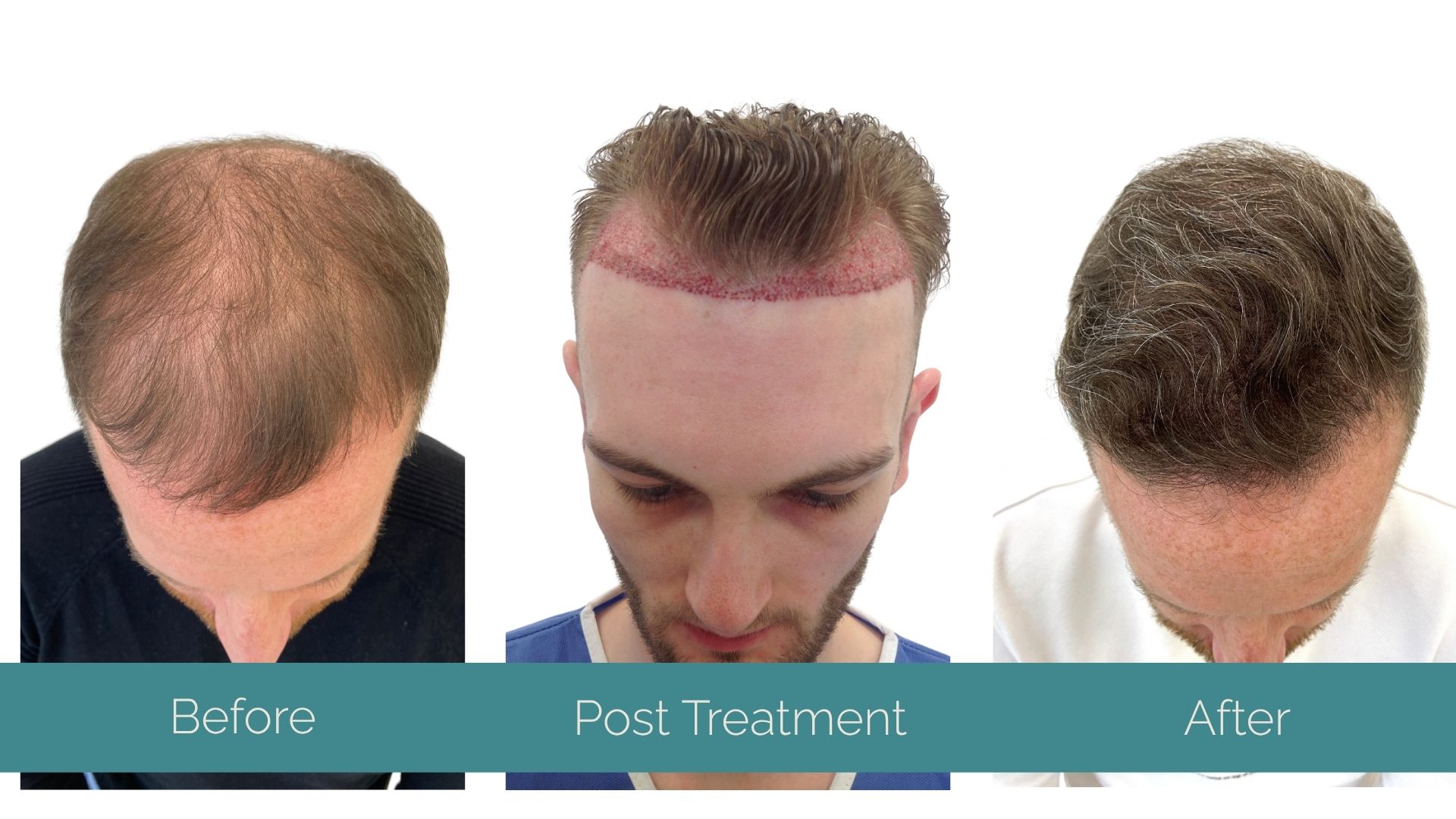
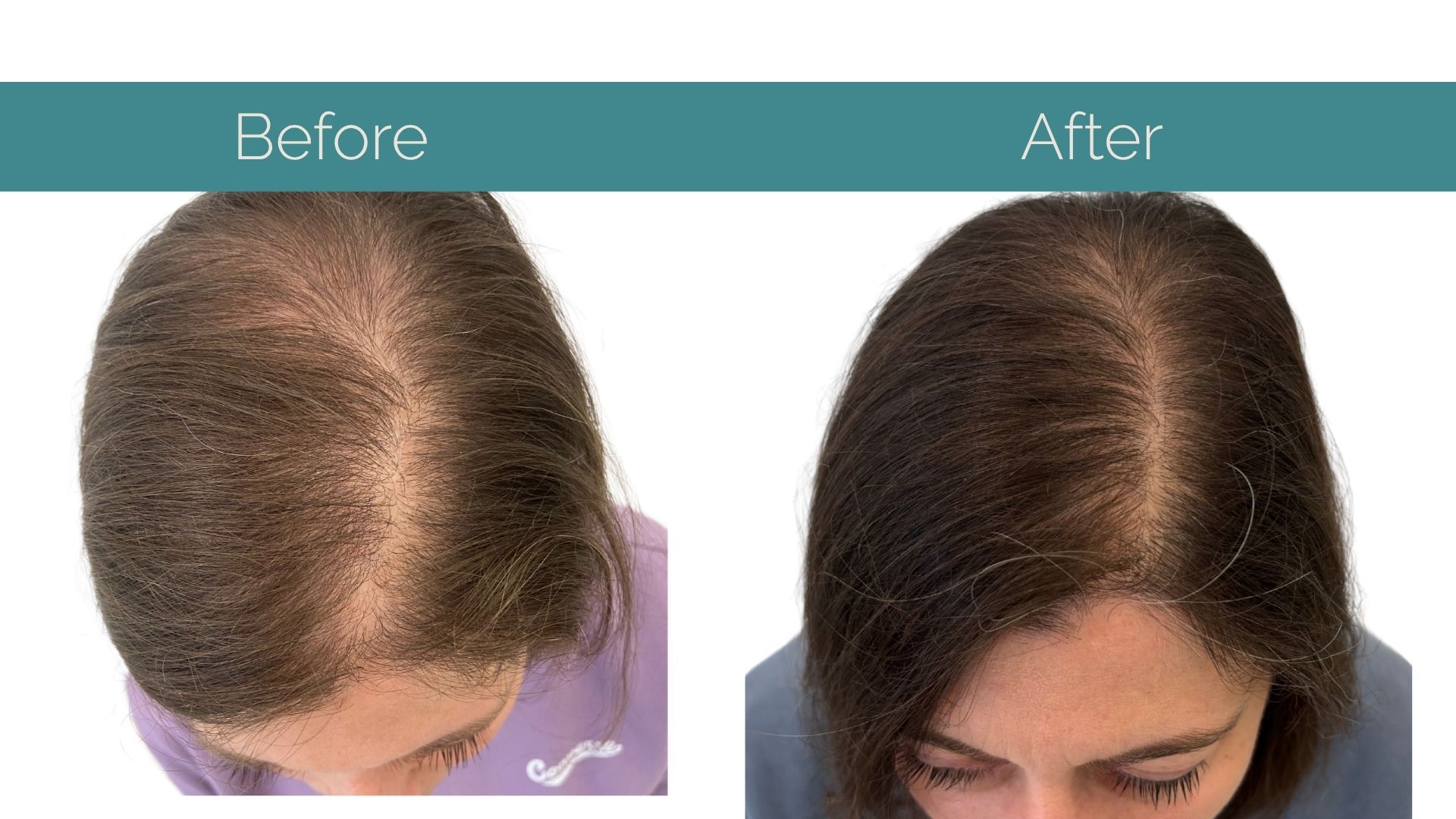
Put simply: two people can lose hair in the same places and still need completely different transplant plans.
That’s why the best clinics don’t start with a headline technique. They start with your hair type – because it influences everything from how many grafts you may need to how the surgeon angles each follicle for a natural finish.
The headline factor: coverage isn’t just about graft numbers
When people research hair transplants, they often fixate on graft counts. But “coverage” is also an optical game.
Curly hair can create the impression of fullness with fewer grafts because it lifts off the scalp and stacks volume. Straight hair can look thinner at the same density because it lies flatter and reveals more scalp between strands.
Hair thickness matters too. Coarser shafts block more light and create stronger coverage. Fine hair, even at good density, can look see-through under harsh lighting.
This is why a responsible consultation looks at hair calibre, curl, colour contrast (dark hair on pale skin shows scalp more) and the donor’s strength – then builds a plan around realism, not just numbers.
Curly and wavy hair: brilliant coverage, trickier extraction
Curly and wavy hair often does very well cosmetically because the texture adds body and disguises gaps.
The technical catch is under the surface: curly follicles frequently curve beneath the skin, which can make extraction more delicate. If the punch angle is wrong, it increases the risk of follicle damage during harvesting.
For many patients with curly hair, Follicular Unit Extraction (FUE) is a strong option because it allows the surgeon to work graft-by-graft with careful control. The key isn’t simply choosing FUE – it’s choosing a team experienced in navigating curved follicles, then placing grafts in a way that respects your natural swirl and direction so the curl pattern sits convincingly once it grows in.
Straight hair: hairline artistry and density planning
Straight hair tends to expose the scalp more easily, especially along the hairline and in bright overhead light. That doesn’t mean the transplant is harder – it just means the design work has to be sharper.
The front hairline, in particular, needs a soft, irregular pattern (not a ruler-straight edge) and careful density transitions so it doesn’t look “plugged” or abrupt.
Techniques such as FUE and Direct Hair Implantation (DHI) are commonly chosen for straight hair because precise placement and angle control can make or break naturalness. The aim is to mimic how straight hair naturally fans forward and slightly to the sides, creating a believable frame to the face without overloading the graft supply too early.
Fine or thinning hair: the illusion of fullness, plus support for existing strands
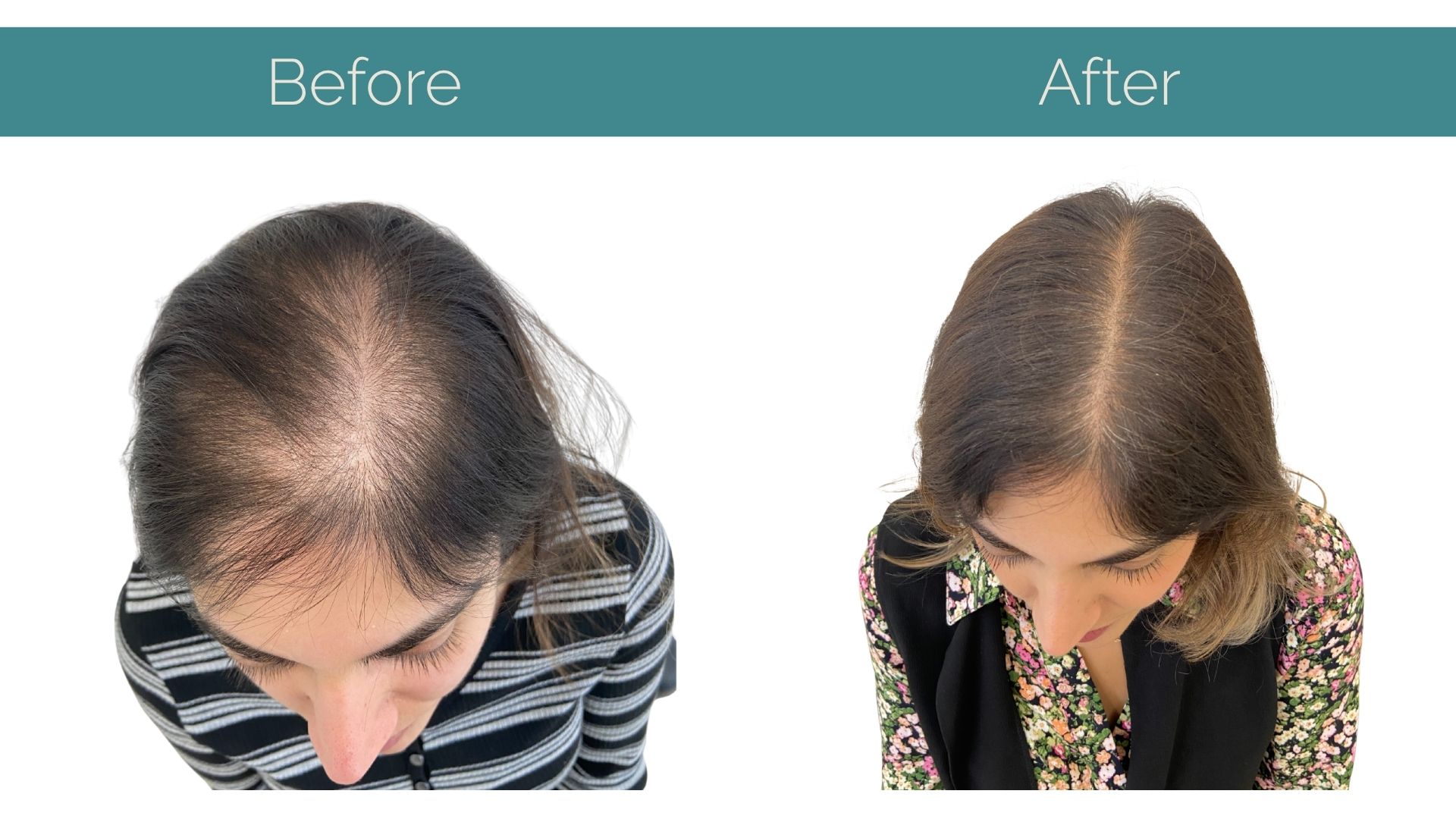
Fine hair can deliver excellent results, but it often needs a strategy that protects what’s already there.
When hair is thin, surgeons typically focus on clever distribution – building density where it changes your appearance most (usually the frontal third) while keeping expectations honest about how much coverage is achievable in a single session.
This is also where combination approaches come in. Some patients pair transplantation with supportive treatments such as platelet-rich plasma (PRP) or clinically appropriate medical therapies to improve hair quality and help stabilise ongoing loss.
The “win” with fine hair is rarely one dramatic moment; it’s often a steady shift: improved framing, less visible scalp and hair that styles more easily over time.
Thick or coarse hair: strong donor potential – but direction matters
Thicker hair often offers a major advantage: robust donor supply and strong shaft calibre that creates dense-looking results. But coarse hair can grow in varied directions, and if those angles aren’t replicated during implantation, the outcome can look untidy or fail to sit naturally when styled.
In these cases, the surgeon’s focus is on mapping and recreating growth patterns – particularly around the crown, where hair spirals and changes direction.
With the right planning, thick hair can produce some of the most visually satisfying outcomes because each graft provides more “coverage power” than finer hair types.
Afro-textured hair: excellent cosmetic potential with specialist handling
Afro-textured hair can offer outstanding coverage because tight curls create volume and depth.
As with other curly types, the main consideration is that follicles often curve significantly beneath the scalp, which increases the technical demands of extraction and can raise the risk of transection if handled without the right experience.
The takeaway isn’t that Afro hair is unsuitable – it’s that it deserves a clinic that understands the unique follicle structure, uses appropriate punch selection and angle control, and designs hairlines that look natural for Afro-textured patterns rather than copying a generic template.
FUE, FUT and DHI: choosing the method the right way round
It’s tempting to pick a technique first and then fit yourself into it. A better approach is the reverse: match the method to your hair and goals.
FUE is popular because it’s flexible and avoids a linear scar, making it attractive for many hair types – especially when precision is needed around complex follicles. FUT (strip surgery) can still be useful for patients who need a large number of grafts and have a donor area suited to it, though it involves a linear scar.
DHI can offer high placement control in the right hands, particularly when hairline detail and tight packing are priorities. A quality consultation, like those provided by IK Clinics, should explain not only what’s recommended, but why – including what your donor can realistically provide across the next decade, not just the next procedure.
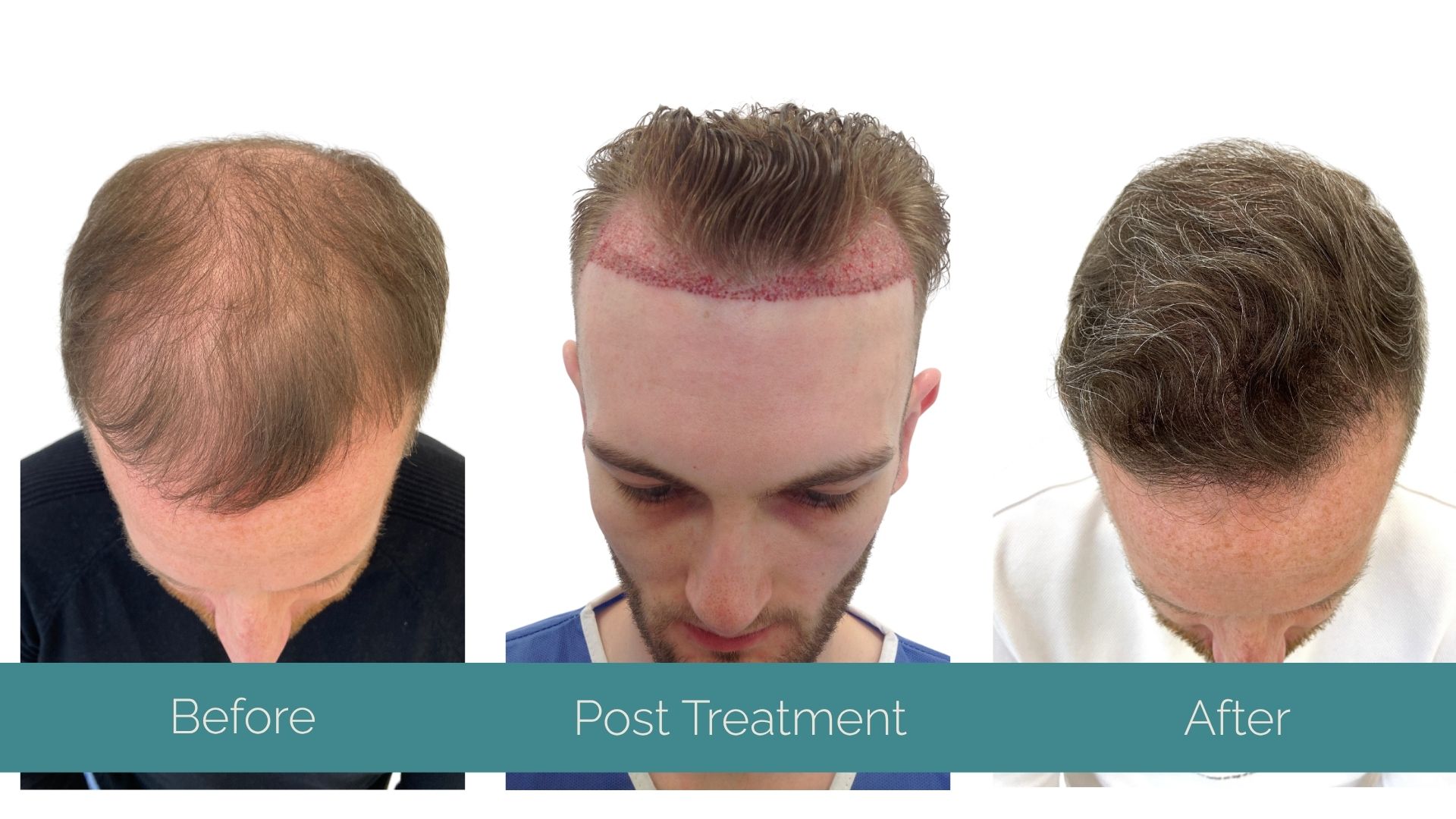
Aftercare by hair type: small habits that protect a big investment
Aftercare isn’t glamorous, but it’s where good work is protected.
Curly and Afro-textured hair often benefits from moisture-friendly routines once the clinic approves washing, because dryness can make texture feel rough while healing. Straight hair patients usually need to be careful with styling products early on, avoiding anything heavy that could irritate the scalp.
Fine hair patients often do well with gentle, consistent scalp care and a longer-view mindset, because early shedding can feel dramatic even when it’s normal. Thick hair patients sometimes notice the shedding-regrowth cycle more intensely simply because there’s more hair involved – patience becomes part of the plan.
Across all hair types, the universal rules apply: follow clinical instructions, avoid trauma to the grafts, and treat the early healing phase like you’re protecting newly planted seedlings.
The bottom line: your hair type should shape the plan – not limit it
The modern message is reassuring: there are transplant pathways for curly, straight, fine, thick and Afro-textured hair. The difference is not whether it can be done, but how it should be done – with technique, design and aftercare adapted to your specific hair behaviour.
If you’re considering treatment, book a consultation that treats hair type as central, not incidental.
A clinic such as IK Clinics (or any reputable provider) should be able to talk you through donor assessment, realistic coverage, technique choice and a long-term plan. With the right match between hair type and strategy, a transplant isn’t just a procedure – it’s a carefully engineered return to looking like yourself again.
About IK Clinics
At IK Clinics, we are proud to stay at the forefront of global hair restoration trends, offering a variety of advanced techniques to meet the diverse needs of our clients. From FUE, PRP to Stem Cell Therapy, we ensure that every client’s treatment is tailored to their personal goals, helping them regain not just their hair but also their confidence.
Interestingly, we don’t just stop at hair restoration treatments, our highly skilled team also offers a range of anti-aging treatments.