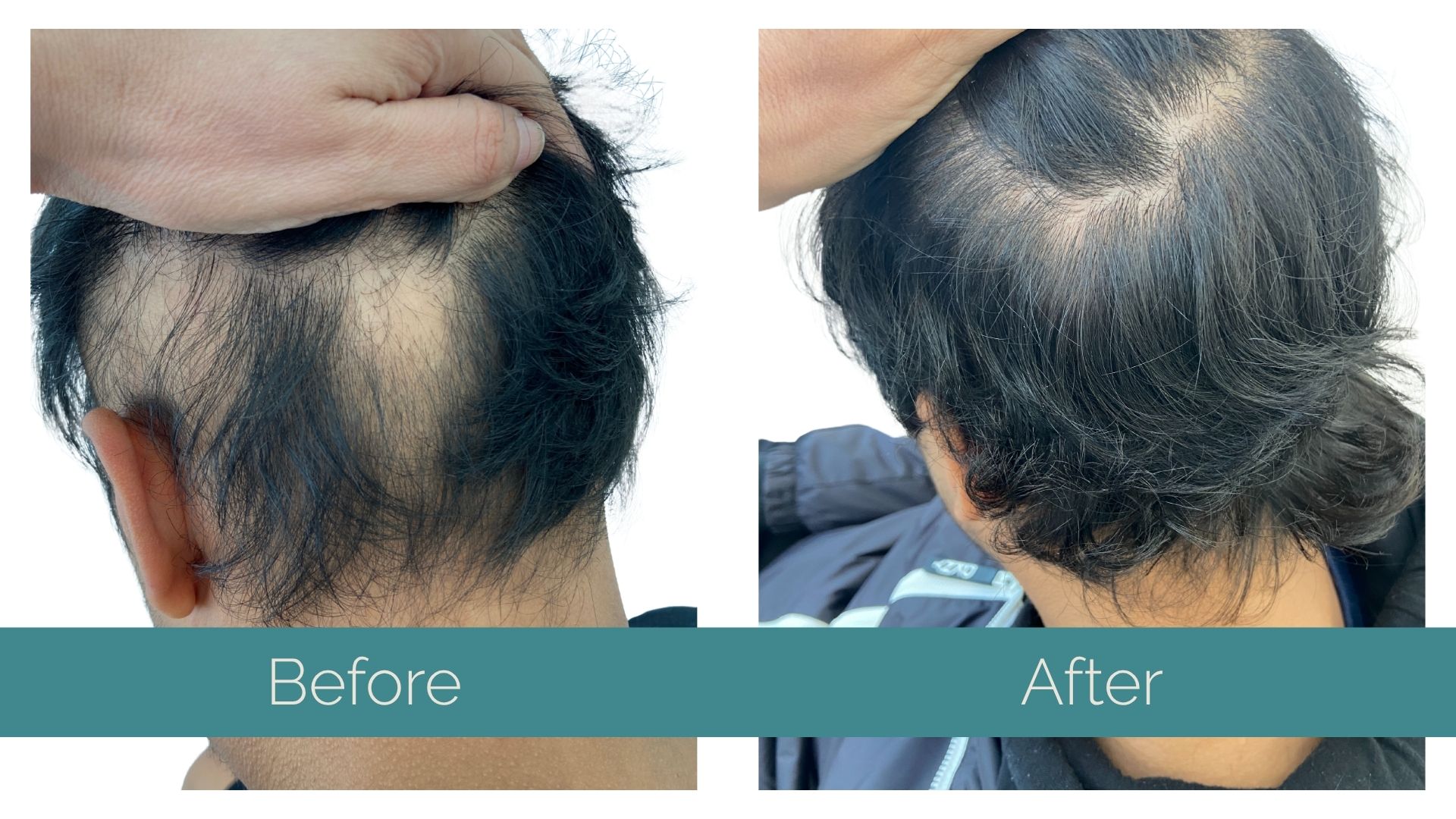
So the first clue might be a photo taken from above, a comment from a barber, or the way harsh lighting suddenly makes the scalp more visible.
For many people, this realisation can be unsettling, not just because it signals a physical change, but because it feels like something that has been happening “behind your back” without you noticing.
Yet as common as that sinking feeling is, crown balding is one of the most widespread patterns of hair loss and, crucially, one that can often be managed with the right approach.
What Crown Balding Actually Is
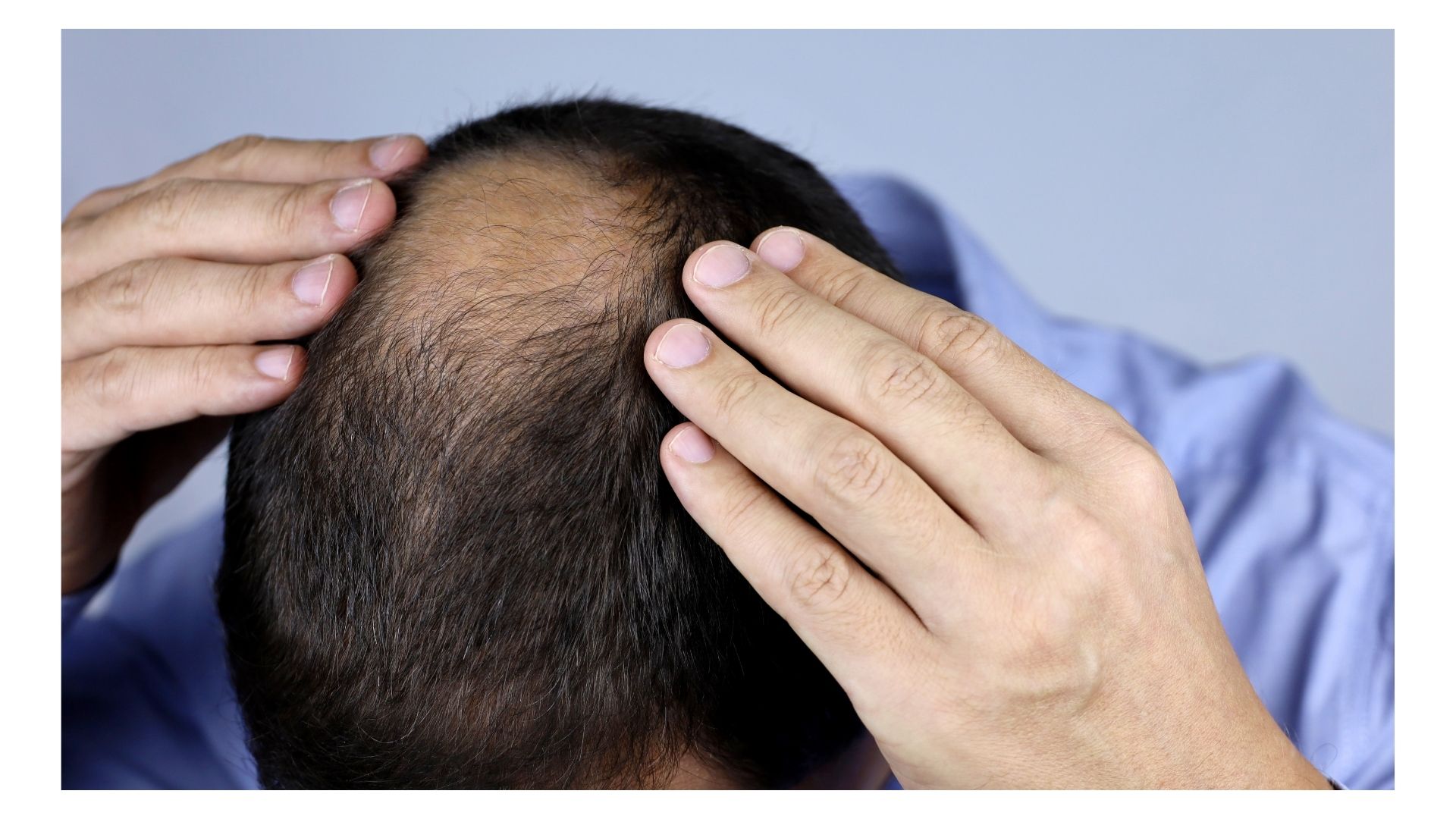
Crown balding, sometimes called vertex balding, refers specifically to thinning or loss of hair on the highest point of the scalp, roughly where a small cap would sit.
Rather than starting at the front hairline, this pattern forms a circular or oval area of reduced density, which may gradually widen or deepen over the years. In men, it is often part of classic male pattern baldness, while in women it can appear as a general loss of volume across the top of the scalp, with the crown area simply being the most obvious place where the scalp begins to show through.
At its core, crown balding reflects a change in the behaviour of the hair follicles in that area: over time, they produce finer, shorter hairs and, eventually, may stop producing visible hair altogether.
Early Signs You Might Be Thinning at the Crown
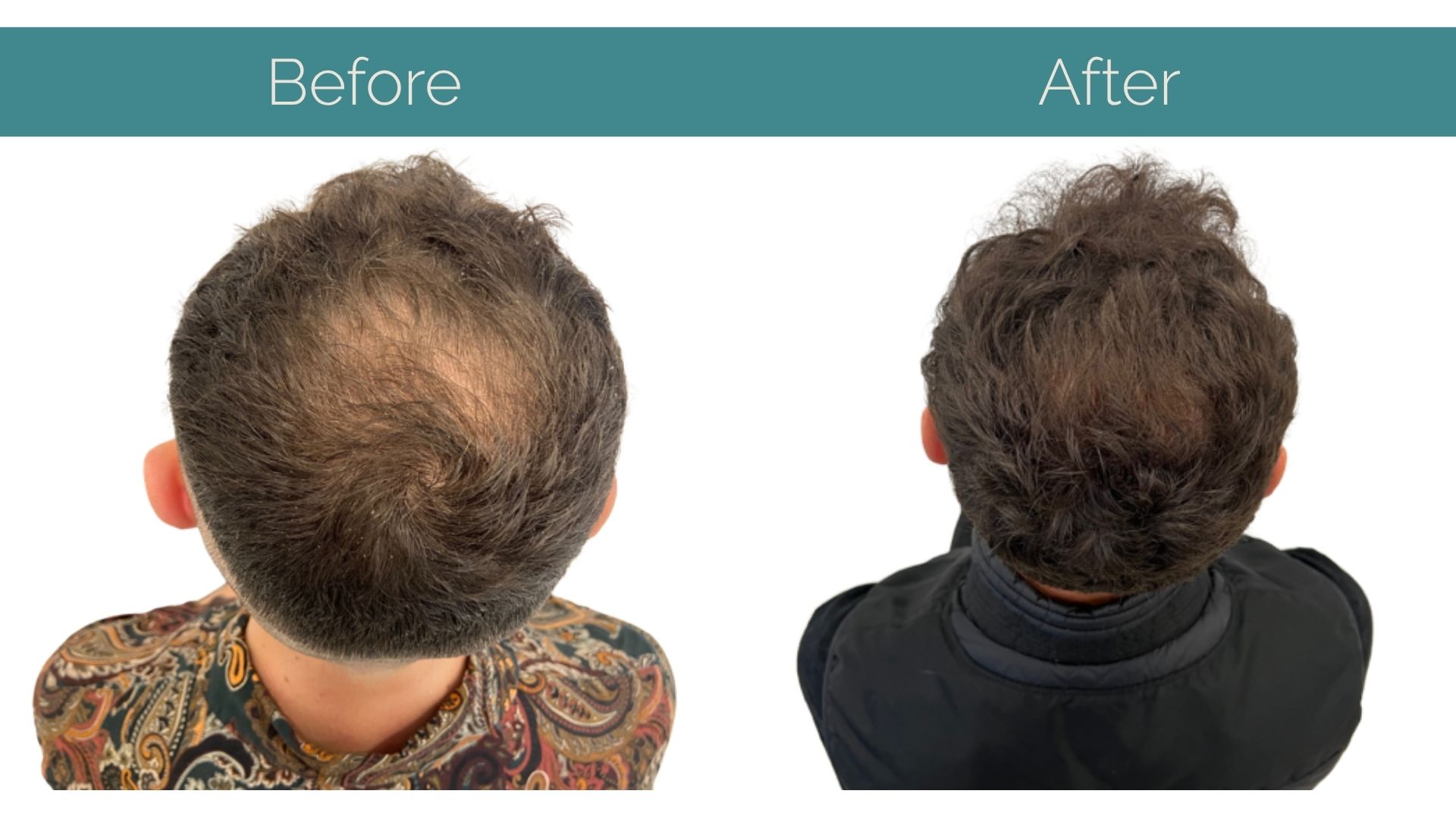
Because of its position, crown thinning can be surprisingly easy to miss in the early stages. One of the most common early signs is noticing that your hair looks different in pictures taken from behind or from a slightly raised angle, such as group photos, security camera stills or wedding snapshots.
The crown may look flatter, less dense or simply “patchy” compared with older images. You might also become aware that styling takes more effort, with hair at the back of the head refusing to sit as it once did, or showing more scalp even after blow-drying and using products.
Increased shedding in the shower or on your pillow can add to that nagging sense that something is changing. If you suspect a problem, taking a few clear photos of the top of your head every couple of months, or asking a trusted friend or hair professional for an honest opinion, can help you understand whether the change is genuine and whether it is progressing.
Why the Crown Loses Hair: Genetics and Hormones
For many people, the story of crown balding starts long before the first hair falls, in the form of inherited tendencies.
The most common underlying cause is androgenetic alopecia, better known as male or female pattern hair loss, which is largely driven by genetics and hormones. In this condition, certain hair follicles, particularly around the crown and hairline, are sensitive to a hormone called dihydrotestosterone, or DHT.
Over time, DHT causes those follicles to miniaturise, meaning they produce progressively finer and shorter hairs with each growth cycle, until some eventually stop producing visible strands altogether. This process does not usually happen overnight; it unfolds slowly, often over many years, which is why early recognition can be so helpful.
In women, hormonal shifts linked to life stages such as pregnancy, perimenopause or certain medical conditions can also contribute to thinning at the crown, even if the pattern looks slightly different from that seen in men.
Stress, Health and Ageing as Co-Factors
Although genetics and DHT are major drivers, they are rarely the whole story. Stress, for example, is not just a feeling; it has a measurable impact on the body and can disrupt the normal rhythm of the hair growth cycle.
After periods of intense or chronic stress, more hairs than usual can shift into the shedding phase at the same time, which can make existing thinning at the crown much more obvious. Medical conditions such as thyroid disorders, autoimmune diseases or significant nutritional deficiencies can also affect hair quality and density, either directly or by disturbing hormonal balance.
Even in the absence of specific illnesses, ageing itself plays a quiet but persistent role. As the years pass, the growth phase of hair tends to shorten and individual strands can become finer, meaning that the crown – already a visually exposed area – is often where this natural decline in volume becomes most noticeable.
Treatment Options: The Medical Route
Once crown balding is identified, many people start by exploring medically approved treatments designed to slow, halt or partially reverse the process.
One of the most widely used is Minoxidil, a topical solution or foam applied directly to the scalp, including the crown area. Minoxidil is thought to improve blood flow and support to the follicles, helping to prolong the growth phase of the hair cycle and, in many cases, encouraging existing follicles to produce thicker, stronger hairs.
Results typically take several months to become apparent and require ongoing, consistent use to be maintained.
Another key option for many men is Finasteride, an oral medication that works by lowering levels of DHT in the body. By reducing the hormone that drives follicle miniaturisation, Finasteride can help stabilise hair loss and, in some cases, promote regrowth in the crown region.
Because it is a prescription medication with potential side-effects, it should always be taken under the guidance of a doctor or hair loss specialist who can assess whether it is appropriate in your particular case.
Supporting Hair with Lifestyle and Scalp Care
While no diet or supplement can magically override a strong genetic predisposition, your day-to-day habits do influence the environment in which your hair grows.
Hair is made primarily of protein and relies on a steady supply of nutrients such as iron, zinc, biotin and omega-3 fatty acids, so a balanced, nutrient-dense diet can help support healthier growth and better hair quality.
Where blood tests reveal genuine deficiencies, correcting them can make existing hair stronger and more resilient, including at the crown. Managing stress through regular exercise, improved sleep, relaxation techniques or mindful activities can also help reduce the kind of chronic tension that is known to disrupt the hair cycle.
Some people incorporate regular scalp massages, sometimes using oils such as rosemary or peppermint, to help maintain scalp health and circulation. These measures are best viewed as supportive rather than standalone cures, but when combined with appropriate medical treatments they can contribute to a more stable, healthier crown.
Considering a Hair Transplant for the Crown
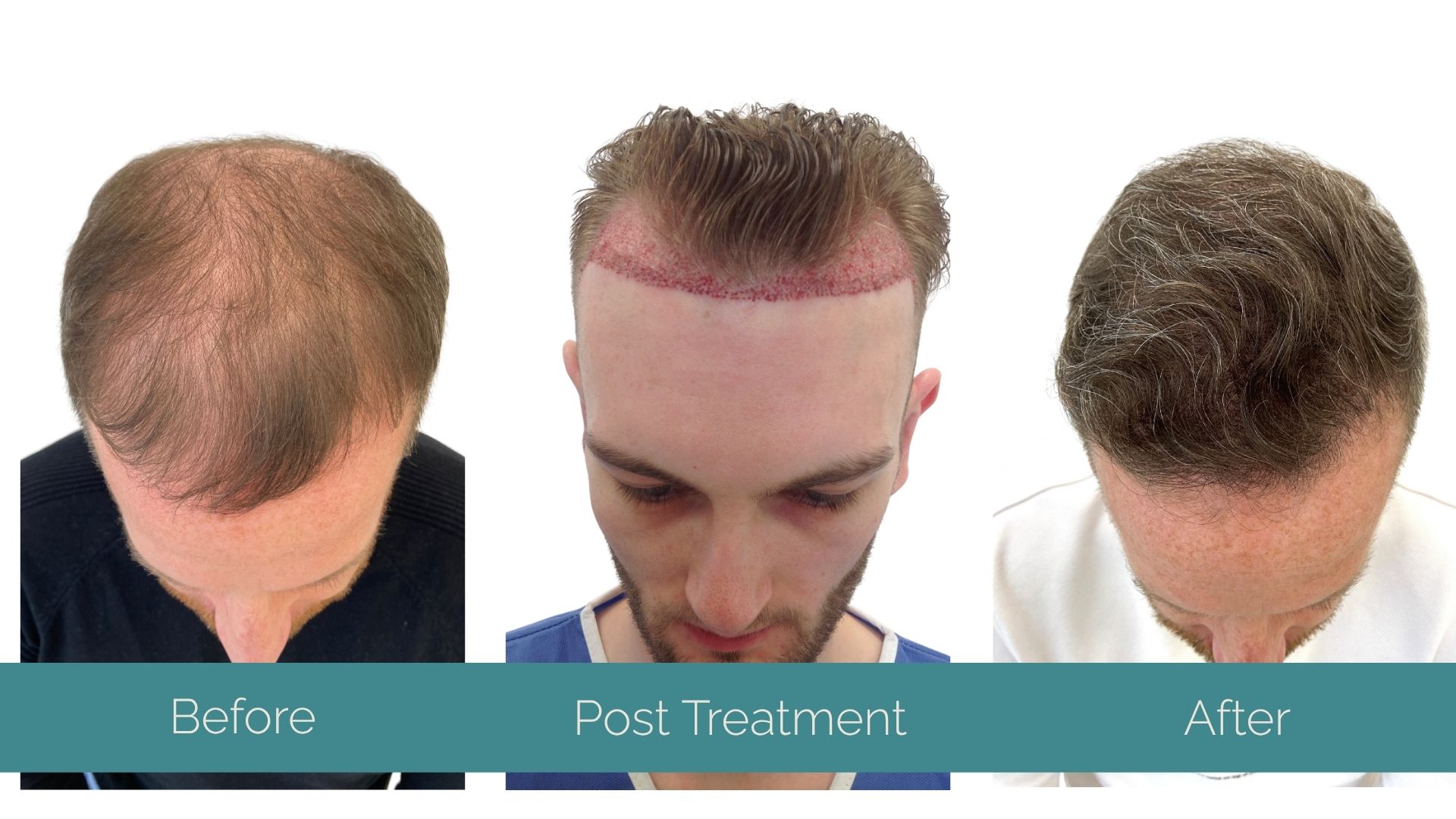
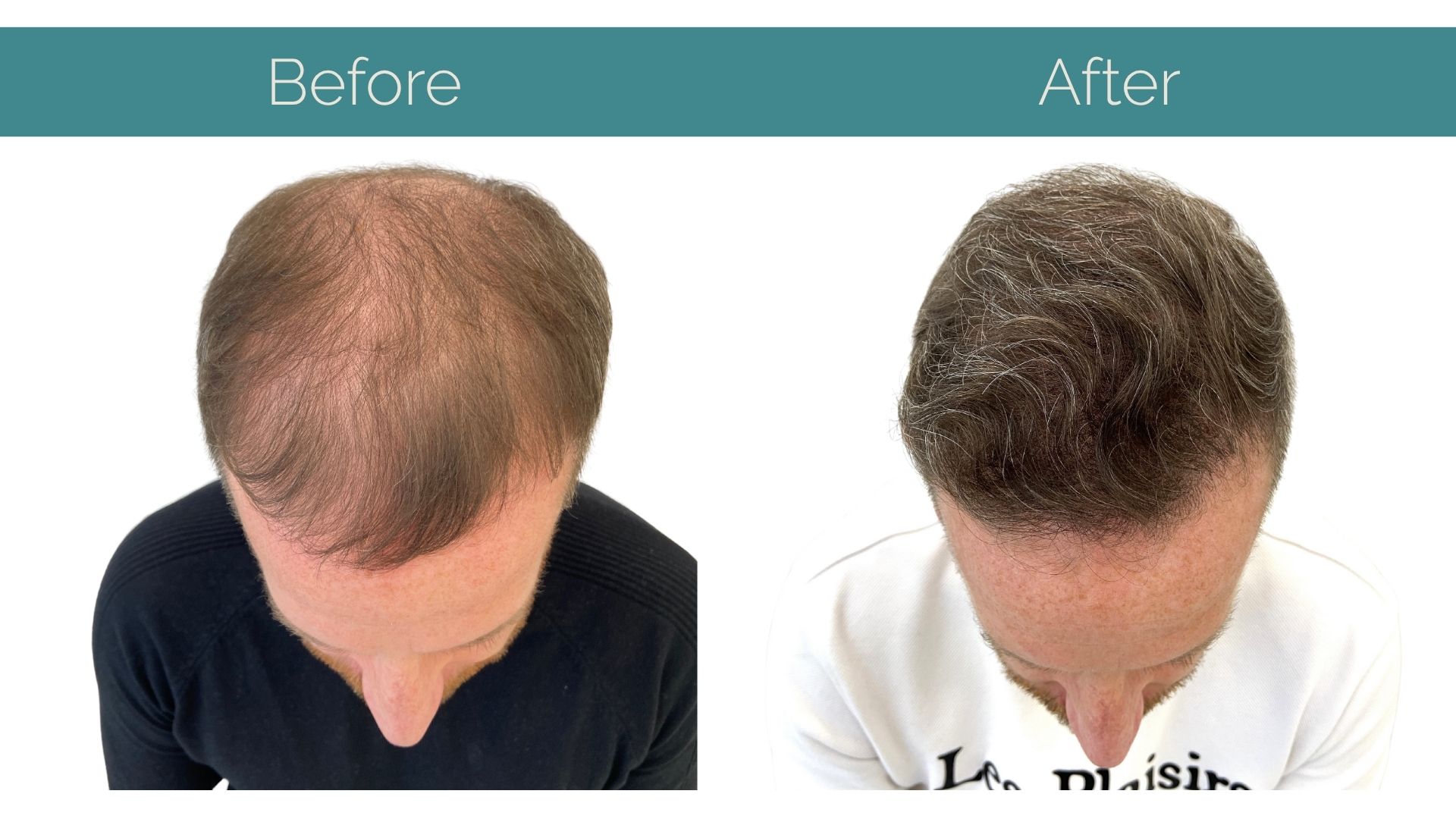
For those with more advanced thinning or a clearly visible bald spot, a hair transplant can offer a long-lasting, natural-looking solution.
Modern transplants involve taking healthy follicles from donor areas at the back and sides of the head, where hair is genetically more resistant to DHT, and carefully implanting them into the thinning crown.
The two main techniques used are Follicular Unit Extraction, in which individual follicles are removed and placed into the crown, and Follicular Unit Transplantation, in which a thin strip of donor scalp is removed and divided into grafts before being implanted. Both methods can achieve excellent results in skilled hands, and the choice between them depends on factors such as the pattern of hair loss, donor hair availability, scarring preferences and long-term planning.
A well-executed transplant does not stop future hair loss in untreated areas, so it is usually combined with ongoing medical management to protect existing hair and preserve the result. Clinics such as IK Clinics can provide a detailed assessment and realistic guidance on whether transplantation is suitable and what kind of outcome you can expect.
When to Get Professional Advice
A common mistake is waiting until crown balding is very advanced before seeking help, in the hope that the problem might somehow stabilise on its own.
In reality, early intervention almost always offers more options and better prospects. If you suspect your crown is thinning, or if comments and photos are making you increasingly self-conscious, it is sensible to arrange a consultation with a dermatologist or hair loss specialist.
They can confirm whether the pattern you are seeing is androgenetic alopecia, a temporary shedding issue or something related to an underlying medical condition, and can then recommend a tailored plan that may include topical treatments, oral medications, lifestyle changes or, in some cases, surgical options.
This professional guidance takes the guesswork out of the process and helps you avoid wasting time and money on solutions that are unlikely to work for your particular situation.
Confidence, Identity and Moving Forward
Crown balding may be common, but that does not mean it feels trivial when it is happening to you.
Hair plays a subtle yet powerful role in how many people express their identity, and seeing it thin or disappear at the top of your head can be a real emotional jolt. The positive side of the story is that you are not powerless in the face of these changes. With a clear understanding of what crown balding is, why it happens and which treatment routes are genuinely effective, you can make informed decisions rather than reacting out of panic or frustration.
Whether you choose to pursue medical treatments, explore hair transplantation, focus on improving overall scalp and hair health, or even embrace a new style altogether, the key is having options and support.
With the right plan in place, it is often possible not only to improve coverage at the crown, but also to restore a sense of confidence and control over how you look and feel every day.
About IK Clinics
At IK Clinics, we’re not afraid to say that we’re proud to lead the way. Our expert team, advanced technology, and commitment to patient care ensure you get the best experience from start to finish.
What’s more, we offer a range of services in hair restoration, like FUE, Stem-cell and Plasma Therapy, along with various anti-aging treatments. Get in touch to find out more or book a consultation.