You can have the best graft survival, the cleanest surgery, the most meticulous aftercare – but if the hairline is drawn in the wrong place, or drawn in the wrong way, it can throw the whole face off balance.
Surgeons and technicians often describe hairline design as equal parts geometry and taste: it’s not just where the hair starts, but how it arrives – softly, irregularly, and with the kind of natural “messiness” most people never notice until it’s missing.
Why the Hairline Matters More Than People Realise
The hairline is essentially your face’s frame. It sets the proportions between forehead, eyes, and cheekbones, and it quietly influences whether you look youthful, stern, open, tired, or “done”.
A hairline that’s too straight, too low, or too dense can read as artificial – not because people are experts, but because our brains are excellent at spotting patterns that don’t match real life.
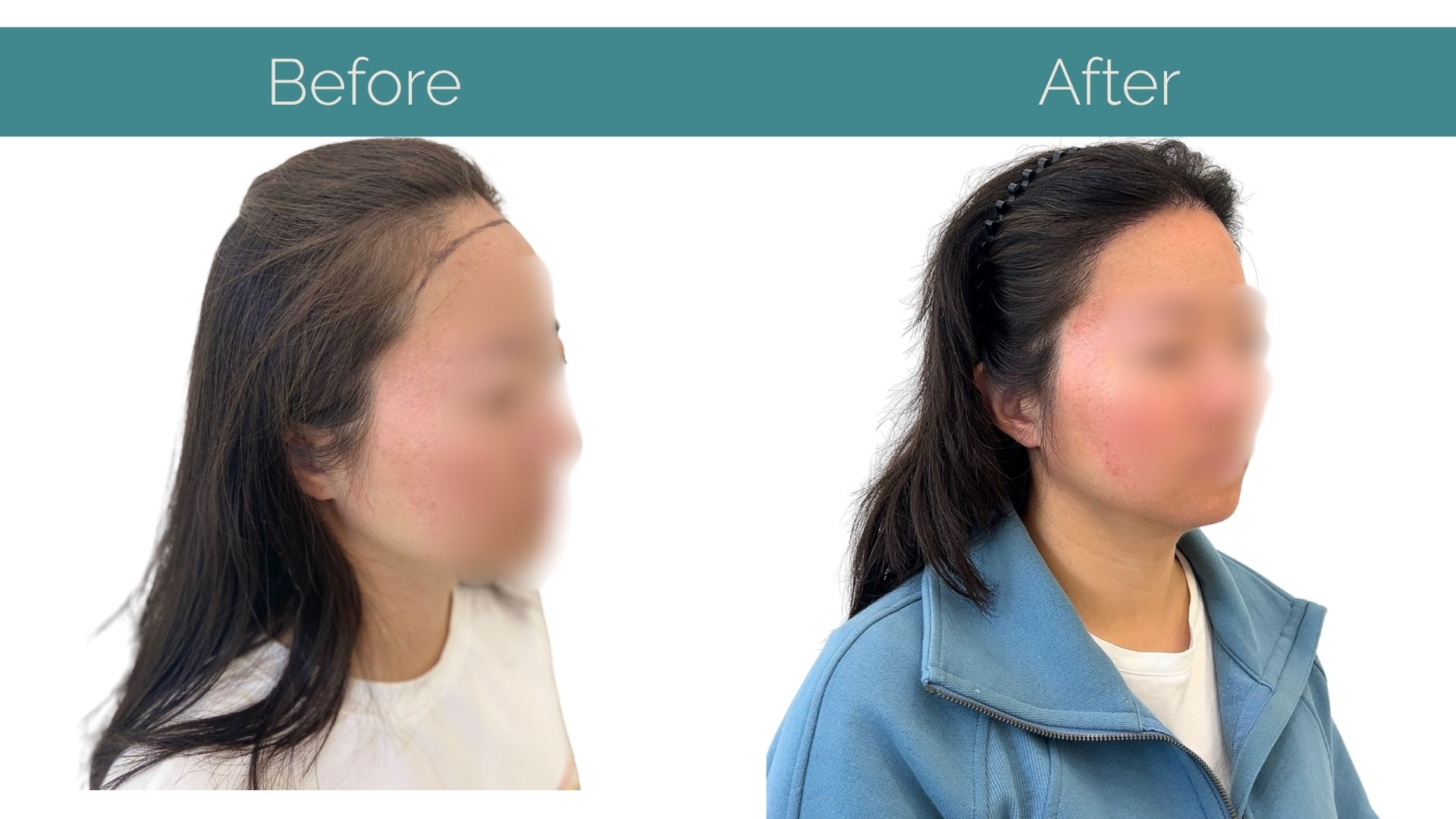
A natural hairline tends to be slightly uneven, with gentle micro-variations that make it believable up close and “normal” from across the room.
Face Shape First, Trends Second
A common mistake is chasing a trendy hairline rather than the right one for the face in front of the mirror.
Face shape isn’t about putting people in a box – it’s about understanding which lines bring harmony. Oval faces are often the easiest to work with, because most hairline shapes sit comfortably on them.
Round faces usually benefit from designs that subtly add structure, helping the face look longer and more defined. Square faces can carry stronger, straighter lines, but still need softening at the very front so the result doesn’t look drawn-on.
Heart-shaped faces often suit a hairline that balances a wider forehead with a gentle curve rather than a harsh edge.
The “Types” of Hairline – and What They Really Mean
When people talk about straight hairlines, rounded hairlines, or a widow’s peak, they’re usually describing the overall silhouette.
A straighter hairline can create a crisp, youthful look, particularly when it matches the natural character of the person’s features. A rounded hairline tends to soften the forehead and can feel more forgiving for faces with softer contours.
A widow’s peak, that distinctive V-shape, can add character and authenticity – especially if it echoes what you had earlier in life.
Then there’s the question of height: a slightly higher hairline can look more age-appropriate and natural long-term, while an overly low one may look impressive on day one and questionable ten years later.
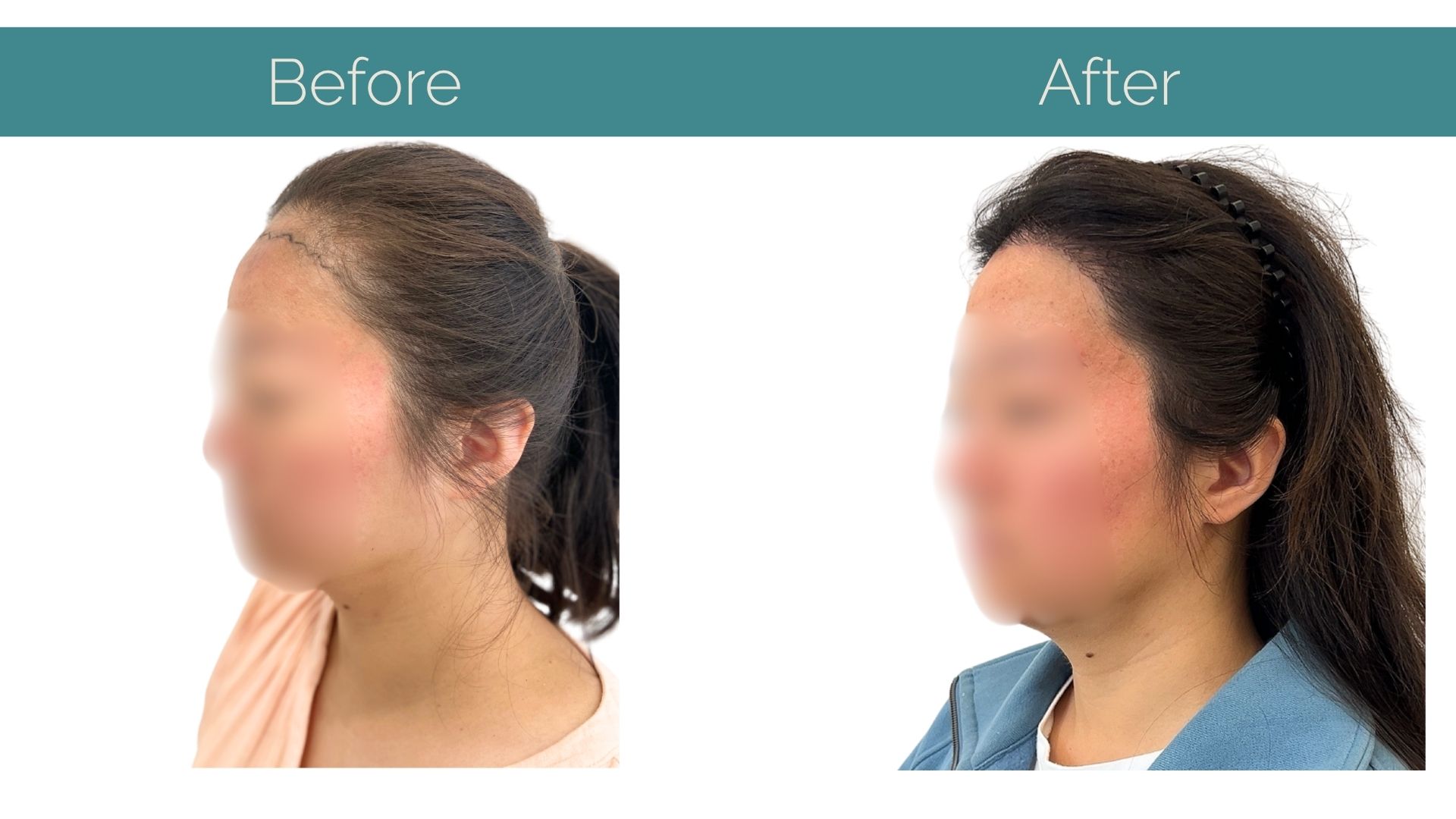
The Consultation: Where the Design is Actually Decided
The real work often starts before a single graft is placed. In a consultation, a surgeon assesses facial proportions, forehead height, muscle movement, and how the hairline behaves when you raise your eyebrows or frown.
They’ll also look at donor capacity and long-term planning – because a hairline isn’t designed for a selfie today, it’s designed for your face for decades. This is also where personal preference matters, but with guardrails: the best outcomes come when a patient’s goals meet a design that’s realistic, sustainable, and sympathetic to how hair loss tends to progress over time.
Hair Texture, Density and Colour: The Quiet Deal-Breakers
Two people can request the same hairline and end up needing completely different designs.
Thick, coarse hair typically provides stronger visual coverage, meaning a hairline can appear fuller with fewer grafts. Fine hair, especially if it’s light in colour, often requires a more strategic approach to avoid a sparse or see-through look at the front.
Curl pattern plays its part too; curls and waves can create the impression of density, while very straight fine hair shows gaps more easily. A good plan respects these realities rather than fighting them – because the goal isn’t a perfect line, it’s a believable one.
The Artistry in the First Centimetre
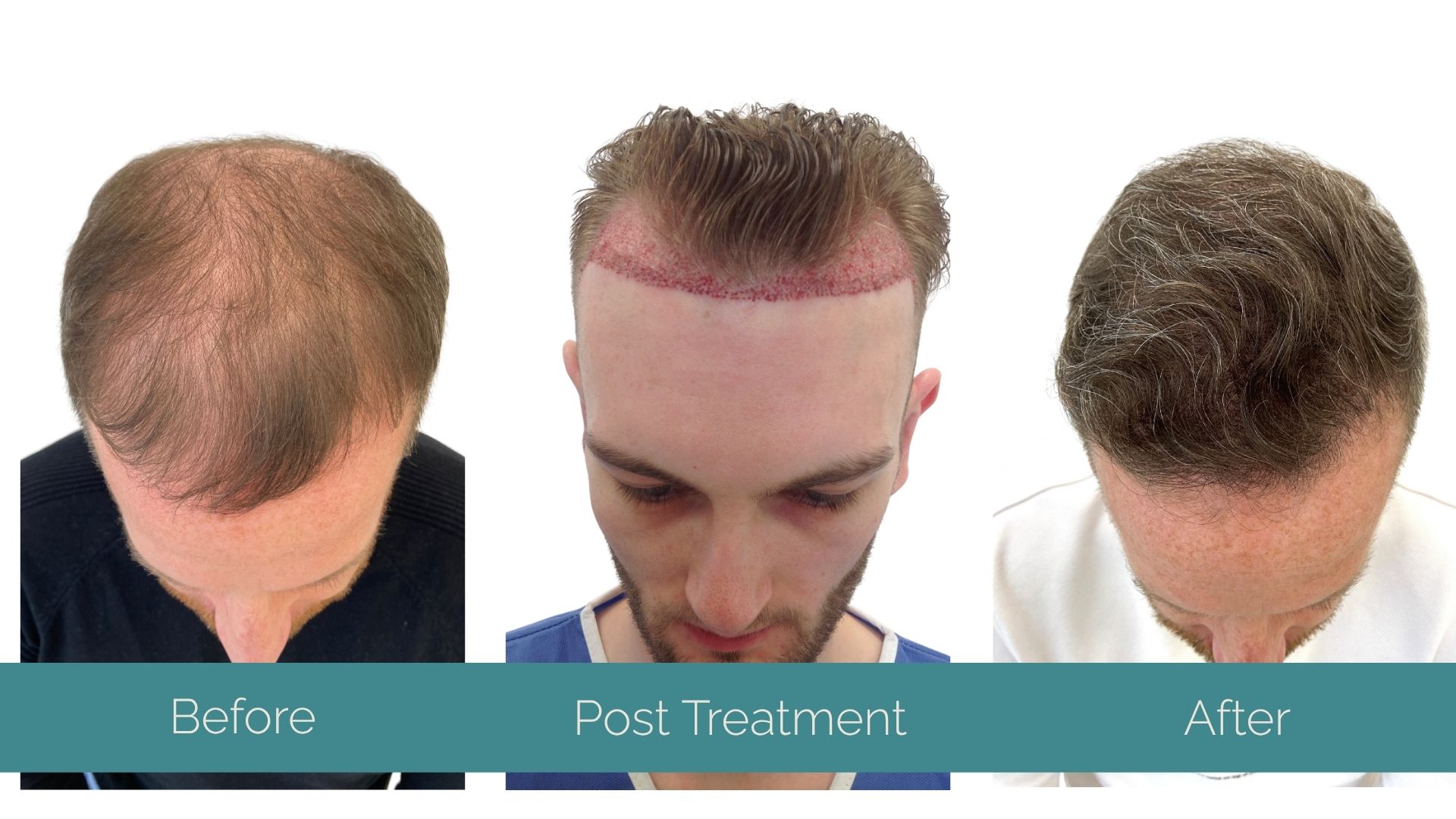
If there’s one place where “natural” is won or lost, it’s the front edge. Clinicians typically use single-hair follicular units right at the hairline to create a soft, feathered transition, avoiding that abrupt, helmet-like border.
Behind that, they gradually build density with larger grafts, layering coverage in a way that mimics how hair grows naturally.
Angle and direction matter just as much as placement: hairs at the front don’t stand upright like a brush – they usually sit flatter, following the forehead and the existing flow of your hair. Done well, it looks like you never lost it.
Blending with Existing Hair: The Underrated Challenge
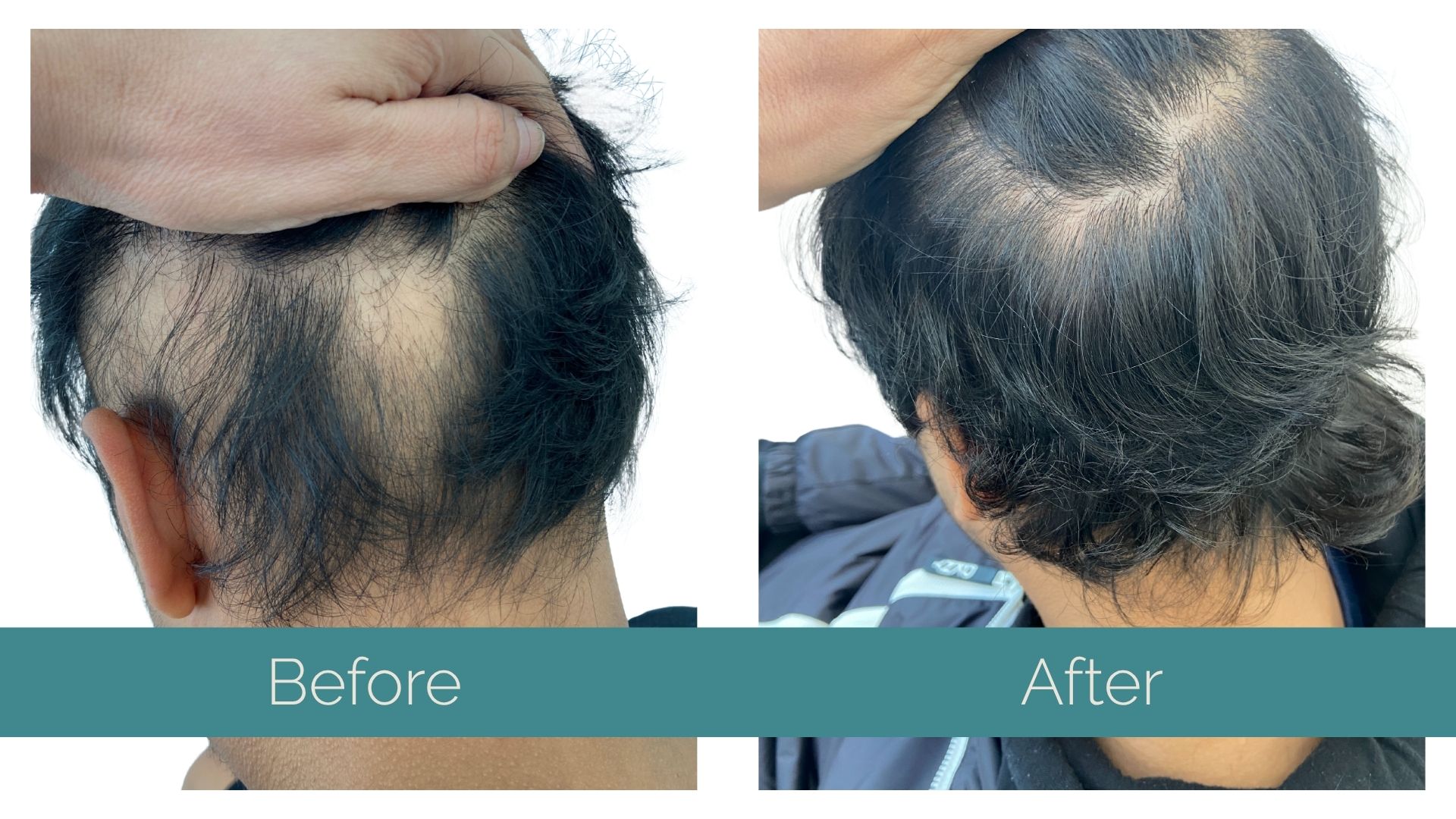
Not everyone arrives with a completely bare front. Many patients have thinning, miniaturised hairs that still exist but no longer behave like they used to. In those cases, blending becomes the mission: matching direction, spacing, and density so the new grafts don’t look like a separate “zone”.
This is also where realism matters. A hairline can be improved dramatically without being aggressively lowered, and often the most convincing restorations are the ones that simply restore balance – where friends think you look fresher, but can’t quite explain why.
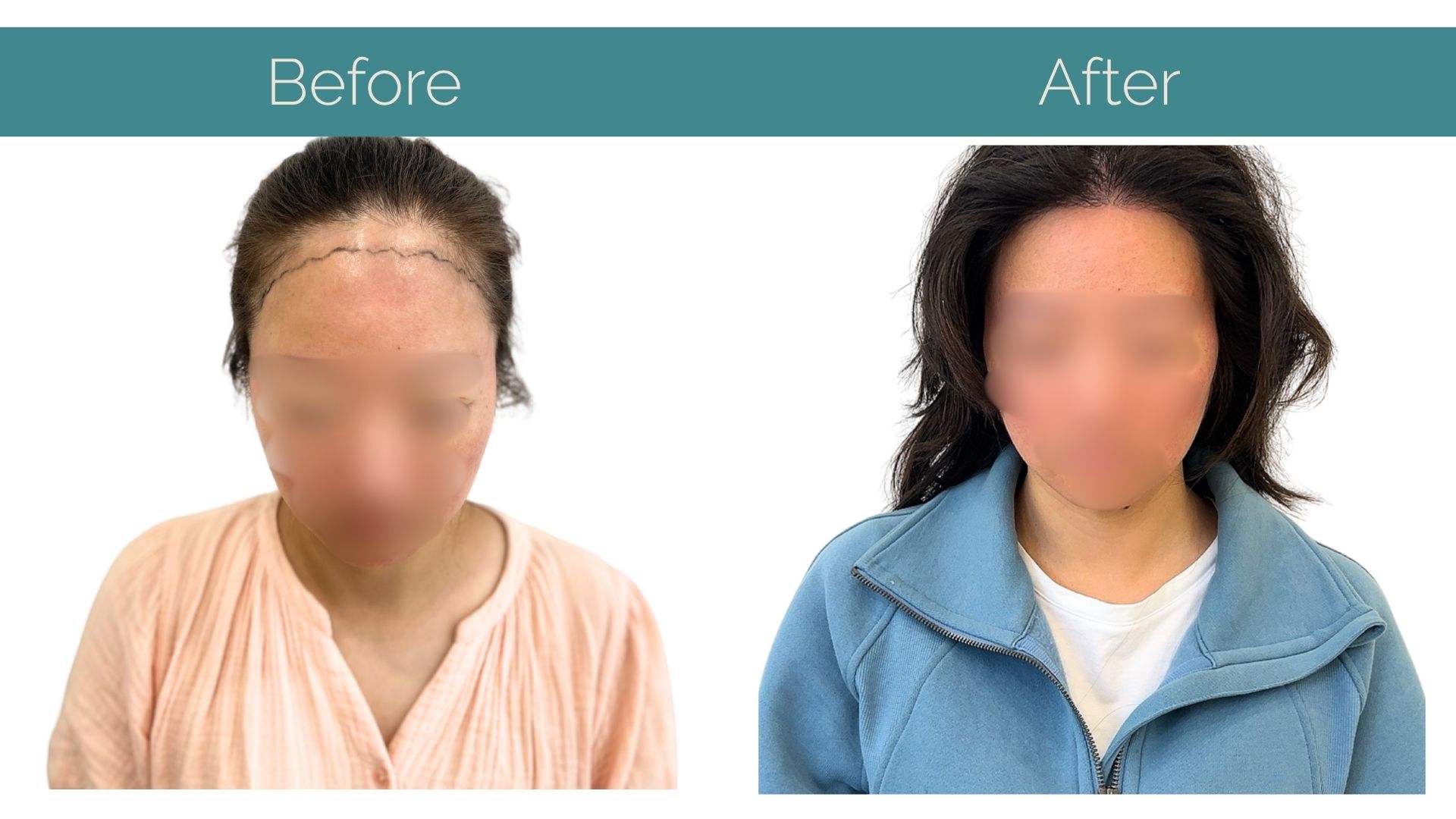
What Patients Can Do to Get a Better Result
The best outcomes tend to happen when patients communicate clearly and stay open to professional guidance.
Bringing reference photos can help, but the most useful references are ones that match your age, hair type, and general look – not a celebrity hairline taken under studio lighting. It’s also worth focusing on believability rather than perfection: nature doesn’t draw with a ruler.
Finally, choose a clinic that treats hairline design as a craft, not a template. Teams like those at IK Clinics often emphasise planning, proportion, and long-term suitability – because a hairline that looks right should still look right years down the line.
The Takeaway: Harmony Beats Hype
Choosing the right hairline for your face shape isn’t about copying someone else’s. It’s about restoring what fits you – your features, your hair characteristics, your age, and the life you’re going to live in that hairline.
The best designs don’t shout. They sit naturally, soften or sharpen where needed, and quietly return the face to balance. In the end, a great hairline doesn’t look “done”; it looks like it was always meant to be there.
About IK Clinics
At IK Clinics, we are proud to stay at the forefront of global hair restoration trends, offering a variety of advanced techniques to meet the diverse needs of our clients. From FUE, PRP to Stem Cell Therapy, we ensure that every client’s treatment is tailored to their personal goals, helping them regain not just their hair but also their confidence.
Interestingly, we don’t just stop at hair restoration treatments, our highly skilled team also offers a range of anti-aging treatments.