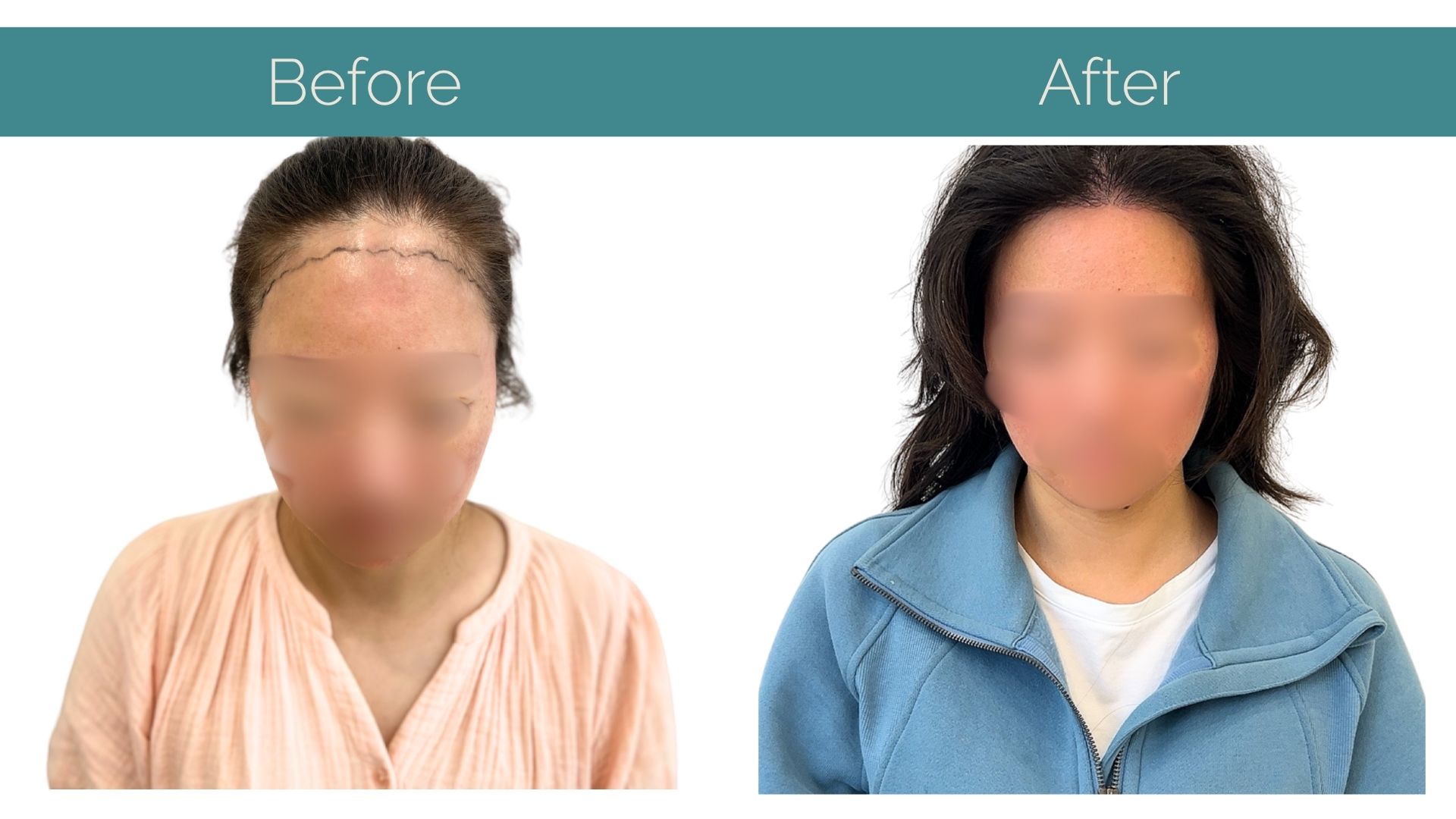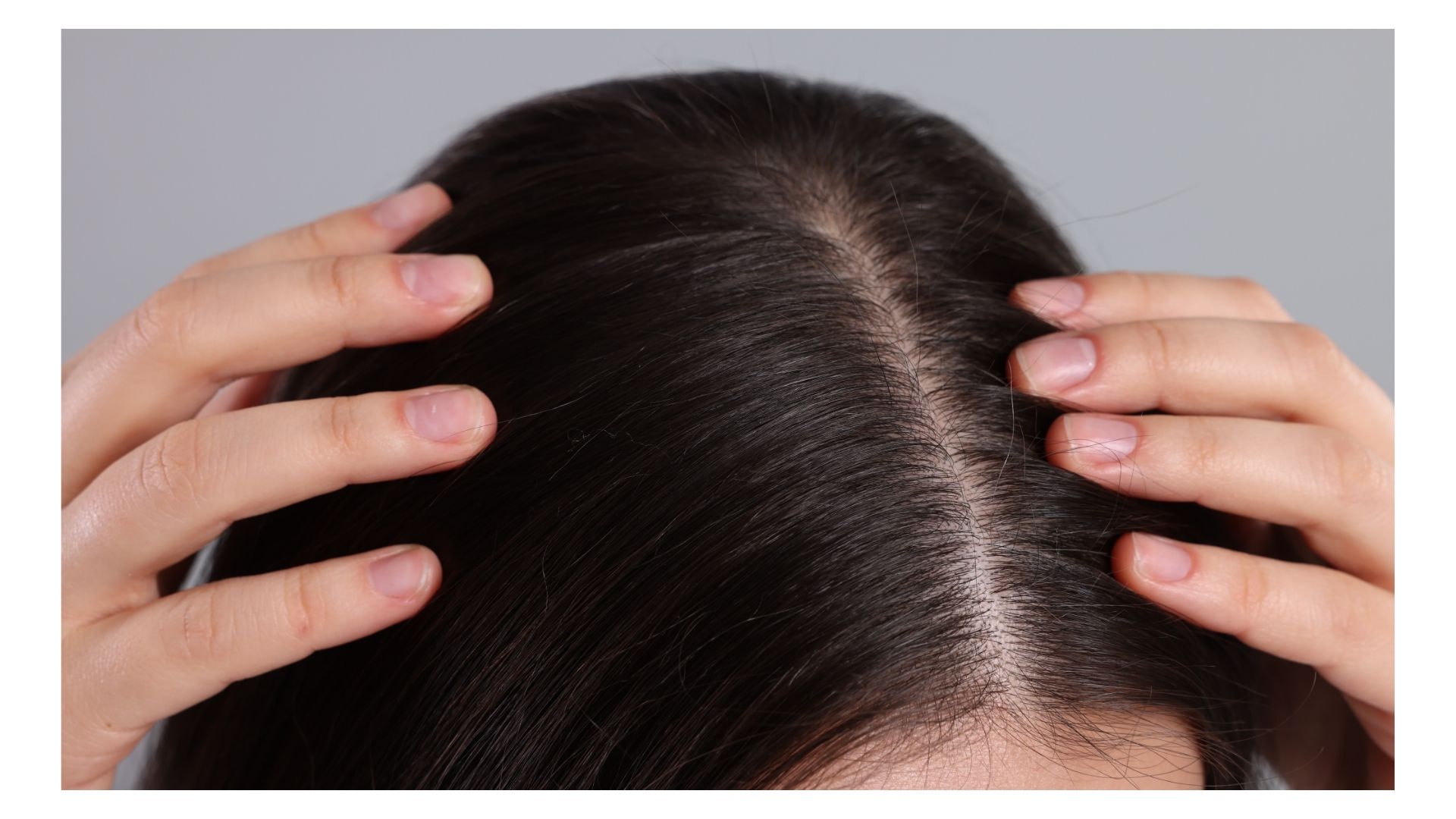
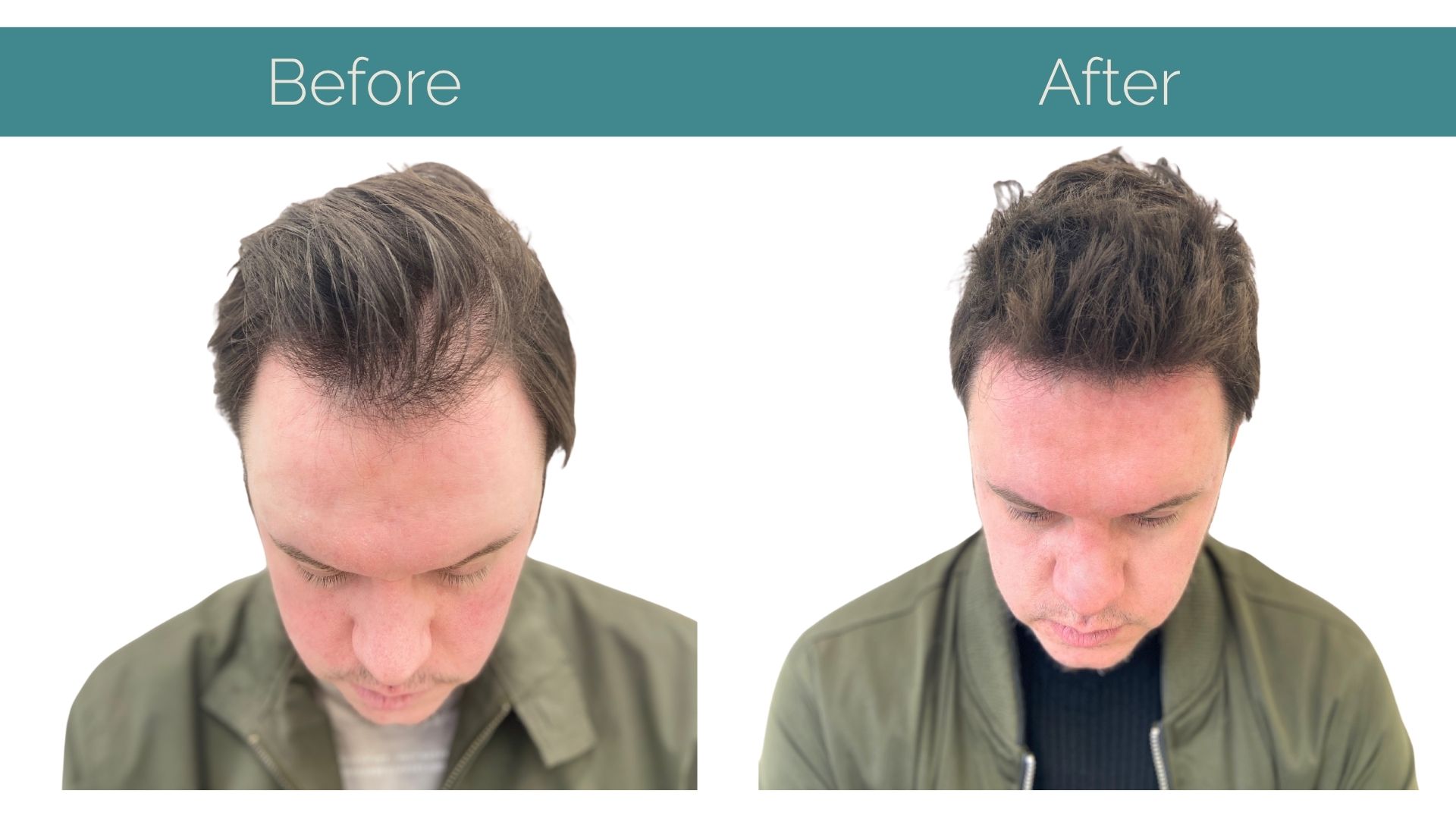
It’s not just curiosity – it’s a very practical concern. A transplant can be a meaningful investment of money, time, and emotion, and most people want to feel confident that they’re not signing up for something temporary.
The encouraging reality is that hair transplants are designed to deliver long-term results, but the most accurate answer sits in the details of how the procedure works and how hair loss behaves over time.
What a hair transplant actually does
A hair transplant doesn’t “invent” new hair. Instead, it relocates healthy hair follicles from one area of the scalp to another. The donor area is usually the back or sides of the head, because these regions tend to be more resistant to the typical patterns of hair loss seen in androgenetic alopecia.
Those follicles are moved into thinning areas, where they are carefully placed to recreate a natural hairline, restore density, or rebuild coverage where growth has slowed significantly.
Why transplanted hair is usually considered permanent
The reason transplants have a reputation for permanence is largely genetic. The follicles taken from the donor area are generally resistant to the hormone-related miniaturisation that drives male and female pattern hair loss.
Once those follicles are transplanted and properly established in their new location, they continue producing hair in much the same way they did before. In other words, you’re moving hair that is predisposed to last, which is why transplanted growth is often described as long-lasting or permanent.
The part people don’t always realise
While the transplanted follicles are typically here to stay, the hair around them may not be. A hair transplant doesn’t stop the underlying cause of hair loss, so your existing, non-transplanted hair can continue to thin with age or genetics.
This is where people sometimes feel confused years down the line. They may assume the transplant has “failed”, when in reality the transplanted hair is still growing – it’s the surrounding natural hair that has reduced, altering the overall look.
Long-term planning matters because the best results aren’t just about what you add, but how the whole head of hair will evolve.
What can influence how your results look over time
Timing can play a major role in long-term satisfaction. If someone has a transplant very early, before their hair loss pattern is clearer, they can be left with an outcome that looks uneven later as further thinning occurs behind or around the transplanted area.
This is why reputable clinics often want to understand whether hair loss has stabilised and what direction it’s likely to take, rather than rushing straight into a dramatic change.
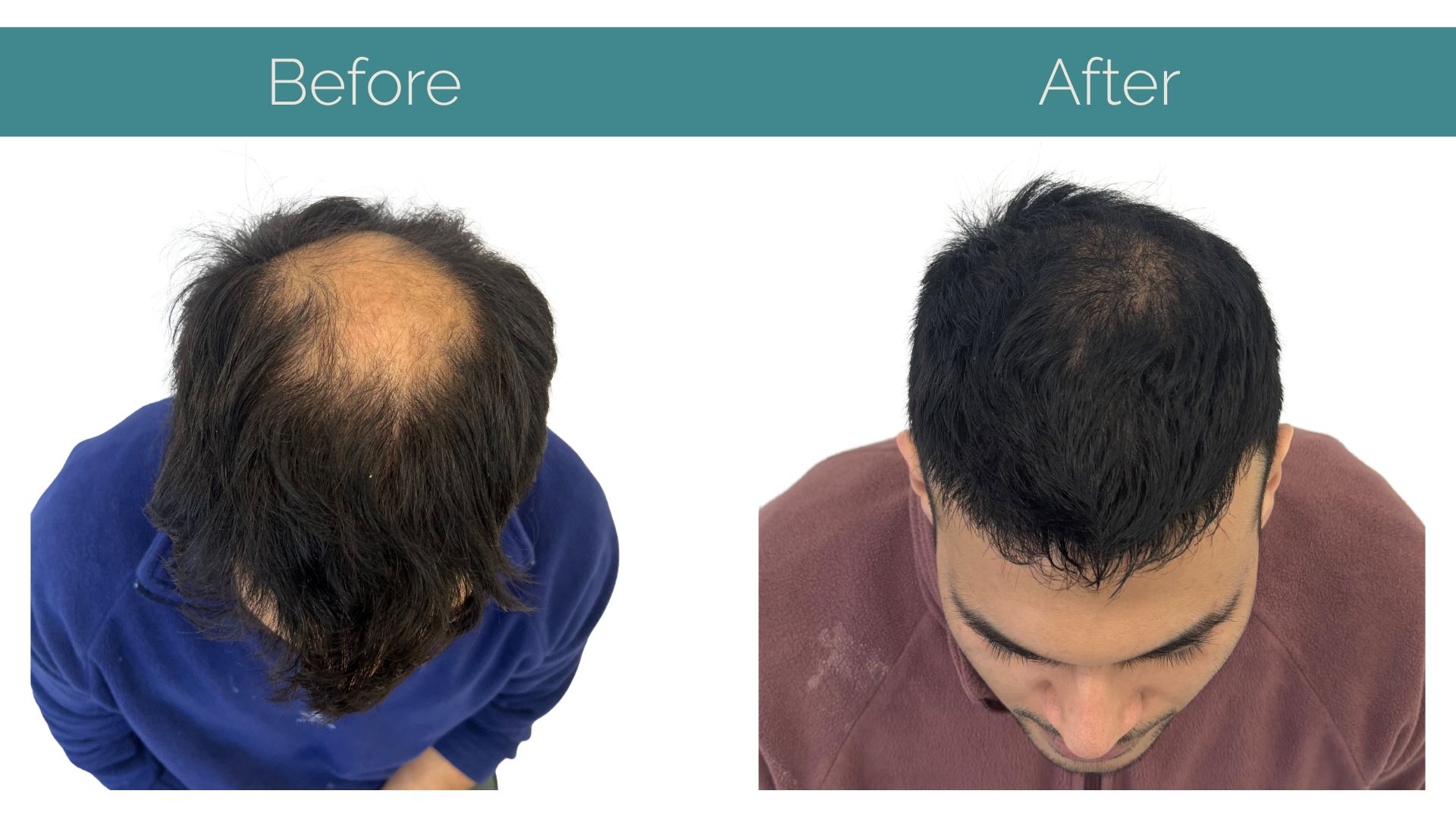
Surgeon technique matters more than most expect
A transplant can be technically “successful” but still not look right if the design and placement aren’t handled properly. Natural results depend on details like hairline shape, graft distribution, angle and direction of implantation, and realistic density planning.
Over time, a well-designed transplant tends to blend in and age naturally, while a poorly planned one can look obvious – not because transplants are inherently unnatural, but because the artistry and medical precision weren’t there from the start.
Maintenance isn’t about obsession – it’s about protecting the bigger picture
Aftercare in the early stage is crucial because it gives transplanted follicles the best chance to settle and thrive. That usually means following guidance closely during recovery, being gentle with the scalp, and avoiding habits that might disrupt healing.
Once recovery is complete, maintenance becomes less about “saving the grafts” and more about supporting overall hair health so the surrounding hair doesn’t thin faster than necessary.
The role of ongoing treatments
Many people choose, or are advised, to use supportive treatments such as minoxidil or finasteride to help preserve their existing hair. These options aren’t right for everyone, and suitability should always be discussed with a qualified professional, but they can be valuable in slowing down further thinning.
The goal isn’t to turn your life into a routine of products – it’s to protect the overall balance so the transplant continues to look harmonious as time passes.
Lifestyle still plays a part
Hair grows from the body you live in, so general health can influence the quality of your hair over time. Stress, sleep, nutrition, and certain medical or hormonal issues can affect scalp health and hair condition.
Smoking is another factor often mentioned in clinics because it can impact circulation, which matters for healing and follicle health. A transplant can give you a strong foundation, but good habits help that foundation look its best.
Clearing up the myths that still hang around
Hair transplants aren’t only for men. Women with certain patterns of thinning can also benefit, depending on the cause and the donor area quality.
It’s also no longer accurate to assume hair transplants look “fake”. Modern approaches can create extremely natural results, particularly when the hairline is designed thoughtfully and grafts are placed with careful attention to growth direction and density.
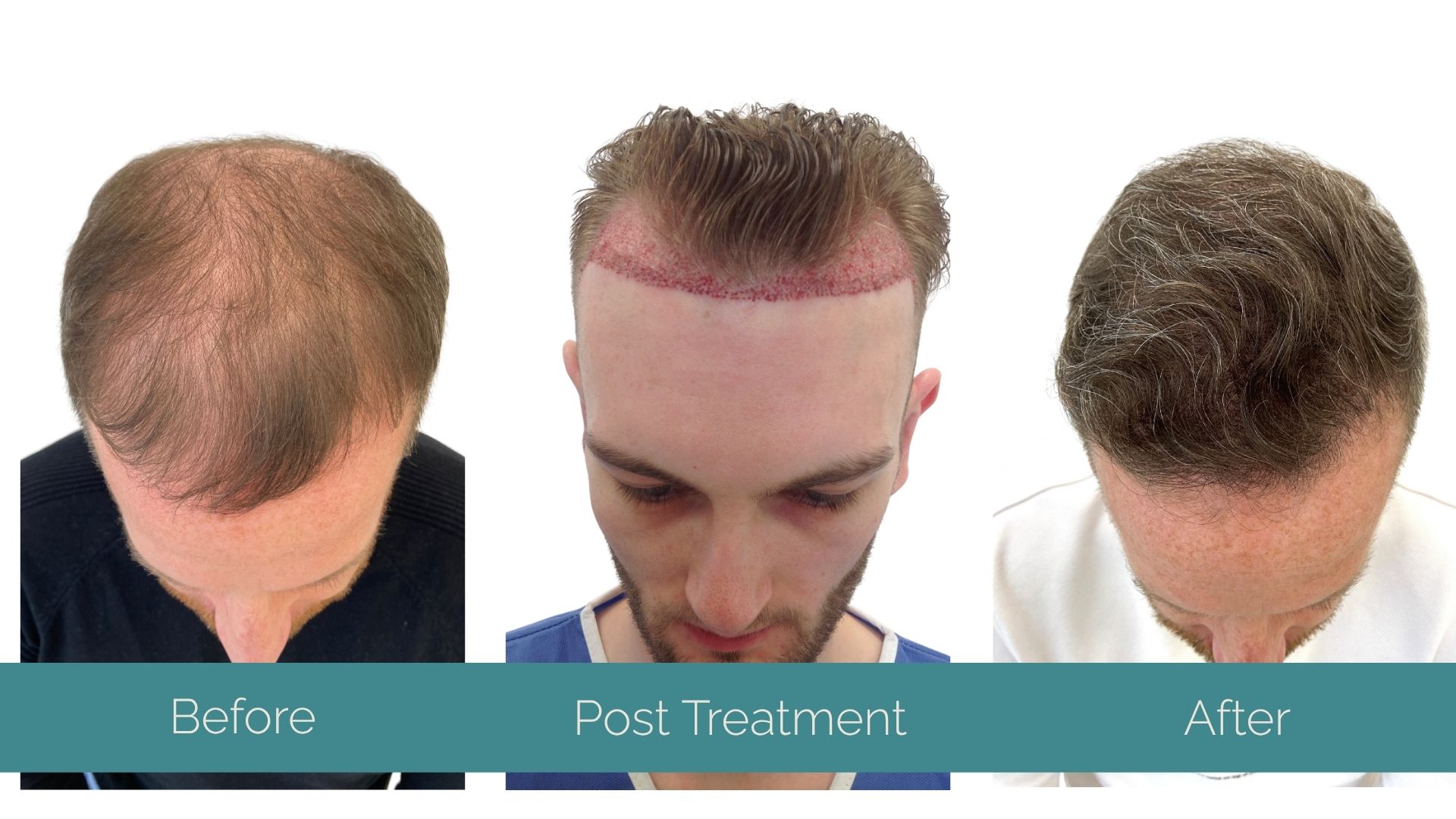
What long-lasting confidence really looks like
A good transplant should look natural not only in perfect lighting, but in everyday life – in photos, under bright bathroom lights, and when your hair is shorter or styled differently.
The best outcomes come from realistic expectations, strong medical guidance, and patience, because results take time to mature. Growth is gradual, and it’s normal for things to look uneven or change during the healing and regrowth phases before settling into a final look.
Conclusion
So, are hair transplants permanent? For most suitable candidates, the transplanted hair itself is designed to be long-lasting because it’s taken from areas that are genetically resistant to typical hair loss.
The more complete truth is that the surrounding natural hair can still thin, which is why long-term planning, good aftercare, and ongoing hair health support can make such a difference.
When approached properly, a hair transplant isn’t just a cosmetic change – it’s often a confidence shift that can hold up for years in a way that still looks like you.
About IK Clinics
We don’t just specialise in FUE, we also offer other hair restoration treatments, such as Stem Cell Therapy and Plasma Therapy (PRP). Additionally, we also provide a range of anti-aging treatments to help you achieve that ‘I feel good’ feeling.
Get in touch to find out more and book your consultation.