Not because hair is the centre of the universe, but because the thought usually carries years of small, accumulated feelings – avoiding harsh lighting, sidestepping photos, adjusting your angle without even noticing, and feeling like you’re constantly managing something in the background.
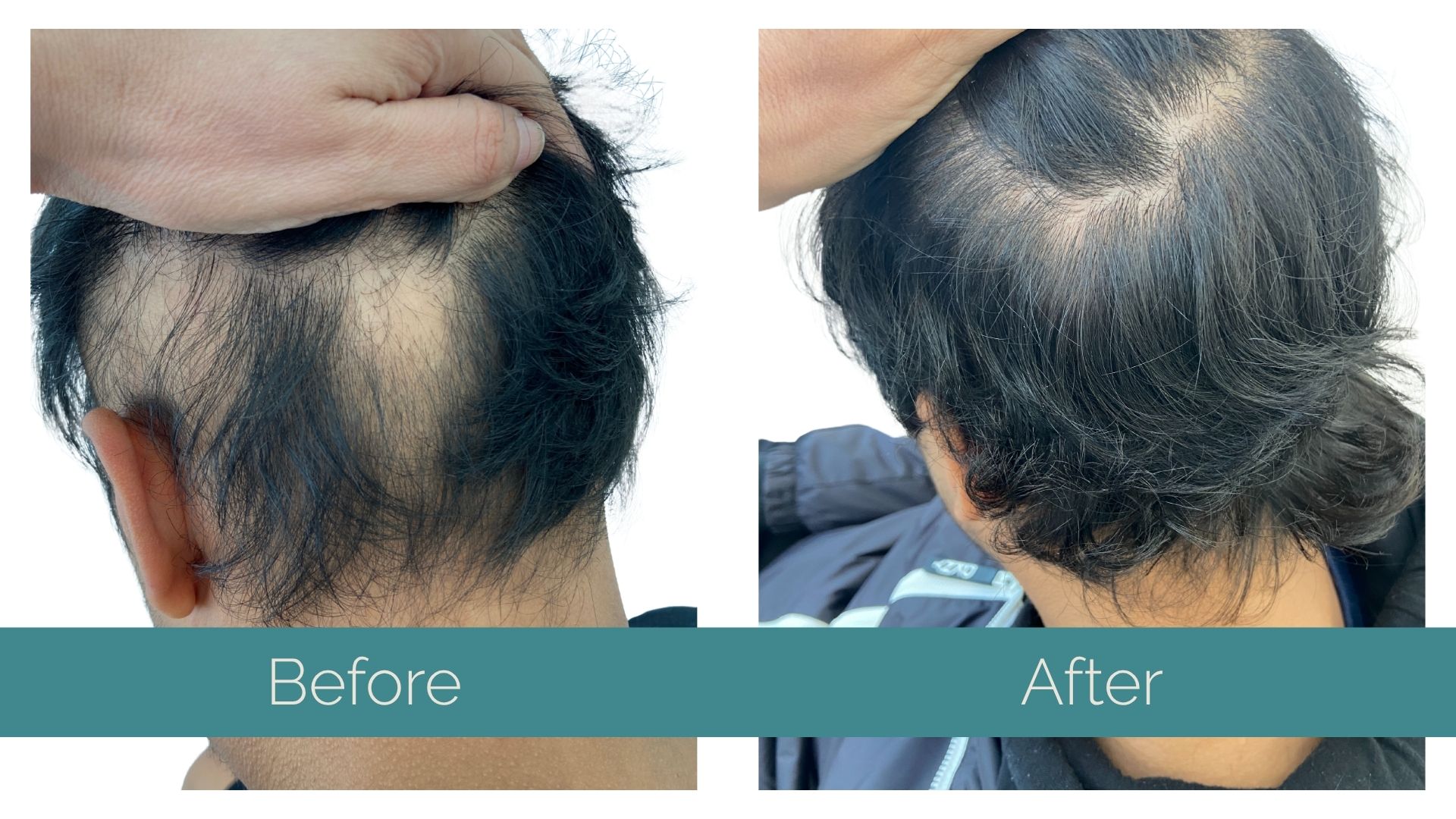
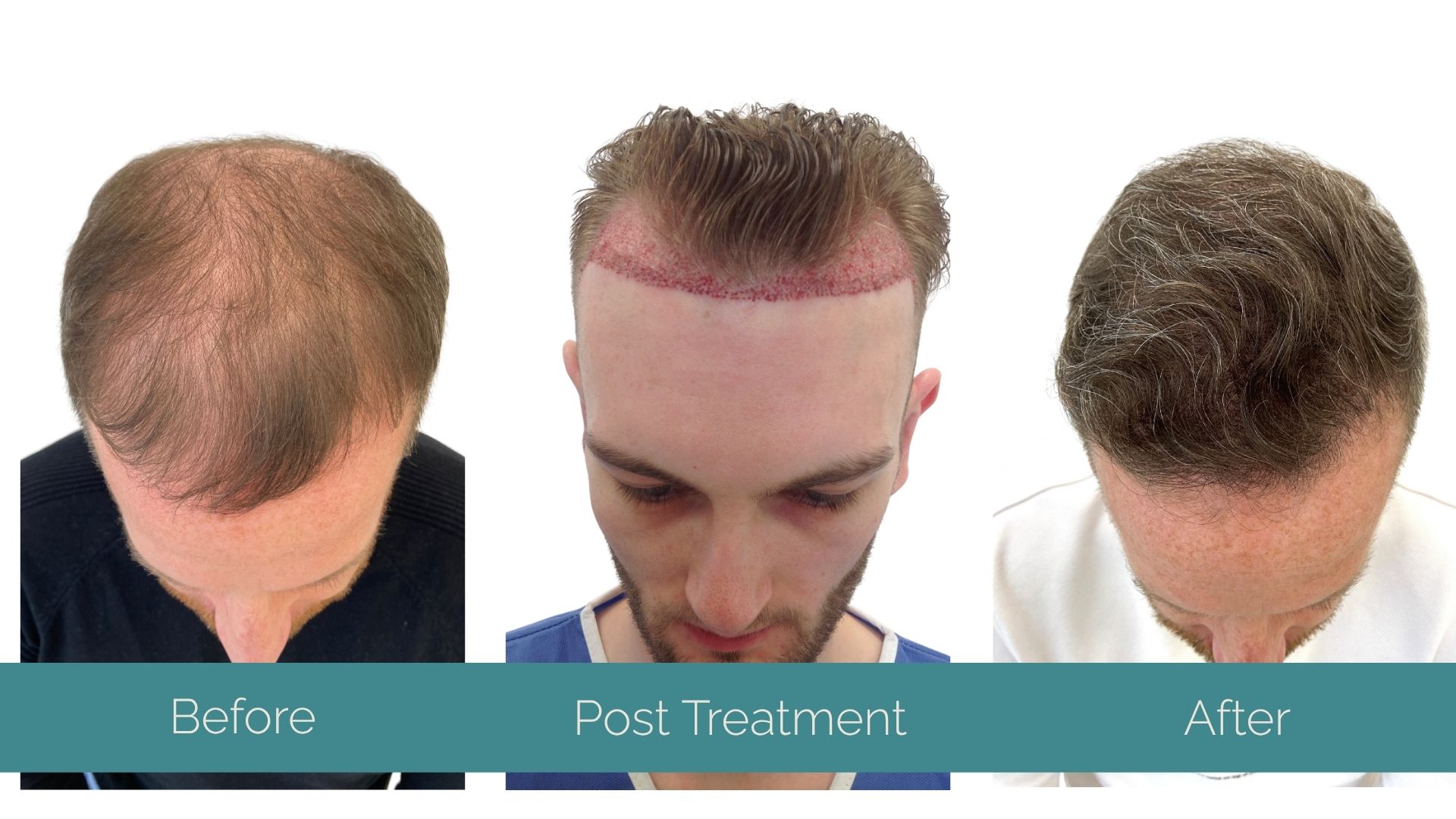
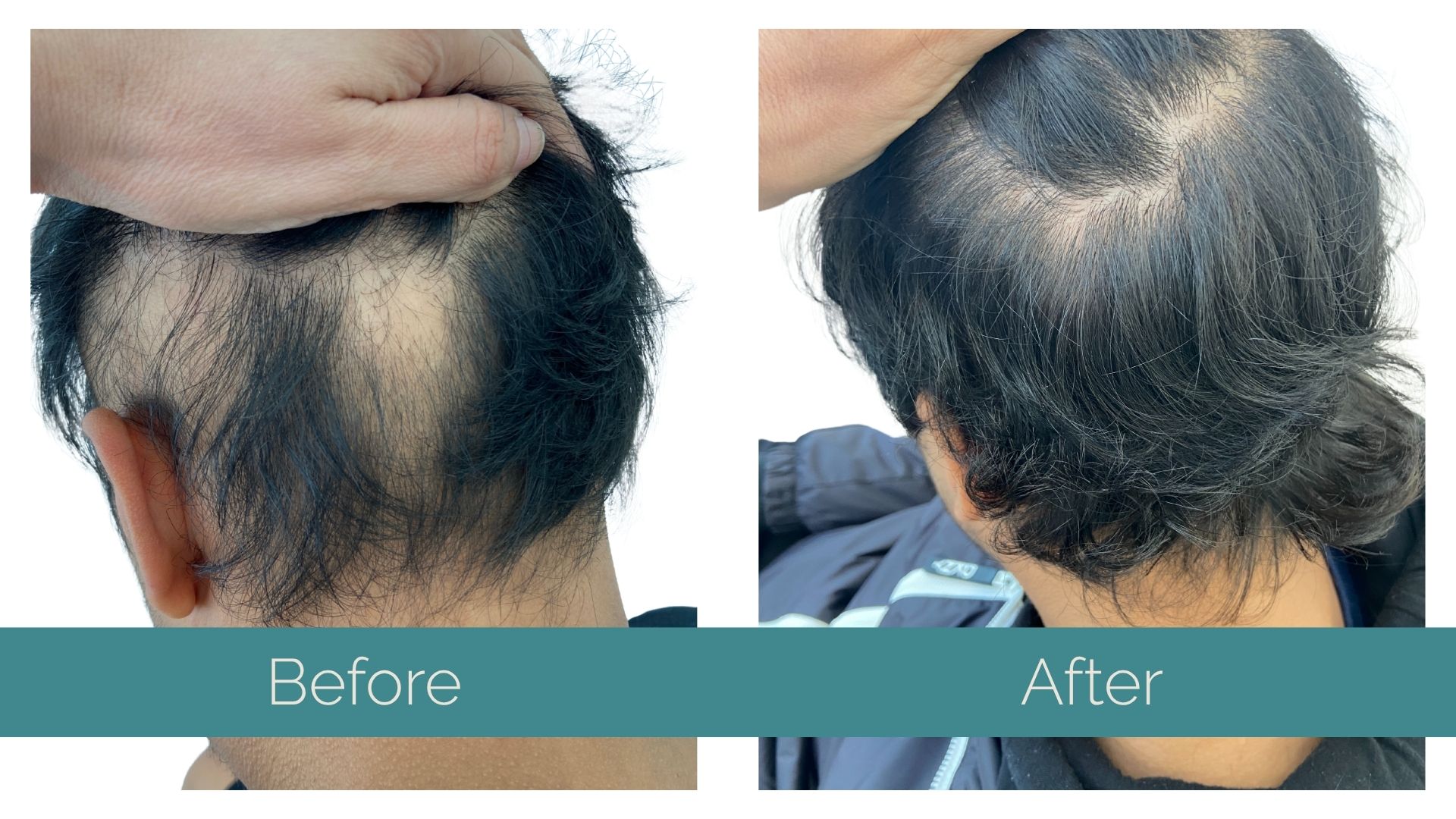
Hair restoration is often sold as a neat before-and-after. But for many people who actually go through it, it becomes something bigger: a turning point. Not a dramatic personality transplant, but a clear decision to start showing up again – for themselves, for their health, and for the life they want to feel more confident living.
Confidence isn’t vanity – it’s fuel
Hair loss can shape confidence in ways that are subtle but persistent. It can influence how freely you socialise, how you feel at work, and how often you put yourself forward without overthinking.
Even if everything else is going fine, there can be a background sense of holding back – as if you’re trying not to draw attention to the one thing you’d rather not discuss.
When hair restoration begins to reverse that feeling, many people describe gaining something more valuable than hair: mental space. It isn’t only about liking what you see in the mirror. It’s about feeling less distracted by insecurity.
And once that weight lifts, confidence often spreads – because confidence changes behaviour. It makes you more likely to take the meeting, book the holiday, go on the date, or simply walk into a room without scanning for the best light.
The body follows the mind: fitness as a natural next step
It’s surprisingly common for people to become more interested in fitness during or after hair restoration. Not because there’s a rule that says you must, but because momentum travels.
When you invest in yourself in one way, it becomes easier to invest in yourself in another. You start thinking, “If I’m taking this step, what else have I been putting off?”
Fitness doesn’t have to mean extremes. In fact, the best routines are usually the most repeatable ones. Walking, light strength training, swimming, yoga, cycling – it all counts, and it all builds consistency.
The mental benefits are just as important as the physical ones: movement helps regulate stress, improves sleep, and boosts mood. When you feel stronger in your body, you often feel steadier in your mind, and that creates a positive feedback loop that supports your wider transformation.
Food: the unglamorous secret behind the glow-up
If confidence is the spark, nutrition is often the foundation that keeps things steady. Hair health is influenced by the body’s overall condition, and that means what you eat matters – not in a perfectionist way, but in a practical “support the system” kind of way.
Many people notice that once they commit to hair restoration, they start paying more attention to energy levels, cravings, sleep, and how certain foods affect their skin and mood.
A balanced diet that includes enough protein, healthy fats, and nutrient-rich foods can support overall vitality. Hydration matters more than most people realise too; when you’re dehydrated, it shows up everywhere – energy, skin, scalp comfort, and that general “I don’t feel my best” fog.
The goal isn’t to become strict or obsessive. The goal is to build a way of eating that helps you feel more stable, more energised, and more capable of sticking to the habits that make you feel good.

Grooming becomes a form of self-respect
Hair restoration can shift grooming from something you do to “manage” your appearance into something you do to express yourself.
With a fuller head of hair, you can make choices rather than compromises. You’re no longer styling to hide. You’re styling because you can. That change – from concealment to control – is often more emotional than people expect.
This is also a great time to simplify your routine so it supports healthy results. Gentle, scalp-friendly products, consistent care, and regular trims help the hair look intentional as it grows.
And for many, grooming expands beyond hair into the wider “feeling put together” experience – skincare, facial hair, even small details like posture and presentation. It’s not about perfection. It’s about sending yourself a daily signal: you’re worth looking after.
Mental wellbeing: the part nobody posts about
Hair loss can create quiet anxious habits without you realising it. You might compare yourself more often, assume people notice more than they do, or avoid situations that make you feel exposed.
Over time, those patterns can shrink confidence and make you feel less present, even when everything else in life is going well. Hair restoration can lift a lot of that weight – but it’s still a journey, and the emotional side matters just as much as the physical changes.
That’s why it helps to support the mind while the external shift is happening. Simple habits like short phone-free walks, mindfulness, journalling, or talking openly with someone you trust can keep you grounded.
Progress isn’t always linear. There can be in-between stages where patience is needed, and having tools to manage stress and expectations makes it easier to enjoy the process rather than obsess over timelines.
Style and self-expression: the “new chapter” effect
There’s a reason people often refresh their style after hair restoration. It’s not only about the hair looking better – it’s about identity.
When you feel more confident, you stop dressing defensively. You stop choosing outfits purely because they feel safe or distract from what you’re worried about. You start wearing clothes because you actually like them, and that changes the way you carry yourself.
The best part is you don’t need a full reinvention. A few upgrades that fit well and feel intentional can shift everything – sharper basics, a great jacket, clean shoes, accessories that feel personal.
Style becomes less about impressing other people and more about aligning your outside with how you want to feel inside. It’s a subtle form of confidence-building that shows up daily, without effort.
Designing the full transformation, one steady habit at a time
The real power of hair restoration is how it can act like a keystone decision – one change that makes other positive changes easier.
The goal isn’t to overhaul your entire life overnight. The goal is to choose a few supportive habits and keep them moving in the same direction, so your confidence has something solid underneath it.
That might look like consistent movement, better food choices most of the time, grooming that feels intentional, mental habits that keep you steady, and style choices that reflect your next chapter.
Small steps compound. And when they do, you’ll notice results that go far beyond hair: more energy, more comfort in photos, more ease in social settings, and a stronger sense of “I’m back.”
Final thoughts: it was never only about the hairline
Hair restoration can absolutely be about hair – and there’s nothing shallow about wanting to feel like yourself again.
But for many, the deeper value is what it unlocks: momentum, self-belief, and a healthier relationship with their reflection and routines. It becomes proof that change is possible – not just aesthetically, but emotionally and behaviourally too.
If you’re considering hair restoration, it helps to view it as part of a wider journey rather than a standalone fix. When you pair it with supportive habits, the result isn’t just a new look – it’s a new way of showing up. And for a lot of people, that’s the real transformation: not simply what they see in the mirror, but how confidently they step into the rest of their life.
About IK Clinics
At IK Clinics, we are proud to stay at the forefront of global hair restoration trends, offering a variety of advanced techniques to meet the diverse needs of our clients. From FUE, PRP to Stem Cell Therapy, we ensure that every client’s treatment is tailored to their personal goals, helping them regain not just their hair but also their confidence.
Interestingly, we don’t just stop at hair restoration treatments, our highly skilled team also offers a range of anti-aging treatments.