
Look closely at a childhood photo, then glance in the mirror. The difference isn’t just “getting older” in a vague, philosophical sense. It’s biology, chemistry, and years of tiny daily exposures adding up.
Skin is a living organ, constantly rebuilding itself, defending you, and adapting to the world. Over time, that workload leaves signatures: fine lines, texture changes, uneven tone, and a gradual softening of firmness.
Ageing is inevitable. Premature ageing is often negotiable. Understanding the difference is where the science becomes genuinely useful, because it turns confusion into clarity and guesswork into strategy.
The Engine Room: Collagen, Elastin and the Scaffolding Effect
If youthful skin feels “bouncy,” that’s largely down to collagen and elastin.
Collagen is the structural support, like scaffolding in a building. Elastin is the spring, letting skin snap back after movement. From early adulthood, the body gradually produces less of both, and the fibres you do have become more disorganised and fragmented.
The result is skin that is thinner, less resilient, and more easily creased.
This is why expression lines can start as “dynamic” (only visible when you smile or frown) and later become etched in at rest. It’s not that your face suddenly changed overnight. It’s that the support system underneath is slowly losing density and strength.
Slower Turnover: Why Skin Loses Its “Glow”
One of the most overlooked changes with age is speed. Younger skin turns over quickly, shedding old cells and replacing them with fresh ones at a brisk pace.
As the years pass, that renewal cycle slows. Dead skin cells can hang around longer, creating dullness, roughness, and uneven texture. Pores may appear more noticeable, not necessarily because they’ve “opened,” but because surrounding skin isn’t as taut and reflective.
Slower turnover also affects how skin recovers. A spot, a mark, a patch of irritation, or a bit of dryness can linger longer than it once did. The skin isn’t being dramatic. It’s simply operating with a different timetable.
Hydration Changes: The Quiet Shift Behind Fine Lines
Dryness isn’t just a winter problem. With age, the skin’s ability to hold onto water declines as natural oils and molecules such as hyaluronic acid decrease. Think of hyaluronic acid as a moisture magnet. When levels dip, skin can feel tighter, look less plump, and show fine lines more easily, especially around the eyes and mouth.
Hydration is also linked to barrier function. When the skin barrier is compromised, it loses water faster and becomes more sensitive. That’s why mature skin can swing between feeling dry, reactive, and occasionally inflamed, even if it was once easy-going.
The Outside World: Sunlight, Pollution and Lifestyle
Chronological ageing is what the calendar does. Environmental ageing is what life does.
UV exposure is a major driver, because it penetrates skin and damages collagen and elastin over time. This is where “photoageing” comes in: lines, laxity, rough texture, and pigmentation that appear earlier or more intensely than expected for someone’s age.
Pollution can add oxidative stress, which contributes to inflammation and uneven tone. Smoking is particularly harsh, reducing blood flow and oxygen delivery while accelerating collagen breakdown.
Stress and poor sleep can influence hormones and inflammation too, often showing up as dullness, sensitivity, or slower healing.
The Telltale Signs: What You’re Actually Seeing
The classic signs tend to arrive in layers. Fine lines first, typically around the eyes, forehead, and mouth. Then texture changes, with skin feeling less smooth.
Over time, volume changes become more apparent. Cheeks may look less full, and the face can seem to “drop” slightly as support structures weaken and gravity becomes more obvious.
Pigmentation is another frequent storyline. Years of sun exposure can lead to visible clusters of melanin, creating age spots and uneven tone. Meanwhile, thinning skin can bruise more easily, and minor knocks may leave marks that take longer to fade.
The Modern Toolkit: What Treatments Can and Can’t Do
The best results usually come from matching the solution to the problem. If the main issue is dryness and texture, a strong skincare routine can make a visible difference.
Ingredients like retinoids support cell turnover and help stimulate collagen over time. Vitamin C helps defend against environmental stress and can brighten uneven tone. Hyaluronic acid boosts hydration and can soften the look of fine lines by improving plumpness.
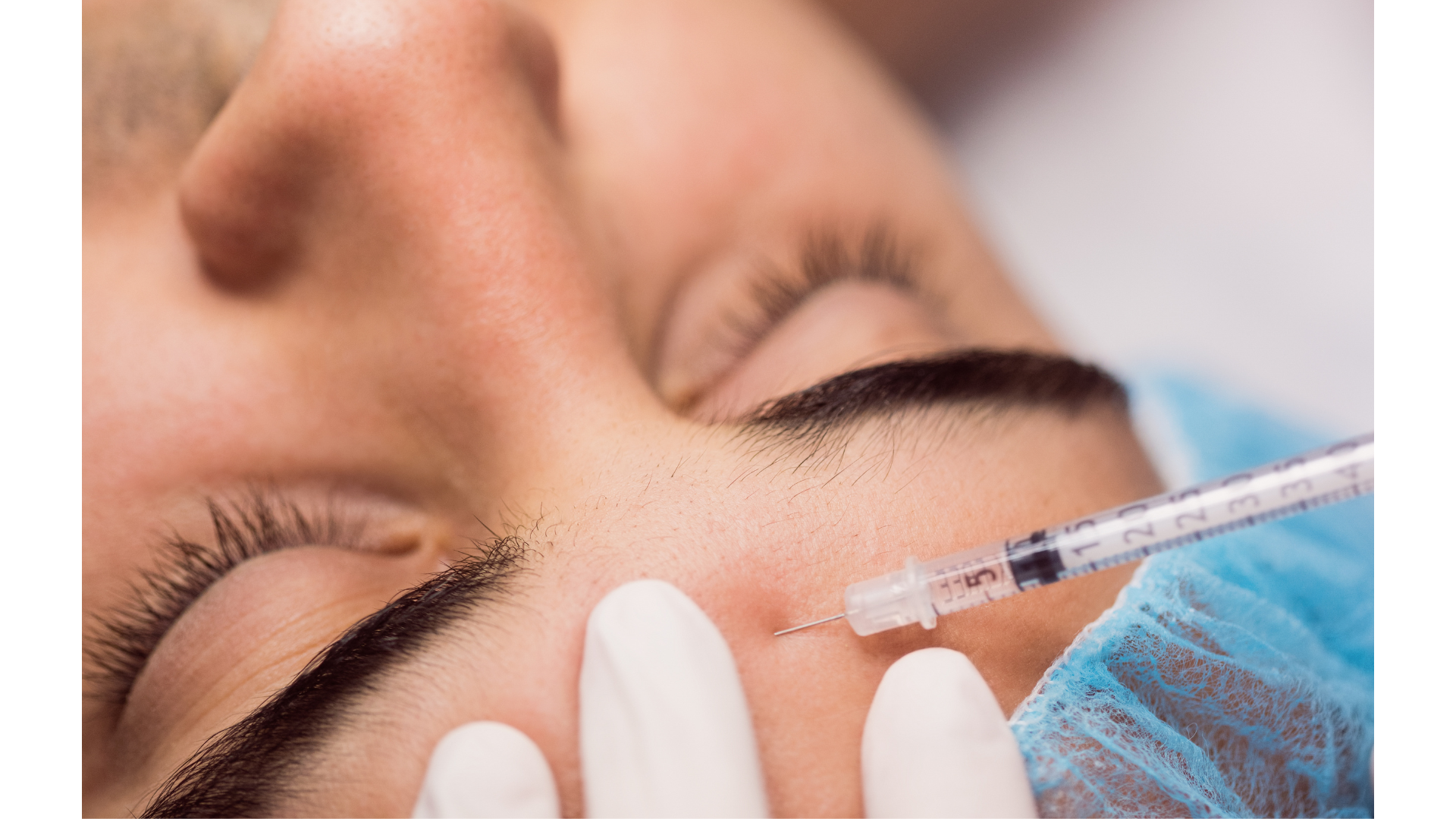
Injectables address different concerns. Botulinum toxin treatments reduce the look of dynamic wrinkles by relaxing specific muscles. Dermal fillers restore volume where it has diminished, often around cheeks and the lower face, helping re-balance proportions.
Then there are treatments that focus on texture and tone, such as chemical peels, microneedling, and laser therapies, which can improve pigmentation, refine surface irregularities, and encourage collagen rebuilding.
Surgical options, including facelifts and eyelid surgery, tend to be chosen when skin laxity and structural changes are more pronounced. Surgery can reposition and tighten in ways non-surgical treatments cannot, but it comes with greater downtime and is a more significant decision.
The most sensible approach is the one that fits your goals, your comfort level, and your expectations.
Prevention: The Boring Advice That Actually Works
If there’s one habit that consistently pays off, it’s daily sun protection. UV damage is cumulative, and prevention is far easier than correction.
Hydration matters too: drinking water helps overall function, while a moisturiser supports the skin barrier and reduces water loss. Nutrition plays a role, particularly diets rich in colourful fruits and vegetables that supply antioxidants.
Avoiding smoking, managing stress, and prioritising sleep aren’t just “wellness” slogans. They affect circulation, inflammation, and recovery, all of which show up on the skin sooner or later.
Final Word: Ageing, But With Agency
Skin ageing isn’t one single event. It’s a long, gradual series of biological shifts, mixed with environmental wear and tear. The empowering part is that understanding the process gives you options.
Some people want to soften a few lines and keep things simple. Others want a more noticeable reset through clinical treatments. Both are valid.
Either way, the goal isn’t to “fight” ageing like it’s a personal failure. It’s to care for your skin intelligently, so it stays healthy, comfortable, and vibrant as you move through life.
About IK Clinics
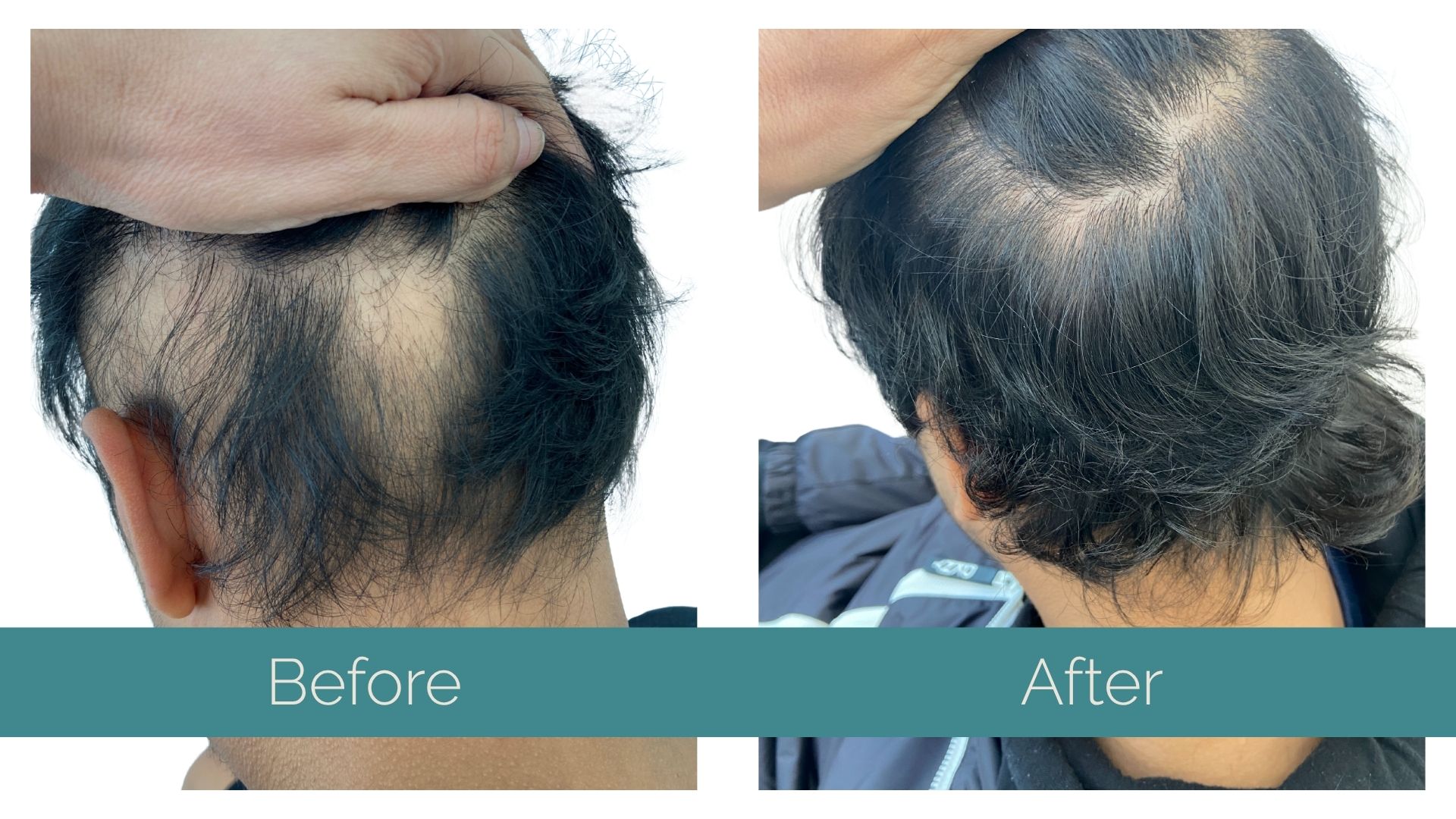
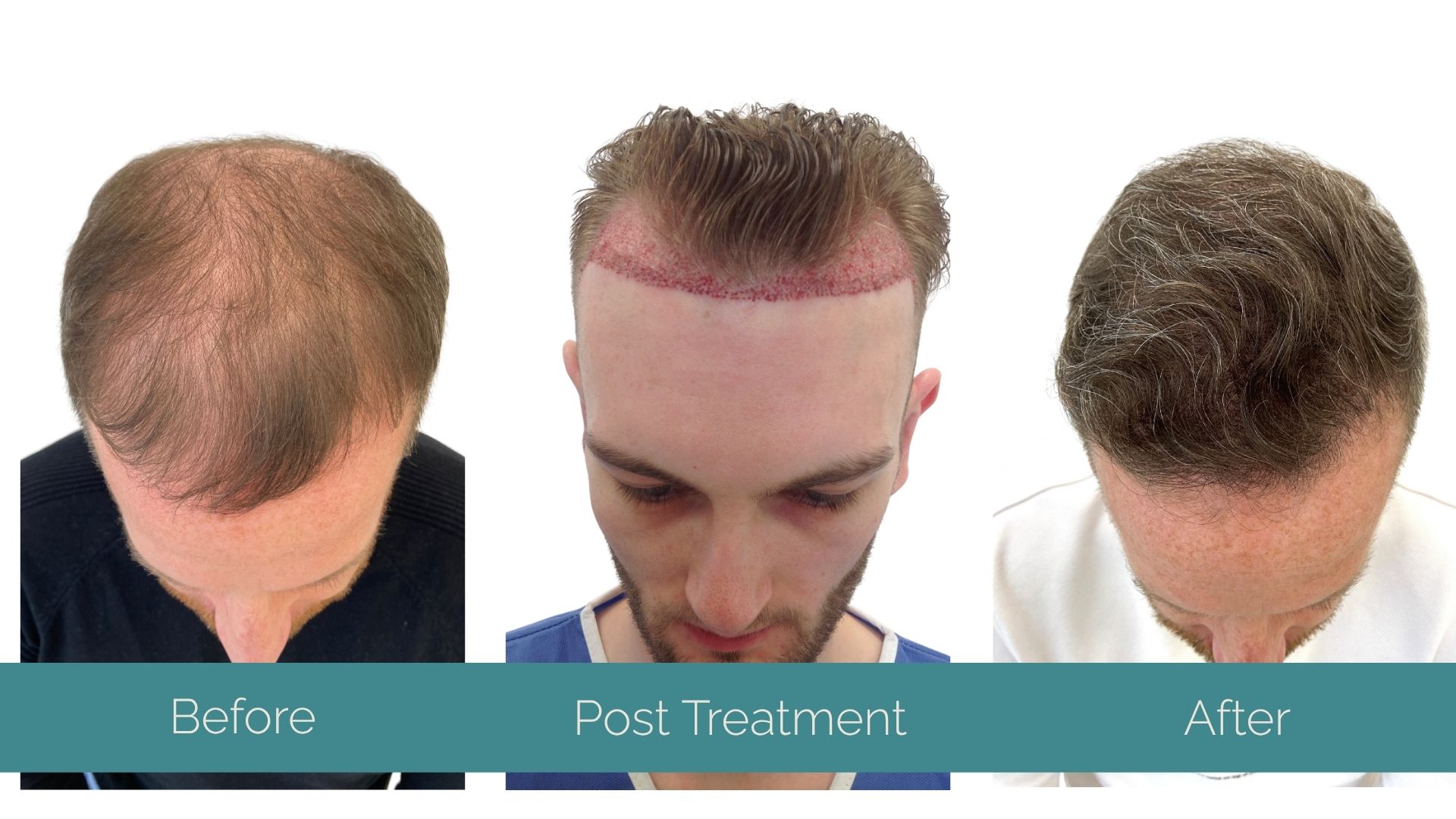
We don’t just offer a range of anti-aging treatments, we also specialise in FUE, while also offering other hair restoration treatments, such as Stem Cell Therapy and Plasma Therapy (PRP) to help you achieve that ‘I feel good’ feeling.
Get in touch to find out more and book your consultation.