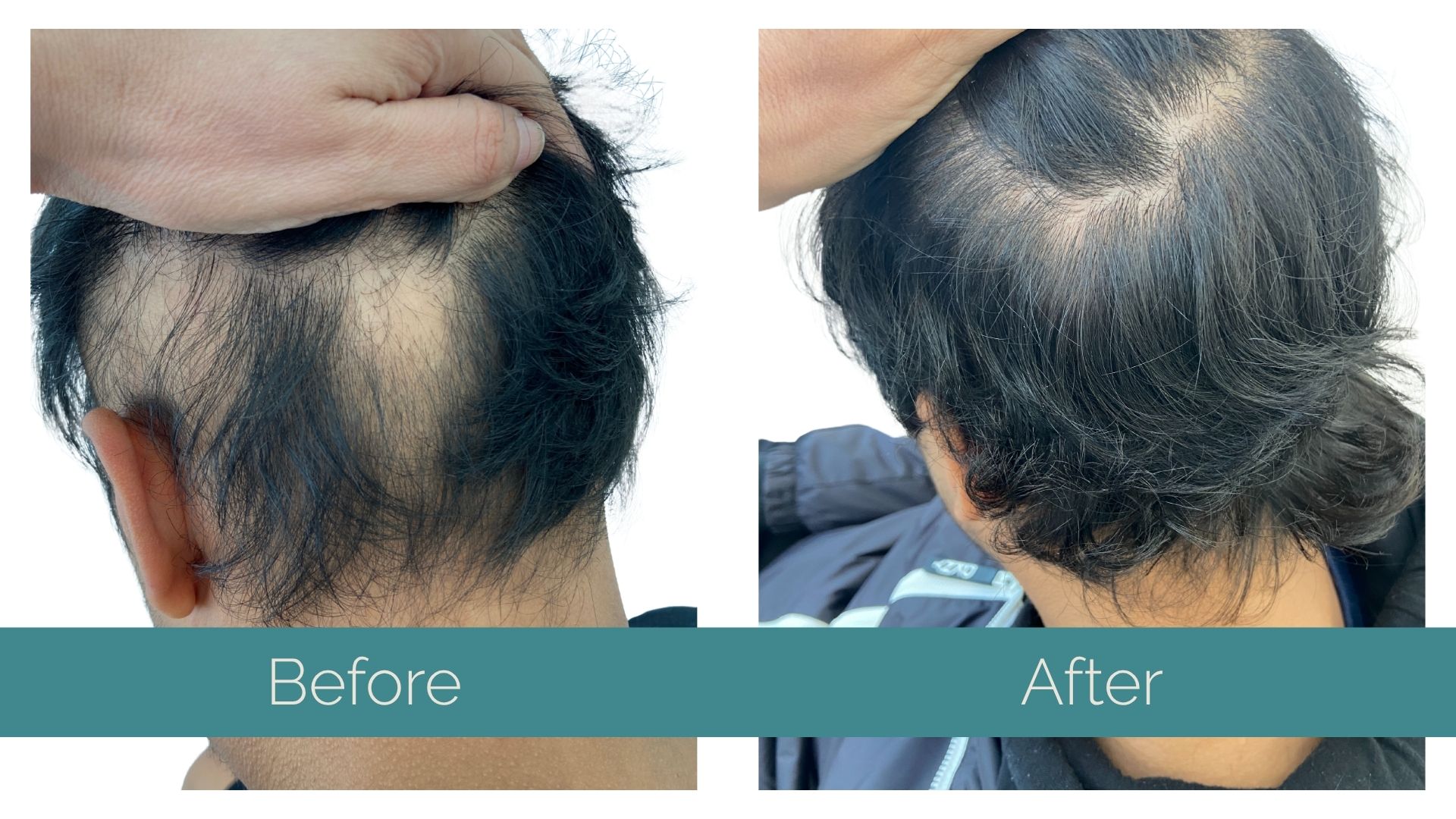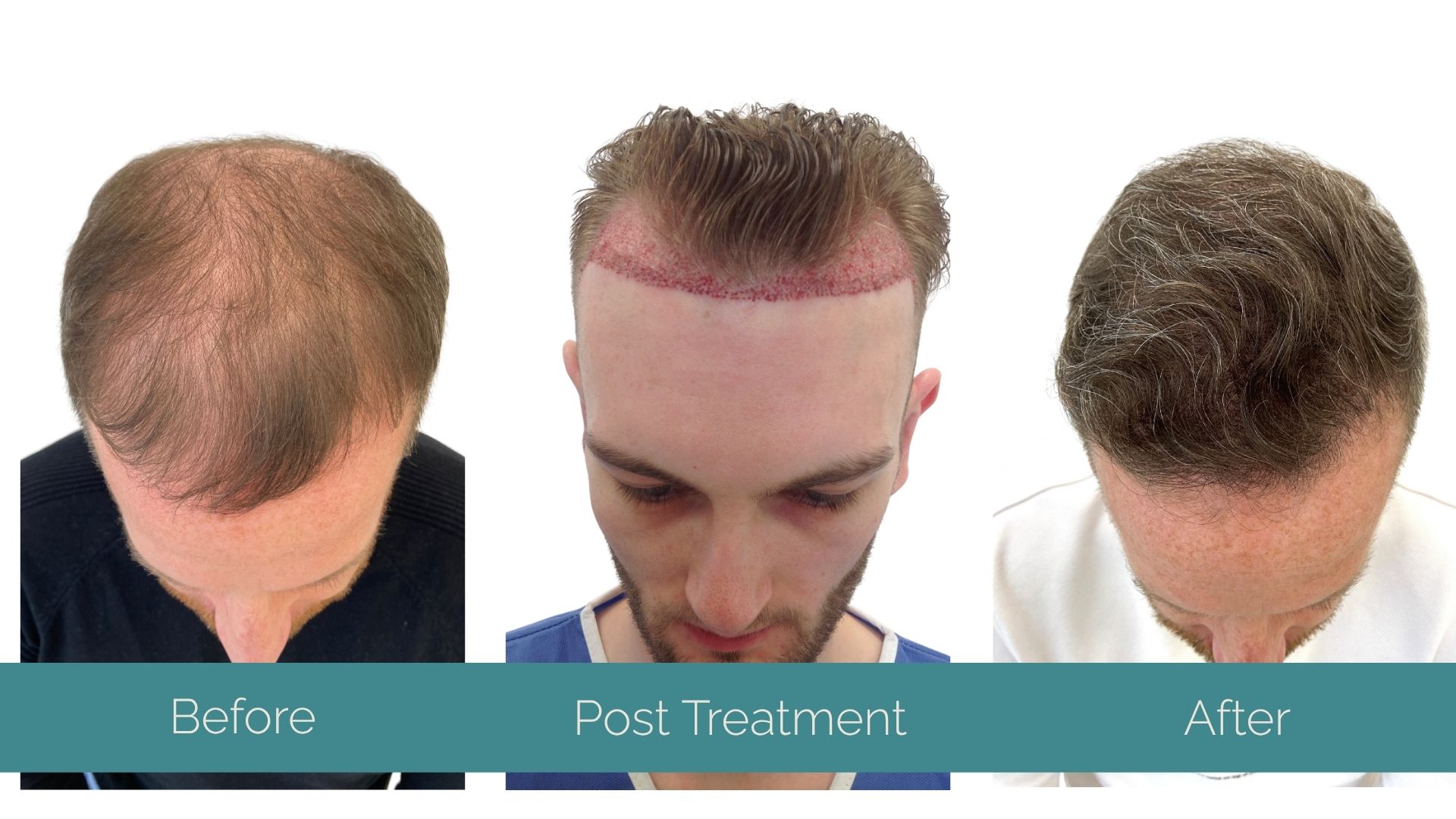

Now, clinics are seeing a different kind of appointment booking: people in their twenties and thirties turning up not to “fix” a crisis, but to protect what they already have.
It is less a last resort and more a form of maintenance, shaped by a generation that is comfortable investing early in health, appearance, and confidence.
A Quiet Change You Can Actually Measure
Younger clients often describe the same moment of realisation: nothing dramatic, just a nagging sense that something has shifted. A hairline looks slightly higher in photos than it did a year ago. A parting seems a bit more visible in bright indoor lighting. A shower drain feels busier than usual.
These are subtle clues, but they are exactly the type of clues that prevention-minded people respond to, because they understand that small changes can become bigger ones when left alone.
Social Media Didn’t Create Hair Loss, But It Did Create Awareness
It is hard to ignore how much modern life puts hair under a spotlight. High-definition cameras, video calls, and constant photos have made people more tuned in to their own appearance, for better or worse.
At the same time, social media has normalised conversations that once felt awkward, including thinning hair, shedding, and early pattern loss. When information is everywhere, people stop waiting for permission to act and start looking for practical steps.
Prevention Feels Familiar Because We Do It Everywhere Else
The logic behind preventive hair restoration is not new, even if the topic feels modern. People book dental cleanings before pain starts, use skincare before wrinkles set in, and train in the gym to avoid future injuries.
Hair is now being treated the same way. The goal is to maintain density, slow unwanted change, and keep the hair and scalp in the healthiest possible condition for the long run.

What Preventive Hair Restoration Actually Means
Preventive hair restoration is not a single treatment, and it is not automatically a transplant. It is an approach that focuses on early action, typically involving a plan designed to support follicles that are starting to weaken.
Depending on the person, that plan might include topical treatments, prescription medication, minimally invasive procedures, or a combination. The key difference is that preventive care aims to preserve and strengthen rather than rebuild from scratch.
Why Genetics Pushes People to Act Earlier
Family history has a way of turning vague worry into a clear decision.
If a younger client has watched a parent, sibling, or close relative go through pattern hair loss, they often feel they can recognise the early stages in themselves. That does not mean they are destined to follow the same timeline, but it does mean they are motivated to take control while they still have plenty of hair to work with.
In many cases, that sense of “I’d rather stay ahead of this” is what brings them through the door.
The Modern Workplace Still Rewards a Polished Look
Even in a world that talks more openly about self-acceptance, appearance can affect how people feel they are perceived at work and in social settings. For some, hair density is closely tied to looking youthful, energetic, and well put together, especially in industries where first impressions matter.
Preventive treatments are appealing because they feel like a practical investment, not a dramatic makeover, and they can be built into a routine without making it a whole identity.
Treatments Have Become More Approachable
Another reason this trend is growing is that options have expanded and improved. Many preventive treatments are minimally invasive, easier to access, and designed to fit around busy schedules.
PRP therapy, for example, is often presented as a supportive scalp treatment rather than a major procedure, and low-level laser therapy has become a common at-home or in-clinic option for those who prefer a gradual approach.
The overall direction of travel is clear: more choice, less disruption, and a wider range of entry points for people who want to start early.
Early Intervention Can Reduce the Need for Bigger Decisions Later
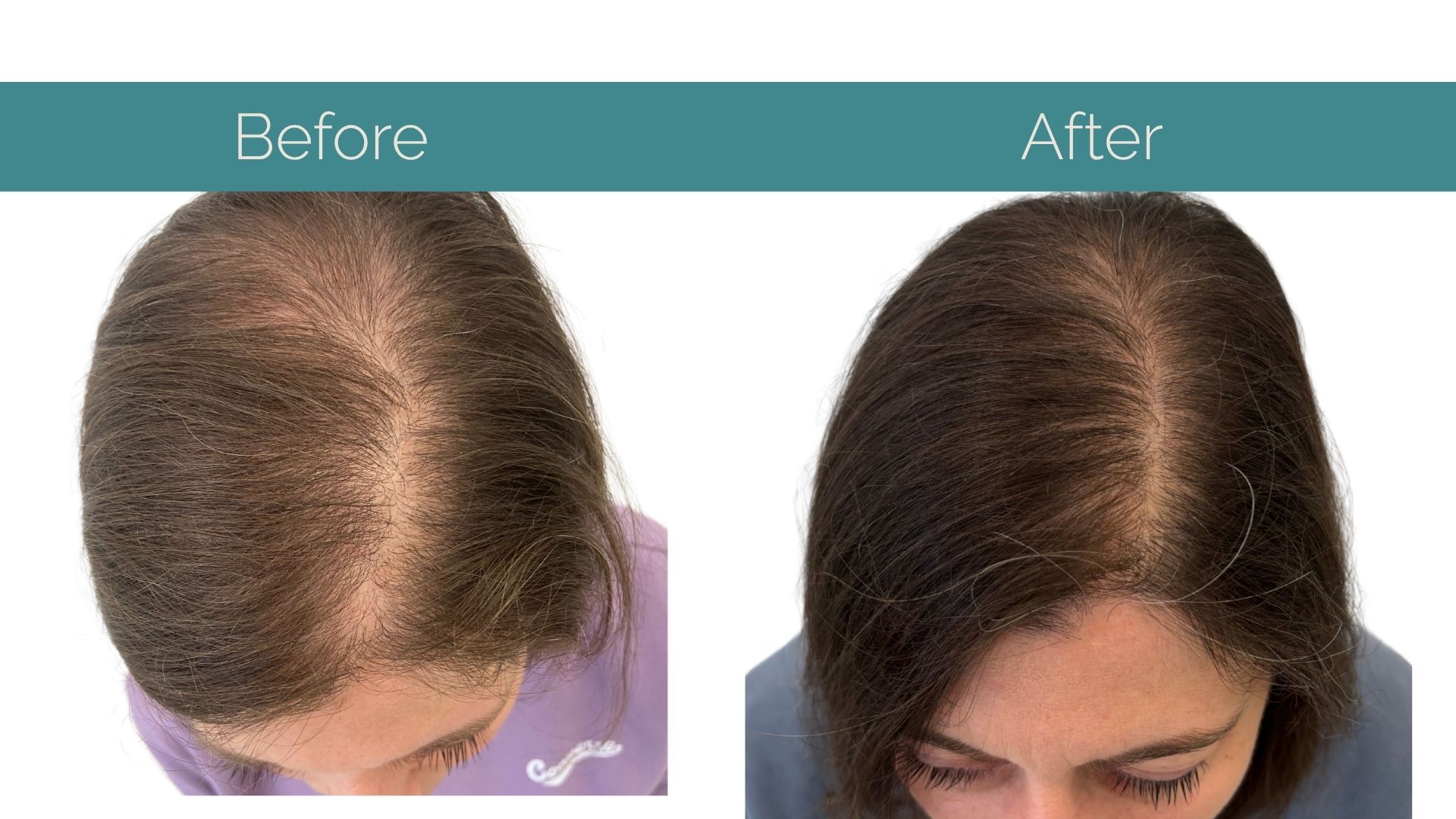
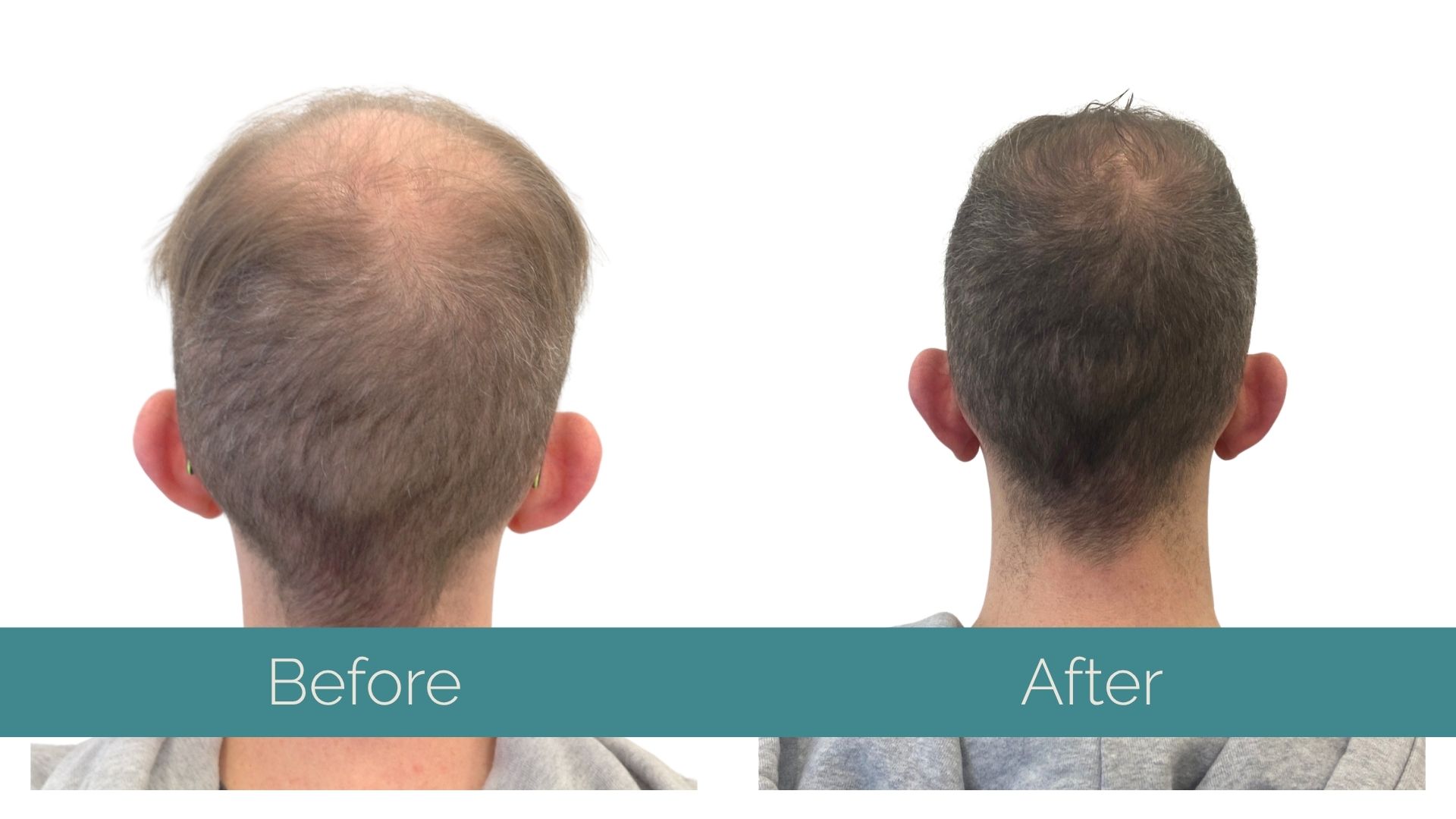
One of the biggest advantages of starting early is that it can slow progression and help preserve natural density, which may delay or reduce the need for more intensive procedures later on.
Preventive plans also tend to be more flexible, allowing a clinician to adjust treatments over time as the pattern of thinning becomes clearer. For many younger clients, that adaptability is the main value, because it gives them options and keeps the situation manageable rather than overwhelming.
Confidence Is Often the Real Outcome
When people talk about hair, they often talk about follicles, density, and growth cycles, but the emotional side is just as real.
Preventive treatment can restore a sense of control, especially for those who feel anxious about what might happen over the next five or ten years. Knowing you are doing something sensible, guided by a plan, can be calming.
Even when changes are modest, the confidence boost can be significant because it reduces the mental noise that hair worries can create.
A Balanced Reminder About Prescriptions and Expectations
Preventive care works best when it is calm and informed, not rushed out of panic. Some options, particularly prescription treatments, need proper medical oversight and a clear discussion of suitability and potential side effects.
Results also take time, often measured in months rather than weeks, and many approaches require consistency to maintain improvements. A trustworthy plan will focus on what is realistic for your hair type, your goals, and your willingness to maintain a routine.
What a Smart First Step Looks Like
If you are noticing early thinning, the most useful move is a professional assessment with a qualified specialist who can identify the likely cause and recommend appropriate next steps.
A good consultation should not feel like a sales pitch; it should feel like clarity. Whether you explore topical support, prescription options, PRP, laser therapy, or lifestyle adjustments, the best results come from a tailored plan built around your baseline and your long-term goals.
In that sense, preventive hair restoration is not about chasing perfection, it is about protecting what you already have, and doing it early enough that the future stays in your hands.
About IK Clinics
At IK Clinics, we’re not afraid to say that we’re proud to lead the way. Our expert team, advanced technology, and commitment to patient care ensure you get the best experience from start to finish.
What’s more, we offer a range of services in hair restoration, like FUE, Stem-cell and Plasma Therapy, along with various anti-aging treatments. Get in touch to find out more or book a consultation.