For a short while, everything seems to be going exactly to plan. Then, a few weeks later, you notice it: the newly transplanted hairs that you’ve been protecting so carefully are beginning to fall out.
It can feel like a nightmare moment – but in reality, it is one of the most normal stages of the entire process.
The Emotional Jolt of Post-Transplant Shedding
Shedding after a hair transplant often comes as a shock, especially if you were expecting a steady march from thin to thick hair.
Patients frequently describe a sinking feeling when they spot hair on their pillow or in the shower. It can be easy to assume that the procedure has failed or that something has gone badly wrong.
In truth, this early shedding is a built-in part of the recovery process. The visible hairs may fall away, but the follicles – the living roots that matter – are still very much in place. Understanding this distinction is key to staying calm and confident during those first few months.
What Is Actually Happening During the Shedding Phase?
A hair transplant involves moving follicles from a donor area, usually the back or sides of the head, to the areas where hair has thinned or disappeared.
Each graft contains a follicle and the hair shaft that is currently growing from it. Once these grafts are implanted, the follicles need time to adapt to their new environment.
In response to the trauma of surgery, many follicles enter a temporary resting phase. During this time, the hair shafts they arrived with are shed. The strand that you see falling out is essentially the old growth. The root beneath the skin is still alive, protected and preparing to start a new growth cycle when the scalp has settled.
Why Shedding Is a Sign of Progress, Not Failure
It can feel counter-intuitive, but shedding is usually a sign that your scalp is behaving exactly as expected.
Hair naturally cycles through growth, rest and shedding, and a transplant does not override this fundamental biology. Instead, it temporarily disrupts it, prompting many follicles to reset at once.
Rather than viewing shedding as your results disappearing, it is more accurate to see it as a transition.
The transplanted hairs that fall out are making way for new strands that will be better integrated, stronger and more in sync with your natural growth pattern. What looks like a setback on the surface is often the prelude to visible improvement later.
When Does Hair Transplant Shedding Usually Start?
For most people, shedding begins somewhere between two and four weeks after the procedure.
At first, you may notice a few loose hairs when you wash or gently touch your scalp. Over the following days, this can increase, and in some cases, a significant portion of the transplanted hair may fall away.
The timing and amount of shedding can vary from person to person. Some patients shed heavily, while others experience only a modest amount of loss. Both experiences are considered normal.
What matters more than the exact pattern is that your scalp remains comfortable, is healing well, and is free from worrying symptoms such as severe pain or signs of infection.
How Long Does the Shedding Phase Last?
The active shedding phase is usually relatively short, often lasting a couple of weeks. By the end of the first month, many of the original transplanted hair shafts will have gone. At this stage, the treated area may look similar to how it did before your surgery, or even slightly thinner in places.
This period can be psychologically challenging. You have invested time, money and emotional energy into your transplant, and the visual results can feel as though they are slipping away.
It is important to remember that this is only one chapter in a much longer story. Where the eye sees loss, the underlying follicles are simply regrouping.
When Does New Hair Begin to Grow?
The more exciting phase usually begins around three to four months after your procedure.
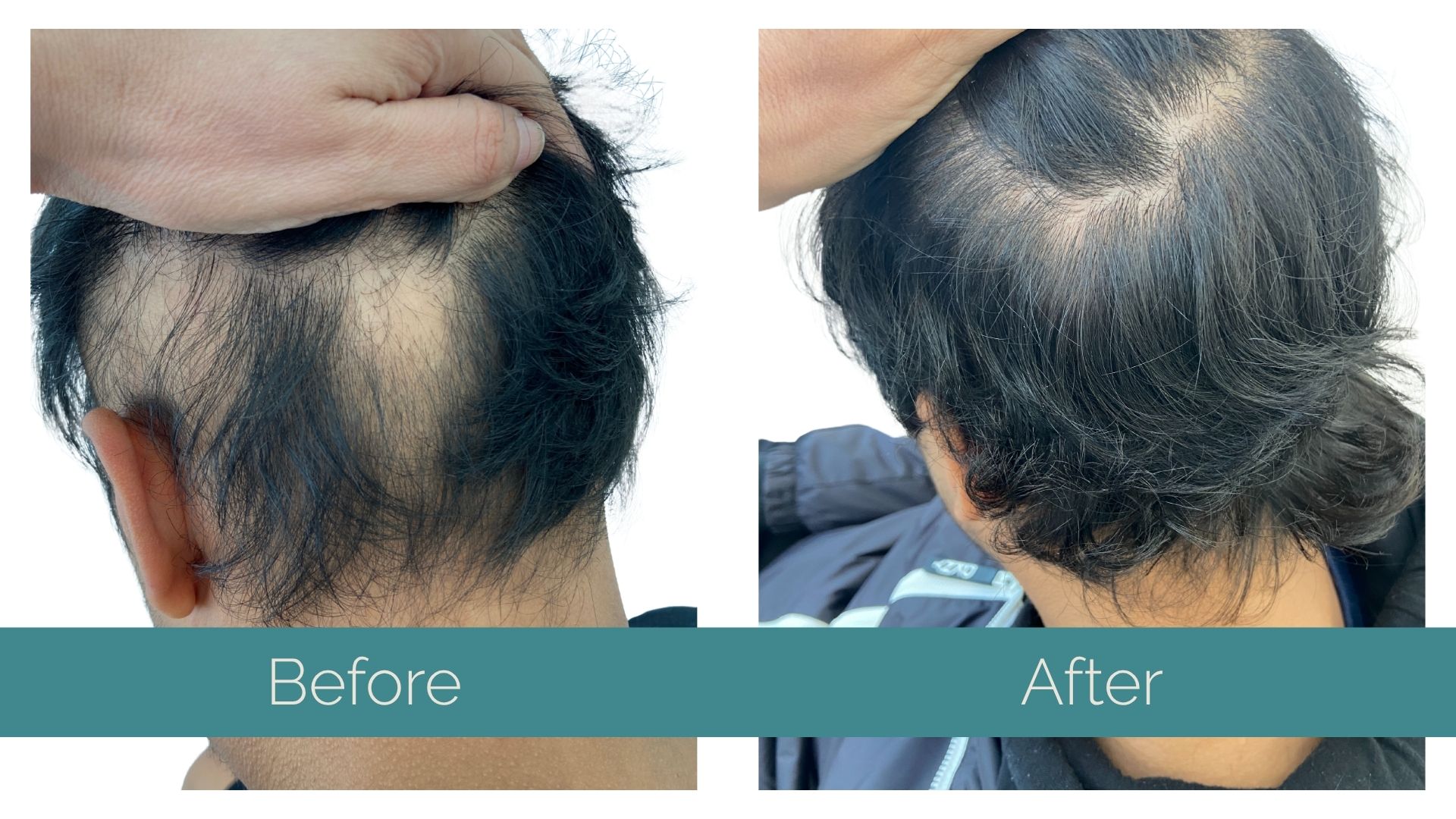
As the follicles come out of their resting stage, new hairs begin to appear on the surface of the scalp. At first, these can look soft, fine or even slightly uneven, giving a “patchy” impression that may not match your final result.
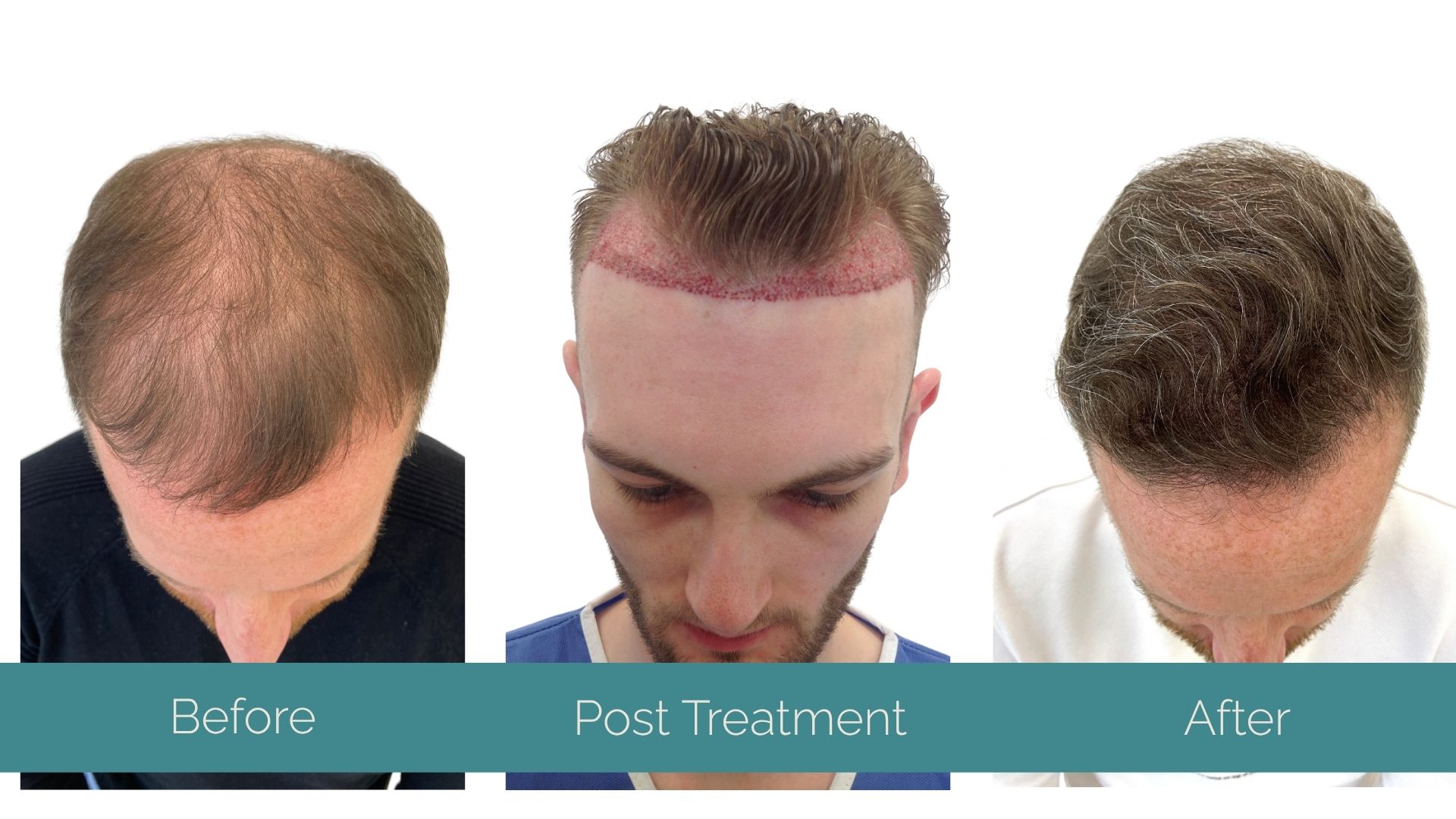
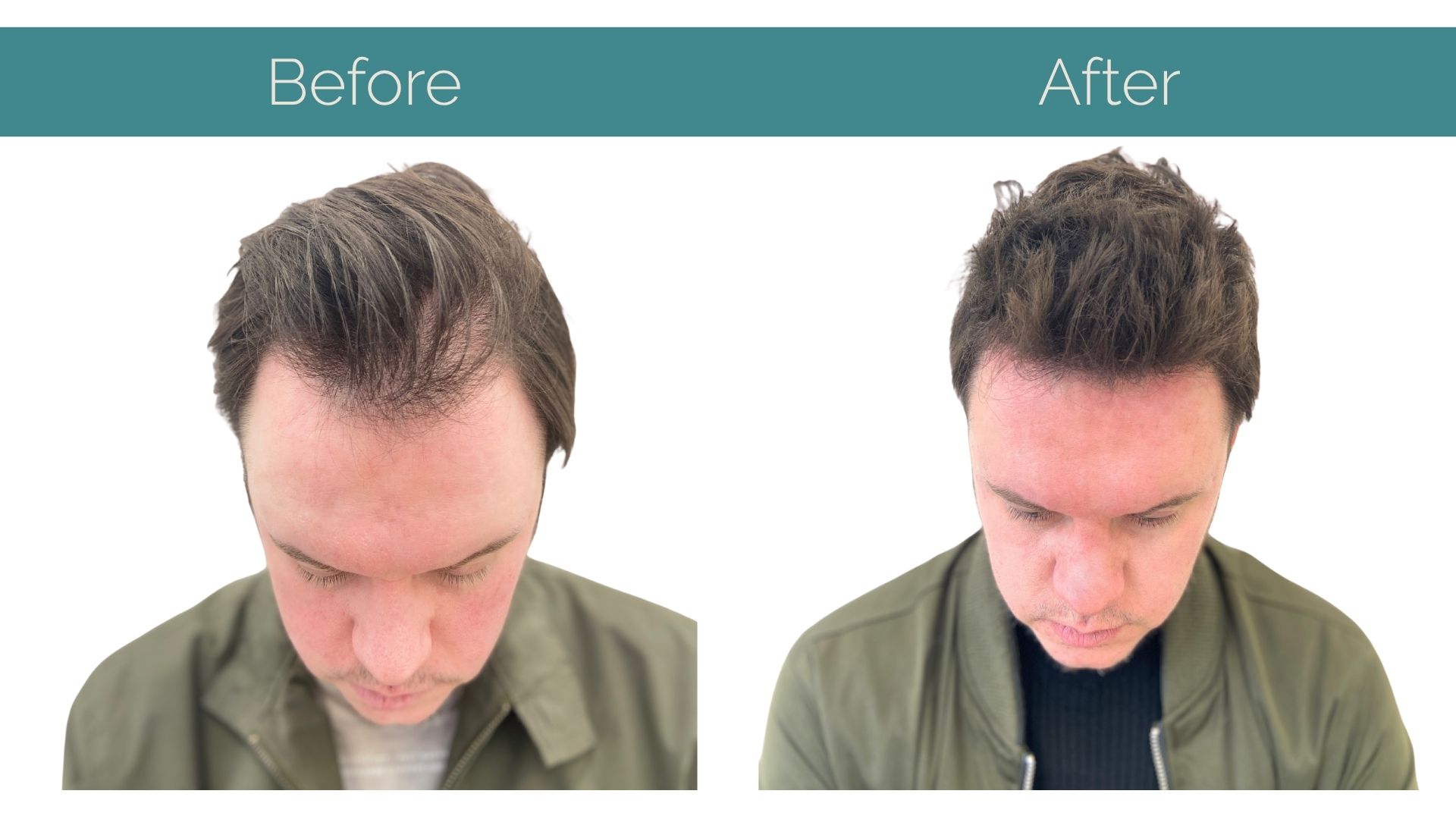
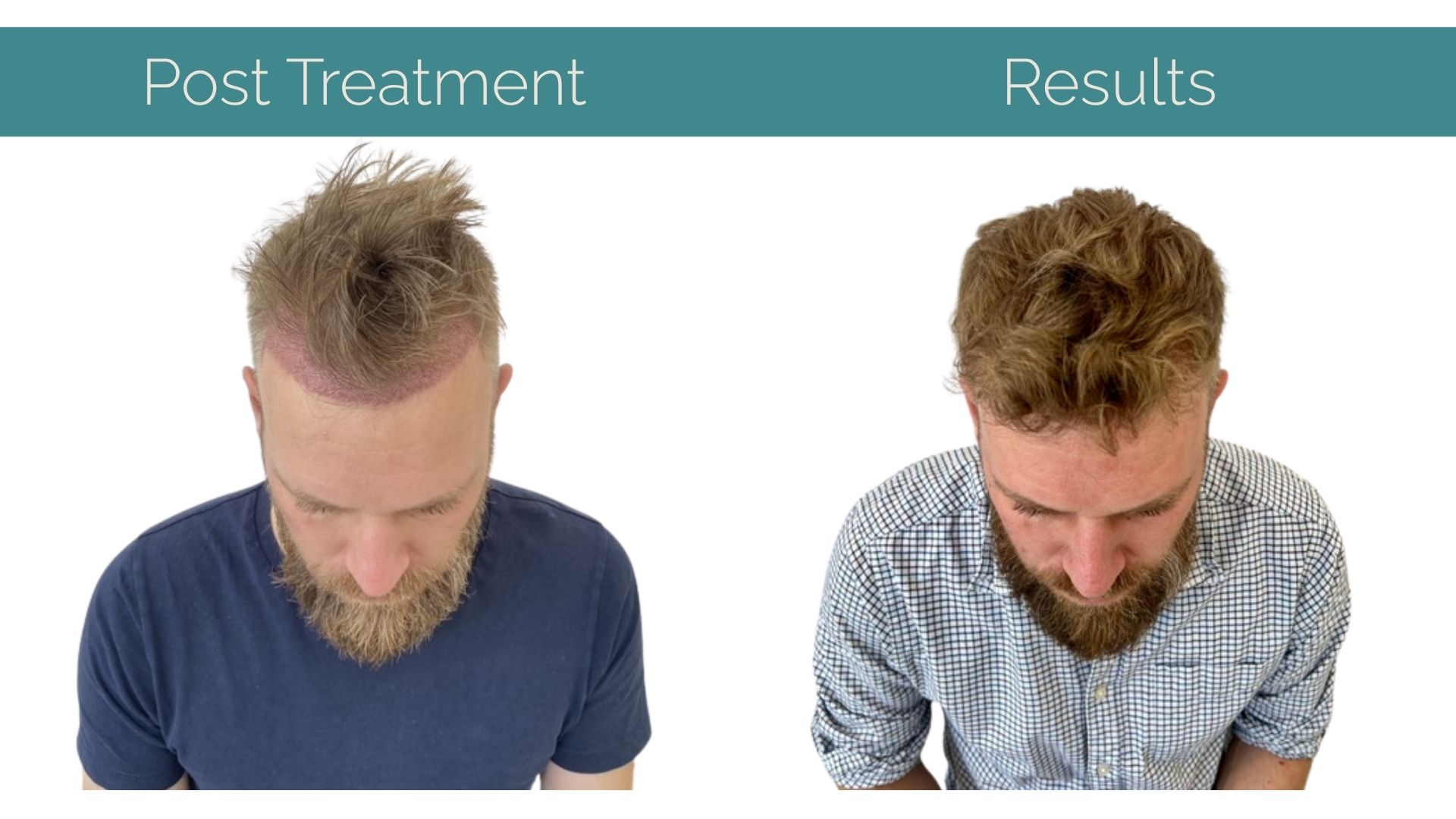
By the six-month mark, many patients notice a clear improvement in density and coverage. The hair continues to mature, thickening and blending with the surrounding strands.
Between nine and twelve months after surgery, most people see the outcome they were hoping for: fuller, natural-looking hair that behaves just like the rest of their hair when cut, styled or washed.
How to Care for Your Scalp During Shedding
While you cannot and should not try to prevent shedding, you can support your scalp so that it heals as smoothly as possible.
Being gentle is crucial. That means avoiding vigorous rubbing, scratching or harsh brushing, especially during the early weeks when the grafts are still stabilising.
Following your surgeon’s aftercare instructions is equally important. These guidelines are tailored to your specific procedure and may include how to wash your scalp, when to resume normal hair products, and which activities to avoid for a period of time.
Sticking closely to this advice helps protect your investment and gives the follicles the best chance to thrive.
The Role of Patience and Mindset
Perhaps the hardest part of the hair transplant journey is not the surgery itself but the waiting that follows. There is an inevitable gap between the day you leave the clinic and the day you see your final result. Shedding can make that gap feel even longer and more uncertain.
Maintaining perspective during this period makes a real difference. Reminding yourself that shedding is expected, temporary and necessary can help you stay calm.
Some people find it helpful to take monthly photos rather than checking their hair obsessively every day. This simple habit can reveal slow but steady progress that might otherwise be missed.
When Should You Contact Your Surgeon?
Although shedding is usually harmless, there are times when it is wise to seek professional advice.
Persistent or severe redness, swelling, heat, pus or prolonged pain may indicate an infection or other complication that needs attention. Likewise, if shedding continues far beyond the early months and is accompanied by other worrying symptoms, a follow-up appointment is sensible.
Your surgeon and clinic team are there to support you long after the procedure itself. If anything feels out of the ordinary, talking to them can provide reassurance and, where necessary, prompt action. It is always better to ask than to quietly worry.
A Temporary Setback on the Way to Long-Term Results
In the moment, watching your transplanted hair shed can feel like a cruel twist. But in the bigger picture, it is a short-lived phase on the way to long-term change. The hair that falls is not the finished result; it is the old growth making way for something more permanent.
By understanding what shedding is, why it happens and how the timeline unfolds, you can approach this stage with much more confidence.
Combine that knowledge with careful aftercare and realistic expectations, and you put yourself in the best possible position to enjoy the final outcome: thicker hair, a more youthful appearance, and a welcome boost in everyday confidence.
About IK Clinics
At IK Clinics, we are proud to stay at the forefront of global hair restoration trends, offering a variety of advanced techniques to meet the diverse needs of our clients. From FUE, PRP to Stem Cell Therapy, we ensure that every client’s treatment is tailored to their personal goals, helping them regain not just their hair but also their confidence.
Interestingly, we don’t just stop at hair restoration treatments, our highly skilled team also offers a range of anti-aging treatments.